
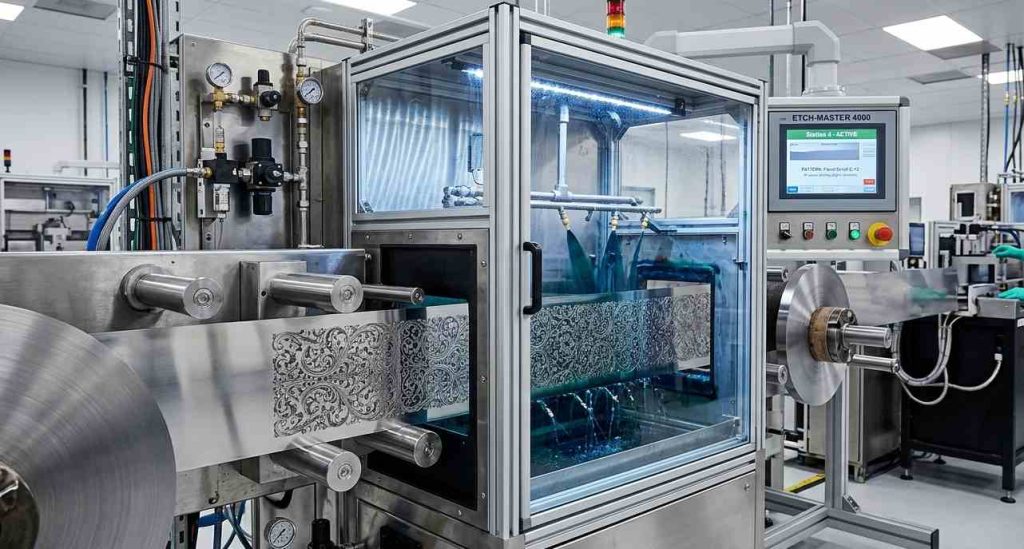
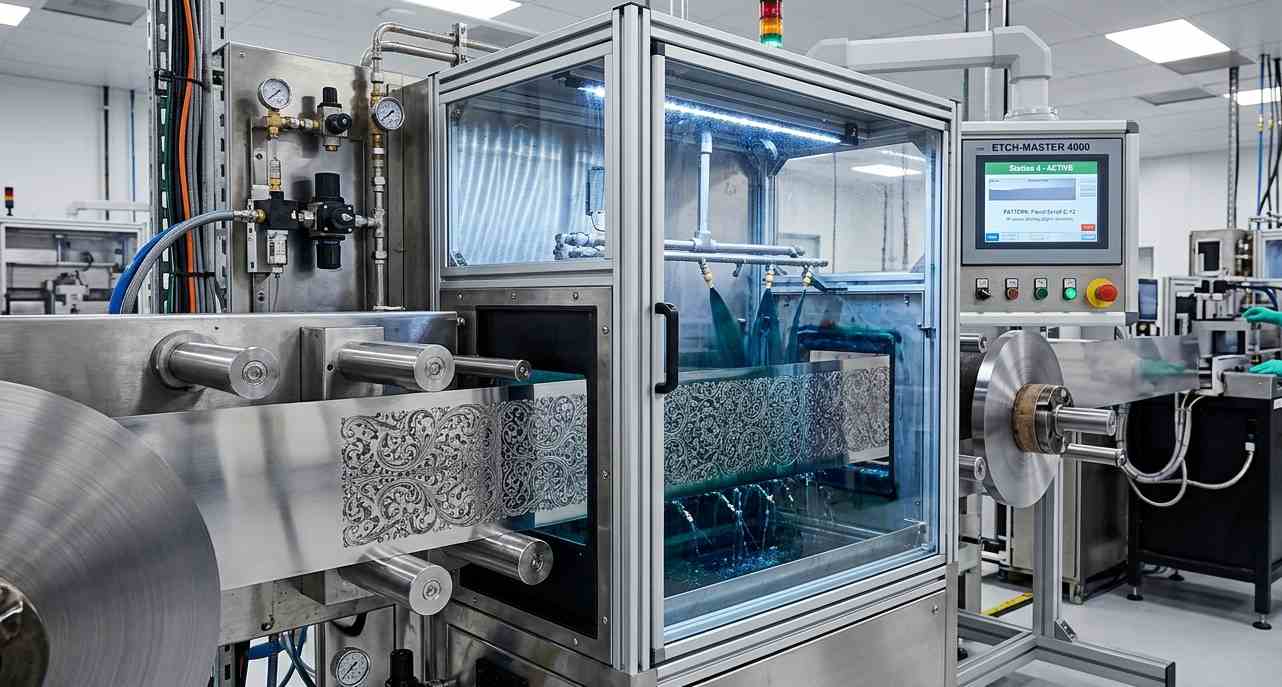
oll-to-roll continuous metal etching is very important in today’s manufacturing. This technology helps make parts for aerospace and medical devices. As these fields change, there is a bigger need for accuracy and speed. For example, a big aerospace company in the U.S. has used new technologies to make production faster. Also, a hospital in South Korea created 3D-printed knee implants for each patient, which helps them recover better. These examples show how roll-to-roll continuous metal etching helps new ideas and meets what industries need.
Key Takeaways
Roll-to-roll continuous metal etching cuts manufacturing costs. It does this by reducing waste and using resources better.
This technology can easily scale up or down. Manufacturers can change production levels quickly to meet market needs without spending too much.
Precision is very important. Roll-to-roll etching can achieve accuracy as tight as 5 µm. This means it makes high-quality parts for important uses.
The process combines many manufacturing steps. This improves production efficiency and shortens overall production time.
Following regulatory standards is very important for manufacturers. It helps ensure safety and quality in making aerospace and medical devices.
Benefits of Roll-to-Roll Etching
Cost Efficiency
Roll-to-roll continuous metal etching helps lower manufacturing costs a lot. This method cuts down on waste and uses resources better, especially when making many items. Here are some key points that show how it saves money:
Evidence Description | Explanation |
|---|---|
Lower Cost Per Unit for Flexible Circuits | The web-based process cuts waste and handling, which lowers costs for large orders. |
Cost-Efficient for High Volumes | This method reduces waste, handling, and time, leading to lower costs per item when making more. |
High-efficiency production | Continuous processing and combining steps ensure even treatment and steady quality, boosting overall efficiency. |
Additive Steps in Fabrication | Using only additive steps in printing or coating means material is added only where needed, greatly cutting waste. |
By using roll-to-roll etching, you can save a lot of money, making it a great choice for aerospace and medical device makers.
Scalability
Scalability is another big benefit of roll-to-roll continuous metal etching. This technology lets you easily change production amounts to match market needs. Whether you need small amounts for testing or large batches for mass production, roll-to-roll etching can meet your needs.
The ability to adjust production quickly means you can react fast to changes without high costs. This flexibility is very important in fields like aerospace and medical devices, where quick changes and new ideas are key.
Precision
Precision is very important in making aerospace and medical devices. Roll-to-roll continuous metal etching provides amazing accuracy, often reaching as tight as 5 µm. This level of precision is much better than older methods, which usually range from 100 µm to several millimeters.
The R2R process needs higher accuracy because printed electronics can fail if not aligned correctly.
This precision makes sure parts fit well and work right, lowering the chance of failure in important uses.
With roll-to-roll continuous metal etching, you can be sure your products will meet the high quality standards needed in these critical industries.
The Roll-to-Roll Etching Process
Materials Used
In roll-to-roll continuous metal etching, many metals and alloys are important for aerospace and medical devices. Here are some common materials:
Metal/Alloy | Application | Properties |
|---|---|---|
Aerospace fabrication | Easy to make, good for industrial products | |
Specialty Alloys | Biomedical and aerospace applications | High-performance, strict material needs |
These materials help ensure that the final products meet the high standards needed in these important industries.
Technology Overview
The technology for roll-to-roll etching uses advanced methods for high efficiency and precision. This method uses a continuous metal web for fast production. The process includes several steps like etching, coating, and sometimes plating, all in one smooth operation. This combination cuts down on handling time and waste, making it great for high-volume manufacturing.
Step-by-Step Process
The roll-to-roll etching process has several key steps:
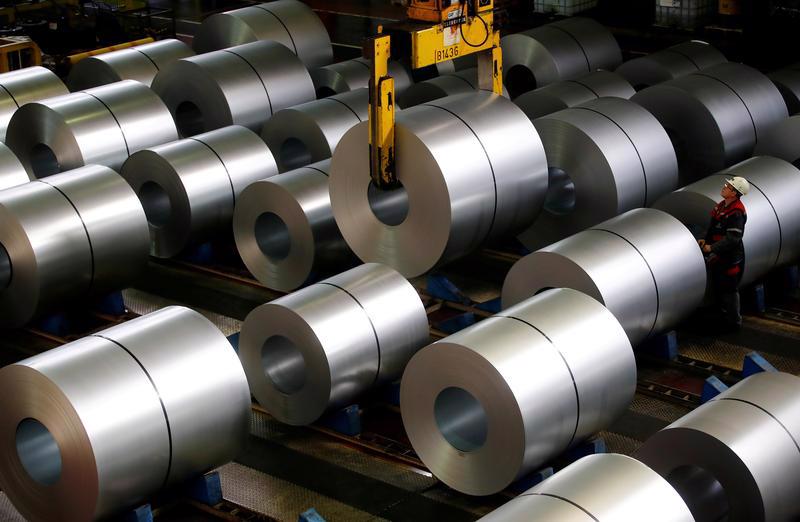
Material Preparation: Start with a roll of metal foil made from different alloys.
Cleaning: Clean the surface to get rid of any dirt that could affect the etching quality.
Etching: Use a chemical solution to etch patterns onto the metal surface. This step needs precision for accurate designs.
Rinsing: Rinse the etched metal to remove leftover chemicals.
Drying: Dry the metal well to get it ready for the next steps.
Coating (if needed): Add coatings or finishes to improve properties like conductivity or resistance to rust.
Quality Control: Check the final product for size accuracy and quality.
By following these steps, you can make high-quality parts that meet the strict needs of aerospace and medical applications.
Aerospace Sensor Applications
Use Cases
Roll-to-roll continuous metal etching is very important for making aerospace sensors. Here are some examples where this technology works well:
Pressure Sensors: These sensors check altitude and cabin pressure in planes. Roll-to-roll etching helps make sensor parts that need to be very accurate.
Temperature Sensors: Getting the right temperature readings is key for engine performance. The etching process makes thin, flexible circuits that can handle extreme conditions.
Accelerometers: These devices measure how fast something speeds up. The light and small size of roll-to-roll etched parts makes them perfect for aerospace uses where weight matters.
Proximity Sensors: These sensors are used in landing gear and other important systems. They benefit from the high accuracy and reliability of roll-to-roll etching.
These examples show how roll-to-roll continuous metal etching helps the aerospace industry by providing dependable and efficient sensor solutions.
Advantages
The benefits of using roll-to-roll continuous metal etching in aerospace manufacturing are very important:
Enhanced Precision: This technology gets amazing accuracy, often within ±0.005 mm. This precision is crucial for aerospace sensors, where small mistakes can cause failures.
Reduced Production Time: The continuous process allows for faster production cycles. You can quickly make many sensors to meet the needs of the aerospace industry.
Lower Material Waste: Roll-to-roll etching cuts down on waste by using only what is needed. This efficiency lowers costs and helps support sustainability in manufacturing.
Integration Capabilities: The process can easily work with other manufacturing steps, like plating and stamping. This integration makes production smoother and improves overall efficiency.
Medical Device Applications
Benefits
Roll-to-roll continuous metal etching greatly improves how medical devices are made. This technology has many benefits that help with efficiency and product quality:
Reduced Production Costs: It cuts down on material waste, which lowers the costs of making medical devices.
Faster Production Rates: The process runs continuously, allowing for quick production. This speed is important in the busy medical field.
High Precision: You get great accuracy, which is essential for devices that need to work exactly right.
Flexibility in Design: This method allows for complex designs. You can create new medical devices that fit specific patient needs.
Case Studies
There are many examples that show how roll-to-roll etching works well in medicine. Here are a few:
Application | Description | Impact on Medical Devices |
|---|---|---|
Ablation of thin-film layers | Uses laser ablation with an excimer laser and mask projection for medical sensors. | Can produce up to 150 sensors every second. |
These examples show how roll-to-roll continuous metal etching helps improve medical device design and function. Making sensors quickly and accurately can lead to better patient care and more efficient healthcare solutions.
By using this technology, you can stay ahead in the competitive medical device market. This ensures your products meet high standards of quality and performance.
Challenges and Considerations
Implementation Challenges
When thinking about using roll-to-roll continuous metal etching, you might face some challenges. Here are some important things to remember:
Initial Investment: Setting up the right equipment can cost a lot of money. This high cost might stop some manufacturers from using this technology.
Technical Expertise: You need skilled workers to run and take care of the advanced machines. It can be hard to find and train the right people.
Process Optimization: Getting the best results might take some time. You may have to try different materials and settings to find what works best for your needs.
Regulatory Considerations
Rules and regulations are very important when using roll-to-roll etching technology, especially in aerospace and medical devices. Here are some key points to think about:
Regulatory groups like the FDA and EMA have strict rules for medical devices with metal mesh. They focus on safety and strength.
Different rules in different areas can make it hard to follow the laws. The same device might be classified differently in various places.
Rules are always changing, which can create ongoing problems. New focuses on material safety and testing mean manufacturers must keep up to date.
To stay compliant, you need to follow different standards and certifications. Here’s a table that shows some important certifications for roll-to-roll etching:
Standard/Certification | Description |
|---|---|
Aircraft Industry Specifications (ATA, A4A) 2000 | Standards for marking aircraft. |
UID standard of the U.S. Department of Defense (DoD) | Unique ID requirements for parts. |
SAE AS913 International Marking Standard | Global standards for marking in aerospace. |
AIM-DPM | Standards for automatic identification and mobility. |
ISO/IEC TR 291 | Technical report on marking standards. |
Rolls-Royce Standards JES131 and RRES9000 | Specific standards by Rolls-Royce for aerospace parts. |
Also, getting ISO9001:2015 certification shows a commitment to quality and following strict production procedures. By knowing these challenges and rules, you can better handle the complexities of using roll-to-roll continuous metal etching in your work.
Bonysn’s Roll-to-Roll Etching Capabilities
±0.03mm Dimensional Accuracy (No Pre-Punching Required)
Bonysn is a leader in roll-to-roll continuous metal etching. You can get a great accuracy of ±0.03mm without needing to pre-punch. This ability has been in use since May 2020. This level of precision helps you make detailed designs that fit the strict needs of aerospace and medical fields.
Integration with Subsequent Plating and Stamping Processes
Combining roll-to-roll etching with plating and stamping has many benefits. Here are some important advantages:
Enhanced Production Efficiency: This combination makes production much faster. For example, gold films can be fully etched in just six seconds.
Reduced Production Time: This method cuts down etching time, which is very important for making a lot of items.
Uniform Protection Layer: Using backfilled aromatic amine molecules creates a smooth protection layer. This leads to fewer defects in nanopatterns over large areas.
High-Volume Production with Consistent Quality
Bonysn keeps quality high in large-scale production using several methods. The table below shows how they maintain their standards:
Aspect | Description |
|---|---|
Continuity and Efficiency | The production line runs non-stop for 24 hours, reaching speeds of 1-5m/min. |
Precision | High-precision guide rail positioning ensures a tolerance of ±0.005mm during etching. |
Uniformity | An even spray system spreads the etching solution evenly, stopping uneven etching. |
Compatibility | The process works with different substrates, allowing for complex patterns and quick design changes. |
Bonysn can work with ultra-thin foils down to 0.009mm and many alloys, like C5191 and SUS304. Their new “free-form” selective plating technology boosts their abilities. They serve industries like aerospace, AI chips, new energy, and medical devices, showing Bonysn’s focus on quality and innovation.
Roll-to-roll continuous metal etching changes how we make things in aerospace and medical devices. This technology has many benefits, like saving money, being easy to scale, and providing accuracy. You can expect quicker production times and less waste, which are very important for meeting what industries need.
The Hybrid Etch-Laser Process™ (H.E.L.P.) improves production abilities. It lets you create detailed shapes and tight fits. By using this technology, you put yourself at the front of new ideas in precision manufacturing.
FAQ
What is roll-to-roll continuous metal etching?
Roll-to-roll continuous metal etching is a way to make things. It uses a long metal strip to create exact designs on metal surfaces. This method works well and is great for making a lot of items in fields like aerospace and medical devices.
How does roll-to-roll etching improve production efficiency?
This process cuts down on waste and time by putting many steps together into one smooth operation. You can make high-quality parts faster, which is very important for meeting the needs of the aerospace and medical industries.
What materials can be used in roll-to-roll etching?
You can use different metals and alloys, including special aerospace metals and materials for medicine. Common choices are C5191, C17200, and SUS304, which meet the strict needs of these fields.
What are the key benefits of using roll-to-roll etching?
The main benefits include saving money, being able to change production levels easily, and getting high precision. This technology helps you save costs, quickly adjust how much you make, and achieve tight tolerances, ensuring quality in important applications.
Are there any regulatory considerations for roll-to-roll etching?
Yes, you need to follow different rules, especially in aerospace and medical areas. Standards from groups like the FDA and ISO make sure that safety and quality are kept in the manufacturing process.
See Also
KSA’s Roll-to-Roll Metal Etching for Sensor Parts
Vietnam’s Roll-to-Roll Metal Etching for OEM Production
Exploring Roll-to-Roll Etching Benefits for Future Electronics
Precision Metal Etching of ±0.005mm for Semiconductors
Revolutionizing Battery Manufacturing with Roll-to-Roll Etching