


Selective continuous electroplating revolutionizes the way you approach precious metal plating. This innovative process can cut costs by up to 50%, making it an attractive option for your electronic components. With selective plating, you can achieve significant gold savings, sometimes reaching as high as 70%, depending on part geometry and thickness. This method not only enhances cost efficiency but also ensures high-quality finishes tailored to your specific needs. In a competitive market, adopting continuous electroplating can provide you with a substantial edge.
Key Takeaways
Selective continuous electroplating can reduce precious metal costs by up to 50%, making it a cost-effective choice for electronic components.
This method minimizes material waste by applying metals only where necessary, leading to savings of up to 70% on precious metal usage.
Selective plating enhances the performance of electronic components by providing targeted protection and improving durability against environmental challenges.
The process generates less waste and uses fewer chemicals, promoting a safer working environment and reducing environmental impact.
Adopting selective electroplating can give your business a competitive edge by improving product quality and operational efficiency.
What is Continuous Electroplating?
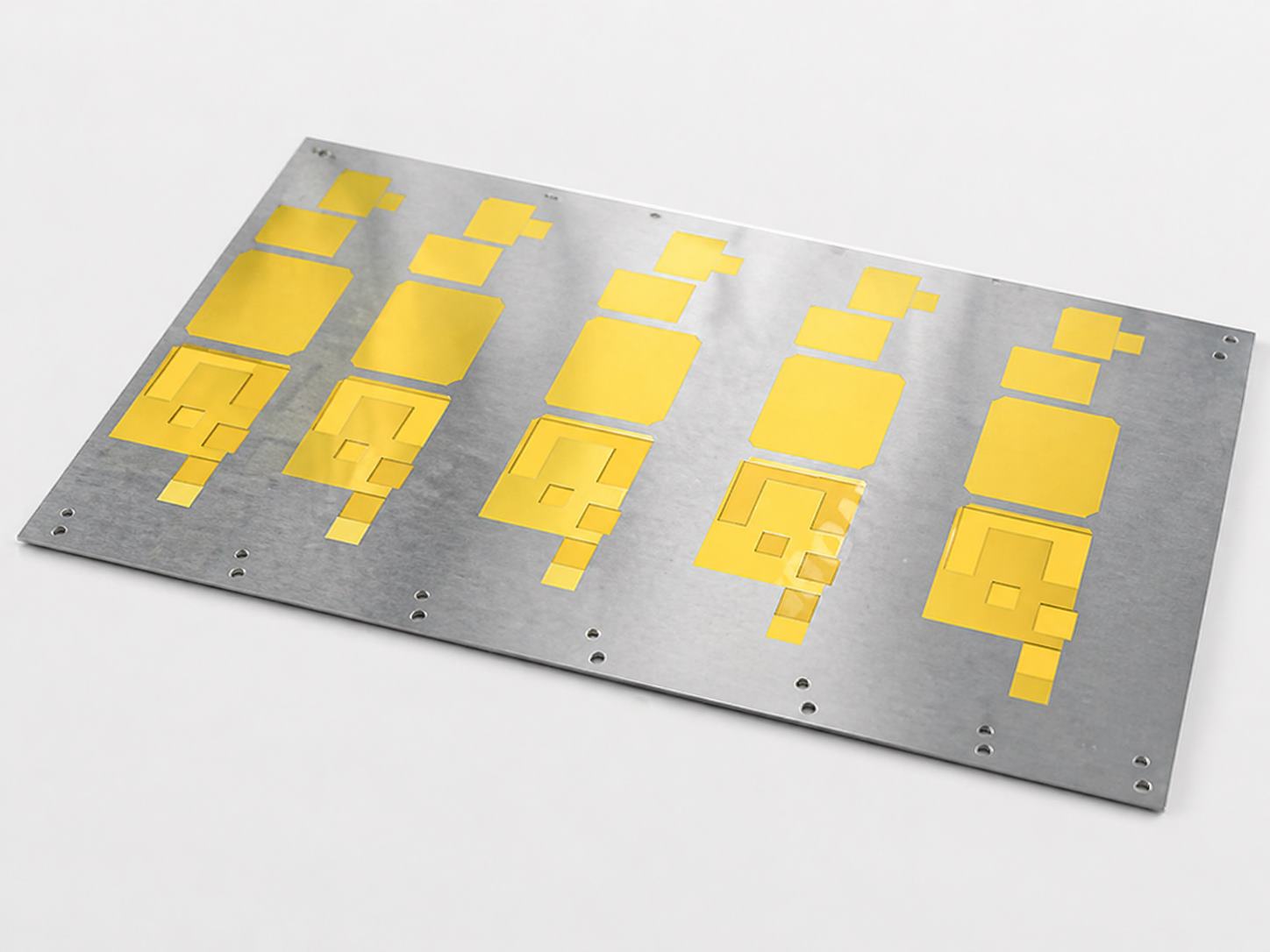
Continuous electroplating is a vital process in the manufacturing of electronic components. It involves depositing a thin layer of metal onto a substrate through an electrochemical reaction. This method allows for efficient and uniform coating, making it ideal for high-volume production.
Key Technologies
The continuous electroplating process consists of several key steps:
Surface Preparation: Start by cleaning the substrate thoroughly. This step removes contaminants and ensures optimal adhesion.
Pre-treatment: Apply specific chemical or mechanical processes to activate the surface.
Rinsing: Rinse the substrate with deionized water to eliminate any residual cleaning agents.
Strike Layer Application: Deposit a thin initial layer of metal, often nickel or copper, to improve adhesion.
Main Plating Process: Immerse the prepared workpiece in a plating bath, where precise control of current density, temperature, and agitation occurs.
Process Monitoring: Continuously observe bath parameters like pH and temperature to maintain optimal conditions.
Post-plating Treatment: Apply specialized treatments to enhance the coating properties.
Final Quality Inspection: Conduct comprehensive testing to ensure the coating meets specifications.
Recent advancements in continuous electroplating technology include pulse electroplating and AI-driven monitoring systems. These innovations enhance precision and uniformity, crucial for applications like high-density interconnects in semiconductor manufacturing.
Types of Metals Used
You can use various metals in continuous electroplating, each offering unique benefits:
Gold: Known for its excellent conductivity and resistance to oxidation.
Silver: Offers good conductivity and is less expensive than gold.
Palladium: A noble metal with high corrosion resistance.
Rhodium: Harder than palladium, it provides high electrical conductivity and corrosion resistance.
By selecting the right metal for your application, you can optimize performance and cost-effectiveness in your electronic components.
Advantages of Selective Plating
Cost Savings
Selective plating offers significant cost savings compared to traditional electroplating methods. By applying precious metals only where necessary, you can reduce material usage and overall expenses. Here are some key benefits of selective plating:
Reduced Precious Metal Usage: Selective gold plating can lead to savings of up to 70% on precious metal usage. This targeted approach minimizes waste while optimizing conductivity and wear resistance.
Lower Processing Costs: Selective plating reduces costs by applying precious metals only to necessary areas. This avoids full-panel coverage, which is often more expensive.
Minimized Chemical Use: The process decreases the need for masking and reduces high chemical volumes needed for immersion plating. This leads to lower utility expenses and requires less electrical power.
Less Post-Processing Labor: Selective methods decrease post-processing labor due to the absence of broad stripping or etching, further reducing expenses.
By conserving materials and minimizing waste, selective plating enhances your cost-effectiveness in electronic manufacturing.
Enhanced Performance
Selective plating not only saves costs but also improves the quality and performance of electronic components. This method applies a protective metal layer only where needed, which conserves materials and preserves the electrical properties of the device. Here’s how selective plating enhances performance:
Targeted Protection: By focusing on critical areas, selective plating protects against corrosion while allowing for the use of various compatible metal coatings. This improves the durability of components against environmental challenges.
Precision Application: The process allows for targeted gold deposition as precise as 5 microns. This precision ensures that you achieve optimal conductivity and performance without unnecessary excess.
Environmental Benefits: Selective plating generates minimal waste and uses less solution and chemicals. This not only lowers carbon emissions related to transport and shipping but also creates a safer and healthier working environment.
Applications in Electronics
Selective continuous electroplating plays a crucial role in various applications within the electronics industry. This method not only enhances the performance of electronic components but also addresses specific challenges faced by manufacturers. Here are some common use cases where selective electroplating proves beneficial:
Common Use Cases
Printed Circuit Boards (PCBs): Selective electroplating improves solderability and bondability, essential for reliable connections in PCBs. By applying metals like tin and copper only where needed, you enhance the overall performance while reducing costs.
Semiconductor Devices: In semiconductor manufacturing, selective electroplating is vital for creating interconnects and conductive layers. This process allows for precise control over metal deposition, which is critical for miniaturized components.
Electromagnetic Devices: Electroplating with nickel-iron alloys enhances magnetic properties, making it ideal for sensors and electromagnetic devices. This targeted approach ensures that you achieve optimal performance without unnecessary material waste.
Electric Motors: Selective electroplating replenishes metal in specific worn areas of components, extending their operational lifespan. This technique allows you to salvage and reuse parts, reducing environmental impact and costs.
Tip: By focusing on specific areas, you can significantly enhance the durability and reliability of your electronic components.
Functional Plating Benefits
The benefits of selective continuous electroplating extend beyond cost savings. Here are some key functional improvements you can expect:
Improvement Type | Description |
|---|---|
Environmental Safety | The system reduces exposure to fumes and chemicals, creating a safer working environment. |
Operational Efficiency | Automation increases cycle times, reduces human errors, and enhances repeatability. |
Ergonomic Benefits | The portable design minimizes ergonomic risks for operators, improving overall safety. |
Waste Reduction | Less masking and cleaning supplies are needed, leading to reduced waste in the plating process. |
Industry standards also influence the adoption of selective continuous electroplating. These standards drive the selection of plating chemistries, emphasizing sustainability initiatives. Regulatory compliance is crucial, with strict requirements influencing plating chemistry and wastewater management practices. Precision and surface quality standards are essential in sectors like automotive and aerospace, necessitating process optimization and automation.
Case Studies of Cost Savings
Example 1: Technic Inc.
Technic Inc. implemented selective continuous electroplating to enhance their production of printed circuit boards. By focusing on targeted gold deposition, they achieved significant cost reductions. The company reported a 50% decrease in gold usage while maintaining the quality of their gold-plated parts. This approach allowed them to allocate resources more efficiently and improve their profit margins. Technic Inc. also noted that precise gold placement enhanced the reliability of their components, making them suitable for high-reliability applications.
Example 2: Advanced Electronics Corp.
Advanced Electronics Corp. adopted selective continuous electroplating for their custom tooling for complex geometries. They faced challenges with traditional plating methods, which often led to excessive material waste. By switching to selective plating, they reduced their overall metal consumption by 40%. The company highlighted that electroplated with nickel in specific areas improved the durability of their products. This targeted approach not only saved costs but also enhanced the performance of their electronic devices.
Both Technic Inc. and Advanced Electronics Corp. demonstrate how selective continuous electroplating can lead to substantial cost savings while improving product quality. These case studies illustrate the effectiveness of this innovative method in real-world applications.
Selective continuous electroplating offers significant advantages for your electronic components. You can achieve substantial cost savings by applying precious metals only where necessary. This method not only reduces material usage but also extends the lifespan of critical components.
Minimized Downtime: On-site repairs lower costs associated with disassembly and transport.
Environmental Benefits: The process uses fewer chemicals and generates less waste, promoting a healthier workplace.
By considering selective electroplating, you enhance both your bottom line and the reliability of your products. Embrace this innovative approach to stay competitive in the electronics industry!
FAQ
What is selective continuous electroplating?
Selective continuous electroplating is a method that applies metal coatings only where needed on a substrate. This process reduces material waste and costs while maintaining high-quality finishes.
How much can I save with selective plating?
You can save up to 50% on precious metal costs. In some cases, savings can reach 70%, depending on the part’s geometry and thickness.
What metals can I use in this process?
You can use various metals, including gold, silver, nickel, copper, and palladium. Each metal offers unique benefits, such as conductivity and corrosion resistance.
Is selective electroplating environmentally friendly?
Yes, selective electroplating generates less waste and uses fewer chemicals compared to traditional methods. This approach promotes a safer working environment and reduces environmental impact.
How does selective plating improve performance?
Selective plating enhances performance by applying protective layers only where necessary. This targeted approach improves conductivity, durability, and overall reliability of electronic components.
See Also
Innovative Mold-Free Selective Plating for Ultra-Thin Gold Strips
Reducing Gold Plating Expenses in I/O Interfaces Using Selective Methods
Advancements in Prototyping Through Die-Free Selective Plating Techniques
Cost-Effective Mold-Free Selective Plating Services Available in Vietnam
Strategies for Lowering Plating Mold Expenses in Electronics Production