
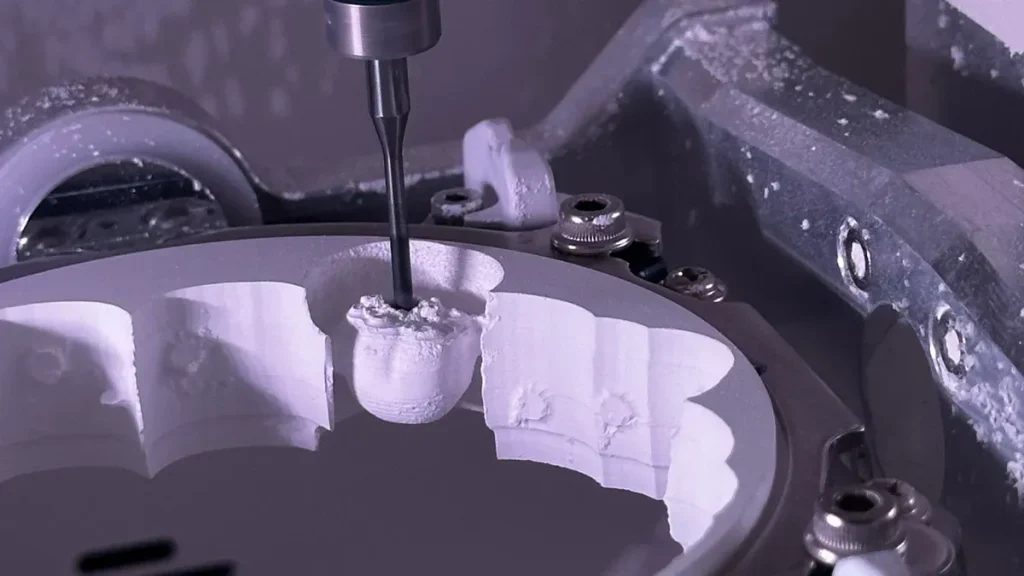
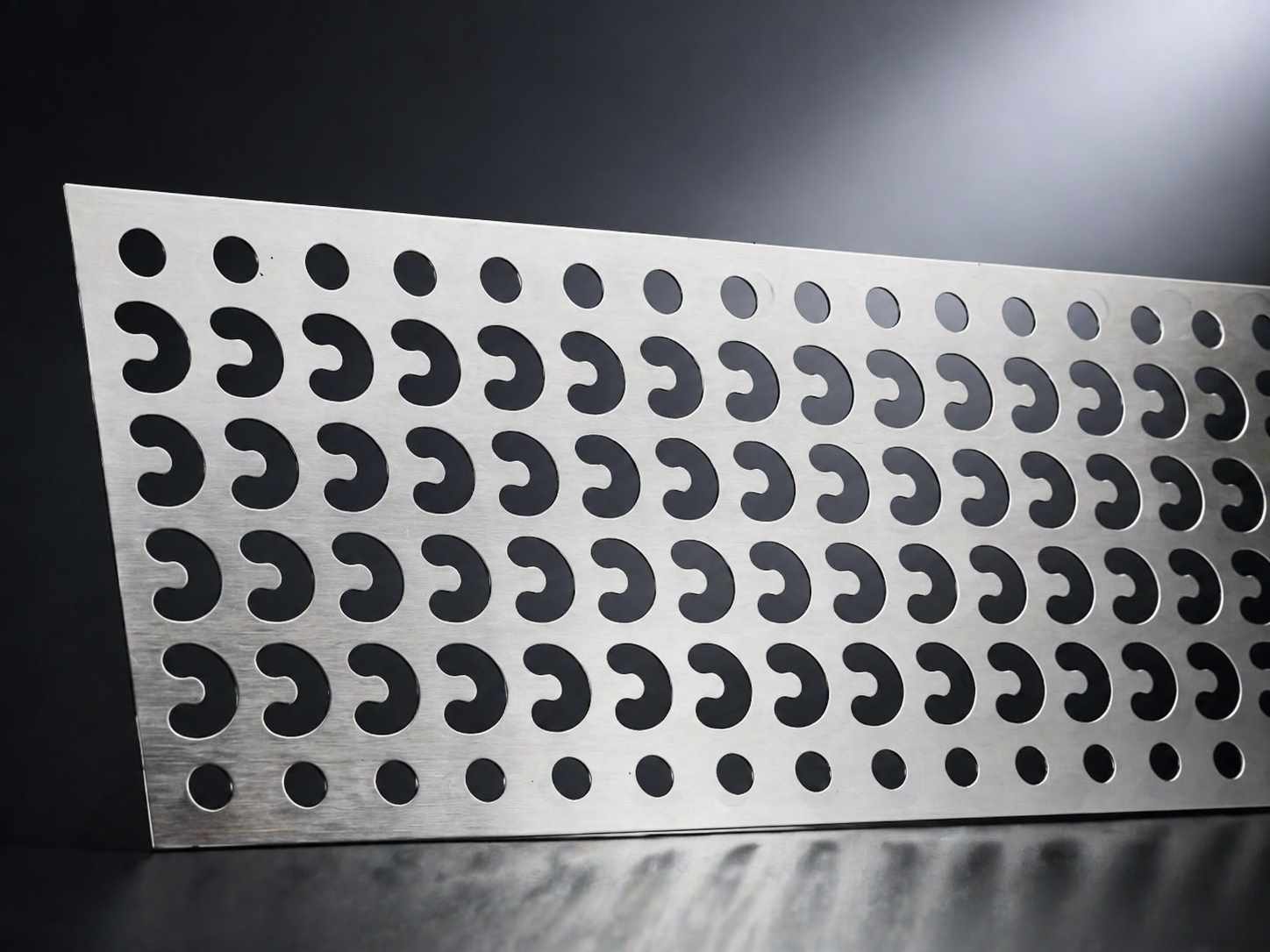
Precision engineering transforms manufacturing by enhancing accuracy and efficiency. This approach plays a vital role in localized electroplating, allowing manufacturers to apply coatings precisely where needed, such as on pre-nickel plated steel strips. With the global precision engineering machines market valued at USD 13.07 billion in 2022, its growth reflects the industry’s shift towards cost-effective practices. By implementing precision engineering, I can reduce waste and improve productivity. This leads to significant savings in operational costs, making it a smart choice for modern manufacturing.
Key Takeaways
Precision engineering enhances manufacturing accuracy and efficiency, leading to significant cost savings.
Localized electroplating allows for targeted metal coatings, reducing waste and improving product performance.
Optimizing materials and controlling parameters in electroplating can lower operational costs and enhance quality.
Adopting innovative techniques like selective plating can streamline processes and minimize downtime.
Embracing advancements in technology ensures consistent quality and sustainability in electroplating practices.
Principles of Precision Engineering
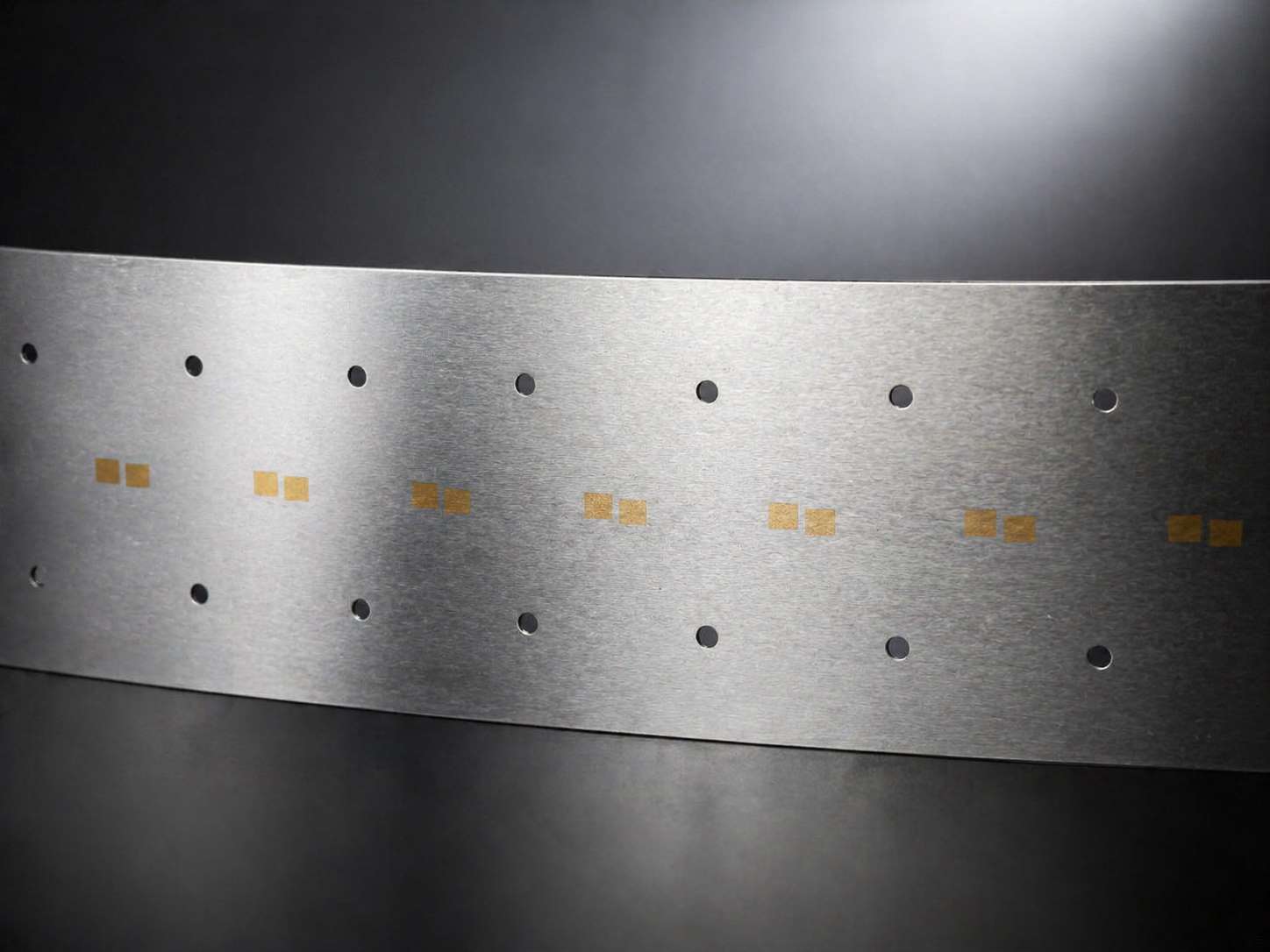
Precision engineering is essential in modern manufacturing. It focuses on creating components with high accuracy and reliability. This discipline ensures that products meet strict specifications, which is crucial for industries like aerospace, automotive, and electronics. By applying precision engineering principles, I can enhance the quality of localized electroplating processes.
Key Techniques
Several key techniques help achieve high precision in manufacturing. Here’s a summary of some of the most effective methods:
Technique | Key Features |
|---|---|
Precision etching / semi-etching | No mold opening, quick sample making. Zero burr precision products. Maximum precision of film etching can reach ±0.005mm. Processing thickness: 0.01 – 2.0 mm. Facilitates subsequent stamping, bending, electroplating, and injection molding processing. Significantly improves efficiency, reduces costs, and lowers defect rates! |
These techniques allow me to produce components that fit together perfectly, reducing the need for rework and minimizing waste.
Benefits of Precision Engineering
The benefits of precision engineering extend beyond just accuracy. Here are some key advantages:
Dimensional Accuracy and Tolerance Control: I can achieve . This control ensures that parts fit together correctly during assembly.
Geometric Accuracy and Feature Relationships (GD&T): I manage shape and positional relationships to ensure functional performance. This goes beyond mere size and enhances overall product functionality.
Surface Condition and Functional Performance: I define surface characteristics based on functional needs. This focus impacts friction and wear, leading to longer-lasting products.
Material Behaviour and Dimensional Stability: Understanding how materials respond to various stresses helps maintain accuracy throughout a component’s life.
By leveraging these principles, I can improve product quality significantly. and advanced technology allow me to deliver high-quality parts consistently. Focusing on quality principles leads to sustained success in precision manufacturing.
Moreover, adopting precision engineering can reduce the environmental footprint of electroplating processes. and resource conservation, leading to less waste generation. Closed-loop manufacturing systems enable recovery and reuse of chemicals, metals, and water, minimizing waste discharge and reducing raw material consumption.
Localized Electroplating Process
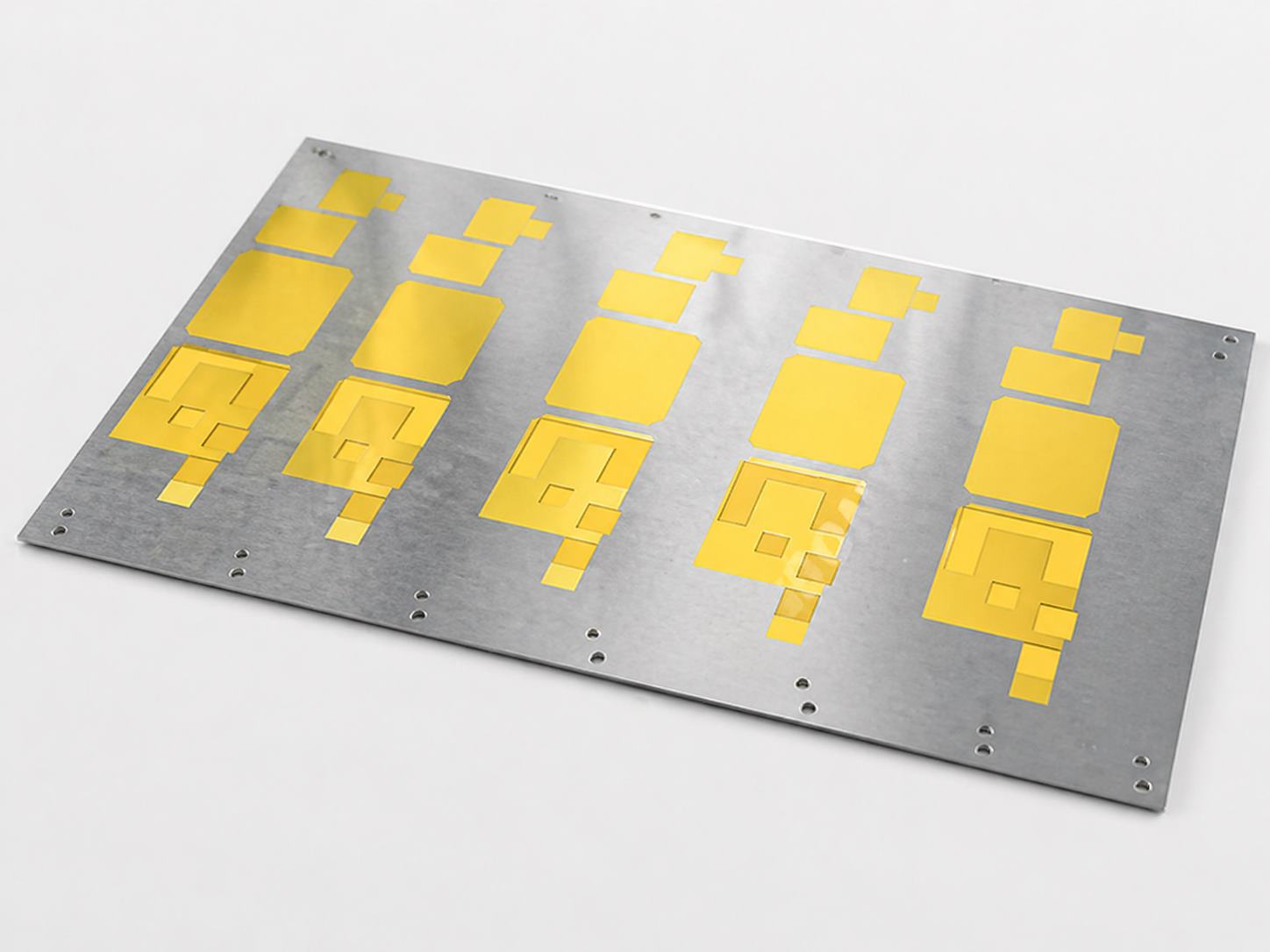
Localized electroplating represents a significant advancement in coating technology. This process allows me to apply metal coatings precisely where needed, enhancing both functionality and efficiency. The localized electroplating process involves several
Masking: I prepare the part by masking and conducting base material-specific preparatory steps for an adherent deposit.
Adding Power: I connect a portable power pack to provide the necessary direct current for plating.
Final Setup: I ensure readiness for plating by managing the movement of the plating tool and the part.
Plating the Deposit: I apply the metal deposit to the desired thickness using the portable method.
This method stands out for its flexibility and precision. Unlike traditional electroplating, which requires immersing the entire component in an electrolyte bath, localized electroplating uses a brush to apply the plating solution to specific areas. This targeted approach allows me to work on-site, making repairs and enhancements without the need for heavy machinery.
Selective Plating Technology
Selective plating technology enables me to apply metal plating to specific areas of a component. This method enhances functionality without the need for full surface coverage. For instance, I can target areas that experience wear due to exposure to harsh chemicals. The benefits of selective plating include:
Reduced material costs by using less plating material overall.
Increased efficiency and lower costs due to faster application compared to traditional methods.
Targeted enhancements, such as corrosion resistance or wear resistance, only where needed.
This technology is particularly advantageous for manufacturing needs that require precision and speed. It allows me to handle large components that cannot be plated using traditional electrolyte baths, making it a versatile solution.
Applications for Pre-Nickel Plated Steel Strip
The pre-nickel plated steel strip is a prime candidate for localized electroplating applications. I often use this material in the production of cylindrical battery cases. Its advantages include:
Improved coating adhesion and corrosion resistance.
Enhanced structural integrity of battery cases.
Better control over coating thickness and uniformity compared to post-nickel plating.
Utilizing pre-nickel plated steel strips reduces issues like uneven plating and surface damage. This approach not only improves the performance of the final product but also contributes to sustainability in manufacturing. Localized electroplating techniques enhance material and energy efficiency, significantly reducing waste generation compared to traditional processes. By minimizing the use of hazardous materials, I lower the environmental impact associated with electroplating.
Cost-Effective Strategies
Cost efficiency in the electroplating process is crucial for maximizing profitability. I focus on two main strategies: material optimization and parameter control.
Material Optimization
I can significantly reduce costs by optimizing the materials I use in the electroplating process. Here are some effective methods:
Closed-loop rinse systems: These systems minimize water usage and help conserve resources.
Advanced filtration techniques: They extend the lifespan of plating solutions, reducing the need for frequent replacements.
Drag-out reduction techniques: I implement these to minimize waste of valuable plating solutions.
Additionally, my choice of materials impacts overall costs. For instance, selecting cost-effective metals and additives can lead to substantial savings. The table below summarizes how different factors affect costs:
Factor | Impact on Cost |
|---|---|
Material Selection | Choosing cost-effective materials can significantly lower expenses. |
Metal Salt Selection | Using less expensive metals like zinc instead of precious metals reduces costs. |
Additive Selection | Efficient, low-cost additives minimize usage and material costs while ensuring quality. |
Recycling | Recovering metals from waste reduces raw material consumption and costs. |
Parameter Control in Electroplating
Controlling parameters during the electroplating process is essential for ensuring quality and cost efficiency. I focus on several key parameters:
Electrolyte Composition: Correct concentrations are vital for efficient resource and energy use. Improper concentrations can lead to poor metal deposition and the need for rework.
Temperature: This affects conductivity and current distribution. Higher temperatures can increase deposition rates, optimizing the process and reducing defects.
Current Density: This influences coating thickness and adhesion. I calculate it carefully to avoid defects and ensure optimal performance.
By monitoring these parameters closely, I achieve consistent thickness across jobs and orders. This consistency is critical for maintaining quality while keeping manufacturing costs low. Proper management of pretreatment, electrical conditions, bath chemistry, and temperature enhances component performance, durability, and appearance.
Through these strategies, I can effectively minimize material usage and costs while ensuring high-quality results in the electroplating process.
Successful Case Studies
Industry Examples
I have observed several companies successfully implementing localized electroplating techniques. One notable example is the Precision Plating Company. They leverage over a century of manufacturing expertise to tackle complex plating challenges. By adopting energy-efficient electroplating methods, they not only lower operational costs but also reduce their environmental impact. This approach has allowed them to enhance product quality while minimizing long-term expenses.
Another example involves the use of selective electroplating, also known as brush plating. This method enables on-site repairs, allowing for precise treatment of specific areas on components. It significantly reduces downtime and costs associated with traditional methods. I have seen how this technique allows manufacturers to restore critical dimensions and surface properties without extensive masking.
Key Takeaways from Implementations
From these successful implementations, I have identified several key takeaways:
Key Takeaway | Description |
|---|---|
Utilizing real-time localization technologies to optimize production processes. | |
Robust Systems | The need for systems that function effectively in challenging galvanic environments. |
Accurate Tracking | Benefits of precise tracking for capacity planning and process control. |
Additionally, I learned some best practices that emerged from these case studies:
Prepare the object surface to ensure it is ready for coating.
Pay close attention to the chemistry of the solutions used.
Monitor the age and quality of the electroplating bath.
Keep the bath depth consistent to maintain solution quality.
Maintain consistent temperatures during the plating process.
Use heat treatment after coating to enhance hardness.
These insights highlight the importance of precision and careful management in the electroplating process. By applying these lessons, I can improve my own practices and achieve better results in localized electroplating.
In summary, precision engineering significantly enhances localized electroplating. I can achieve high accuracy and efficiency while reducing costs. The techniques I discussed, such as selective plating and material optimization, lead to better resource management and lower waste.
Looking ahead, trends like early detection of bath drift and digital twin technology promise to further improve processes. These advancements ensure consistent deposit quality and reduce risks. I encourage you to explore these methods in your own practices. Embracing precision engineering can lead to substantial benefits in both quality and cost savings.
Trend Description | Impact |
|---|---|
Early detection of bath drift and predictive maintenance | Ensures consistent deposit quality and reduces waste. |
Computer vision for post-plating inspection | Increases inspection speed and accuracy, reducing manual errors. |
Digital twin technology | Allows for simulation and optimization of processes, reducing costs and risks. |
Localized electroplating as an additive manufacturing technology | Enables precise metal deposition for advanced manufacturing applications. |
Sustainable process rethinking | Integrates various aspects of electroplating for improved environmental impact. |
Embrace these innovations to stay competitive in the evolving manufacturing landscape!
FAQ
What is localized electroplating?
Localized electroplating allows me to apply metal coatings precisely where needed. This method enhances efficiency and reduces material waste compared to traditional electroplating techniques.
How does precision engineering improve electroplating?
Precision engineering enhances accuracy in electroplating processes. It ensures consistent thickness and quality, leading to better product performance and reduced rework.
What are the cost benefits of localized electroplating?
Localized electroplating minimizes material usage and operational costs. By targeting specific areas, I reduce waste and improve overall efficiency in the manufacturing process.
Can localized electroplating be automated?
Yes, I can integrate localized electroplating into automated systems. This adaptation allows for high-speed production while maintaining precision and quality.
What industries benefit from localized electroplating?
Industries such as automotive, electronics, and aerospace benefit significantly. They require precise coatings for components that must withstand harsh conditions and maintain high performance.
See Also
Revolutionary Tool-Free Selective Plating Boosts US Tech Production
Strategies to Lower Plating Mold Expenses for Electronics Makers
Innovative Die-Free Selective Plating Speeds Up Prototyping
Affordable Selective Plating Options for I/O Interface Solutions