
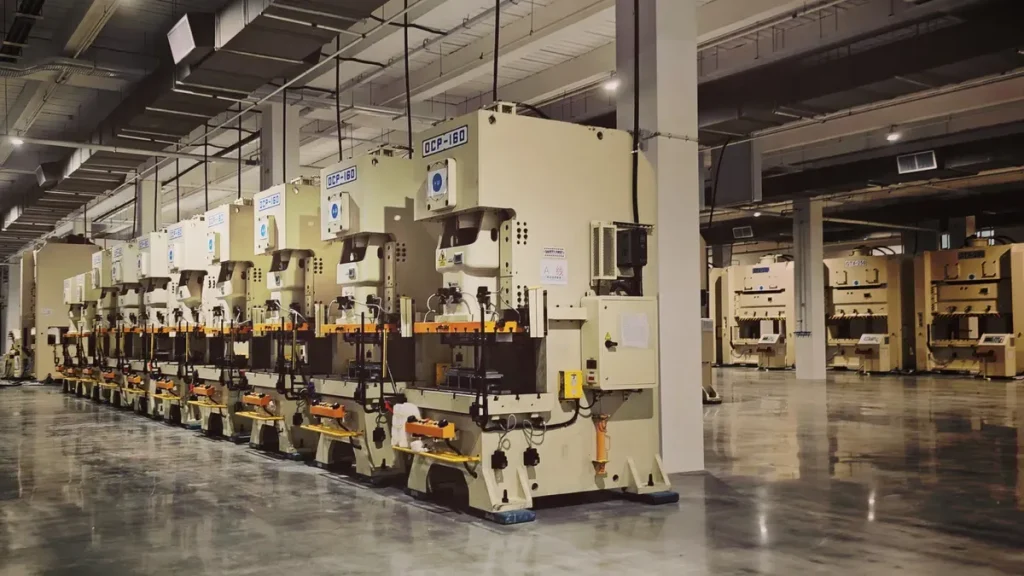
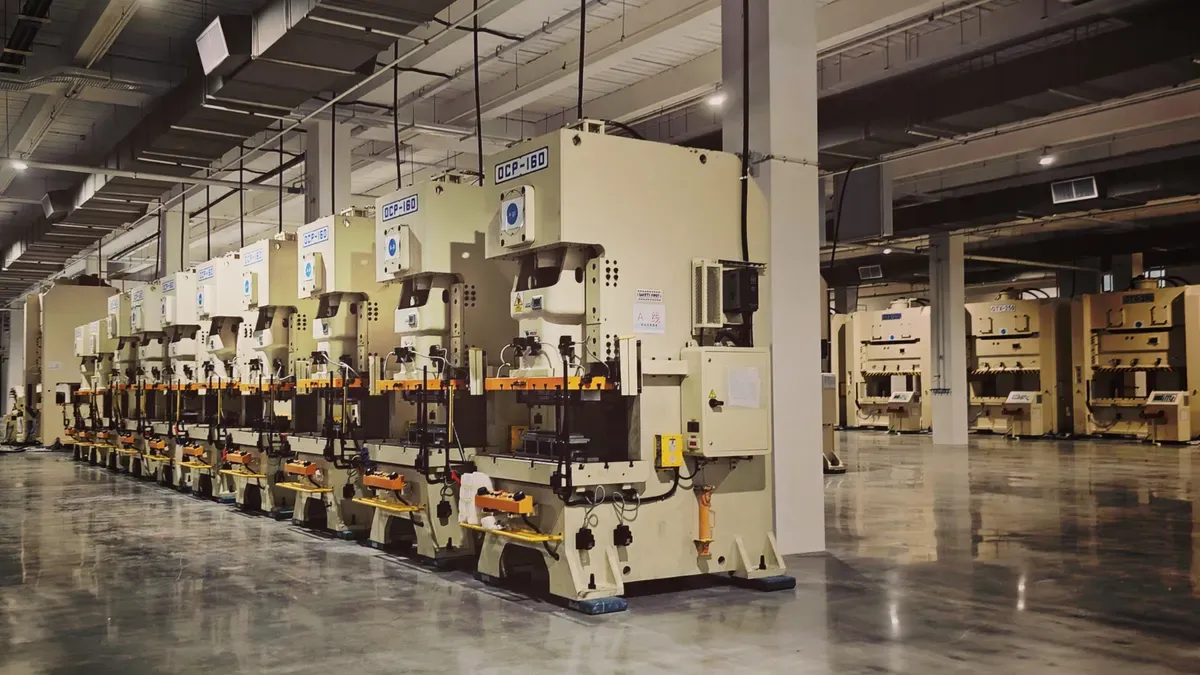
The selective electroplating process plays a crucial role in modern manufacturing, especially in the automotive sector. This method allows you to achieve ultra-high precision while significantly reducing costs. In automotive sensor terminals, where accuracy is vital, this process ensures that you only apply coatings where necessary. By minimizing waste and maximizing efficiency, selective electroplating transforms how you approach production, making it both economical and precise.
Key Takeaways
Selective electroplating applies metal coatings only where needed, reducing waste and costs significantly.
This process enhances precision, ensuring coatings meet strict automotive standards for quality and performance.
Advanced technologies like automation and masking improve consistency and accuracy in electroplating.
Selective electroplating can lead to a 40-60% reduction in precious metal usage, promoting sustainability in manufacturing.
The method is versatile and can be applied in various industries, making it a valuable solution for precision manufacturing.
Understanding Selective Electroplating Process

The Electroplating Mechanism
The selective electroplating process operates on several scientific principles that enhance its efficiency and precision. You can think of it as a method that selectively deposits metal onto specific areas of a substrate, rather than covering the entire surface. Here are the key mechanisms at play:
Selective Adsorption: Leveler molecules preferentially attach to areas with high current density. This means that edges and protrusions receive less metal deposition.
Forming a Resistive Barrier: The adsorbed layer acts like a thin film, increasing resistance in certain areas. This slows down metal ion deposition where it is not needed.
Current Redistribution: When some areas are blocked, the current flows to regions with lower resistance. This promotes uniform deposition across the surface.
Promoting Uniform Deposition: As a result, the coating thickness becomes more consistent, ensuring that functional areas receive the right amount of metal while non-functional areas remain untouched.
This mechanism provides significant advantages over traditional electroplating methods. In traditional processes, metal deposits cover the entire surface, leading to excess material usage and higher costs. The selective electroplating process, on the other hand, focuses on functional surfaces, which reduces waste and enhances efficiency.
Key Technologies in Selective Plating
Several advanced technologies contribute to the success of selective plating. These innovations ensure that you achieve high accuracy and uniformity in your electroplating projects. Here are some of the most important technologies:
Advanced Masking Techniques: These techniques enhance coating thickness and edge definition. They allow for precise metal deposition, which is crucial for achieving the desired accuracy in selective electroplating.
Automation: Automation plays a vital role in maintaining consistency. It allows for real-time adjustments to plating masks, aligning them with stamping dies. This reduces the chances of over-plating and misalignment, ultimately enhancing the accuracy of the process.
Process Control: The selective electroplating process employs sophisticated controls to monitor and adjust conditions. This ensures that the electroplating process remains stable and efficient, leading to high-quality results.
Quality Control Measures: Implementing strict quality control steps ensures that each part meets the required standards. For instance, meticulous cleaning removes residues that could distort the final surface appearance. Additionally, visual inspections help maintain the desired brightness and clarity of the coating.
By integrating these technologies, you can achieve remarkable results in selective electroplating. The combination of advanced masking, automation, and stringent quality control leads to a process that not only meets but often exceeds industry standards.
Advantages of Selective Plating
Cost Reduction and Efficiency
The selective electroplating process offers significant cost savings and efficiency improvements in manufacturing automotive sensor terminals. By focusing on specific areas that require metal coatings, you can drastically reduce the amount of precious metals used. Here are some key benefits:
Selective Au/Ag spot plating can reduce precious metal expenditures by 40-60%. This substantial reduction allows you to allocate resources more effectively.
The targeted application of coatings minimizes waste. You only use materials where they are necessary, enhancing resource efficiency.
A partnership with an electronics manufacturer led to a 45% reduction in gold usage without compromising conductivity. This demonstrates how selective plating not only saves money but also contributes to sustainability goals in automotive manufacturing.
These cost-saving mechanisms make selective plating an attractive option for manufacturers looking to optimize their production processes.
Precision and Tolerance Achievements
Precision is crucial in automotive applications, especially for sensor terminals. The selective plating method excels in achieving high levels of accuracy and quality. Here’s how it enhances the final product:
Selective plating improves the quality and performance of sensor terminals by applying conductive coatings specifically to contact areas. This targeted approach enhances conductivity, increases resistance to corrosion, and boosts durability, which are essential for reliable operation in challenging automotive conditions.
Moreover, the advanced technologies used in selective electroplating ensure that you achieve tight tolerances. The process allows for precise control over coating thickness and edge definition, which is vital for meeting the stringent requirements of automotive components. As a result, you can expect consistent quality and performance from each terminal produced.
Applications in Automotive Sensor Terminals

Case Study: MEMS Pressure Sensors
In the automotive industry, MEMS pressure sensors play a vital role in monitoring various parameters. These sensors require precise coatings to ensure optimal performance. Selective electroplating meets the specific needs of these sensors by enhancing conductivity and providing corrosion resistance.
For instance, a Tier 2 automotive supplier faced challenges with their pressure sensor terminals. They needed a solution that would not only meet strict dimensional tolerances but also reduce costs. By implementing selective electroplating, they achieved a significant reduction in gold usage while maintaining high conductivity. This approach allowed them to focus on the functional areas of the terminals, ensuring that only the necessary parts received the gold plating.
Performance Metrics and Results
To evaluate the effectiveness of selective electroplating in automotive sensor terminals, several performance metrics come into play:
Metric | Description |
|---|---|
Automated micrometer-level control for tight tolerances, ensuring optimal thickness specifications. | |
Electrical Conductivity | Silver (105% IACS) and Gold (70% IACS) options for ultra-low contact resistance and maximum signal integrity. |
Adhesion | Advanced pre-treatment ensures zero coating delamination, indicating flawless adhesion. |
Durability | Exceeds 96-hour salt spray testing for corrosion and tarnish resistance, ensuring long-lasting performance. |
These metrics demonstrate how selective electroplating enhances the reliability and longevity of automotive sensor terminals. By focusing on the specific requirements of these components, you can achieve superior performance while minimizing material waste.
Selective electroplating revolutionizes precision manufacturing in the automotive sector. This process allows you to apply coatings only where needed, significantly reducing material waste and costs. Key benefits include:
Enhanced corrosion resistance through phosphoric acid treatments.
Improved paint adhesion, leading to longer vehicle lifespans.
Compliance with regulatory frameworks promoting sustainable practices.
As technology advances, the demand for precise electroplating solutions will only grow. You can expect selective electroplating to become a standard in automotive manufacturing, ensuring high-quality components that meet modern demands.
FAQ
What is selective electroplating?
Selective electroplating is a process that deposits metal only on specific areas of a substrate. This method reduces material waste and enhances precision, making it ideal for applications like automotive sensor terminals.
How does selective electroplating save costs?
By applying coatings only where necessary, selective electroplating minimizes the use of precious metals. This targeted approach can lead to significant cost reductions, often between 40% to 60%.
What are the main benefits of selective electroplating?
Selective electroplating offers several advantages, including reduced material waste, improved precision, enhanced durability, and lower production costs. These benefits make it a preferred choice in automotive manufacturing.
How does selective electroplating ensure precision?
The process utilizes advanced masking techniques and automated controls to achieve tight tolerances. This ensures that coatings are applied accurately, meeting the stringent requirements of automotive components.
Can selective electroplating be used for other applications?
Yes, selective electroplating is versatile. It can be applied in various industries, including electronics, medical devices, and aerospace, wherever precision and cost-effectiveness are essential.
See Also
Innovative Plating Solutions for German Automotive and Industrial Connectors
Precision Metal Etching at ±0.005mm for Semiconductor Uses
Selective Plating Services for South Korean EV and Semiconductor Connectors
U.S. Selective Plating for AI Chips and Medical Connectors
Continuous Selective Plating Techniques for 0.009mm Gold Strips