
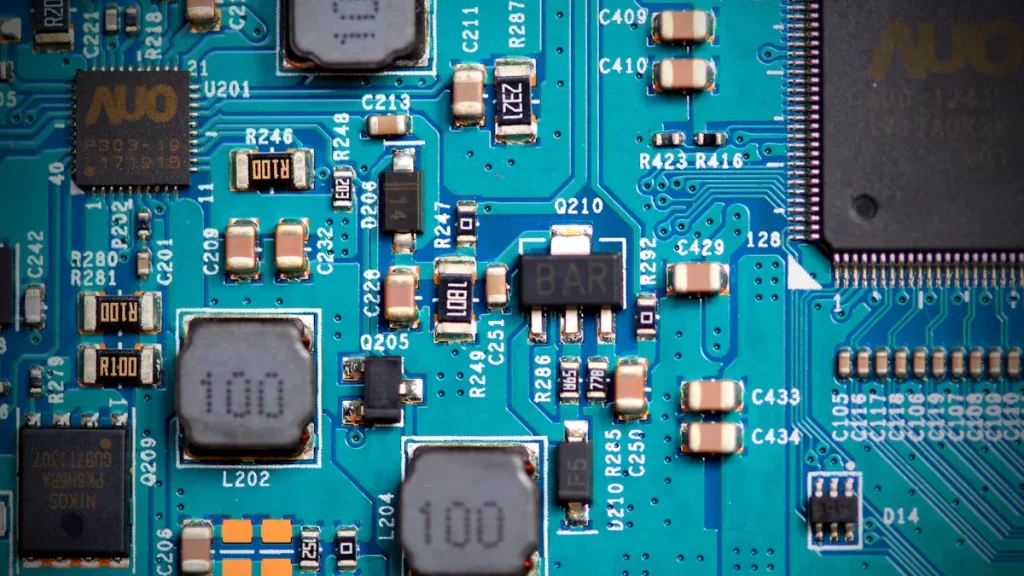
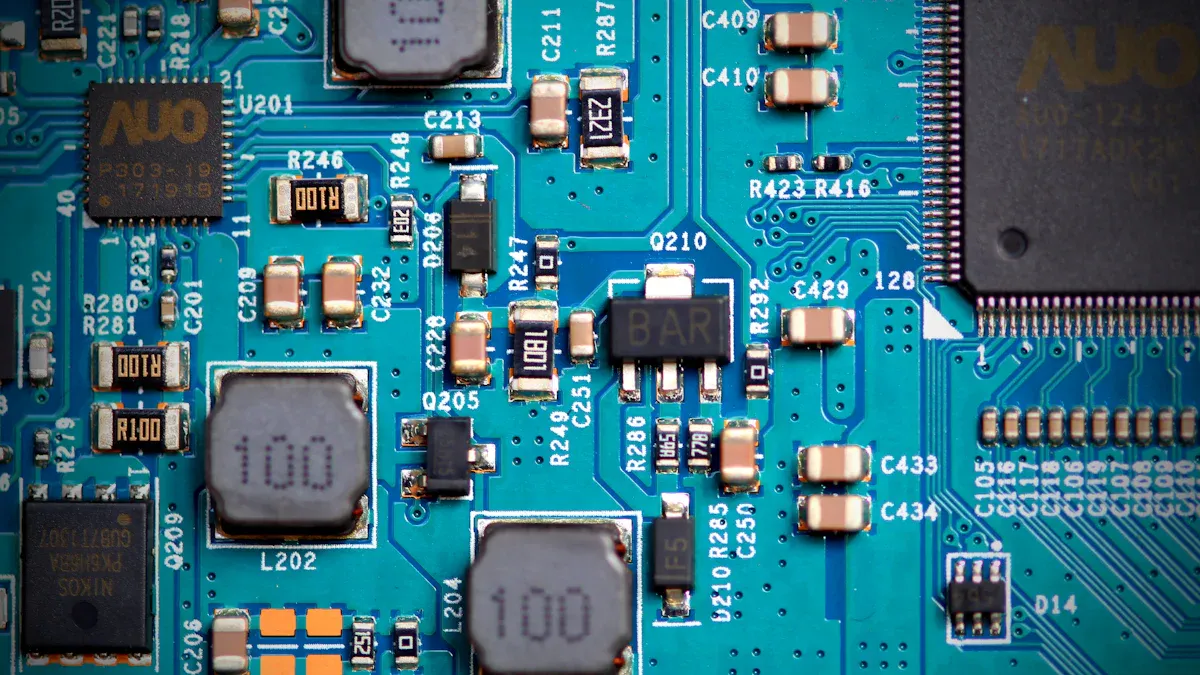
Selective electroplating is a precise method that applies a thin layer of metal to specific areas of electronic components. This technique enhances the performance and durability of these components. In the electronics industry, selective electroplating plays a crucial role by reducing costs, improving reliability, and ensuring high dimensional accuracy. You can achieve significant benefits by using selective electroplating for electronic components, such as minimizing material waste and enhancing conductivity.
Key Takeaways
Selective electroplating allows precise metal application, enhancing performance and durability in electronic components.
This method reduces costs by minimizing material waste, applying metal only where needed, which optimizes expensive resources.
Selective electroplating improves reliability through advanced testing and real-time monitoring, ensuring consistent quality.
Industries like automotive and consumer electronics benefit significantly from selective electroplating, enhancing conductivity and corrosion resistance.
Following a structured electroplating process ensures high-quality results, leading to reliable and efficient electronic components.
What is Selective Electroplating?
Benefits of Selective Electroplating
Selective electroplating offers numerous advantages that make it a preferred choice in the manufacturing of electronic components. Here are some key benefits:
Precision:
Selective electroplating allows for precise application of metal coatings, achieving tolerances as tight as 0.01mm. This level of accuracy is crucial for complex geometries found in modern electronic components.
The method provides corrosion resistance and wear performance, enhancing reliability for precision components.
You can expect more uniform thickness, which is vital for maintaining precision in intricate designs. Typical coating thickness ranges from 0.0001 in. to 0.001 in., allowing for tight tolerances in design.
By minimizing material waste, selective electroplating significantly reduces costs. You only apply metal where it is functionally needed, which optimizes the use of expensive materials.
This method enhances manufacturing efficiency by ensuring that precious or base metal coatings are applied precisely to targeted areas, reducing unnecessary material usage.
Reliability:
Selective electroplating improves the reliability of electronic components. Advanced testing and analysis capabilities ensure that plated components meet performance, durability, and appearance standards.
Real-time inspection and monitoring throughout the plating process lead to consistent and repeatable results. This integration of automation and advanced chemistry control ensures optimal coverage and functionality.
Methodology Type | Selective Electroplating | Traditional Electroplating |
|---|---|---|
Surface Coverage | Applies plating only to functional surfaces | Coats the entire surface of a part |
Cost Efficiency | Reduces costs by minimizing unnecessary plating | Generally higher costs due to full coverage |
Protection of Critical Areas | Protects critical areas from unwanted deposits | No specific focus on critical areas |
Applications in High-Speed Connectors and Automotive Electronics
Selective electroplating finds extensive applications in high-speed connectors and automotive electronics.
High-Speed Connectors:
In high-speed connectors, such as USB-C and HDMI, selective electroplating deposits gold only on contact areas. This optimizes contact stability, solderability, and cost control. Gold plating provides excellent oxidation resistance and stable contact resistance, making it suitable for high-reliability applications.
Automotive Electronics:
In automotive electronics, selective electroplating enhances electrical conductivity, corrosion resistance, and durability of components. This method allows for precise control over the plating thickness and chemistry, ensuring that only critical areas receive enhancements. This optimization improves performance without compromising other parts.
By leveraging selective electroplating, you can achieve a balance of precision, cost-effectiveness, and reliability in your electronic components.
The Electroplating Process

Preparation and Application
The electroplating process involves several key steps that ensure the successful application of metal coatings on electronic components. Here are the main steps you should follow:
Mechanical Pre-Treatment: Start with grinding and polishing to create a smooth surface.
Chemical Cleaning: Use degreasing and pickling to remove contaminants.
Surface Activation: Apply acidic solutions like hydrochloric or sulfuric acid to eliminate oxide films. This step is crucial for proper adhesion of the plating.
Galvanic Bath: Immerse the components in an electrolytic bath where metal ions deposit onto the surface.
Rinsing: Thoroughly rinse the components to remove any residual chemicals.
Post-Treatment: Apply processes like passivation or chromating to enhance durability.
Material selection plays a significant role in the electroplating process. You must choose materials that maintain the integrity of functional areas. Effective masking strategies preserve these areas, ensuring that only the necessary surfaces receive plating. This approach leads to cleaner and more repeatable results.
Post-Plating Treatments
After the plating process, you should implement several treatments to ensure the quality and durability of the components. Common post-plating treatments include:
Surface Treatments: These enhance the finish and protect against corrosion.
Tarniban-Evabrite: This treatment prevents tarnishing of the plated surface.
Reflow: This process improves the adhesion of the plating.
Coatings: Applying protective coatings can further enhance durability.
Testing for reliability is essential. You should conduct various tests to ensure that the plated components meet performance standards. This includes checking for corrosion resistance and verifying that the plating adheres properly to the substrate.
By following these steps in the electroplating process, you can achieve high-quality, reliable electronic components that meet the demands of modern applications.
Industrial Applications and Case Studies
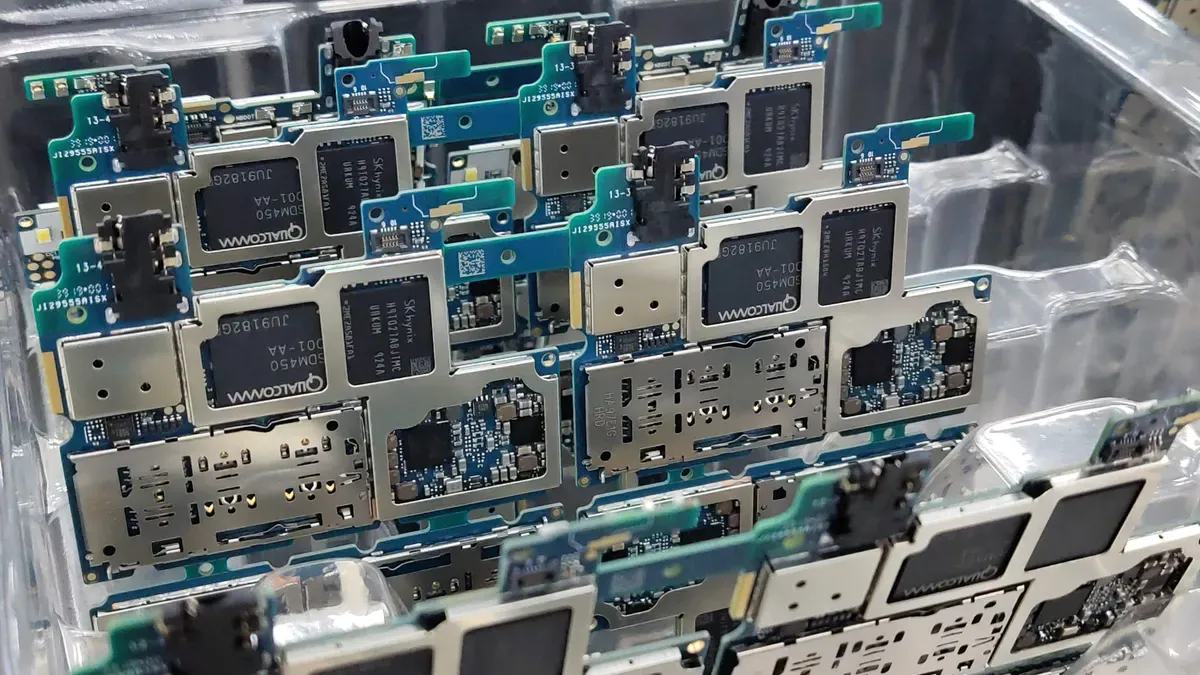
Selective electroplating has proven its value in various industrial applications, particularly in the manufacturing of electronic components. Here are some real-world examples that highlight its effectiveness:
A global electronics manufacturer collaborated with Precious Plate to enhance selective gold plating on high-density connector contacts. This partnership led to:
Maintenance of plating accuracy within a micron tolerance.
A decrease in production cycle time by 15%.
Near-zero rework rates.
These improvements demonstrate how selective electroplating can optimize production processes while maintaining high standards.
Challenges Faced and Solutions Implemented
While selective electroplating offers numerous benefits, it also presents challenges in industrial settings. Here are some common challenges and how manufacturers have addressed them:
Challenge | Description |
|---|---|
Competing reactions | Competing reactions can compromise the efficiency of metal recovery, especially in complex industrial effluents with multiple metal species. |
Limited selectivity | Selective recovery of specific high-value metals is difficult due to limited selectivity between similar metals like copper and zinc, or nickel and cobalt. |
Energy consumption | Maintaining optimal conditions often requires additional energy input, with power density typically ranging from 0.5-5 W/m², which can be insufficient for large-scale applications. |
Electrode material limitations | Carbon-based electrodes are commonly used but have limited conductivity and durability. Novel materials show promise but face scalability and cost barriers. |
System stability and longevity | Microbial communities in bioelectrochemical systems (BES) are sensitive to fluctuations in pH, temperature, and toxic compounds, requiring years of consistent operation for industrial applications. |
Scaling challenges | Transitioning to industrial scales introduces issues with mass transfer limitations, uneven current distribution, and increased internal resistance. |
Regulatory and economic barriers | The lack of standardized performance metrics and high capital costs create uncertainty for potential adopters, although this gap is narrowing. |
To overcome these challenges, manufacturers have developed several solutions:
Solution Type | Description |
|---|---|
These techniques optimize coating thickness and edge definition, ensuring precision in plating. | |
Custom Tooling and Fixturing | Ensures exact location control for plated features, enhancing accuracy in the electroplating process. |
Integration with Automation | Supports consistent production quality at scale, improving efficiency in manufacturing. |
Environmental Efficiencies | Achieved through minimized bath contamination and extended chemistry life, promoting sustainability. |
Cost Efficiencies | Reduces waste and overall costs by optimizing the plating process, making it economically viable. |
These solutions demonstrate how the industry adapts to challenges, ensuring that selective electroplating remains a viable option for enhancing electronic components.
Selective electroplating plays a vital role in enhancing electronic components. This method allows you to deposit metal precisely where needed, improving performance and reliability. Here are some key impacts of selective electroplating:
It enhances performance by allowing precise metal deposition only where needed.
It improves reliability and cost-efficiency by optimizing material usage.
The technology meets the tight tolerance, conductivity, and durability standards required for modern consumer electronics.
Benefit | Description |
|---|---|
Selective electroplating enhances the electrical conductivity of components, leading to better performance. | |
Corrosion Resistance | Coatings from electroplating protect base metals from corrosive elements, extending their lifespan. |
Restoring Dimensions | Electroplating can add metal to worn parts, effectively restoring their original dimensions. |
As you explore the future of electronic components, consider how selective electroplating can drive innovation and efficiency in your designs.
FAQ
What is selective electroplating?
Selective electroplating is a process that applies metal coatings only to specific areas of electronic components. This method enhances performance while minimizing material waste and costs.
How does selective electroplating improve reliability?
Selective electroplating improves reliability by ensuring precise metal deposition. This process enhances conductivity and corrosion resistance, leading to longer-lasting electronic components.
What industries benefit from selective electroplating?
Industries such as consumer electronics, automotive, and telecommunications benefit from selective electroplating. It optimizes performance in high-speed connectors and critical electronic components.
Can selective electroplating reduce production costs?
Yes, selective electroplating reduces production costs by minimizing material waste. You only apply metal where necessary, which lowers the overall expenses associated with precious metals.
What are the key steps in the electroplating process?
The key steps include mechanical pre-treatment, chemical cleaning, surface activation, immersion in a galvanic bath, rinsing, and post-treatment. Each step ensures high-quality metal coatings.
See Also
Selecting The Best Plating Service For Your Connectors
The Impact Of Selective Electroplating On Lead Frame Quality
Moldless Plating Solutions For India’s Electronics And OEM Connectors
Moldless Plating Services For South Korea’s EV And Semiconductor Connectors
Continuous Moldless Selective Plating For Gold On Thin Strips