
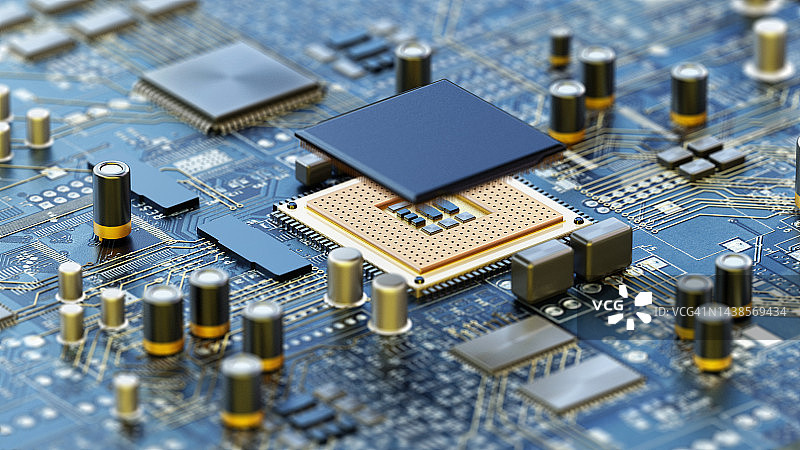
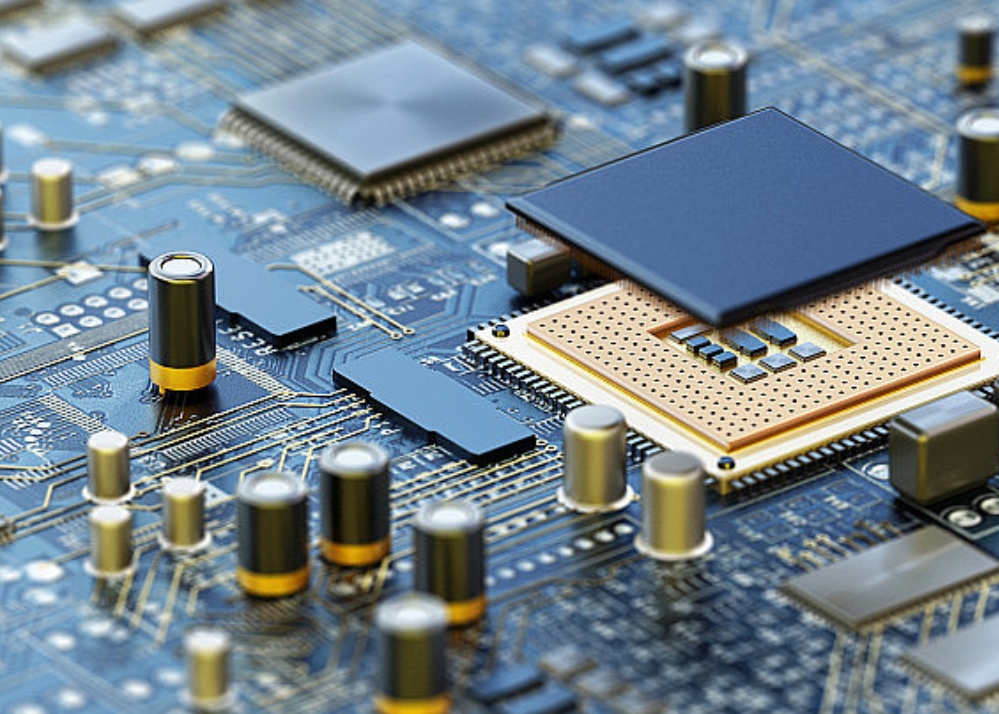
Electroplating for Electronics: 0.01mm Precision + 47% Lower Cost — A Real Mass Production Case plays a crucial role in electronics manufacturing. It enables you to achieve remarkable 0.01mm precision in component fabrication. This level of accuracy is essential for creating reliable electronic devices. Moreover, electroplating for electronics can reduce costs by 47%. Such advancements are vital for mass production, allowing manufacturers to enhance efficiency while maintaining quality.
Key Takeaways
Electroplating achieves 0.01mm precision, essential for reliable electronic devices.
This process can reduce production costs by up to 47%, enhancing manufacturing efficiency.
Electroplating improves electrical conductivity and corrosion resistance, extending the lifespan of components.
Advanced technologies like CNC machining and precision strip plating ensure high-quality results.
Sustainable practices in electroplating support eco-friendly manufacturing in the electronics industry.
Electroplating Overview
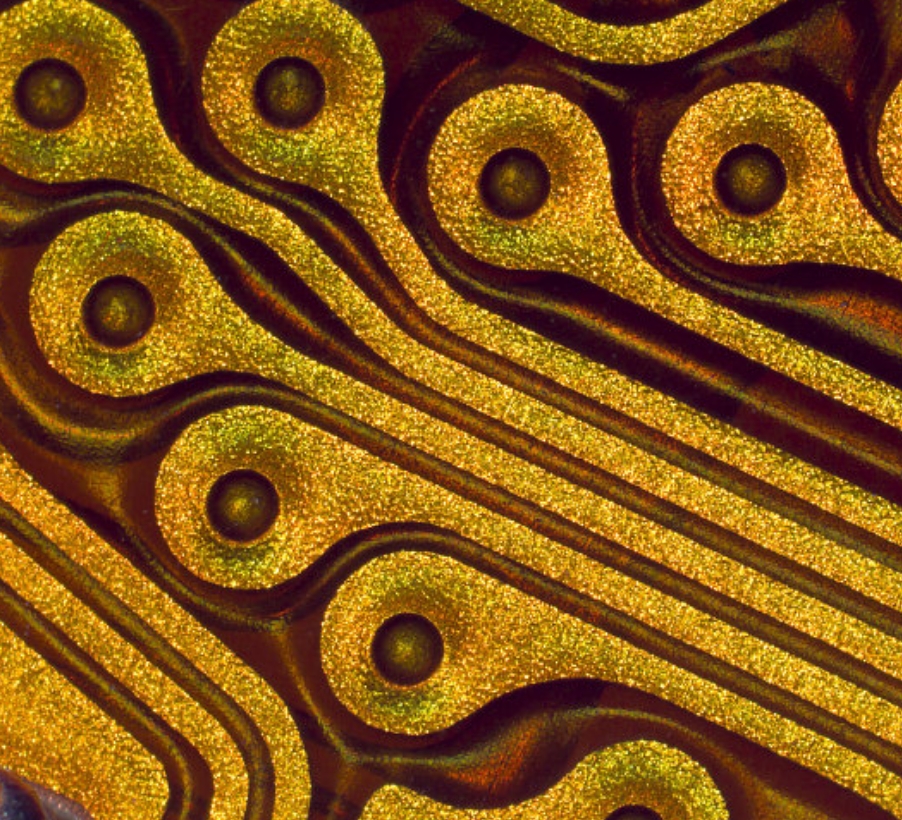
Electroplating is an electrochemical process that coats a metal object with a thin layer of another metal. This technique plays a vital role in electronics manufacturing. It enhances the aesthetic appearance, resistance to corrosion, and durability of essential electronic components. You can find electroplating applied in various ways, such as plating connectors, printed circuit boards (PCBs), and other components with metals like gold, silver, or copper. These metals improve electrical conductivity and ensure reliable connections between components.
Process and Benefits
The electroplating process involves several steps. First, you prepare the surface of the object to ensure proper adhesion. Next, you immerse the object in an electrolyte solution containing metal ions. An electric current then flows through the solution, causing the metal ions to deposit onto the object’s surface. This method offers numerous benefits for both plastic and metal parts:
Enhanced corrosion and chemical resistance, even in aggressive environments.
Increased electrical and thermal conductivity, crucial for electronic and EMI/EMC applications.
Superior surface hardness and wear resistance, improving overall mechanical strength.
Effective shielding against radio frequency interference (RFI) and electromagnetic interference (EMI).
Eye-catching decorative finishes for consumer products.
For plastic parts, electroplating changes their ordinary appearance, giving them a metallic luster. This not only makes them visually appealing but also extends their life by preventing damage from external factors. The process achieves metal-like properties while saving on production costs.
Applications in Electronics
Electroplating finds extensive applications in the electronics industry. It improves the performance and longevity of devices like smartphones and computers. By providing a protective layer, electroplating maintains functionality and efficiency in environments with high humidity or varying temperatures. The process also enhances conductivity, ensuring efficient current transfer and reduced resistance, which is essential for the durability of electronic parts.
Achieving 0.01mm Precision
Technologies for Precision
Achieving high precision in electroplating requires advanced technologies. These technologies ensure that you meet the stringent demands of the electronics industry. Here are some key methods that contribute to this precision:
High-Precision Strip Plating: This method allows for tightest tolerances through fixed-geometry processing. It uses engineered multi-layer finishes and micro-scale deposition, ensuring continuous verification of quality.
Precision Strip Plating: This technique provides tighter tolerances by maintaining fixed part orientation. It ensures uniform deposit thickness and accurate selective boundaries, which are crucial for electronic components.
Electroless Nickel Plating (ENP): ENP achieves micron-level precision. Its autocatalytic process guarantees consistent deposition, which is vital for tolerance-critical parts. This method eliminates variability in the coating, ensuring that components fit together seamlessly.
The importance of precision in electronic components cannot be overstated. High-precision components enhance the reliability and performance of devices. You rely on these components to function correctly in various environments, from consumer electronics to industrial applications.
Role of CNC Machining
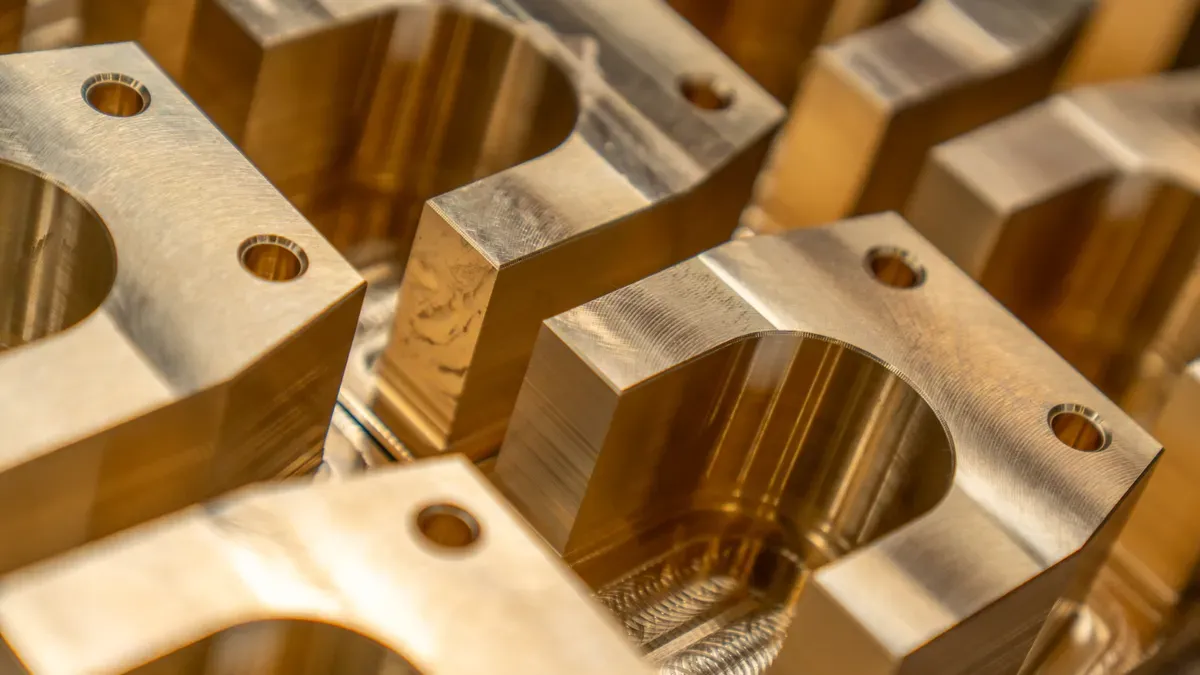
CNC machining plays a significant role in achieving the precision you need for electroplating. This technology allows manufacturers to create components with tolerances as tight as ±0.01mm. Such precision is critical for the reliability of high-tech devices. Here are some ways CNC machining contributes to this process:
It produces high-quality surface finishes essential for electronic components.
CNC machining enables the creation of complex geometries that traditional methods may struggle with.
Black electroless nickel plating, a compatible finish, preserves precision. Unlike thicker coatings, it maintains the integrity of precision-machined threads and fits.
To ensure the highest quality, manufacturers implement rigorous quality control measures. They monitor bath chemistry, maintain equipment, and conduct thickness and uniformity checks. Non-destructive testing methods, such as Automated Optical Inspection and X-ray Inspection, help identify defects early in the process.
Cost Reduction in Mass Production
Electroplating significantly reduces costs in mass production, making it an attractive option for manufacturers. You can achieve a remarkable 47% cost reduction through various factors that enhance efficiency and minimize waste.
Economic Benefits
The economic advantages of electroplating in large-scale electronics production are substantial. Here are some key benefits:
Benefit | Description |
|---|---|
Cost-effectiveness | Nickel electroplating provides a reliable and cost-effective solution in manufacturing. |
Enhanced durability | It improves the lifespan of components, reducing the need for replacements. |
Improved conductivity | Enhances electrical performance, crucial for electronics. |
Restoration of parts | Allows for the refurbishment of worn components, minimizing waste. |
Additionally, copper electroplating is recyclable and widely available. This supports sustainable manufacturing practices, which are increasingly important in the electronics sector. You can also consider the following points:
Copper offers excellent performance at a lower cost compared to precious metals.
It balances economic efficiency with high performance, making it ideal for high-volume production.
Its recyclability supports sustainable practices in manufacturing.
Comparison with Traditional Methods
When comparing electroplating with traditional methods, you will notice several advantages. The integration of modern technologies leads to significant cost savings. Here are some factors contributing to the 47% reduction in costs:
Waste treatment and recycling systems: Efficient systems recover and recycle materials, minimizing raw material purchases and waste disposal expenses.
Advancements in rectifier technology: Modern switch-mode rectifiers improve energy efficiency, reducing operational costs significantly.
Energy efficiency: Newer systems consume less power, which is crucial for large-scale operations.
Automation: Modern plating equipment design focuses on reducing operational costs through automation, which lowers labor costs.
Process monitoring: Real-time monitoring systems help reduce rejects and rework, leading to lower costs per unit.
Automation enhances process efficiency, leading to lower production costs. It reduces waste and improves quality consistency, which are critical for cost management in electronics manufacturing. Real-time monitoring and adjustments result in lower chemical consumption and reduced scrap and rework. AI-driven control systems can detect issues earlier than manual methods, preventing costly production errors. Predictive maintenance and defect detection contribute to maintaining consistent quality, essential for reducing costs in long production runs.
By adopting electroplating, you can achieve high-volume production with precision while enjoying significant cost savings.
Real-World Case Study
Case Study Overview
A leading electronics manufacturer recently implemented electroplating to enhance the quality of their components. They aimed to improve durability and conductivity while reducing production costs. The company focused on plating connectors and circuit boards, which are critical for device performance. By adopting electroplating, they sought to achieve higher precision and efficiency in their manufacturing process.
Results and Insights
The results of this case study were impressive. The manufacturer reported a significant increase in the lifespan of their components. They also noted improved electrical performance, which is essential for modern electronics. The integration of electroplating led to a reduction in production costs by approximately 47%. This cost-saving allowed the company to invest in further innovations.
However, the implementation process was not without challenges. The team encountered issues such as substrate variability and inconsistent cleaning. They addressed these challenges through several solutions:
Challenge | Solution |
|---|---|
Substrate variability | Standardization of expectations and improved control of incoming materials. |
Inconsistent cleaning | Enhanced monitoring of cleaning processes and routine testing to ensure thorough cleaning. |
Effective chemical activation | Close collaboration with suppliers to standardize practices and improve cleaning efficiency. |
These proactive measures ensured that the electroplating process met the high standards required for electronics components. Overall, the case study demonstrates how electroplating can transform manufacturing processes, leading to enhanced product quality and significant cost reductions.
Electroplating vs. Precision Metal Stamping
Electroplating and precision metal stamping serve different purposes in electronics manufacturing. Understanding their key differences helps you choose the right method for your projects.
Key Differences
Electroplating involves applying a thin layer of metal onto a surface through an electrochemical process. This method enhances the properties of components, such as electrical conductivity and corrosion resistance. In contrast, precision metal stamping shapes metal sheets into specific forms using dies and presses. This method is ideal for producing high volumes of identical parts quickly.
Here are some advantages of electroplating:
Improves electrical conductivity without altering the base metal.
Enhances corrosion resistance in challenging environments.
Increases surface hardness and wear resistance while maintaining a machinable core.
Creates a more reliable surface for soldering, bonding, or further finishing.
On the other hand, precision metal stamping offers benefits like:
High-speed production of complex shapes.
Consistent quality and dimensional accuracy.
Lower material waste due to efficient cutting processes.
When to Use Each Method
You should consider using electroplating when you need to enhance the surface properties of components. If your project requires improved conductivity or corrosion resistance, electroplating is the better choice. This method is particularly useful for electronic connectors and circuit boards, where performance is critical.
Precision metal stamping is ideal for high-volume production of parts with consistent shapes. If you need to produce large quantities of components quickly and cost-effectively, this method is more suitable. It works well for items like brackets, housings, and other structural components.
Electroplating significantly enhances precision and reduces costs in electronics manufacturing. You benefit from improved electrical conductivity, corrosion resistance, and extended operational lifespan of components. Here’s a summary of the key benefits:
Benefit | Description |
|---|---|
Enhanced Electrical Conductivity | Gold plating improves the conductivity of electronic components, ensuring better performance. |
Corrosion Resistance | The chemical inertness of gold prevents oxidation and degradation of contacts, enhancing durability. |
Extended Operational Lifespan | Components with gold plating have a longer lifespan, leading to reduced maintenance costs. |
Cost Efficiency | Gold plating contributes to lower total ownership costs by minimizing replacements and upkeep. |
These advancements are crucial for future mass production strategies. Companies must adopt eco-friendly plating technologies to meet regulatory demands and customer preferences. As the demand for high-quality electronics rises, electroplating will play a vital role in driving the industry’s future.
FAQ
What is electroplating?
Electroplating is an electrochemical process that deposits a thin layer of metal onto a surface. This technique enhances properties like conductivity, corrosion resistance, and aesthetics in electronic components.
How does electroplating improve durability?
Electroplating creates a protective layer that shields components from environmental factors. This layer increases resistance to wear and corrosion, extending the lifespan of electronic parts.
Can electroplating be applied to plastic?
Yes, electroplating can be applied to plastic parts. The process enhances their appearance and provides metal-like properties, improving durability and resistance to damage.
What are the main metals used in electroplating?
Common metals used in electroplating include gold, silver, nickel, and copper. Each metal offers unique benefits, such as improved conductivity or corrosion resistance.
How does electroplating reduce production costs?
Electroplating reduces production costs by minimizing material waste, enhancing component durability, and allowing for the refurbishment of worn parts. Automation further streamlines the process, lowering labor costs.
See Also
Strategies to Lower Plating Mold Expenses for Electronics Makers
The Impact of Selective Electroplating on Lead Frame Excellence
Moldless Selective Plating Solutions for Indian Electronics and OEMs
Selecting the Best Selective Plating Service for Connectors
Moldless Selective Plating Options for German Automotive and Industrial OEMs