
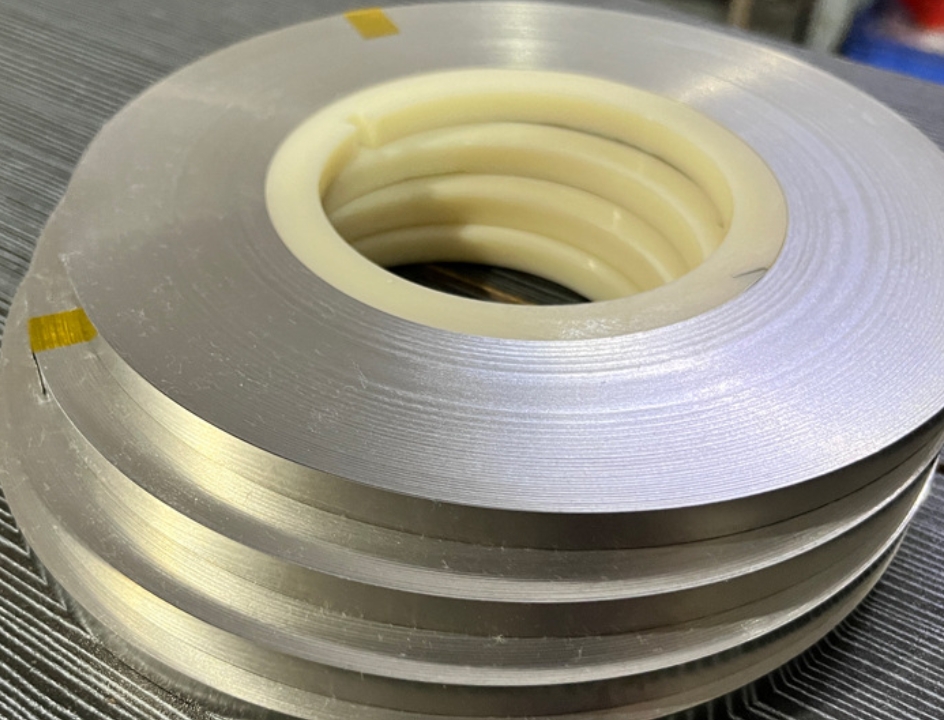
Electroplating technology involves depositing a layer of metal onto a surface through an electrochemical process. This technique significantly enhances the properties of materials, making them stronger, more conductive, and resistant to corrosion. You can find electroplating in various industries, including:
Aerospace: Coating fasteners and steel bolts with chromium for durability.
Automotive: Producing chrome bumpers and metal components for vehicles.
Jewelry: Enhancing the durability and visual appeal of jewelry pieces.
Medical: Gold plating for dental inlays and devices.
Electrical: Coating solar and electrical components to improve conductivity.
The global electroplating market was valued at USD 21.9 billion in 2025 and is projected to grow at a CAGR of 4.6% from 2026 to 2035, reaching approximately USD 34.5 billion by 2035.
Key Takeaways
Electroplating enhances materials by adding a metal layer, improving strength, conductivity, and corrosion resistance.
Industries like automotive, aerospace, and electronics rely on electroplating for durable and efficient components.
Quality control is vital in electroplating; regular monitoring and automated systems help maintain high standards.
Electroplating is cost-effective, offering savings in manufacturing while providing aesthetic appeal to products.
Environmental regulations are crucial; understanding and managing pollutants from electroplating processes is essential for compliance.
Electroplating Overview
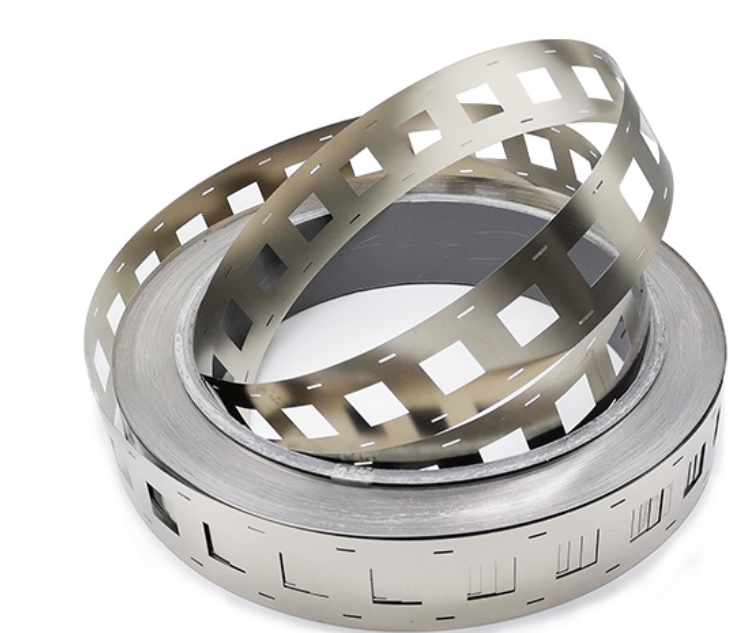
The Electroplating Process
Electroplating technology involves several fundamental steps that ensure a successful metal deposition on a substrate. Here’s a breakdown of the process:
Surface Preparation: You must meticulously clean the substrate to remove oils, dirt, and oxides. This step ensures excellent adhesion of the metal layer.
Setting Up Electrolytic Cell: Place the substrate, known as the cathode, and the metal anode in an electrolyte bath containing dissolved metal ions.
Electric Current Application: Once you switch on the current, positively charged metal ions migrate towards the cathode. They undergo reduction and deposit as a thin metallic layer.
Thickness Control: The duration and strength of the current influence the coating’s thickness and uniformity.
Finishing: After plating, rinse and dry the part. You may apply further polishing or other treatments to enhance its appearance.
The electroplating process relies on several scientific principles. The anode serves as the positively charged electrode, oxidizing and dissolving into the electrolyte. This action provides metal ions for plating. The cathode, your negatively charged substrate, attracts metal cations, where they are reduced and deposited as a metal layer. The electrolyte solution contains metal salts that dissociate into ions, creating a conductive medium and a source of metal for plating. A power source supplies the necessary electric current to drive these electrochemical reactions.
Common materials used as substrates in electroplating include:
Copper
Brass
Aluminum
Steel
Ceramics
For plating metals, you often find:
Gold
Nickel
Chrome
Zinc
Quality control measures play a crucial role in ensuring consistency during the electroplating process. Automated systems minimize human error by monitoring bath temperature and solution agitation. Regular cleaning of plating tanks prevents contamination, while monthly checks on anodes ensure consistent metal ion release. Calibration of monitoring tools, visual inspections, and microsection analysis help maintain quality standards.
Recent innovations in electroplating technology have improved efficiency and quality. For instance, switch-mode rectifiers are now smaller and more efficient than traditional systems. They provide cleaner DC output with reduced ripple. Energy efficiency improvements have also reduced operational costs significantly. Enhanced electrical contact systems use spring-loaded contact saddles to maintain electrical integrity, improving plating quality.
Applications of Electroplating Technology
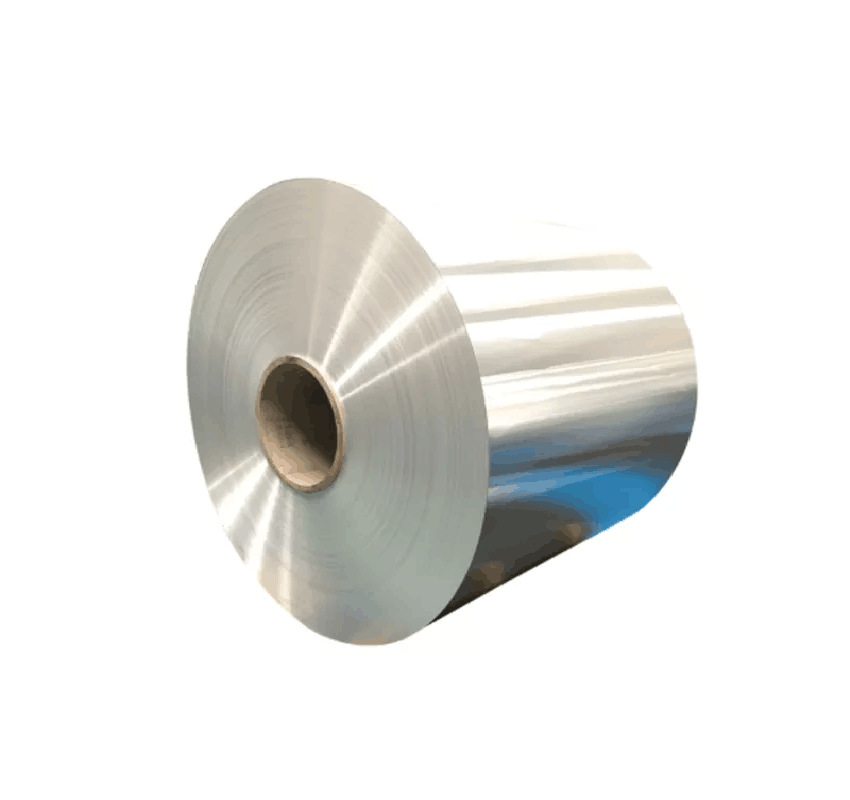
Automotive Industry
Electroplating technology plays a vital role in the automotive sector. You can find it in various applications that enhance both functionality and aesthetics. Here are some key applications:
Application Type | Description |
|---|---|
Chrome Bumpers | Widely produced using electroplating technology by leading car manufacturers. |
Metal Components | Various metal components are crafted through electroplating processes. |
Custom Parts for Prototypes | Electroplating is utilized to create custom parts for prototype vehicles. |
Vehicle Customization | Restoration shops apply finishes like chrome and nickel to automotive parts. |
Electroplating provides several benefits for automotive components. It offers corrosion resistance, protecting parts from environmental degradation. You will also notice improved wear life, which enhances the durability of parts subjected to mechanical stress. Additionally, electroplating maintains electrical conductivity, ensuring optimal performance of electrical components.
Electronics Industry
In the electronics industry, electroplating technology is essential for producing reliable and efficient components. You will find it used in various applications, including:
Component Type | Purpose |
|---|---|
Printed Circuit Boards (PCBs) | |
Connectors | Provide low-resistance, high-reliability connections |
Contacts | Ensure excellent solderability with tin |
Electroplating significantly impacts the conductivity and reliability of electronic devices. For instance, gold plating minimizes resistance at connection points, enhancing electrical conductivity. Gold’s chemical inertness prevents oxidation and sulphidation, preserving contact integrity. This corrosion resistance is crucial for applications where reliability is essential, such as medical devices.
Jewelry and Decorative Items
Electroplating technology also shines in the jewelry and decorative items sector. You can enhance the visual appeal of base metals by applying a thin layer of gold, resulting in a luxurious finish. This method is cost-effective compared to using solid gold, allowing for a similar aesthetic at a fraction of the price.
The most popular metals used for electroplating in this sector include:
Gold and gold alloys
Silver
Rhodium
Electroplating not only improves the appearance of jewelry but also provides improved resistance to corrosion and wear. This quality is essential for maintaining the longevity of jewelry and decorative items.
Advantages of Electroplating
Enhanced Durability
Electroplating technology significantly boosts the durability of products. By applying a thin layer of metal, you create a protective barrier against wear and corrosion. This enhancement is crucial for items exposed to harsh environments, such as automotive parts and electronic components. You can expect longer-lasting products that require less frequent replacement, ultimately saving you money in the long run.
Cost-Effectiveness
Electroplating offers substantial cost savings in manufacturing processes. For instance, a customer who upgraded from older SCR rectifier technology to modern switch-mode rectifiers saw annual savings of approximately $15,000. This upgrade reduced energy consumption and allowed for more efficient power conversion, directly lowering electricity costs.
Here’s a quick comparison of cost factors between electroplating and alternative methods:
Method | Cost Factors | Notes |
|---|---|---|
Electroplating | – Metal salts prices | High costs due to material and waste treatment requirements. |
– Need for waste treatment | Handling heavy metals increases operational costs. | |
– Electrical rectifiers | Adds to operating costs. | |
– Coating thickness | Thicker layers require more time, energy, and materials. | |
E-coating | – Higher initial setup costs | Requires dip tanks, filtration systems, and curing ovens. |
– Cost-efficient for mass production | Low material waste and uniform coverage lead to savings in large-scale applications. |
Aesthetic Appeal
Electroplating enhances the visual appeal of consumer products. It provides an attractive and durable finish that can imitate solid precious metals. This quality is especially important in industries like jewelry and home décor, where aesthetics matter. The growing demand for visually appealing products drives the popularity of decorative electroplating.
You can find electroplated items in various forms, from fashion accessories to automotive finishes. Consumers increasingly prefer products that not only look good but also offer functional benefits like wear resistance and surface protection. This trend highlights the importance of electroplating technology in meeting market demands.
Challenges of Electroplating
Environmental Concerns
Electroplating processes can pose significant environmental challenges. You should be aware of various pollutants that can arise from these operations. Here’s a summary of the main types of pollutants:
Type of Pollutant | Description |
|---|---|
Air emissions | Acid mists, metal vapours, and volatile organic compounds (VOCs) |
Effluents/wastewater | Rinse water contaminated with heavy metals, acids, alkalis, and cyanide |
Sludge/solid waste | Precipitated metal hydroxides and wasted bath residues |
Soil contamination | From leaks, spills, or inappropriate disposal of hazardous waste |
Human health risks | Carcinogenic exposure and respiratory problems |
Ecosystem damage | Bioaccumulation and aquatic toxicity |
Regulatory non-compliance | Fines, shutdowns, and legal action |
Corporate reputation loss | Environmental violations and public attention |
Regulations exist to control these impacts. For example, the Electroplating Effluent Guidelines established by the EPA limit discharges from electroplating facilities. These guidelines focus on pollutants like cyanide, lead, and chromium, ensuring that facilities operate within safe limits.
Technical Limitations
You may encounter several technical limitations when working with electroplating technology. Common issues include:
Defects such as poor adhesion and uneven thickness
Variability in base metal composition and treatment processes
These factors can affect the quality of the final product. Additionally, the interaction of multiple metallic deposits in a single system can complicate the plating process. You must ensure that cleaning and activation cycles are effective to achieve the desired deposit quality.
Cost Factors
Cost factors also play a crucial role in electroplating operations. Key expenses include:
Need for proper waste treatment
Costs associated with electrical rectifiers
Thickness of the coating applied
Fluctuations in raw material prices can significantly impact your overall costs. For instance, rising silver prices can lead to increased production costs, affecting the pricing of electroplated products. In the solar panel sector, silver paste costs can account for 10-15% of total cell costs. Each 10% increase in silver prices can result in a 1-2% rise in cell costs.
Understanding these challenges can help you make informed decisions about electroplating processes and their implications for your projects.
Electroplating technology plays a crucial role in modern manufacturing. It enhances durability, improves corrosion resistance, and increases conductivity across various industries. As demand rises in sectors like automotive and electronics, you can expect continued growth in electroplating applications.
However, challenges such as environmental regulations and operational difficulties may impact industry adoption. Here’s a quick comparison of the benefits and challenges:
Benefits of Electroplating | Challenges of Electroplating |
|---|---|
Improved corrosion resistance | Environmental regulations |
Enhanced surface durability | Capital intensity |
Increased conductivity | Operational difficulties |
Critical for automotive, electronics, and aerospace | Compliance costs slow down scalability for smaller facilities |
As you explore electroplating technology, consider both its advantages and challenges. This balanced view will help you appreciate its significance in shaping the future of manufacturing.
FAQ
What is electroplating?
Electroplating is a process that deposits a layer of metal onto a surface using an electrochemical reaction. This technique enhances the material’s properties, such as corrosion resistance and conductivity.
What metals are commonly used in electroplating?
Common metals used in electroplating include gold, silver, nickel, chrome, and zinc. Each metal serves specific purposes, such as improving aesthetics or enhancing durability.
How does electroplating improve product quality?
Electroplating improves product quality by providing a protective layer that resists wear and corrosion. This process also enhances electrical conductivity and aesthetic appeal, making products more durable and visually appealing.
Are there environmental concerns with electroplating?
Yes, electroplating can produce pollutants, including heavy metals and chemical waste. Regulations exist to manage these impacts, ensuring facilities operate within safe limits to protect the environment.
How can I ensure quality in electroplating?
To ensure quality in electroplating, maintain strict process controls. Regularly monitor bath conditions, clean tanks, and inspect the substrate. Implementing automated systems can also help minimize human error.
See Also
Die-Free Selective Plating Enhances Prototyping Efficiency
Exploring Roll-to-Roll Etching Benefits for Future Electronics
Spot Gold Plating on 0.009mm Strips Using Moldless Techniques
Selecting the Best Service for Your Connectors’ Plating Needs
Enhancing Lead Frame Quality Through Selective Electroplating