
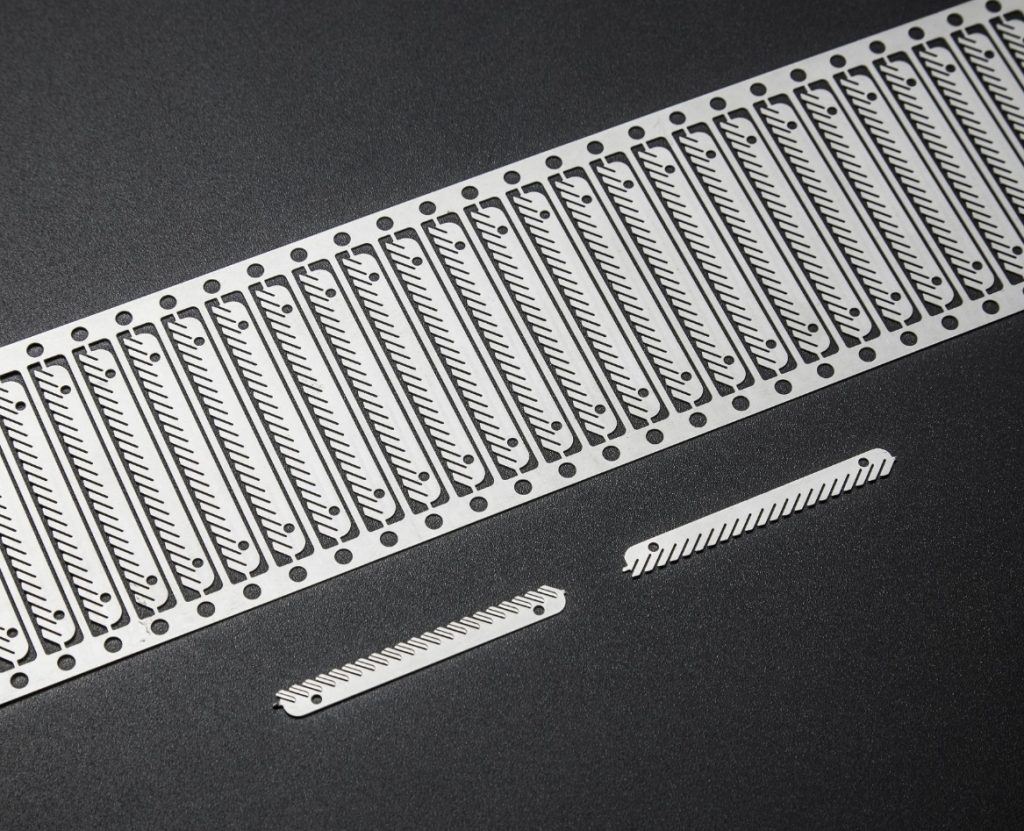
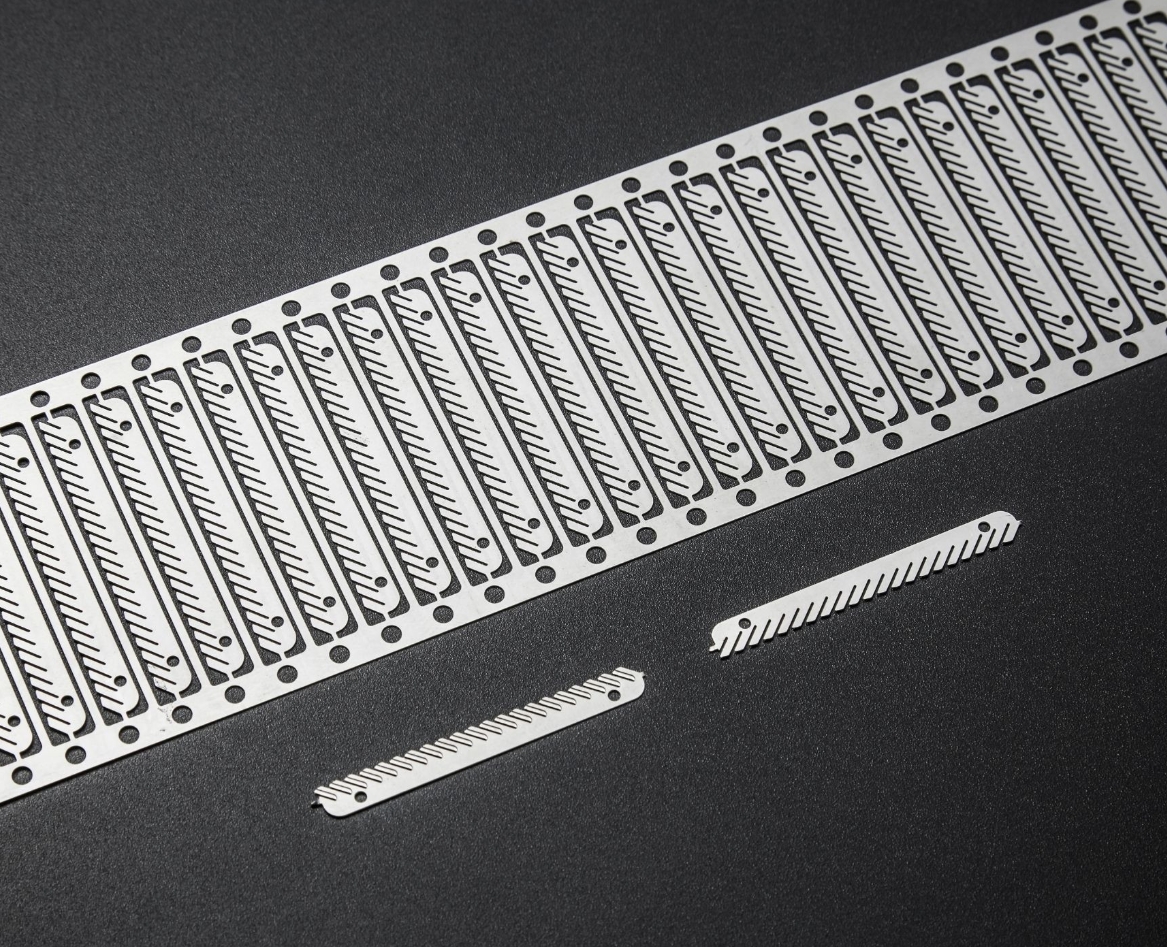
Electroplating technologies play a crucial role in modern manufacturing. They enhance product quality and extend the lifespan of various components. Recent advancements have made these technologies more efficient. For instance, facilities now utilise robotic handling systems and precision chemical dosing. These innovations significantly improve production efficiency. You might wonder how these changes affect industries such as automotive and electronics. The promotion of the electroplating market hinges on these developments, pushing manufacturers towards smarter, more sustainable practices.
Key Takeaways
Electroplating enhances product quality and lifespan, making it essential in industries like automotive and electronics.
Recent advancements, such as automation and nanocrystalline coatings, improve efficiency and performance in electroplating processes.
Emerging markets present growth opportunities for electroplating, especially in automotive and aerospace sectors.
Sustainable practices and eco-friendly alternatives are crucial for reducing environmental impact in electroplating operations.
Staying informed about regulatory compliance is vital for navigating challenges and ensuring operational success in the electroplating industry.
Electroplating Technologies
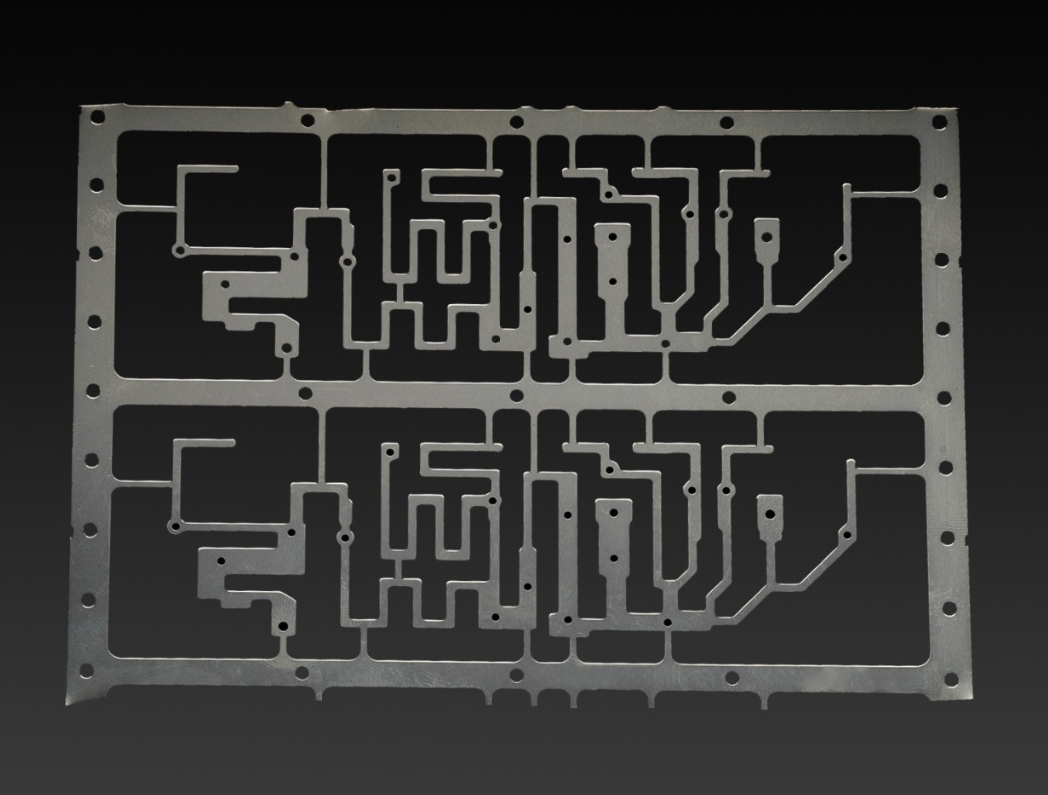
Traditional Methods
Electroplating has a rich history, with several traditional methods still in use today. These techniques have proven effective for various applications. Here’s a quick overview of some common methods:
Electroplating Method | Common Metals Used | Typical Applications |
|---|---|---|
Electroplating | Gold, Nickel, Chrome, Zinc | Electronics, Jewelry, Decorative Coatings |
Electroless Plating | Nickel-phosphorus, Copper | Military Equipment, PCB Manufacturing |
Immersion Plating | Tin, Silver | Food Packaging, Jewelry |
Mechanical Plating | Nickel, Copper | Adapted for certain plastics and metals |
These methods enhance the durability and corrosion resistance of products. You can see how they play a vital role in industries like electronics and jewellery.
Advanced Techniques
Recent advancements in electroplating techniques have revolutionised the industry. These modern methods improve upon traditional practices, offering enhanced performance and efficiency. Here are some key benefits of advanced techniques:
Technique | Benefit |
|---|---|
Electrical Control | Ensures even deposition and uniform thickness of plating material. |
Chemical Control | Monitors bath chemistry for uniform plating quality. |
Agitation Systems | Ensures even coating distribution and prevents defects. |
Temperature Regulation | Maintains optimal temperature for consistent plating properties. |
Automation | Reduces operator intervention and improves consistency. |
Customisable Solutions | Tailored to meet specific application needs across various industries. |
These advancements significantly enhance corrosion protection and wear resistance. For example, in the automotive sector, they improve the longevity of components. In aerospace, they provide high-performance coatings for critical parts.
Nanocrystalline coatings exhibit substantially improved hardness, wear resistance, and corrosion performance compared to conventional deposits of the same metal.
By embracing these advanced techniques, you can ensure that your products not only meet but exceed industry standards for durability and performance.
Applications and Benefits
Automotive Industry
Electroplating plays a vital role in the automotive sector. It enhances both the performance and longevity of vehicle components. You benefit from improved corrosion resistance, which protects parts from environmental damage. For instance, nickel plating acts as a protective barrier, preventing copper from direct exposure to oxygen and moisture. This process helps maintain electrical conductivity and structural integrity in critical components.
Moreover, nickel’s resistance to thermal cycling ensures that parts can withstand extreme temperatures. This quality is crucial for applications in automotive engines and industrial machinery. The mechanical strength provided by nickel plating also ensures that printed circuit boards (PCBs) can endure physical stresses over time. As a result, you can trust that electroplated components will perform reliably throughout the life of the vehicle.
Electronics and Electrical Components
In the electronics industry, electroplating significantly contributes to the reliability and functionality of various components. The process not only improves the aesthetic appearance of products but also enhances their durability. Here are some key benefits:
Protective Barrier: Electroplating forms a durable outer layer that shields the underlying material from environmental exposure, helping resist corrosion and extending lifespan.
Aesthetic Appeal: Thin layers of precious metals improve shine and visual appeal, often used in decorative finishes to prevent tarnishing.
Aspect | Description |
|---|---|
Protective Barrier | Electroplating forms a durable outer layer that shields the underlying material from environmental exposure, helping resist corrosion and extending lifespan. |
Aesthetic Appeal | Thin layers of precious metals improve shine and visual appeal, often used in decorative finishes to prevent tarnishing. |
Electroplating also enhances the performance of electronic devices. For example, decorative plating on plastics has advanced to meet design and durability requirements in automotive interiors. Compared to painted surfaces, plated plastics offer superior durability and aesthetics that last throughout the vehicle’s lifetime. By forming a strong adhesive bond between the substrate and metallic layers, electroplated plastics maintain their depth, luster, and physical integrity even after repeated handling and environmental exposure.
Decorative Applications
Electroplating offers a range of benefits in decorative applications. You will find that it enhances surface finish and provides versatility in visual effects. These attributes not only improve the aesthetic appeal of products but also contribute to their durability. This combination of aesthetics and performance is particularly appealing to consumers in industries like automotive and electronics, where the final appearance is as critical as the product’s functionality.
Promotion of the Electroplating Market
Growth Drivers
Several factors drive the growth of the electroplating market. Understanding these drivers helps you appreciate the market’s dynamics. Here are some key growth drivers:
Growth Driver | Description |
|---|---|
Increasing Demand from Automotive Industry | The automotive sector is a significant driver, with over 85 million vehicles produced globally, emphasising corrosion resistance and aesthetic appeal. |
Innovations like pulse plating and automated systems enhance efficiency and reduce waste, with global investment projected at $1.2 trillion. | |
Growth in Electronics and Electrical Equipment | The electronics sector is expected to exceed $2 trillion in revenue, driven by demand for consumer electronics requiring electroplated components. |
Additionally, regulatory phase-outs of hexavalent chromium are pushing the industry towards safer alternatives. For instance, California has implemented strict deadlines for compliance, prompting manufacturers to adopt eco-friendly practices.
Emerging Markets
Emerging markets present significant opportunities for the electroplating industry. Regions such as South Africa, the UAE, and Egypt are expanding their automotive and aerospace sectors. These areas face challenges, including high capital expenditure and inconsistent regulatory frameworks. However, they also offer opportunities in lightweight metal coatings for electric vehicles.
You can expect that the Australian electroplating market will see substantial growth due to investments in research and development exceeding AUD 600 million. These investments drive innovations that enhance efficiency and align with sustainability goals.
Competitive Landscape
The competitive landscape of the electroplating market is evolving rapidly. Key trends include:
A focus on automation, sustainability, and advanced technologies.
Integration of automated plating technologies and environmentally efficient processing systems.
Investments in modernised production capabilities to enhance quality and competitiveness, especially in emerging markets.
Major players in the market include Atotech, MacDermid Enthone, and JCU Corporation. These companies compete with regional specialists, focusing on process automation, coating precision, and environmental compliance. Currently, the top five companies control about 34% of the market.
You will notice a shift towards intelligent manufacturing platforms and sustainable solutions. Current trends include the adoption of digitally controlled, automated production environments. Technologies like AI-enabled bath chemistry management and robotic handling systems are becoming standard. Emerging technologies, such as pulse electroplating and closed-loop electrolyte recovery systems, are enhancing production efficiency.
By understanding these growth drivers, emerging markets, and the competitive landscape, you can better navigate the promotion of the electroplating market and identify potential opportunities for your business.
Advancements in Electroplating
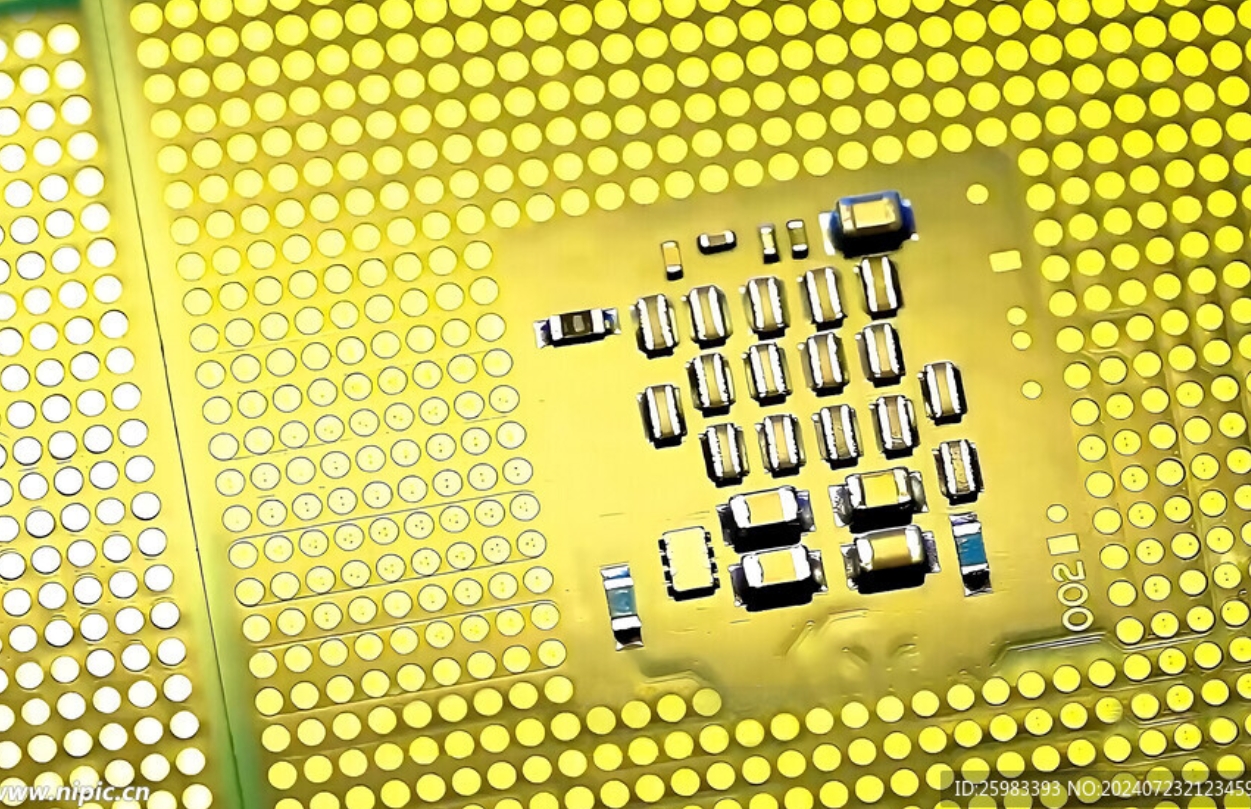
Innovations in Materials
Recent innovations in materials have significantly enhanced electroplating processes. You can expect to see several exciting developments:
Cyanide-Free Plating: Manufacturers are moving towards safer alternatives, such as alkaline non-cyanide systems and ionic liquid-based electrolytes. These options reduce health risks while maintaining performance.
Nanocrystalline Coatings: Coatings with grain sizes below 100 nanometers provide improved hardness and wear resistance compared to traditional deposits. This advancement ensures longer-lasting products.
Composite Electroplating: This method incorporates various particles into the metal matrix. It allows for tailored properties, such as enhanced lubricity and wear resistance.
Pulse and Reverse-Pulse Plating: These techniques improve control over the plating process. They enhance precision, especially in applications like electronics.
Digital Technology Integration: Real-time monitoring and AI-driven control systems are transforming operations. This integration leads to better quality and efficiency.
These innovations not only improve the performance of electroplated products but also contribute to the overall promotion of the electroplating market.
Automation and Process Improvements
Automation has revolutionised electroplating operations, enhancing efficiency and consistency. Modern rectifiers now integrate with automation systems. This integration allows for tighter process control and remote monitoring. You benefit from precise control of each plating cell, which is crucial for automated finishing lines.
Here are some key advantages of automation in electroplating:
Improved Precision: Modern rectifiers control each plating cell individually, enhancing precision.
Consistent Quality: Automated recipes prevent over-plating, ensuring adherence to specifications for every part.
Optimised Chemical Consumption: Automation helps prevent over-adds, reducing waste and costs.
Reduced Scrap and Rework: This saves valuable time and money, allowing your technicians to focus on critical tasks.
Additionally, sustainable practices are becoming more prevalent. Innovations like low-temperature plating and improved heating systems help reduce the carbon footprint. By adopting these advancements, you can ensure your electroplating processes are both efficient and environmentally friendly.
Environmental Considerations
Waste Management
Effective waste management is crucial in electroplating facilities. You can adopt several strategies to minimise environmental impact. Here are some common approaches:
Strategy | Description |
|---|---|
Reducing Hazardous Chemicals | Focus on minimising or eliminating hazardous chemicals in processes, including formulations with lower toxicity. |
Waste Treatment and Recycling | Implement methods to treat and recycle waste, reducing overall waste generation. |
Utilise processes that consume less energy, contributing to sustainability. | |
Regulatory Compliance | Adhere to environmental management systems to ensure compliance with regulations. |
By implementing these strategies, you can significantly reduce waste and enhance your facility’s sustainability.
Regulatory Compliance
Regulatory compliance plays a vital role in the operations of electroplating companies. You must navigate various requirements to ensure your facility meets environmental standards. Here are some impacts of compliance:
Evidence Type | Description |
|---|---|
Increased operational costs | Compliance with environmental standards has led to higher energy and operational costs for plating facilities. |
Need for skilled labour | The process requires experienced technicians, increasing labour costs due to training and retention challenges. |
Decline in industry numbers | Many smaller companies have closed due to compliance costs, leading to fewer suppliers and longer lead times. |
Rising insurance premiums | Businesses must carry specialist insurance, with premiums increasing due to stricter compliance expectations. |
Increased waste disposal costs | Compliance requires safe disposal of hazardous materials, leading to higher waste management expenses. |
These factors highlight the importance of staying informed about regulations and adapting your operations accordingly.
Eco-friendly Alternatives
You can explore several eco-friendly alternatives to traditional electroplating methods. These options effectively maintain plating quality while significantly reducing environmental impact. For instance, innovations in electroless nickel plating focus on minimising toxic chemicals, implementing waste recovery systems, and utilising energy-efficient processes.
Additionally, advanced ion exchange systems, electrodialysis, and reverse osmosis systems are becoming popular. These technologies help you achieve sustainable practices while ensuring high-quality electroplated products. By embracing these alternatives, you contribute to a greener future for the electroplating industry.
In summary, advancements in electroplating technologies significantly promote market growth. You benefit from improved efficiency, enhanced durability, and aesthetic appeal across various industries. However, challenges persist, such as increasing regulatory requirements and the need for sustainable practices.
Consider the implications of these technologies in your field. Embracing eco-friendly alternatives and efficient processes can lead to a more sustainable future for the electroplating industry.
Stay informed and adapt to these changes to remain competitive in this evolving market.
FAQ
What is electroplating?
Electroplating is a process that uses electrical current to deposit a layer of metal onto a surface. This technique enhances the appearance, corrosion resistance, and durability of various materials.
What industries benefit from electroplating?
You will find that industries such as automotive, electronics, aerospace, and jewellery benefit significantly from electroplating. Each sector relies on the process for improved performance and aesthetic appeal.
Are there eco-friendly alternatives to traditional electroplating?
Yes, several eco-friendly alternatives exist. These include cyanide-free plating methods, electroless nickel plating, and advanced recycling systems. These options reduce environmental impact while maintaining quality.
How does automation improve electroplating processes?
Automation enhances precision, consistency, and efficiency in electroplating. It reduces human error, optimises chemical usage, and ensures uniform coating, leading to higher quality products.
What are the main challenges facing the electroplating industry?
The electroplating industry faces challenges such as regulatory compliance, rising operational costs, and the need for sustainable practices. Adapting to these challenges is crucial for long-term success.
See Also
Strategies to Minimise Plating Mold Expenses for Electronics
Moldless Selective Plating Solutions for Indian Electronics Producers
Selecting the Ideal Selective Plating Service for Connectors
The Impact of Selective Electroplating on Lead Frame Quality
Moldless Selective Plating for Saudi Arabia’s Vision 2030 EV Connectors