
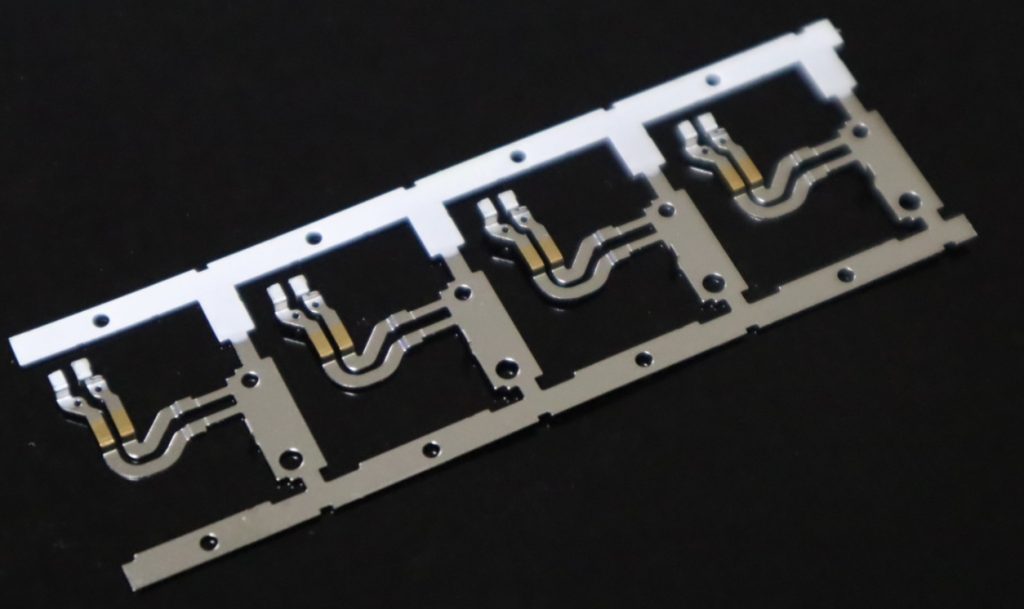
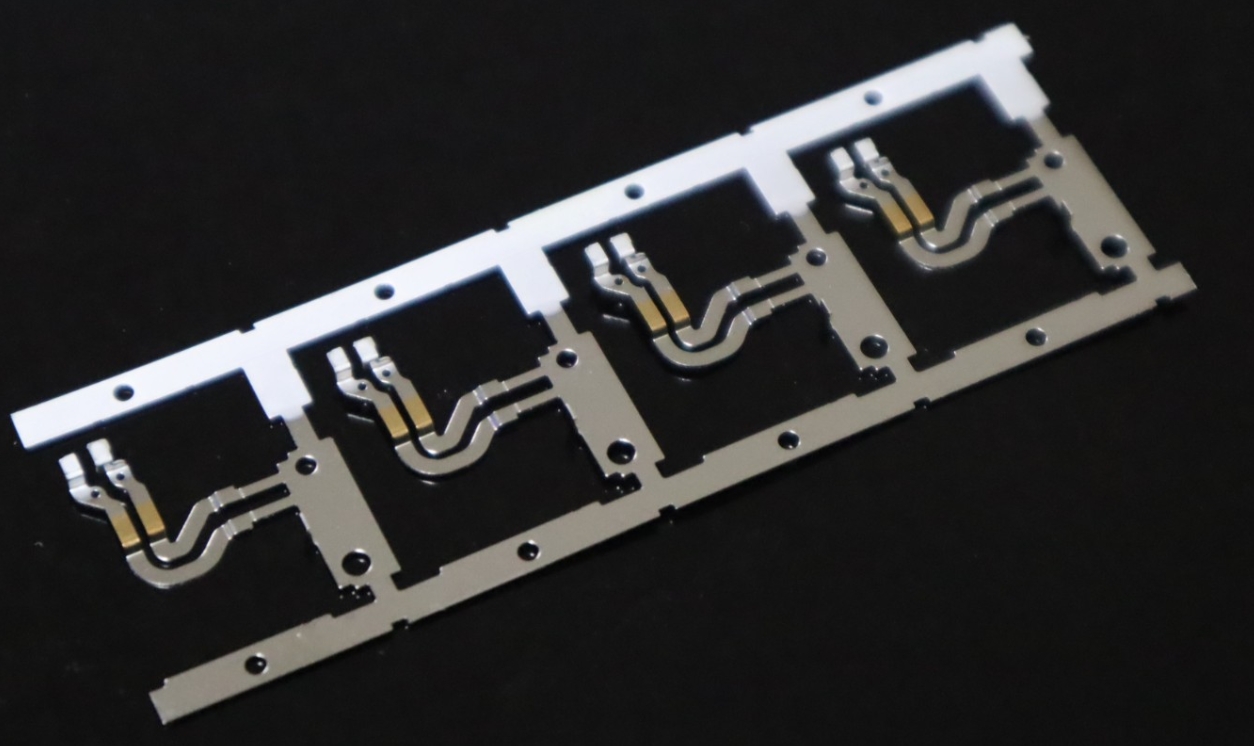
Precision Technology Electroplating is important because it creates exact, high-performing metal coatings. This advanced process supports numerous industries that require strict precision and reliable performance. By utilizing Precision Technology Electroplating, consistent and high-quality results are achieved. Understanding the science behind this method is essential for maintaining total control over the process.
Key Takeaways
Electrochemistry uses power. It moves metal ions. It makes exact protective coatings.
Clean the surface well. This makes the new metal coating stick. It stops peeling.
Control the electricity. This makes smooth, even layers. It stops surface problems.
Smart industries use exact electroplating. It stops rust. It makes electricity flow better.
Electrochemistry: Redox Reactions and Ion Dynamics
Electrochemistry is the main science behind precision electroplating. It shows how electricity helps move metal ions. These ions go from a liquid onto a surface. This makes a thin, exact layer. This electric process is key to getting perfect results. The science behind it controls how good the coating is. It also controls what it looks like.
Oxidation and Reduction in Plating
Oxidation and reduction are key to electroplating. These actions involve moving electrons.
Oxidation happens when an atom loses electrons. Its oxidation number goes up.
Reduction happens when an atom gains electrons. Its oxidation state goes down.
Electroplating uses electricity. This power makes these reactions happen. This process is called electrolysis.
Electrolysis: Electricity makes reduction-oxidation reactions happen.
Anode Process (Oxidation): The anode is positive. It lets go of electrons. Metal atoms lose electrons. They become dissolved metal cations. For example, copper atoms become copper ions: $Cu rightarrow Cu^{2+} + 2e^-$.
Cathode Process (Reduction): Cations in the liquid move to the cathode. They get electrons. They turn into solid metal. This metal forms a thin layer. It covers the object. For example, copper ions become solid copper: $Cu^{2+} + 2e^- rightarrow Cu$.
Electrolytes and Ion Transport
The electrolyte liquid holds the metal ions for plating. How ions move in this liquid is very important. It changes how well metal sticks. Ion movement keeps metal coming to the surface. But ion dynamics can also cause problems.
Ion Dynamics / pH State | Microenvironment Mechanism | Impact on Deposition Efficiency & Quality |
|---|---|---|
Rapid Hydrogen Ion Consumption (High Current Density) | Fast ion loss at the cathode creates big pH changes. It makes an alkaline area. | This causes rough coatings. It leads to holes. It makes the coating stick poorly. It lowers how well metal sticks. |
Excessive Hydrogen Ion Concentration (Low pH) | It speeds up the hydrogen reaction. This happens at the cathode surface. | It lowers how well electricity works. It makes the coating porous. It adds stress. It can make the metal brittle. |
Enhanced Ion Transport (Additive Assisted) | It helps hydrogen ions move well. They move away from the electrode. | This stops acid or alkaline spots. It fixes problems like holes. It keeps plating steady. |
For example, fast use of hydrogen ions at the cathode can make an alkaline area. This makes metal hydroxide form. It causes rough coatings. It makes the coating stick poorly. But, too much hydrogen ion can lower how well electricity works. It also makes the coating porous. Additives can help ions move better. They help move hydrogen ions away from the electrode. This stops problems. It keeps plating steady.
Current Density and Deposition Uniformity
Current density is how much electricity flows. It is per area of the electrode. It greatly affects the coating’s quality. It also affects how even it is. Controlling current density is key for precision electroplating.
Current Density Level | Deposition Rate & Mechanics | Coating Quality & Uniformity Impacts |
|---|---|---|
Optimized (e.g., ~3.0 A·dm−2) | Steady growth of small parts. Good ion movement. | Makes a good, even, smooth, solid, and perfect coating. |
Low (e.g., 2.5 A·dm−2) | Slow plating speed. | Makes a very thin coating. It is not solid. It does not cover the surface fully. |
High (2.5 A·dm−2 to 5.0 A·dm−2) | More rough spots on the surface. | It adds flaws like holes and cracks. |
Excessively High (e.g., 7.0 A·dm−2) | Faster metal formation. Larger small parts. | It creates many flaws. It adds many bad things. |
Good current density makes small parts grow steadily. It also lets ions move well. This makes a coating that is even, smooth, and solid. Low current density makes thin, not solid coatings. High current density can make the surface rough. It can cause flaws like holes and cracks. Too much current density creates flaws. It also adds bad things.
Even current density across a surface makes plating even. This is true even at edges or corners. Special liquids often help make it even. They stop flaws like weak corners.
Different plating systems need certain current density levels. This is for best results.
Up to 6 A/dm² makes electricity work best. It makes the coating heavier. It makes it thicker. It also makes the small parts better. It makes them smaller.
More than 6 A/dm² (like 8 A/dm²) makes electricity work a little less well. It makes large, rough nickel bumps grow.
Plating System | Current Density Range (A/dm²) | Specific Coating Properties & Characteristics |
|---|---|---|
Cyanide Zinc | 1.0 – 5.0 | Fine coating. It spreads well. |
Alkaline Zincate | 1.0 – 4.0 | Fine crystal structure. Spreads well. Good for complex parts. |
Chloride Zinc (Rack) | 1.0 – 6.0 | Very shiny. Plates fast. Electricity works well. |
Sulfate Zinc | 1.0 – 20+ | High electricity flow. Good for fast, continuous plating. |
Knowing about current density helps make exact coatings. It helps make good coatings in electroplating.
Precision Electroplating System Components
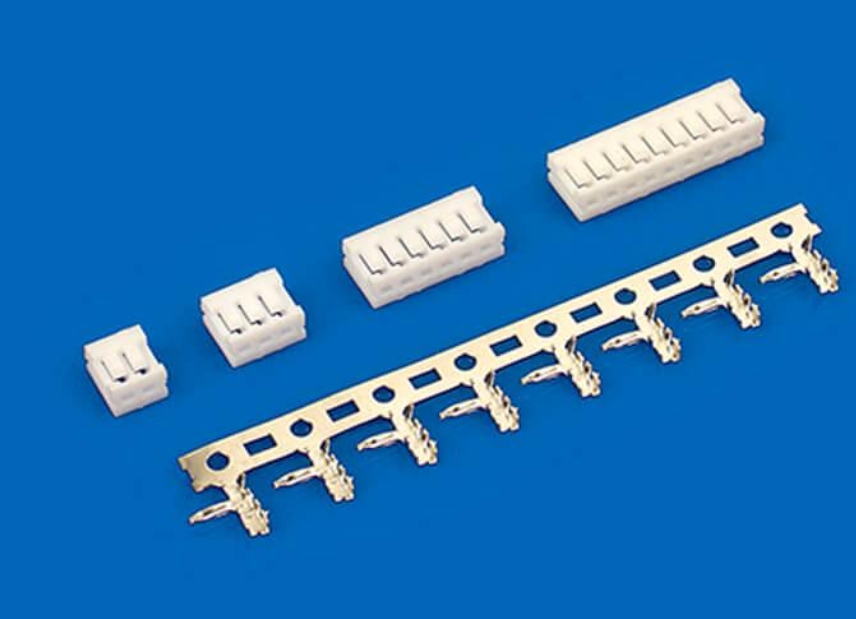
An electroplating system needs many parts. Each part works together. They make sure metal layers are exact. This control makes good coatings.
Anodes and Cathodes
Anodes and cathodes are very important. The anode loses electrons. The cathode gets the metal coating. Their design changes how well plating works. It also changes coating quality.
Design / Configuration Feature | Impact on Current Density & Efficiency | Impact on Coating Quality |
|---|---|---|
Geometric & Contoured Positioning | Keeps current density even on odd shapes. | Makes thickness the same. Spreads chrome evenly. |
Multiple Arrays & Segmented Systems | Controls current density in small spots. | Makes coating thickness steady on complex parts. |
Auxiliary Electrodes & Shielding | Moves electric fields away from high spots. It pushes them into low spots. | Stops bad edges. Makes plating better in deep areas. |
Movable / Rotating Systems | Evens out current density over time. | Covers all sides. Stops too much plating in one spot. |
Special anodes make plating more exact.
Membrane Anodes: These stop metal from growing too much. They keep coatings even. They stop bad stuff in zinc-nickel baths.
Conformal Anodes: These fit odd shapes. They make current flow evenly. This fixes bad spots and uneven layers.
Internal Anodes: These go inside hollow parts. They give full plating. This is for spots where current is low.
Anode-Cathode Spacing & Shielding: Good setup controls how well metal sticks. It controls thickness. It also saves material.
The Electrolyte Solution
The electrolyte solution holds metal ions. It is the liquid for plating. Its chemicals are key for good electroplating.
Power Supplies and Current Control
Power supplies give electricity for electroplating. Exact current control is a must. It changes how fast metal coats. It also changes coating quality. Steady power means steady plating.
Agitation and Temperature Control
Agitation mixes the electrolyte liquid. This keeps metal ions even. It also moves used ions away from the cathode.
Mixing methods, like stirring or air bubbles, help metal ions move. They go to the cathode.
Better movement keeps ion levels steady. This stops uneven spots.
Steady ion levels make plating even. This is true for complex shapes. Natural flow is not enough there.
Different mixing ways have different results.
Agitation Method | Electrolyte / Deposition Homogeneity | Surface Morphology & Coating Uniformity | Mechanical Properties |
|---|---|---|---|
Magnetic Stirring | High; makes steady, controlled movement. | Smooth, very even surface. It has small, regular bumps. | Makes coating thickness good. It makes it harder. |
Ultrasonic Agitation | Less; makes strong, local, uneven waves. | Rougher surface. It has high, uneven bumps. It can get tiny cracks. | Makes it less hard. Coating thickness is not steady. |
Temperature control is also very important. It changes how well the electrolyte conducts. It changes the plating speed. Keeping a steady temperature makes coating properties steady.
The Electroplating Process: Steps and Control
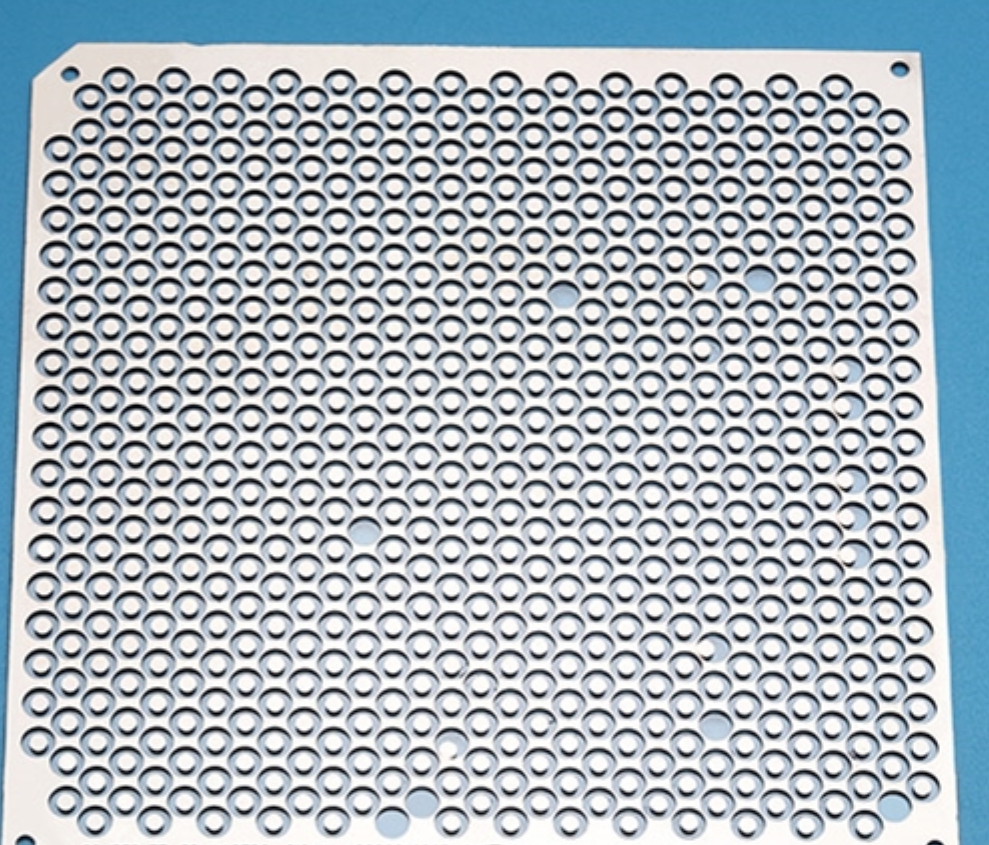
The electroplating process has careful steps. Each step changes the coating. It changes how thick it is. It changes what it is made of. It changes how the surface looks. This makes sure the final product is exact. Precision electroplating uses this step-by-step control.
Substrate Preparation
Good substrate preparation is very important. It makes sure the coating sticks well. It makes the coating good. This first part starts the electroplating process right.
Surface Condition Assessment: Workers check the material. They use rules like ISO rust grades. They also use profilometry. This helps them pick the best way to fix it.
Removal of Existing Coatings: Old layers must come off. This shows a clean base. It stops bubbles later. It stops flaking. It stops rust under the new coating.
Decontamination: Workers clean off hidden dirt. They clean off visible dirt. This includes oils and grease. It includes airborne chlorides and acids. This keeps a strong bond for the new coating.
Particulate & Loose Material Elimination: Methods like blasting remove rust. They remove mill scale. They remove loose pieces.
Surface Profile Profiling: Workers change the surface. They make it fit the coating. This helps the coating stick.
Moisture Removal & Drying: The surface must be dry. This stops flash rusting. It stops long drying times. It stops pinhole defects when drying.
Different ways prepare the surface:
Preparation Category | Specific Method | Primary Function & Mechanism |
|---|---|---|
Ex-situ Cleaning Methods | Alkaline Solutions | Cleans oils and grease. It uses saponification and emulsification. |
Organic Solvents | Dissolves organic dirt. It uses dipping or vapor cleaning. | |
Ultrasonic Waves | Knocks off small pieces. It uses sound waves. This is for complex shapes. | |
Acid Etching | Removes rust and light dirt. It uses special acids. | |
Mechanical Topography | Grinding & Polishing | Controls how rough the surface is. This makes places for sticking. |
In-situ Chamber Treatments | Thermal Outgassing | Removes water and gases. It uses vacuum heat. |
Sputter Cleaning | Uses ion hits. For example, Argon. It removes thin oxide layers. This is in a vacuum. | |
Plasma Activation | Changes the surface chemistry. It uses reactive plasma gases. |
Other steps include cleaning with soap. Or with solvents. Surface activation makes the material ready. Priming uses a middle layer. This makes a better bond with topcoats.
Nucleation and Growth
Surface treatments change how metal layers start. They change how they grow. These treatments get the surface ready. They get it ready for the new coating.
Surface Energy & Reactivity Activation: Methods like plasma activation change the substrate. They make reactive spots. These spots are good for starting. They also remove chemical separation.
Minimization of Delay: These treatments make starting faster. They cut delays from 20–50 cycles. They cut them to less than 5 cycles.
Morphological and Structural Enhancements: Surface changes make more starting spots. Up to ten times more. They stop island growth. This makes smoother films. They are more even. These films stick better. They have fewer flaws.
Parameter Control for Precision
Controlling process settings is key. It is key for precision electroplating. It makes sure the coating is the right thickness. It makes sure it has the right material properties.
Parameter | Function / Operational Role | Impact on Thickness and Material Properties |
|---|---|---|
Voltage & Electric Current | Workers change these. They use technical rules. Or customer needs. | They control the final layer thickness. This is on the base material. |
Base Material Characteristics | This is the material. It gets the powder coat. | It tells how settings affect layer growth. It tells how they affect protection. |
Other settings also play a role:
Parameter | Process Role | Effect on Film Thickness & Coating Properties |
|---|---|---|
Spray Rate | Manages how much liquid goes to parts. | It changes how the film spreads. Wrong rates cause sticking. Or bridging. Or bad film. |
Inlet & Exhaust Air Temperature | Controls the air around it. It controls drying. It controls substrate warmth. | It changes how solvent dries. Too much or too little causes rough surfaces. Or cracks. Or too wet spots. |
Inlet Air Flow Rate | Controls solvent removal. It controls drying energy. | It keeps coating conditions good. This is key for making even films. |
Atomization Air Pressure | Controls droplet size. It controls spray spread. | It decides how smooth the film is. It decides its structure. |
Pan Speed | Helps mix the parts. | It makes sure spray hits evenly. Wrong speeds cause uneven thickness. Or chipping. Or rubbing. |
Part Bed Temperature | Makes drying happen at the surface. | It controls film sticking. It controls surface drying. It stops flaws. |
Gun-to-Bed Distance | Sets where the spray hits. It sets how far droplets travel. | It changes the local coverage. It stops too much wetness in one spot. |
Suspension Percent Solids | Defines how thick it is. It defines solid amount in liquid. | It directly sets the film thickness. It decides how well layers form. |
Pattern Air Pressure | Changes the spray width. It changes the fan shape. | It makes sure sides get even spray. This makes even thickness. |
Post-Plating and Quality Assurance
After electroplating, quality checks happen. They make sure the coating meets all needs. This means strict checking. It means following rules.
Workers watch the bath liquid. They adjust it.
They control electroplating settings exactly.
They check coating thickness rules strictly. They follow them.
Watching in real-time finds problems. It fixes them right away.
Protocol Category | Specific QA Methods & Measures | Industry Standards & Compliance |
|---|---|---|
Process Control | Statistical process control (SPC). Set control limits. Process validation (IQ/OQ/PQ). Validation Master Plans. | ISO 9001. ISO 13485:2016. |
In-Process & Material Testing | X-ray fluorescence. Digital microscopy. Chemical tests. Porosity. Adhesion. Solderability. Bake. Hardness tests. | ASTM. MIL. AMS. IPC. ISO. |
Quality Systems & Traceability | Certificates of Conformance. FMEA/PFMEA. PPAP. Control Plans. 8D Model. Gage R&R. | RoHS. REACH Compliant. |
Other tests are used for quality. They do not harm the product:
NDT Method | Primary Application | Key Capability / Defects Identified |
|---|---|---|
Visual Testing (VT) | Surface check. It uses electron microscopes. It uses optical systems. | Finds surface cracks. Finds pits. Finds general roughness. |
Eddy Current Testing (ECT) | Measures with electricity. It is on materials that conduct. | Measures coating thickness. Finds cracks near the surface. Finds rust. |
Magnetic Particle Testing (MT) | Makes magnetic materials magnetic. (Nickel, iron, cobalt). | Finds small cracks on the surface. Finds cracks near the surface. |
Liquid Penetrant Testing (PT) | Puts dye on. Uses a liquid developer. | Shows surface holes. Shows tiny cracks. Shows open flaws. |
These strict checks make sure the electroplating process works. It makes high-quality coatings. It makes exact coatings.
Materials for Precision Technology Electroplating
The right materials are very important. They make precision technology electroplating work well. We choose the base material. We choose the plating metals. We choose the liquids we add. These choices change how exact the coating is. They change how well it works. This part talks about these important pieces.
Substrate Materials and Characteristics
The base material is called the substrate. It is the bottom layer for the coating. Different substrates have special features.
Substrate Material | Category | Key Characteristics and Applications |
|---|---|---|
Steel | Metal | It is very strong. It lasts a long time. People use it in buildings. They use it in cars. |
Copper | Metal | It lets electricity pass through easily. It is good for electronics. It is good for electric parts. |
Aluminum | Metal | It is light. It is not heavy. People use it in airplanes. They use it in phones. |
Zinc | Metal | It stops rust well. It is mostly used as a protective base layer. |
Nickel | Metal | It can be magnetic. It also stops rust well. |
Plastics | Non-metal | It needs a first layer that conducts electricity. People use it for car trim. They use it for electronic cases. |
The substrate material changes what metals we pick for plating.
The base material must work with the plating. Some metals stick well only to certain coatings. This stops problems. It stops bad sticking. It stops bad chemical reactions.
Substrate Property | Influence on Plating Metal & Process Selection |
|---|---|
Surface Conductivity | Bases that conduct well make even coatings. Bases that do not conduct well (like plastics) need special layers. They need layers that conduct. |
Thermal Expansion | Workers pick plating metals. These metals must expand at the same rate. This stops stress. It stops cracks. It stops the layer from peeling. |
Chemical Composition | Base metals with zinc (like brass) can leak out. They can move. So, a barrier layer is needed. Nickel can be used. This makes the bond strong. |
Substrate Hardness | This changes how we prepare the surface. Hard metals need special polishing. They need special treatment. This makes sure the coating sticks well. |
The substrate’s surface must be good. This makes a strong bond.
Plating Metals and Properties
The plating metal we choose is important. It decides how the final coating works. Each metal has special benefits. These are for precision electroplating.
Plating Metal | Performance Characteristics |
|---|---|
Electroless Nickel | It makes an even coating. It works on complex parts. It stops wear. It stops rust. It is harder. It stops chemicals. It conducts electricity well. It can be soldered. |
Tin | It can be soldered well. It conducts electricity well. It is not harmful. It stops rust from the air. It is very flexible. |
Nickel | It makes the base material harder. It stops rust better. It makes the surface look better. It is a barrier layer. |
Silver | It conducts heat and electricity very well. It is slippery. It can be soldered. It stops parts from sticking. It lasts long in high heat. |
Gold | It makes electrical contacts very reliable. It stops tarnish very well. It stops rust very well. It is safe for the body. It connects very reliably. |
Copper | It conducts electricity and heat very well. It plates fast. It costs less. It helps multi-layer coatings stick better. |
Rhodium | It stops scratches very well. It is hard. It is smooth. It stops tarnish. It is very shiny. |
These metals give the surface the features we want.
Electrolyte Chemistry and Additives
The electrolyte liquid and what we add to it are key. They control the electroplating process. They change the final coating’s features. Special liquids added to the electrolyte are very important. They change key layer features. They specifically control the final metal mix. They control how shiny the surface is.
Morphology & Structure: Changing the electrolyte pH greatly changes crystal shape. For example, pH 6 makes denser coatings. They have needle-like crystals. pH 5 makes bigger grains. They have sharper edges.
Density & Porosity: Coatings made at pH 6 are more tightly packed. They have a dense grain structure. They have fewer holes. They have a stronger crystal direction.
Corrosion Resistance: A smoother surface. A higher density at pH 6. These make rust protection better. They stop tiny spots where rust can start.
Bioactivity & Biomineralization: The electrolyte pH directly controls bone growth. This is in lab tests. Coatings at pH 6 grow bone about three times faster. This is after 21 days. This is compared to pH 5.
Key electrolyte factors control the coating thickness. They control its makeup. They control its crystal structure. They control its overall shape. They control how it acts with electricity. These factors include ionic concentration. They include pH value. They include temperature. Careful control of these makes a high-quality coating. This precision technology is vital for advanced surface work.
Precision Electroplating: Uses, Benefits, and Problems
Key Industries and Uses
Precision electroplating helps many big industries. It makes car parts better. It makes electric car parts better. This makes them last longer. It stops rust. Airplanes use special plating. This is for parts in tough places. These include engine parts and landing gear. Electronics also use this plating. It helps make small electronic parts. It helps make computer chips. Making computer chips uses advanced plating. This makes sure parts are made well. Making electronic parts needs exact plating. This is for important tech parts. For example, flight control parts use gold over nickel. This makes them work better. It stops them from wearing out. Plating also stops engine parts from rusting.
Advantages of Precise Coatings
Exact coatings have many good points. They make parts last longer. They make parts work better. They also make parts more trusted. These coatings can stop rust. They can make surfaces harder. They can also help electricity flow better. This exact method makes very thin layers. This is good for small parts. The right coating can change a surface a lot. This makes the final product work better.
Common Challenges and Solutions
Precision electroplating has some problems. Engineers sometimes ask for coatings that are too hard to make. For example, they want thin coatings inside deep holes. They also want them on outside parts. This is hard. Electricity is weaker in deep spots. This makes outside metal too thick. Other problems are bad sticking. Or rough coatings. Or dull coatings. Good cleaning before plating helps. Workers must also check the liquid mix. They must watch how the machines are set. To stop cracks, workers can heat parts before plating. This lowers how much hydrogen gets in.
Quality Control and Monitoring
Strict quality control is very important. It is for precision electroplating. Watching in real-time checks plating thickness. It checks how even the coating is. It also checks how chemicals work. SPC uses math. It keeps the process steady. AVI uses cameras. It finds surface flaws. XRF measures coatings very exactly. Digital tools record electrical data. Labs test the liquid bath often. This makes sure it is balanced. These ways make sure coatings are high quality.
Precision electroplating uses basic science. It uses how electricity works. It uses how materials work. We must control the process. We must control the parts. This makes good coatings every time. Soon, electroplating will not use cyanide. Computers will help run it. New metal mixes will make better coatings. Tiny tech will help too. This will make new things possible. This science keeps getting better. It will always be important.
FAQ
What is precision technology electroplating?
Precision technology electroplating makes metal coatings. These coatings are very exact. This process uses science. It puts on thin layers. It makes parts work better. It makes them last longer.
Why is preparing the surface important for electroplating?
Preparing the surface is key. It helps the new coating stick. A clean surface stops flaws. This step helps electroplating work.
How does current density affect the coating?
Current density controls how fast metal builds up. It also changes how even the coating is. The right current density makes a smooth surface. It makes a strong surface. Too much or too little can cause issues.
What is the main science behind electroplating?
Electrochemistry is the main science. It shows how electricity moves metal ions. These ions make a precise layer. This science drives all electroplating.
See Also
Innovative Moldless Continuous Plating Techniques For Ultra Thin Metal Strips
Revolutionizing Lead Frame Manufacturing Quality Through Advanced Selective Electroplating Methods
Accelerating Product Prototyping Speed With Modern Die Free Plating Innovations
Boosting Electronic Device Performance Using High Precision Metal Strip Materials
Selecting The Best Selective Plating Partner For Electrical Connector Needs