
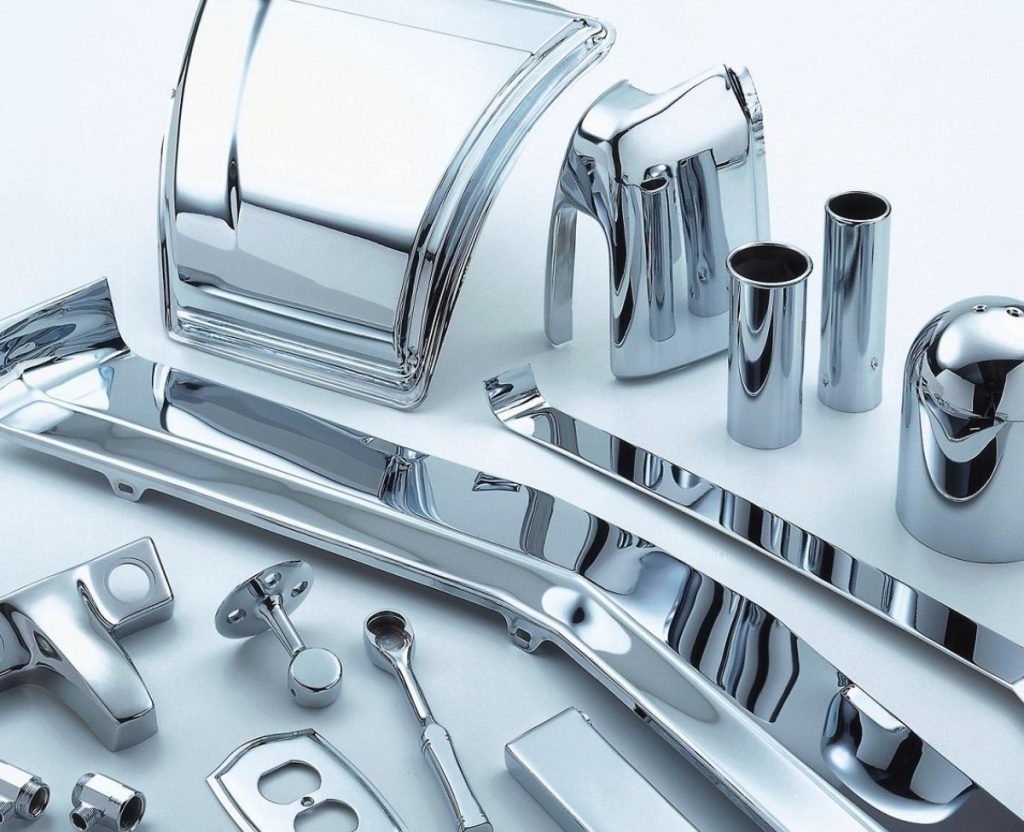
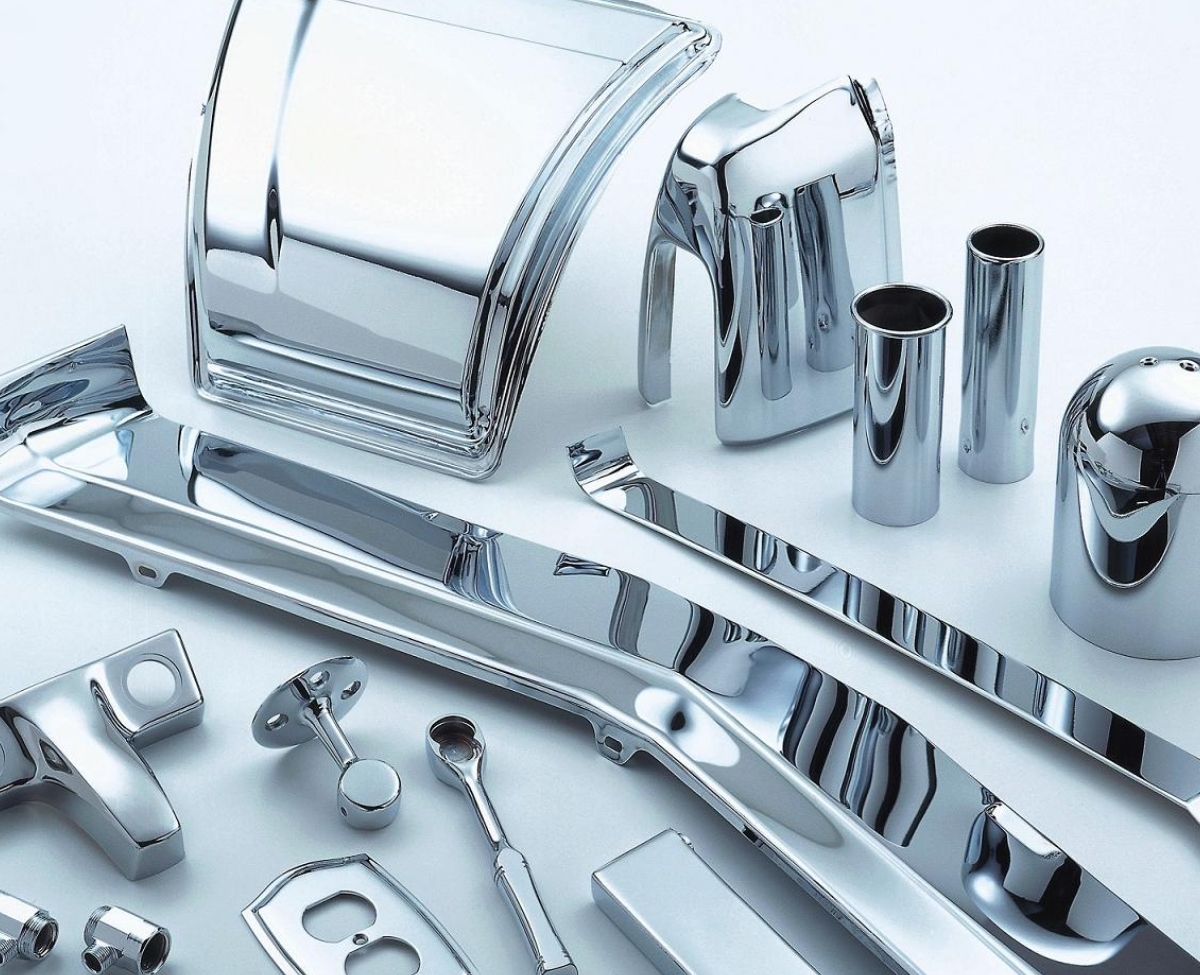
Electroplating technology involves applying a layer of metal onto a surface through the use of electricity. This process enhances the appearance and durability of items across various industries. For instance, the global electroplating technology market was valued at approximately USD 21.5 billion. This growth can be attributed to the rising demand in the automotive, electronics, and aerospace sectors. Over the past century, electroplating technology has evolved significantly, initially providing protective coatings, such as cadmium plating during World War I. Today, it plays a crucial role in modern electronics, particularly as components continue to shrink in size.
Key Takeaways
Electroplating makes items stronger and better looking. It is important for cars, electronics, and airplanes.
Luigi Brugnatelli found out how to electroplate gold in 1805. Michael Faraday’s rules of electrolysis in 1833 helped create modern electroplating.
New improvements focus on being eco-friendly. This includes using safer chemicals and systems that recycle water to help the environment.
New methods like pulse electroplating and AI monitoring make electroplating better and faster.
Electroplating has many benefits. It helps prevent rust and makes things look nicer. This is why it is important in manufacturing.
Electroplating History
Early Discoveries
The history of electroplating goes back to ancient times. Early metalworking skills helped create what we know as modern electroplating. Important events include:
Bronze Age (3rd millennium BCE): Craftspeople in the Middle East and Egypt used metal foil and wire for decoration.
Iron Age (12th to 5th century BCE): Ancient Greeks covered objects completely with metal foil and wire.
Roman Period (1st to 4th century CE): New methods like displacement plating and mercury gilding appeared.
Medieval Period (5th to 15th centuries): Roman techniques grew, including displacement plating for iron armor and creating Damascene inlay.
Renaissance (15th to 17th centuries): More progress happened, like silvering clock dials.
In 1805, Luigi Brugnatelli made a big discovery. He put gold onto silver medallions using a voltaic pile. This was the start of electroplating technology. His work was kept secret by the French Academy of Sciences at first. However, it opened the door for future progress in this area.
Key Scientific Foundations
The science behind electroplating started in the early 19th century. Michael Faraday’s work in 1834 was very important. He created basic laws that guide electroplating today. Key ideas include:
Electrolyte Composition: The electrolyte needs the right metal salts for plating, like copper sulfate for copper. Additives help control how fast metal deposits and how it looks.
Current Density: The amount of current used affects how fast metal deposits. The right current density is important for a smooth finish.
Temperature and pH Control: The right temperature and pH levels are needed for even metal deposition. They affect how ions move and how well plating works.
Time of Plating: How long the current is applied affects how thick the plated layer is. This balances strength and cost.
These ideas changed electroplating from a simple idea into a dependable industrial method. Faraday’s laws of electrolysis say that the amount of metal deposited depends on the electrical charge. This shows how important current density is for good plating results.
Brugnatelli’s practical work and Faraday’s scientific knowledge built the base for the growth of electroplating technology. This made it widely used in many industries.
Key Figures in Electroplating
Luigi Brugnatelli
Luigi Brugnatelli was an Italian scientist. He made an important discovery in 1805. He was the first to share a method for gold electroplating. Brugnatelli used a voltaic pile to put gold on silver medallions. This was the start of electroplating technology as we know it now. His work helped future improvements in this area.
Brugnatelli’s achievements were noticed by many. His early success encouraged others to study electroplating more. The methods he created opened up new industrial uses. His work is a big milestone in the history of electroplating.
Michael Faraday
Michael Faraday was a British scientist. He played an important role in developing electroplating technology. In 1833, he created basic laws of electrolysis. His First Law of Electrodeposition says that the amount of metal deposited depends on the electricity used. This idea gave a scientific reason for electroplating processes.
Faraday’s research changed many parts of electroplating. His discoveries helped improve techniques and make them more efficient. Advances in electroplating have led to important progress in making semiconductors, which are vital for modern electronics.
The work of Brugnatelli and Faraday shaped the electroplating industry. Their discoveries and research still affect the field today.
Figure | Country | Main Contribution |
|---|---|---|
Luigi Brugnatelli | Italy | First published gold electroplating |
John Wright | Britain | Cyanide electrolyte breakthrough |
George & Henry Elkington | Britain | Industrialization and patents |
Henri-Catherine-Camille Ruolz | France | French electroplating expansion |
Charles Christofle | France | Luxury industrial adoption |
Moritz von Jacobi | Russia | Electrotyping and electroforming |
These key figures show how important innovation and research are in the growth of electroplating technology.
Advancements in Electroplating Technology
Sustainable Practices
Recent improvements in electroplating technology focus on being eco-friendly. Companies now care about using safe methods to help the environment. Some important eco-friendly practices are:
Eco-friendly Electrolytes: Many makers now use safer options instead of harmful chemicals. This change cuts down on toxic waste and keeps workers safer.
Closed-loop Systems: Using closed-loop rinse systems saves water and cuts waste. These systems recycle water from the plating process, causing less harm to the environment.
Cyanide-free Solutions: Moving to cyanide-free electroplating is a big step forward. This method swaps out dangerous chemicals for safer ones, lowering health risks for workers and nature.
Recycling Technologies: New recycling technologies help companies get metals back from waste. This practice saves resources and lowers the need for new materials.
These eco-friendly practices show a growing promise to protect the environment in the electroplating field.
Modern Techniques
Today’s electroplating methods have changed a lot to boost efficiency and quality. Some key advancements are:
Pulse Electroplating: This method improves the quality and evenness of coatings. By controlling ion movement, pulse electroplating helps create smoother metal layers and lessens stress in the films.
AI-driven Monitoring: Real-time monitoring systems help fine-tune electroplating settings. These systems make processes more precise and flexible, leading to better results.
Nanotechnology: The use of nanostructured coatings has changed electroplating. These coatings have special features, like self-repairing abilities and better strength.
Energy-efficient Equipment: Modern electroplating focuses on using less energy. Companies now use energy-saving heating tools and heat recovery systems to lower their carbon footprint.
The growth of these techniques shows the industry’s goal to improve both performance and eco-friendliness. As electroplating technology keeps advancing, it remains important in many fields, like automotive, electronics, and aerospace.
Year/Period | Advancement Description |
|---|---|
Early 19th Century | Introduction of basic electroplating techniques for decoration. |
1840s | Development of commercial zinc plating. |
1920s | Introduction of chromium plating for enhanced durability. |
1960s-1970s | Emergence of electroless plating techniques. |
Late 20th Century | Shift from hexavalent to trivalent chromium plating. |
21st Century | Advancements in nanotechnology and composite plating techniques. |
These advancements in electroplating technology not only improve product quality but also match the industry’s growing focus on sustainability.
Applications of Electroplating
Industrial Uses
Electroplating is used a lot in different industries. Some important areas are:
Automotive: Electroplating helps parts resist rust and look better.
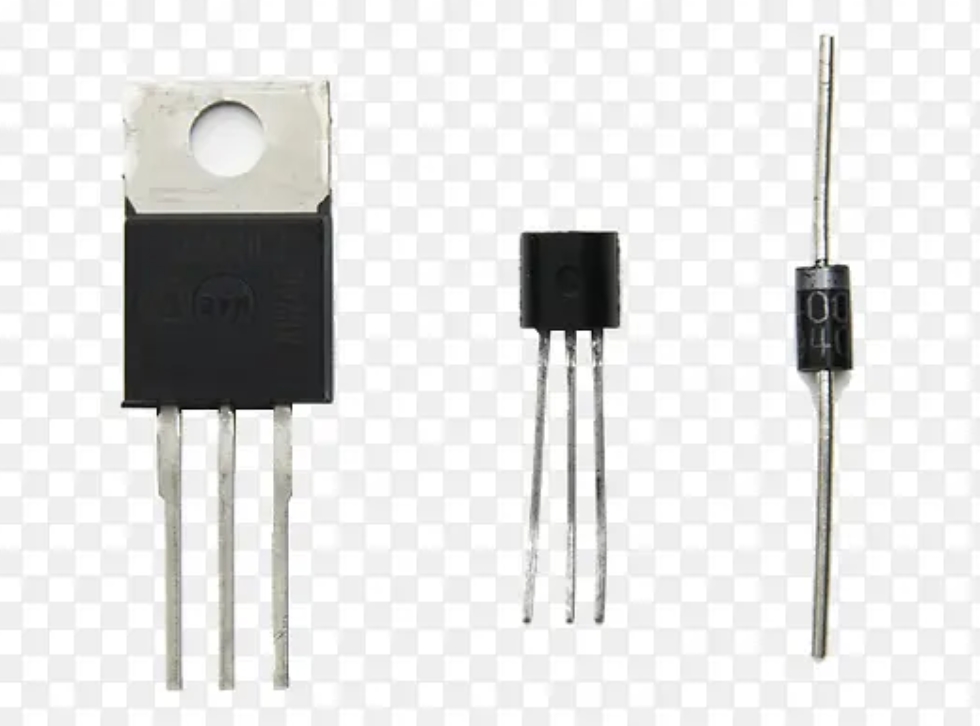
Electronics: Gold plating makes semiconductors and connectors work better.
Aerospace: Titanium plating adds strength while keeping aircraft light.
Medical: Electroplating makes surgical tools and implants safer for the body.
Countries like Canada, Mexico, and Germany use electroplating a lot in cars and airplanes. For example, Canada focuses on making transportation equipment. Germany is known for its car engineering and machinery.
Benefits of Electroplating
Electroplating has many benefits for both makers and buyers. Some main advantages are:
Corrosion Resistance: Electroplated layers protect against water and rust. For example, zinc coatings save steel parts by rusting first.
Mechanism | Description |
|---|---|
Coatings like zinc, nickel, and chromium block moisture and rust, keeping the base safe. | |
Sacrificial Coating | Zinc can rust instead of the steel below, making the part last longer. |
Aesthetic Enhancement: Electroplating makes products look nicer. It offers different finishes, like shiny, matte, and textured, to match what people like.
Finish Type | Description |
|---|---|
Mirror | Gives a shiny surface for a classy look |
Matte | Provides a non-shiny, stylish appearance |
Textured | Adds detail and interest to the surface |
In summary, electroplating not only makes products stronger but also improves their looks, making it an important part of modern manufacturing.
Electroplating technology has changed a lot since it started. It began with easy methods and now helps many industries, like cars and electronics. Today, it is important for making products stronger and better looking.
In the future, some trends will change electroplating:
Better AI systems will make deposits higher quality and cut waste.
Using computer vision will help find defects and ensure quality.
The move towards being eco-friendly will make cyanide-free processes common by 2035.
Innovation Type | Impact on Electroplating Industry |
|---|---|
Pulse Electroplating | Allows better control over thickness and grain structure, leading to better surface quality. |
Automation and Robotics Integration | Helps produce items quickly and consistently, reducing mistakes and improving safety. |
These new ideas will make electroplating more efficient and eco-friendly, keeping it important in today’s manufacturing world.
FAQ
What is electroplating?
Electroplating is a process that uses electricity to add a layer of metal to a surface. This method makes items look better and last longer in many industries.
What are the main benefits of electroplating?
Electroplating helps prevent rust, improves looks, and boosts conductivity. It protects items from damage while offering different finishes to match what people want.
How does pulse electroplating work?
Pulse electroplating sends electrical current in short bursts instead of constantly. This technique makes the coating better and more even by controlling how ions move during plating.
What industries use electroplating?
Electroplating is used in cars, electronics, aerospace, and medical fields. It helps make products work better and last longer in these areas.
Are there any environmental concerns with electroplating?
Yes, traditional electroplating often uses harmful chemicals. But now, the industry is moving towards eco-friendly methods, like cyanide-free solutions and closed-loop systems, to reduce harm to the environment.
See Also
Die-Free Selective Plating Boosts Rapid Prototyping Efforts
Selective Electroplating Significantly Enhances Lead Frame Standards
Selecting The Best Selective Plating Service For Connectors
Moldless Selective Plating Solutions For German Connector Manufacturers
Strategies To Lower Plating Mold Expenses For Electronics Makers