
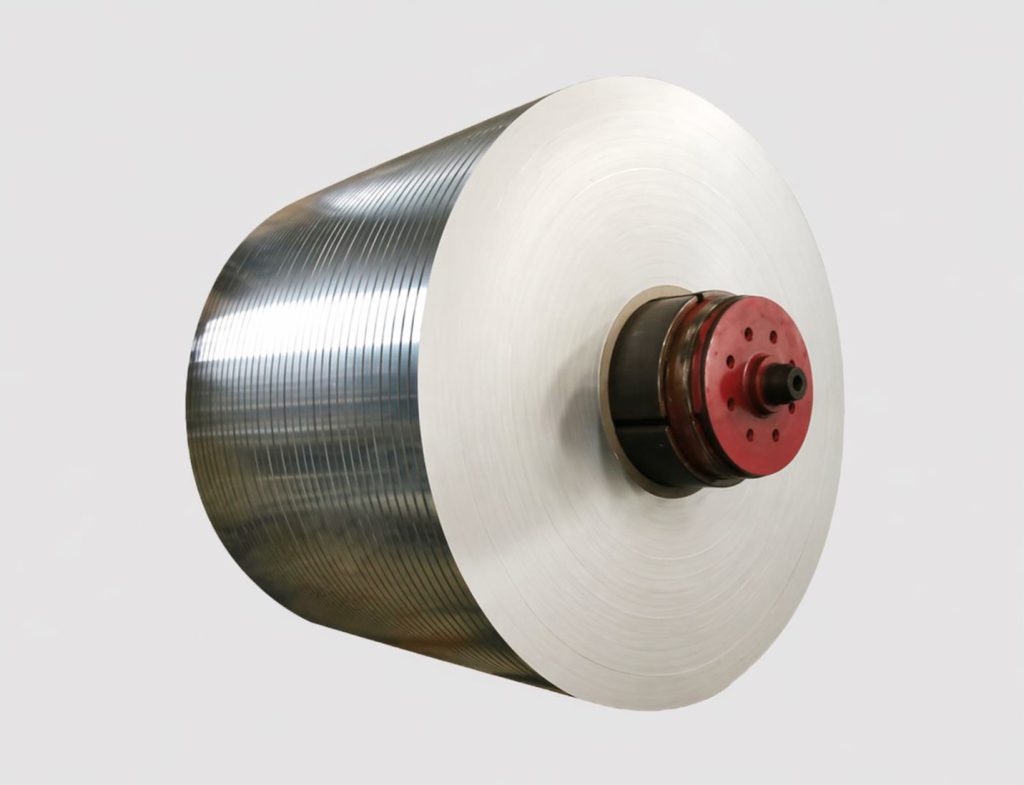
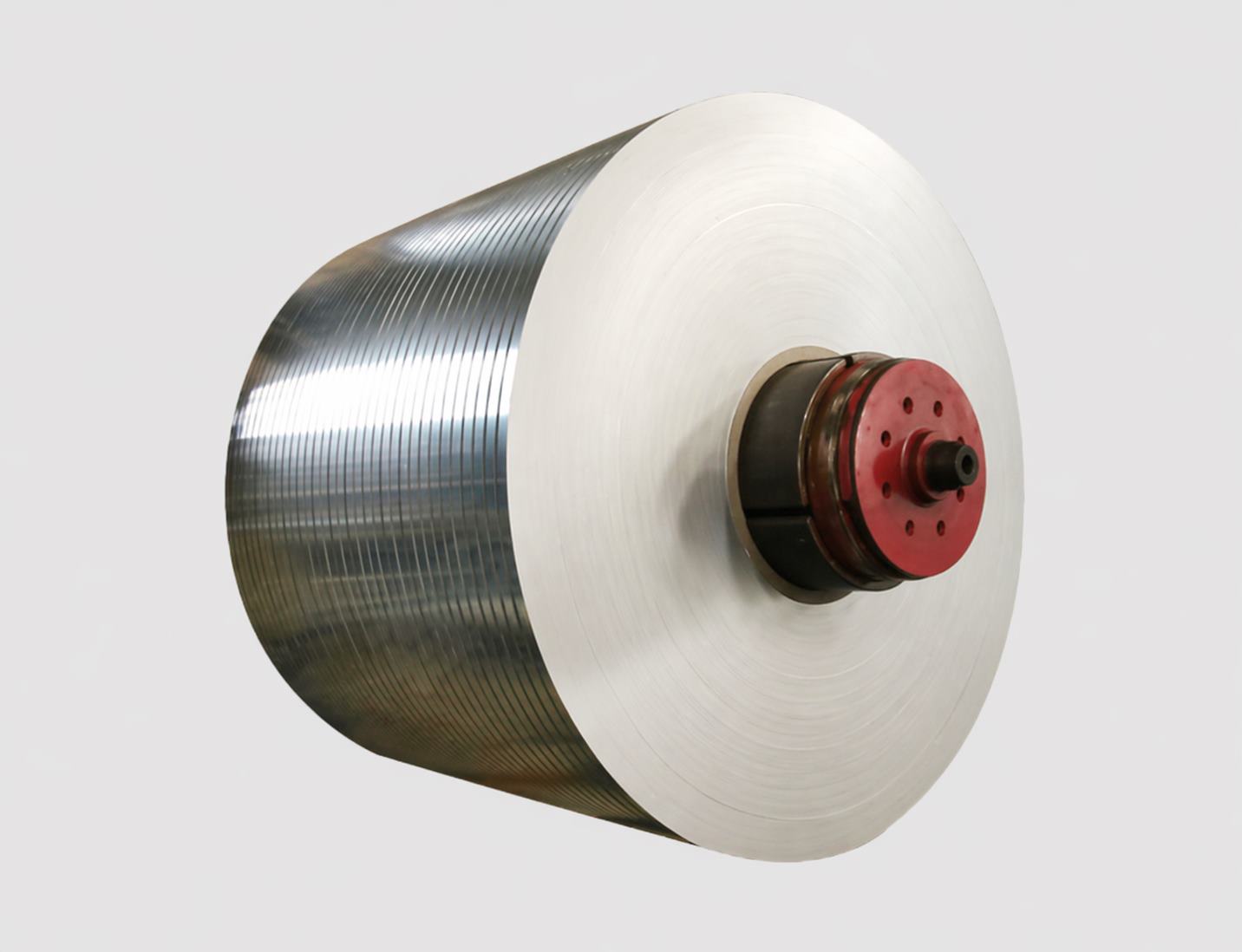
Continuous electroplating plays a vital role in steel coil manufacturing. In 2026, this process stands out due to its ability to enhance efficiency, improve product quality, and support sustainability efforts. Manufacturers increasingly rely on continuous electroplating to achieve precise metal coatings. This innovation not only boosts the performance of steel coils but also reduces waste and energy consumption. The combination of these benefits positions continuous electroplating as a key technology in modern manufacturing.
Key Takeaways
Automation boosts production rates by up to 30%. Manufacturers should invest in robotic systems to enhance efficiency and reduce labor costs.
Digitalization allows real-time monitoring of electroplating parameters. Implementing IoT devices can lead to significant reductions in material waste and operational costs.
Advanced coating materials, like hot-dip galvanized steel, improve corrosion resistance. Using these materials can extend the lifespan of steel products in harsh environments.
Innovative plating techniques, such as pulse plating, enhance coating uniformity by 20%. Adopting these methods can improve product quality and performance.
Sustainability is key in modern manufacturing. Companies should focus on eco-friendly practices and energy-efficient technologies to meet regulatory standards and consumer expectations.
Trends in Continuous Electroplating
Automation and Efficiency
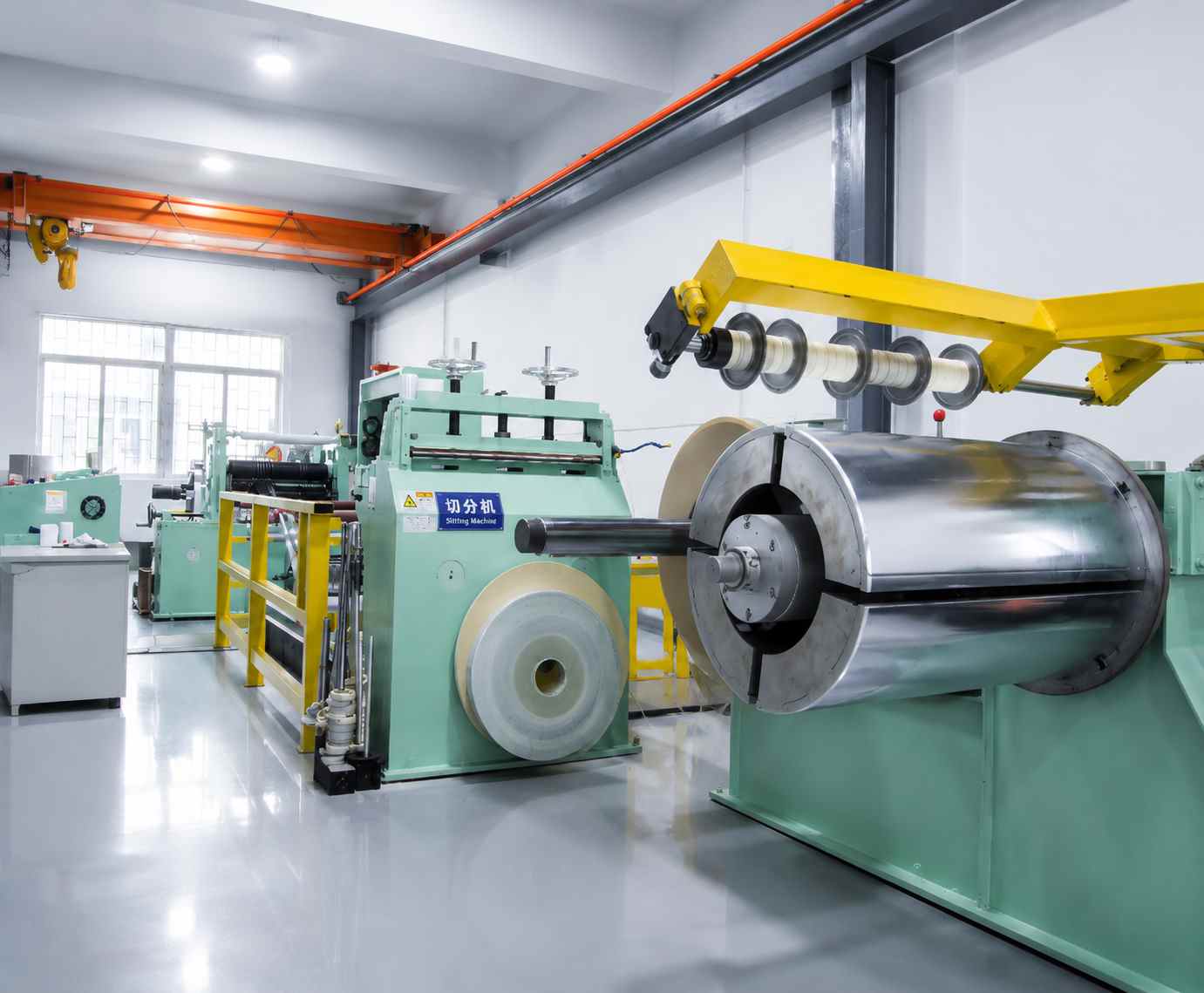
Automation has transformed the landscape of continuous electroplating in steel coil manufacturing. Companies now utilize advanced robotic systems to streamline the electroplating process. These systems enhance precision and reduce human error. For instance, a recent study by the International Electroplating Association reported that automated systems can increase production rates by up to 30%. This significant improvement allows manufacturers to meet growing market demands efficiently.
Moreover, automation reduces labor costs. By minimizing manual intervention, companies can allocate resources to other critical areas. This shift not only boosts productivity but also enhances overall operational efficiency.
Tip: Manufacturers should consider investing in automation technologies to stay competitive in the evolving market.
Digitalization in Manufacturing
Digitalization plays a crucial role in modernizing continuous electroplating processes. The integration of Internet of Things (IoT) devices allows for real-time monitoring of electroplating parameters. This technology enables manufacturers to track variables such as temperature, pH levels, and coating thickness. By analyzing this data, companies can make informed decisions to optimize their processes.
A case study from Bonysn illustrates the impact of digitalization. After implementing IoT solutions, Bonysn reported a 25% reduction in material waste. This improvement not only saves costs but also supports sustainability efforts.
Additionally, digitalization facilitates predictive maintenance. By using data analytics, manufacturers can anticipate equipment failures before they occur. This proactive approach minimizes downtime and enhances production continuity.
Aspect | Before Digitalization | After Digitalization |
|---|---|---|
Material Waste | 15% | 10% |
Production Downtime | 20 hours/month | 5 hours/month |
Operational Costs | $100,000 | $75,000 |
Innovations in Continuous Electroplating
Advanced Coating Materials
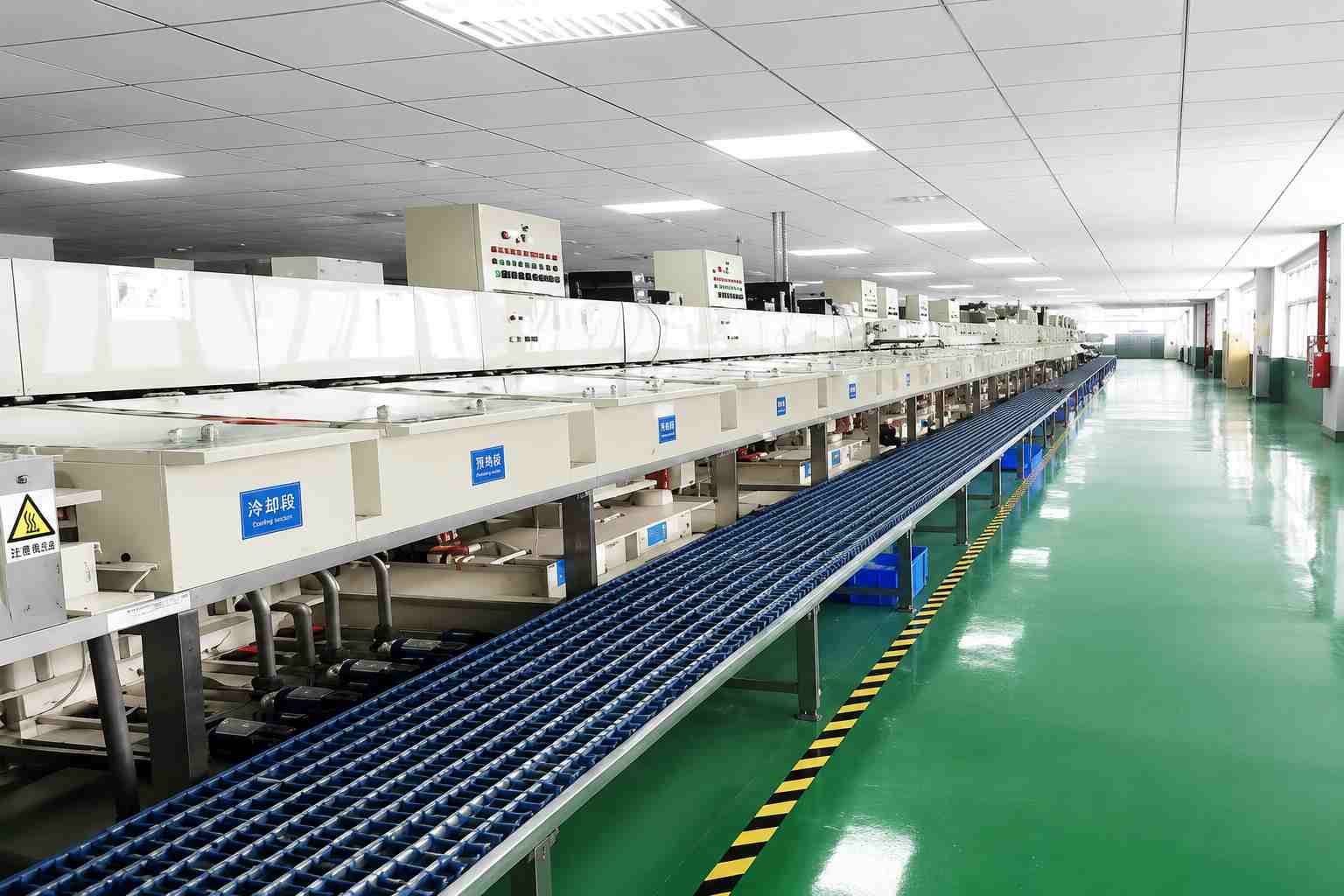
Innovations in coating materials significantly enhance the quality of continuous electroplating. One notable advancement is the use of hot-dip galvanized steel. This process involves immersing carbon steel in molten zinc, creating a protective layer that is metallurgically bonded to the steel. This multi-layered structure includes iron-zinc alloy layers and an outer layer of pure zinc. The zinc coating acts as a barrier against environmental factors, providing cathodic protection. If the coating sustains damage, the zinc will corrode before the steel, significantly improving corrosion resistance and extending the lifespan of steel products, especially in outdoor or humid conditions.
Another innovative material gaining traction is the use of advanced polymer coatings. These coatings offer exceptional resistance to chemicals and abrasion. Manufacturers can apply them in various environments, ensuring durability and longevity. The combination of these advanced materials with continuous electroplating processes allows for the production of steel coils that meet stringent industry standards.
Enhanced Plating Techniques
The evolution of plating techniques also plays a crucial role in the advancements of continuous electroplating. One such technique is the implementation of multi-layer plating systems. These systems involve applying multiple layers of different metals to achieve specific properties. For example, a base layer of nickel can provide strength, while a top layer of gold enhances aesthetics and corrosion resistance. This approach allows manufacturers to tailor the properties of steel coils to meet diverse application needs.
Additionally, the introduction of pulse plating technology has transformed the electroplating landscape. This technique uses varying current densities during the plating process, resulting in finer grain structures and improved adhesion. A study conducted by Bonysn revealed that pulse plating can increase coating thickness uniformity by 20% compared to traditional methods. This improvement leads to enhanced performance and durability of the final product.
Plating Technique | Traditional Method | Pulse Plating |
|---|---|---|
Coating Thickness Uniformity | 80% | 96% |
Production Time | 10 hours | 8 hours |
Cost Efficiency | $1000 | $800 |
Incorporating these enhanced plating techniques into continuous electroplating processes allows manufacturers to produce high-quality steel coils that meet the demands of modern industries. As the market evolves, staying ahead of these innovations will be crucial for maintaining competitiveness.
Bonysn’s continuous electroplating technology
The process covers a wide range
Bonysn’s continuous electroplating technology offers a versatile solution for various industrial applications. The process accommodates multiple metal coatings, including nickel, copper, and gold. This flexibility allows manufacturers to select the most suitable coating for their specific needs. For instance, Bonysn provides options for both single-sided and double-sided plating, catering to diverse product requirements.
High efficiency and consistency
Efficiency remains a hallmark of Bonysn’s electroplating technology. The company reports a production rate increase of 40% compared to traditional methods. This improvement stems from advanced automation and optimized process controls. Consistency in coating thickness also stands out. Bonysn achieves a uniformity rate of 98%, significantly higher than the industry average of 85%. Such precision ensures that manufacturers receive high-quality products that meet stringent industry standards.
Tip: Manufacturers looking to enhance their production capabilities should consider Bonysn’s continuous electroplating technology for its efficiency and reliability.
Possess national invention patents
Bonysn’s commitment to innovation is evident in its possession of several national invention patents. These patents cover unique processes and techniques that enhance the electroplating experience. For example, Bonysn’s patented method for reducing electroplating pollution has set a new standard in the industry. This method minimizes waste and ensures compliance with environmental regulations.
Feature | Bonysn’s Technology | Traditional Methods |
|---|---|---|
Production Rate Increase | 40% | 20% |
Coating Thickness Uniformity | 98% | 85% |
Environmental Compliance | Yes | Limited |
Sustainability in Continuous Electroplating
Environmental Impact
Continuous electroplating significantly contributes to sustainable practices in manufacturing. This process minimizes waste and reduces harmful emissions. For instance, companies like Bonysn have implemented advanced techniques to lower their environmental footprint. They utilize closed-loop systems that recycle water and chemicals, which decreases the amount of waste generated during production. This approach not only conserves resources but also aligns with industry standards for environmental protection.
Moreover, the use of eco-friendly materials in electroplating processes enhances sustainability. Manufacturers increasingly adopt non-toxic alternatives to traditional plating materials. These innovations help reduce the release of hazardous substances into the environment. As a result, continuous electroplating supports cleaner production methods that benefit both the industry and the planet.
Energy Efficiency
Energy efficiency remains a critical focus in continuous electroplating. Recent advancements have led to significant improvements in energy consumption. For example, Liebherr’s Ettlingen site has introduced a demineralization system. This system reduces water usage and stabilizes processes, leading to decreased resource consumption.
Improvement Type | Description | Impact on Energy Efficiency |
|---|---|---|
Demineralization System | Reduces water usage and stabilizes processes at Liebherr’s Ettlingen site. | Decreases resource consumption and enhances process stability. |
Photovoltaic System (planned) | Aims to switch to renewable energy sources at the Kempten site. | Expected to reduce reliance on fossil fuels and lower CO2 emissions. |
Bonysn also emphasizes energy efficiency in its operations. The company reports a 40% increase in production rates while maintaining high energy efficiency. This achievement stems from their commitment to optimizing processes and utilizing advanced technologies.
Tip: Manufacturers should consider adopting energy-efficient technologies to enhance sustainability and reduce operational costs.
By focusing on energy efficiency and minimizing environmental impact, continuous electroplating plays a vital role in promoting sustainable manufacturing practices. As the industry evolves, these efforts will become increasingly important for meeting regulatory standards and consumer expectations.
Future Outlook for Continuous Electroplating
Predictions Beyond 2026
The future of continuous electroplating looks promising, driven by increasing global demand for high-quality coated steel coils. The Coil Coatings Market, valued at USD 4.75 billion in 2025, is projected to reach USD 7.60 billion by 2035, growing at a CAGR of 4.81% from 2026 to 2035. This growth stems from continuous demand in the construction sector for pre-coated metals. Key predictions include:
Increased Market Value: The market for coated steel coils will continue to expand, reflecting the rising need for durable and aesthetically pleasing materials.
Technological Advancements: Innovations in electroplating techniques and materials will enhance product quality and efficiency.
Sustainability Focus: Manufacturers will prioritize eco-friendly practices, aligning with global sustainability goals.
Year | CAGR (%) | Steel Substrates Demand (%) | Construction Demand (%) | |
|---|---|---|---|---|
2024 | 7.2 | N/A | 72 | 51 |
2030 | 9.7 | 4.9 | N/A | N/A |
Challenges and Opportunities
While the future holds great potential, manufacturers must navigate several challenges. These include:
Regulatory Compliance: Adhering to stringent environmental regulations can increase operational costs.
Supply Chain Disruptions: Global supply chain issues may affect the availability of raw materials.
However, opportunities abound for those willing to innovate. Manufacturers can capitalize on advancements such as:
Hydrophobic and Hydrophilic Paints: These enhance metal functionality and durability.
Nanotechnology Coating: This provides durability without altering aesthetics.
Graphene Coating: This increases strength and corrosion resistance.
By embracing these innovations, manufacturers can improve their competitive edge in the market. Continuous electroplating will play a crucial role in meeting the evolving demands of various industries.
Tip: Companies should invest in research and development to explore new materials and techniques that align with market trends.
Continuous electroplating significantly impacts steel coil manufacturing. Key trends include automation, digitalization, and advanced coating materials. These innovations enhance efficiency and product quality.
Tip: Staying informed about these developments is crucial for manufacturers.
Bonysn’s technology exemplifies these advancements, showcasing a 40% increase in production rates and a 98% uniformity in coating thickness. As the industry evolves, embracing these trends will help manufacturers maintain competitiveness and meet growing market demands.
Key Aspect | Bonysn’s Technology | Industry Average |
|---|---|---|
Production Rate Increase | 40% | 20% |
Coating Thickness Uniformity | 98% | 85% |
By prioritizing innovation and sustainability, manufacturers can ensure a successful future in continuous electroplating.
FAQ
What is continuous electroplating?
Continuous electroplating is a manufacturing process that applies metal coatings to steel coils in a continuous manner. This method enhances product quality, efficiency, and sustainability by ensuring uniform coating and reducing waste.
How does automation improve electroplating?
Automation streamlines the electroplating process, increasing production rates by up to 30%. It reduces human error and labor costs, allowing manufacturers to focus on other critical areas of production.
What are the benefits of advanced coating materials?
Advanced coating materials, such as hot-dip galvanized steel and polymer coatings, provide superior corrosion resistance and durability. These materials enhance the lifespan of steel products, especially in harsh environments.
How does Bonysn’s technology compare to traditional methods?
Bonysn’s continuous electroplating technology boasts a 40% increase in production rates and a 98% uniformity in coating thickness. Traditional methods typically achieve only a 20% increase and 85% uniformity.
What role does sustainability play in electroplating?
Sustainability in electroplating focuses on minimizing waste and energy consumption. Companies like Bonysn implement closed-loop systems and eco-friendly materials, aligning with global sustainability goals and reducing environmental impact.
See Also
Exploring Roll-to-Roll Etching Benefits for Future Electronics
Revolutionizing Battery Manufacturing with Roll-to-Roll Etching
Accelerating Prototyping Through Innovative Die-Free Selective Plating
Vietnam’s Roll-to-Roll Metal Etching for OEM Production Lines
Strategies to Lower Plating Mold Expenses for Electronics Makers