
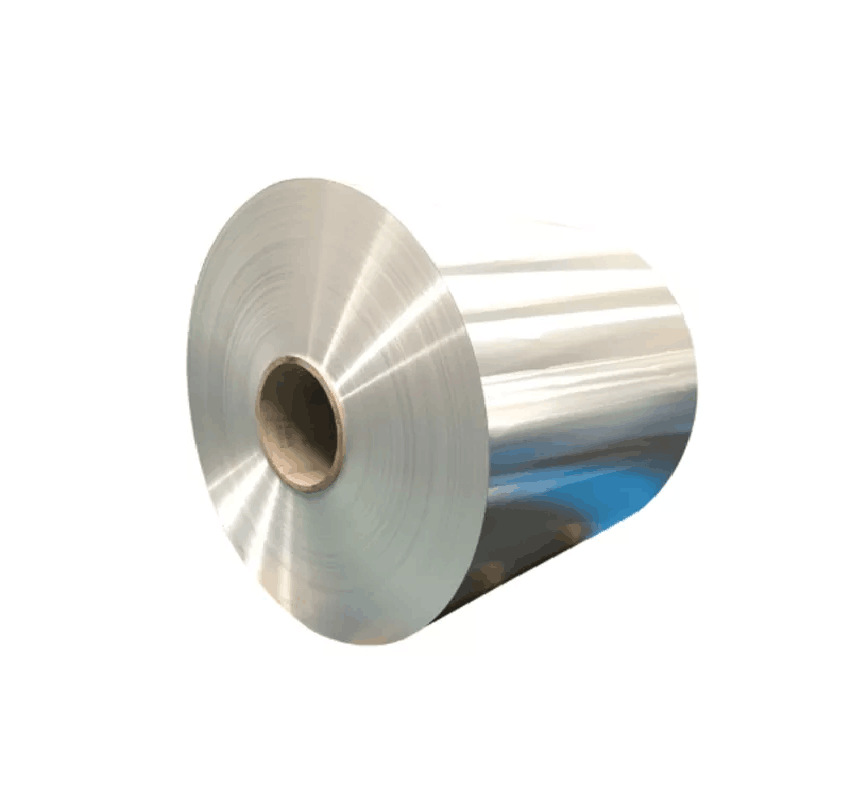
In today’s world, stainless steel is found everywhere, showcasing the convenience brought by stainless steel. It is strong and can be used in many ways, making it a popular choice across various industries. From building to cars, stainless steel enhances convenience and efficiency. The global market values this material at about USD 134 billion, with the construction industry being its largest user. As you explore the many uses of stainless steel, you will see how it simplifies tasks and lasts longer in your daily life.
Key Takeaways
Stainless steel is a strong and long-lasting material. It can last 30 to 50 years. This helps you save money and time on replacements.
The global stainless steel market is growing fast. It is expected to reach USD 146.1 billion by 2026. This growth is driven by demand in construction and manufacturing.
New technology, like better smelting and automation, makes production more efficient. It also helps reduce harm to the environment.
Sustainability is an important trend. Many companies are focusing on recycling and eco-friendly practices. This makes stainless steel a greener choice.
Stainless steel resists corrosion and is hygienic. This makes it perfect for kitchens and medical settings. It helps ensure safety and cleanliness.
Stainless Steel Market Overview

Market Value and Growth
The stainless steel market is doing well. Right now, its global market value is about USD 135.8 billion in 2025. Experts think this number will go up to USD 146.1 billion by 2026. This growth shows that more people want stainless steel in many areas, especially in construction and manufacturing.
You can expect the market to grow at a rate of 5.5% each year from 2026 to 2032. In the U.S., the market is expected to grow at a rate of 5.1% during the same time. This trend shows strong demand for stainless steel products.
Key Industry Players
Many important companies shape the global stainless steel market. These companies focus on being eco-friendly and coming up with new ideas. This affects prices and market share. Here’s a quick look at some major companies:
Industry Players | Description |
|---|---|
Acerinox | A leader in making stainless steel, focusing on eco-friendly methods. |
Aperam | Known for its focus on new ideas and quality in stainless steel products. |
ArcelorMittal | A big player working on lowering emissions and improving product quality. |
These companies help the market grow and also affect pricing. As they focus on being eco-friendly, they set trends that other manufacturers often follow. This focus on sustainability and new ideas helps shape the market dynamics of the stainless steel industry.
Growth Factors for Stainless Steel
Technological Advancements
New technological advancements have changed how we make stainless steel. These new ideas help us work better and protect the environment. Here are some important changes:
Smarter Smelting: New smelting methods use electric arc furnaces. These furnaces save energy and cut down emissions.
Industry 4.0 Integration: Automation and Internet of Things (IoT) tools make production faster. They help monitor processes in real-time, improving quality control.
Revolutionizing Rolling Mills: New CNC rolling mills make production more precise. They also cut down on waste.
These changes not only make manufacturing easier but also help the growth of the stainless steel market. Automation is very important here. It speeds up production and reduces mistakes. For example, AI helps control furnace temperatures and raw material use. Predictive maintenance systems prevent equipment failures. This leads to more production and less downtime.
Improvement Type | Percentage/Effect |
|---|---|
Increase in product yields | |
Reduction in operational costs | 10–15% |
Lower CO₂ emissions | Significant reduction through optimization |
Demand in Construction
The demand for stainless steel in construction keeps going up. This rise comes from several reasons:
Infrastructure Developments: Countries like India and China are spending a lot on infrastructure. These projects need strong materials like stainless steel because they resist corrosion.
Urbanization: Fast urban growth in places like Brazil and the UAE increases the need for stainless steel in homes and businesses.
Green Building Certifications: Certifications like LEED encourage using recyclable materials. Stainless steel can be recycled easily, making it a good choice for eco-friendly building.
The table below shows the growth rates of stainless steel demand in important countries:
Country | Growth Rate (CAGR) |
|---|---|
India | 6.2% |
China | 5.8% |
Brazil | 5.4% |
U.S. | 4.9% |
Germany | 4.6% |
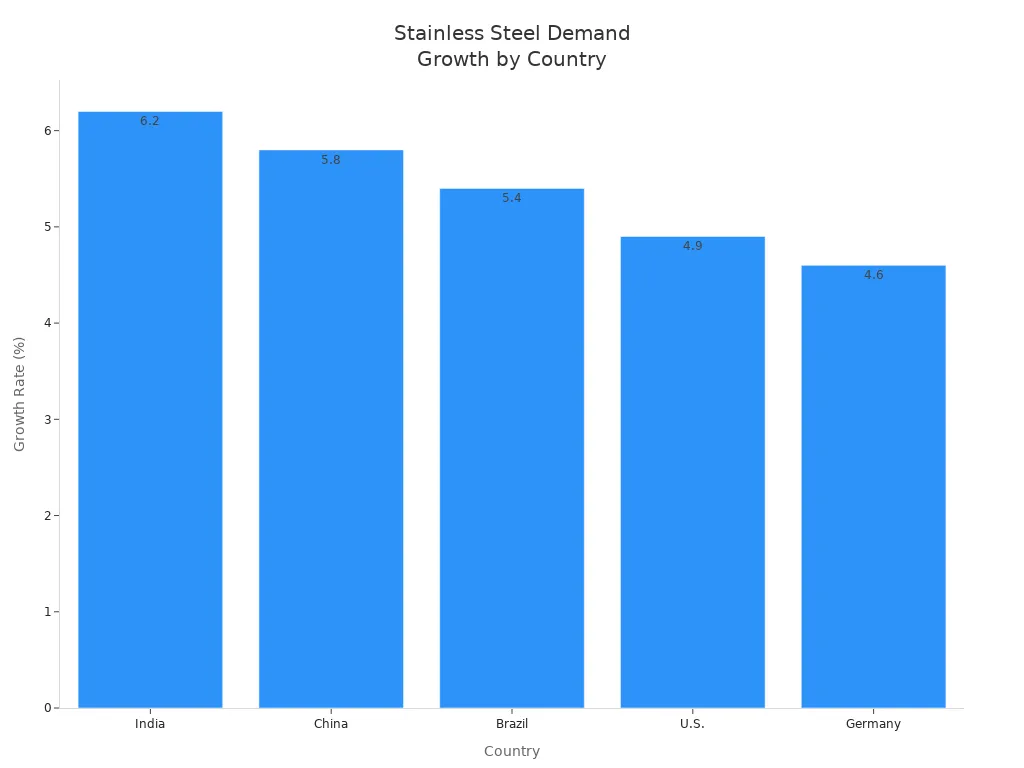
These trends show how the growth of the stainless steel market connects to global economic changes. As countries invest in infrastructure and urban growth, the demand for stainless steel will likely keep increasing.
Global Trends and the Convenience Brought by Stainless Steel
Sustainability Trends
There is a big change towards being eco-friendly in the stainless steel market. Many companies now care about the environment. Here are some important trends:
Companies are focusing on recycling stainless steel scraps. This helps the planet and lowers production costs.
Experts think that by 2026, 70% of stainless steel will come from recycled materials.
Manufacturers are using new technologies to work better. Cleaner production methods, like using renewable energy, are becoming common.
Recycling stainless steel can cut CO2 emissions by 50%. This means making one ton of recycled stainless steel creates only 1.45 tonnes of CO2. In contrast, making new stainless steel produces 2.90 tonnes of CO2. These actions support global efforts to lower carbon footprints and follow environmental rules.
Innovations in Products
The convenience of stainless steel also includes new product designs that make them easier to use. Recent updates in stainless steel products are:
Ergonomic designs that make them more comfortable to use.
Glass lids for pots that let you see food cooking without lifting the lid.
Stackable sets that save space in your kitchen.
You can also find more color choices for stainless steel items. Manufacturers now provide fingerprint-resistant finishes and different matte and shiny colors. Customization trends let you make your stainless steel products match your style.
New cookware, like the XBake range, shows a growing demand for eco-friendly options. This series uses green materials and PFAS-free non-stick coatings. These improvements not only make stainless steel products work better but also meet your needs for convenience and sustainability.
Benefits of Stainless Steel

Durability and Longevity
Stainless steel is known for being very strong and lasting a long time. You can expect stainless steel items to last from 30 to 50 years, depending on the type. Some high-quality stainless steel can even last over 100 years with little care. This means you won’t have to buy new items often, which saves you time and money.
Low Maintenance: Stainless steel needs very little care. You can clean it easily with soap and water. This makes it great for busy places like kitchens and hospitals.
Hygienic Properties: In food processing and medical uses, stainless steel’s smooth surface stops bacteria from sticking. This is very important for keeping things clean.
Here’s a quick look at how long stainless steel lasts compared to other materials:
Material Type | Average Lifespan (Years) | Notes |
|---|---|---|
Stainless Steel (Standard Grades) | 30-50 | Commonly used in many different areas. |
Stainless Steel (High-Performance) | 50-100+ | Lasts a long time with little care needed. |
Other Materials | Varies | Lifespan can be much shorter based on the material used. |
Corrosion Resistance
Corrosion resistance is another big plus for stainless steel. This material has at least 10.5% chromium, which creates a protective layer on its surface. This layer stops rust and corrosion, especially in wet or harsh environments.
Self-Repairing Layer: If the surface gets scratched, the chromium layer can fix itself. This keeps providing protection. This feature makes stainless steel great for tough places, like wastewater treatment plants.
Performance in Various Conditions: Stainless steel works well in situations where other metals might fail. For example, it resists microbially influenced corrosion (MIC), which can happen in wastewater settings.
Here’s a summary of important findings about stainless steel’s corrosion resistance:
Year | Researcher | Key Finding |
|---|---|---|
1911 | Philip Monnartz | Found that steel with at least 10.5% chromium has much better resistance to rust. |
Stainless steel is very important in today’s market. Its convenience comes from several key benefits:
Durability: Stainless steel lasts longer than many other materials. This means you won’t need to replace it often.
Corrosion Resistance: This helps it last longer, especially in tough conditions.
Hygienic Properties: Its smooth surface makes it easy to clean. This is very important for food and medical uses.
As you think about the future, keep in mind that the need for stainless steel will probably increase. Urban growth and eco-friendly trends are driving this rise. With a market growth rate of about 5.5% over the next five years, stainless steel is a smart choice for many uses.
Property/Application | Description |
|---|---|
High strength-to-weight ratio | It is strong but not too heavy, making it great for planes and cars. |
Aesthetic appeal | Its shiny look is popular in buildings, appliances, and kitchen items. |
Recyclability | It can be recycled completely, helping the environment and reducing waste. |
Enjoy the benefits of stainless steel as it keeps changing industries and improving your daily life.
FAQ
What is stainless steel made of?
Stainless steel is mostly made of iron, chromium, and nickel. It has at least 10.5% chromium, which helps it resist rust. Sometimes, it also has molybdenum and manganese to make it stronger.
Why is stainless steel popular in kitchens?
Stainless steel is common in kitchens because it is strong and easy to clean. Its smooth surface stops bacteria, making it safe for preparing food.
Can stainless steel be recycled?
Yes, stainless steel can be recycled very well. You can recycle it without losing its quality. This helps cut down on waste and is good for the environment.
How do I clean stainless steel?
To clean stainless steel, use warm soapy water and a soft cloth. Don’t use rough cleaners that can scratch it. For tough stains, a mix of vinegar and water works great.
Is stainless steel resistant to rust?
Yes, stainless steel resists rust because of its chromium. This layer protects it from corrosion, especially in wet places. But it can still rust in some situations.
See Also
Top 5 Benefits of Using Pre-Coated Stainless Steel in Kitchens
Exploring Roll-to-Roll Etching Benefits for Future Electronics
Why Etched Stainless Steel Springs Are Essential in Healthcare
Essential Metal Coatings for Your 304 Stainless Steel Strip
Improving Smart Wearables Using Pre-Plated Stainless Steel Strips