
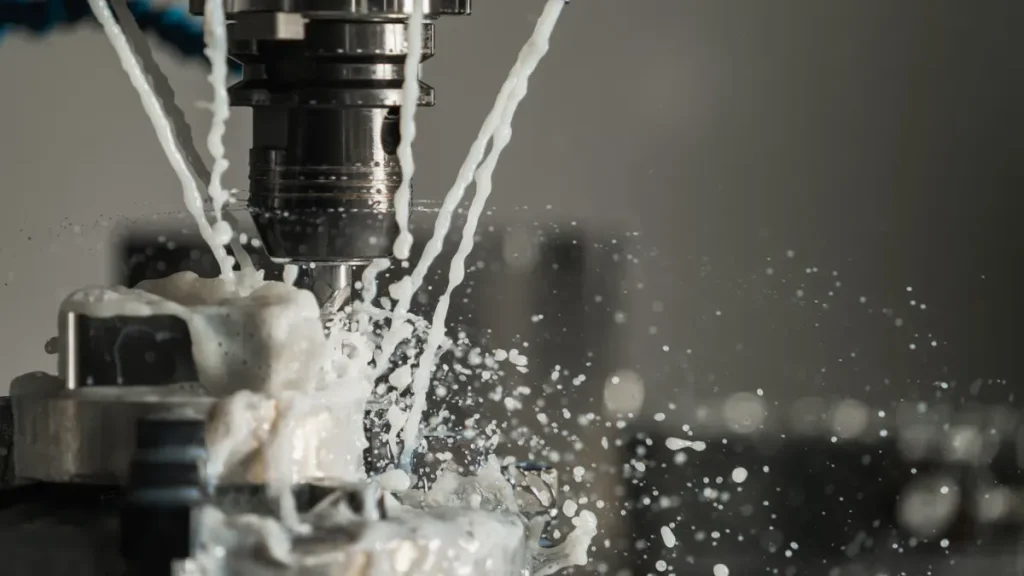
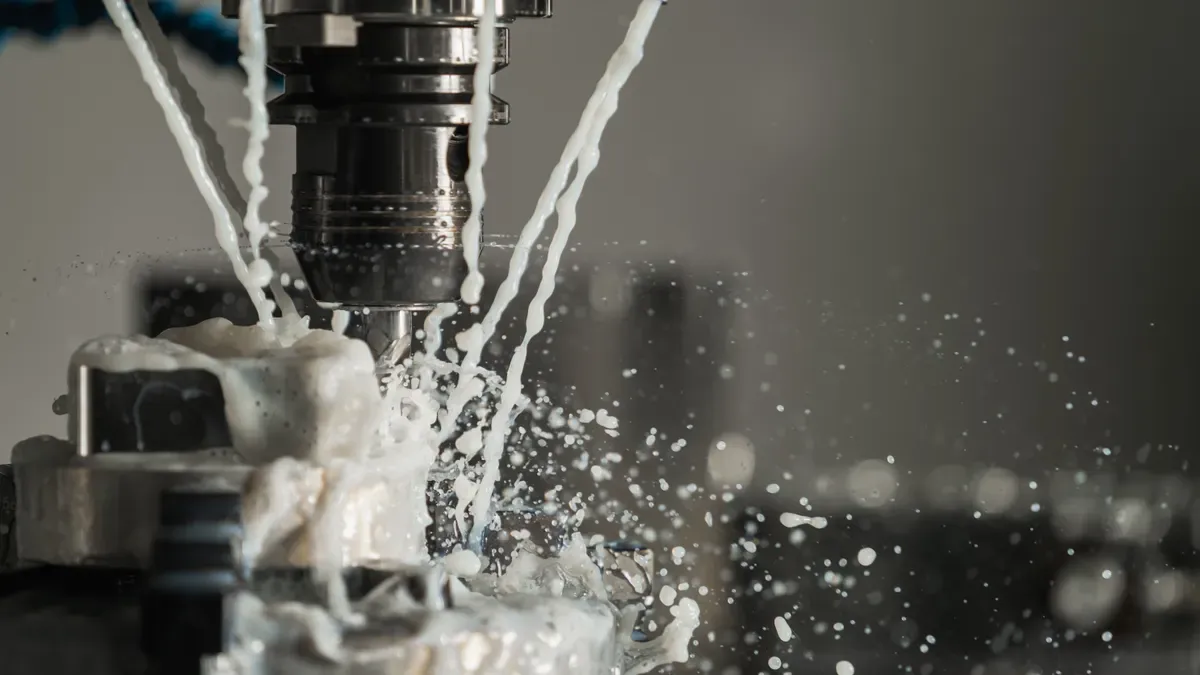
Precision machining plays a vital role in modern manufacturing. It involves the machining of precision parts to exact specifications. This process enhances efficiency and ensures high-quality production. The global precision machining market is projected to grow significantly, reaching a market size of approximately $228.8 billion by 2033. Technological advancements, such as IoT sensors and data analytics, have further boosted productivity in manufacturing. By optimizing processes, these innovations lead to better quality and reduced waste.
Key Takeaways
Precision machining achieves tight tolerances, ensuring high accuracy in parts. This is crucial for industries where even small deviations can cause significant issues.
Utilizing CNC machining techniques enhances efficiency and reduces human error. This leads to consistent product quality and faster production times.
Choosing the right materials for precision parts is essential. Consider factors like machinability and strength to optimize your manufacturing processes.
Precision machining is cost-effective, reducing waste and labor costs. This supports sustainable practices while maintaining high-quality production.
The versatility of precision machining allows it to serve various industries, including aerospace, automotive, and medical, making it a vital component of modern manufacturing.
What is Precision Machining?
Overview of Precision Machining
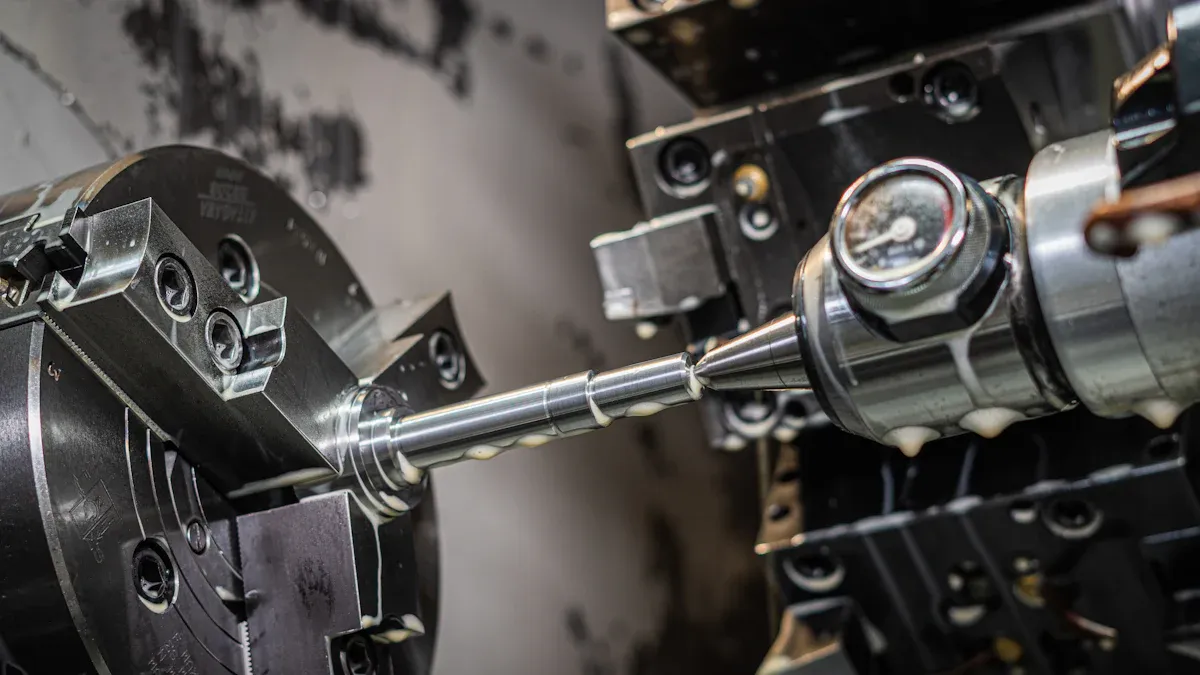
Precision machining is a subtractive manufacturing process that focuses on the machining of precision parts to exact specifications. This method involves removing material from a raw workpiece to achieve precise dimensions. You can expect tighter tolerances compared to standard machining, with precision machining achieving tolerances as small as ±0.0002 inches. The process encompasses the entire production workflow, including:
Material selection
Tooling strategy
Machine setup
Cutting parameters
In-process measurement
Final inspection
Surface finishing
Precision machining plays a crucial role in various industries, including aerospace, automotive, and medical. These sectors rely on high accuracy to ensure that parts fit and function flawlessly within complex assemblies.
The Precision Machining Process
The precision machining process consists of several key steps that ensure the production of high-quality components. Here’s a breakdown of the primary steps involved:
Material removal from a workpiece.
Utilization of processes such as turning, milling, drilling, gear cutting, honing, and grinding.
Application of heat treatment processes like carburizing, quenching, and tempering as needed.
Programming of computer numerical controls (CNC) to convert designs into exact shapes.
By following these steps, you can achieve high accuracy in manufactured parts. Precision machining combines advanced technology, skilled machinists, and rigorous quality control measures. This combination ensures components are produced with tight tolerances and minimal deviations from specified dimensions.
High precision and accuracy minimize the risk of defects and reduce material wastage. They also eliminate the need for extensive post-processing, contributing to cost efficiency and sustainability. Improved precision leads to better quality products and operational excellence.
To illustrate the differences between traditional machining and precision machining, consider the following table:
Aspect | Traditional Machining | Precision Machining |
|---|---|---|
Tolerances | Less tight tolerances | |
Surface Finish | Lower quality finishes | Achieves better, smoother finishes (measured in Ra) |
Manual Operation | Primarily manual | Can involve CNC and manual techniques |
Batch Size | Suited for larger batches | Suitable for low to mid-volume production |
Complexity | Simple parts | Handles complex parts with specialized operations |
Repeatability | Good repeatability | Better repeatability and consistency between batches |
Understanding these aspects of precision machining helps you appreciate its significance in modern manufacturing.
CNC Machining Techniques
Common CNC Methods
CNC machining encompasses various methods that enhance precision and efficiency in manufacturing. Here are some of the most widely used CNC machining methods:
CNC Machining Method | Description |
|---|---|
CNC Milling | Utilizes a vertical spindle for boring, drilling, and creating flat surfaces. |
CNC Turning | Involves rotating the workpiece to achieve complex shapes with high precision. |
Drilling | Creates precise cylindrical holes by rotating the workpiece. |
Grinding | Polishes rough surfaces and refines geometry after machining. |
Cutting | Uses shears to cut metal into desired shapes. |
CNC EDM | Employs thermal energy to remove material from conductive materials. |
These methods allow you to create intricate designs and components with high accuracy. Each method serves specific applications, making CNC machining versatile for various industries.
Tools Used in CNC Machining
The tools you select for CNC machining significantly impact the quality and speed of your operations. Here are some essential tools commonly used in CNC machining:
CNC milling machines: Use rotating cutting tools to create complex shapes.
CNC lathes: Produce cylindrical parts by rotating the workpiece.
CNC routers: Cut softer materials and large sheets, popular in woodworking.
Plasma cutting machines: Cut through metals using a high-velocity jet of plasma.
Laser cutting systems: Use focused beams of light for precision cutting and engraving.
Precision grinders: Create flat surfaces with a smooth finish.
Choosing the right tools can enhance your machining processes. For example, using appropriate tools can improve cutting speed, feed efficiency, and surface finish quality.
Tip: Effective tool selection can reduce cycle time and minimize tool wear, contributing to the longevity of your CNC machines.
CNC machining techniques improve efficiency in several ways:
CNC machines integrated with automation technologies enhance precision and repeatability, improving part quality.
Continuous operation of CNC machines minimizes downtime and maximizes productivity, leading to increased production output.
Automation reduces human error, contributing to higher efficiency in manufacturing.
By understanding these CNC machining techniques and tools, you can optimize your manufacturing processes and achieve superior results.
Benefits of Precision Machining
Tight Tolerances and High Accuracy
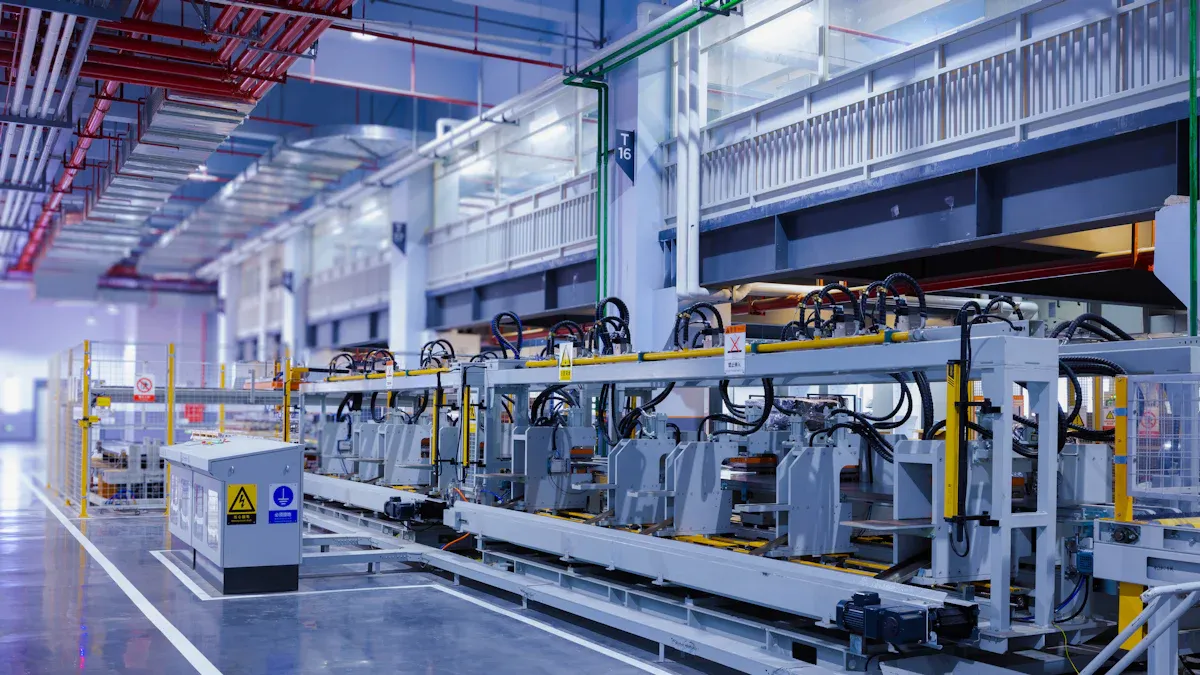
One of the primary benefits of precision machining is its ability to achieve tight tolerances and high accuracy. You can expect most CNC machining operations to reach tolerances of ±0.05 mm to ±0.01 mm. Advanced precision machining can even achieve tolerances as tight as ±0.005 mm to ±0.002 mm. For ultra-precision machining, tolerances can reach ±0.001 mm or tighter. This level of precision is crucial in industries where even the smallest deviation can lead to significant issues.
Machining Process | Surface Roughness | |
|---|---|---|
Turning | IT8~IT5 | Rα0.04~0.01μm |
Milling | IT8~IT7 | 6.3~1.6μm |
High-Precision CNC | ±0.005 mm to ±0.002 mm | N/A |
Ultra-Precision | ±0.001 mm or tighter | N/A |
Cost-Effectiveness and Material Efficiency
Precision machining serves as a cost-effective manufacturing process. It reduces production costs through several means:
Lower Production Costs: Fewer defects lead to less waste and lower material costs.
Reduced Labor Costs: Automation decreases the need for manual labor, cutting costs further.
Reduced Material Waste: Precision processes minimize excess material, optimizing resource use.
By ensuring tight tolerances and smooth finishes, precision machining minimizes material waste, which supports sustainable practices. You can also benefit from energy-efficient machine tools that save power and reduce costs.
Versatility in Applications
Precision machining is highly versatile and adapts to various manufacturing requirements. It finds applications across multiple industries, including:
Aerospace: Components like manifolds and firing mechanism assemblies are critical for aircraft performance.
Defense: Precision parts such as detector bodies and missile casings are essential for military applications.
Commercial: Items like engine parts, surgical instruments, and microchips highlight the importance of precision in consumer products.
This versatility allows you to use precision machining for a wide range of materials and designs, making it suitable for both lightweight and advanced materials.
Consistent Product Quality
Maintaining consistent product quality is another significant benefit of precision machining. You can achieve this through rigorous quality control measures, including:
Description | |
|---|---|
Machine Calibration | Ensures machinery is set up correctly for accurate operations. |
Real-time Monitoring | Provides instantaneous feedback for adjustments during the machining process. |
Dimensional Inspection | Uses precise tools to verify that components meet specified measurements and tolerances. |
Statistical Process Control (SPC) | Monitors production processes to detect irregularities and maintain quality standards. |
These measures help catch deviations early, reducing the risk of defects and ensuring high precision results.
Rapid Production Capabilities
Rapid production capabilities are essential for large-scale manufacturing. CNC machining allows for quick production, which is crucial for uniformity. Here are some advantages:
CNC machines minimize human error, contributing to the consistency of output across manufacturing batches.
Faster iteration cycles allow for more effective testing and refinement of designs.
Reduced lead times facilitate quicker market entry, giving you a competitive edge.
By leveraging these rapid production capabilities, you can enhance your manufacturing efficiency and ensure consistent quality.
Applications in Precision Manufacturing
Industries Utilizing Precision Machining
Precision machining serves various industries that demand high-quality components. Here are some key sectors that rely on this manufacturing process:
Industry | Description |
|---|---|
Automotive | Requires high precision for parts like transmission systems and engine components to ensure safety. |
Aerospace | Needs extreme precision for parts like turbine blades and landing gear to meet safety standards. |
Medical | Demands high accuracy for devices such as implants and surgical tools to ensure patient safety. |
Semiconductor | Relies on precision for manufacturing equipment that produces chips and microprocessors. |
Others | Includes sectors like defense, energy, and industrial machinery that require high-precision parts. |
These industries benefit from the accuracy and reliability that precision machining offers.
Materials for Precision Parts
Selecting the right materials for precision parts is crucial. Different materials provide unique strengths and applications. Here are some commonly used materials:
Material | Key Strengths | Applications |
|---|---|---|
Lightweight, strong, corrosion-resistant | Aerospace components, high-performance parts | |
Brass | Excellent machinability, corrosion resistance | Electronic connectors, plumbing components, medical applications |
Stainless Steel 316 | Corrosion-resistant | Structural fittings, automotive applications, kitchen cookware |
Carbon Steel 1045 | Strong, tough, machinable | Nuts, bolts, gears, bearings |
Aluminum 6061 | Good mechanical properties, corrosion-resistant | Bicycle frames, automobile parts, aircraft components |
Aluminum 7075 | High strength-to-weight ratio | Automotive and aircraft parts |
Fiber-Reinforced Composites | High strength-to-weight ratio | Aerospace, automotive, consumer products |
When choosing materials, consider factors like machinability, hardness, and cost. Materials with good machinability, such as aluminum and brass, allow for easier cutting and shaping. Harder materials, like titanium, may require specialized tools due to their toughness. Balancing performance with budget constraints is essential for effective precision manufacturing.
Precision machining stands as a cornerstone of modern manufacturing. It offers numerous benefits, including tight tolerances, cost-effectiveness, and consistent quality. As you explore the latest trends, consider how automation and advancements in CNC technology streamline production.
Here are some key opportunities for manufacturers:
Growth in semiconductor fabrication drives demand for ultra-precise components.
Reshoring initiatives create long-term demand for local production.
The shift to electric vehicles increases the need for high-tolerance components.
By leveraging these advancements, you can enhance your competitive edge and contribute to sustainable practices in manufacturing.
Tip: Embrace new technologies to optimize your processes and reduce environmental impact.
FAQ
What is precision machining used for?
Precision machining creates high-quality parts for industries like aerospace, automotive, and medical. You can find precision components in engines, surgical instruments, and electronic devices.
How does CNC machining differ from traditional machining?
CNC machining uses computer controls for precise operations. Traditional machining often relies on manual techniques, which can lead to less accuracy and consistency.
What materials can be machined using precision techniques?
You can machine various materials, including metals like aluminum, brass, and titanium, as well as composites and plastics. Each material has unique properties that affect machining processes.
What are the advantages of using CNC machines?
CNC machines offer high precision, repeatability, and efficiency. They reduce human error, lower production costs, and enable rapid production of complex parts.
How do I choose the right machining method for my project?
Consider factors like part complexity, material type, and required tolerances. Consulting with a machining expert can help you select the best method for your specific needs.
See Also
The Impact of Precision Metal Strips on Electronics
Achieving ±0.005mm Precision in Semiconductor Metal Etching
Enhancing Smart Wearables with Precision 316 Stainless Steel Strips
The Shift from Stamped to Etched Springs in Medical Devices
Revolutionizing US Tech Manufacturing with Tool-Free Selective Plating