
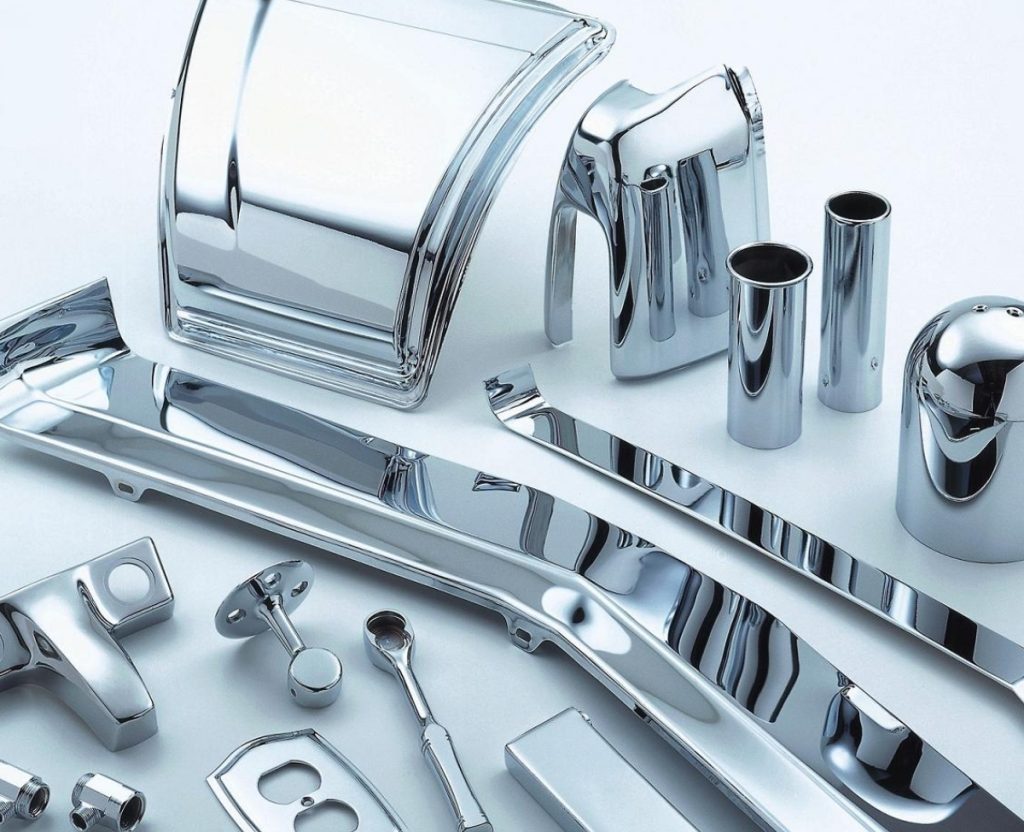
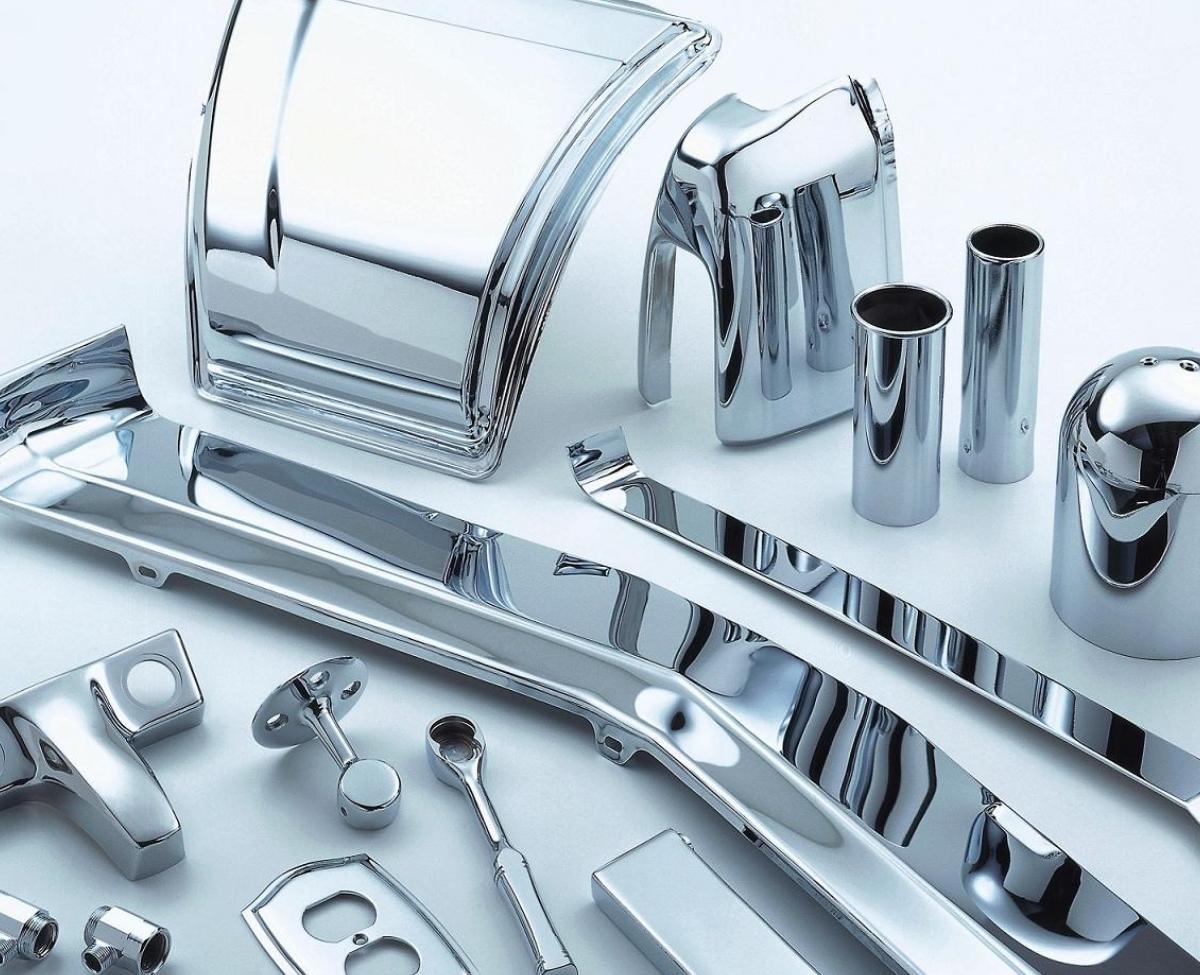
Electroplating is an important process with various applications of electroplating. It adds a layer of metal to a surface using electricity, making it very useful in today’s industries. This method enhances products by making them stronger, improving their conductivity, and increasing their aesthetic appeal. Understanding the different applications of electroplating helps manufacturers create better products.
The global electroplating market was worth about USD 20.03 billion in 2023.
It is expected to grow to USD 28.40 billion by 2032, indicating a growth rate of 4.08% each year.
The main areas driving this growth include automotive, electronics, and aerospace.
Electroplating is not just about functionality; it also plays a crucial role in meeting industry standards and fulfilling customer expectations.
Key Takeaways
Electroplating makes products last longer by adding a metal layer. This layer helps items resist damage and rust.
Industries like cars, electronics, and airplanes use electroplating. It helps them make better products and follow safety rules.
There are different electroplating methods, like nickel and gold plating. Each has special benefits, such as better conductivity and looks.
Electroplating is a cheap way for manufacturers to use less expensive materials. They can still get high-quality finishes.
Knowing how electroplating works helps manufacturers create new and better products. This leads to happier customers.
Understanding Electroplating
Basic Principles
The electroplating process uses some basic chemical and physical ideas. It uses electricity to add a layer of metal onto a surface. This happens in a liquid solution that has metal ions. When electricity flows through the solution, metal ions move to the negatively charged surface, called the cathode. Here are the main parts of the electroplating process:
Component | Description |
|---|---|
Anode | The positive electrode that gives the metal for plating. |
Cathode | The negative electrode, which is the surface being plated. |
Solution | A liquid solution with metal salts that help ions move. |
Power source | Provides direct current to the circuit, allowing the electroplating to happen. |
Key Components
A good electroplating setup needs specific parts that work well together. Each part is important for making the electroplating process successful. Below is a summary of these parts and what they do:
Component | Function |
|---|---|
Power Source | Provides direct current (DC) needed for the electroplating process. |
Cathodes | The item that gets plated, placed to connect with the current source. |
Plating Solution | The liquid solution that has metal ions for adding onto the cathode. |
Anodes | Positive electrodes that complete the circuit and may add more metal to the solution. |
Plating Tank | Holds the plating solution and helps the electroplating process. |
Knowing these ideas and parts is very important for industries that use electroplating. This knowledge helps manufacturers improve their processes, ensuring high-quality finishes and better product performance.
Electroplating Techniques
Hard Chrome Plating
Hard chrome plating adds a thick layer of chromium to a surface. This method makes items stronger and more resistant to wear. It is great for industrial uses. The process needs electric current. This current helps chromium ions move from the anode to the cathode.
Typical thickness ranges from 0.002” to 0.020” for various wear applications.
Hardness values typically measure between 65 and 69 on the Rockwell C (HRC) scale.
Feature | Hard Chrome Plating | Electroless Nickel Plating |
|---|---|---|
Thicker coating for enhanced durability | Thinner coating, suitable for specific areas | |
Process | Requires electric current | No electric current needed |
Corrosion Resistance | High resistance | More resistant to corrosion |
Industrial Applications | Suitable for various engineering applications | Ideal for hard-to-reach areas in automotive and oil industries |
Appearance | Milky silver, shiny when polished | Yellow hue, complex part geometry |
Coefficient of Friction | Lower than electroless nickel | Higher than hard chrome |
Nickel Plating
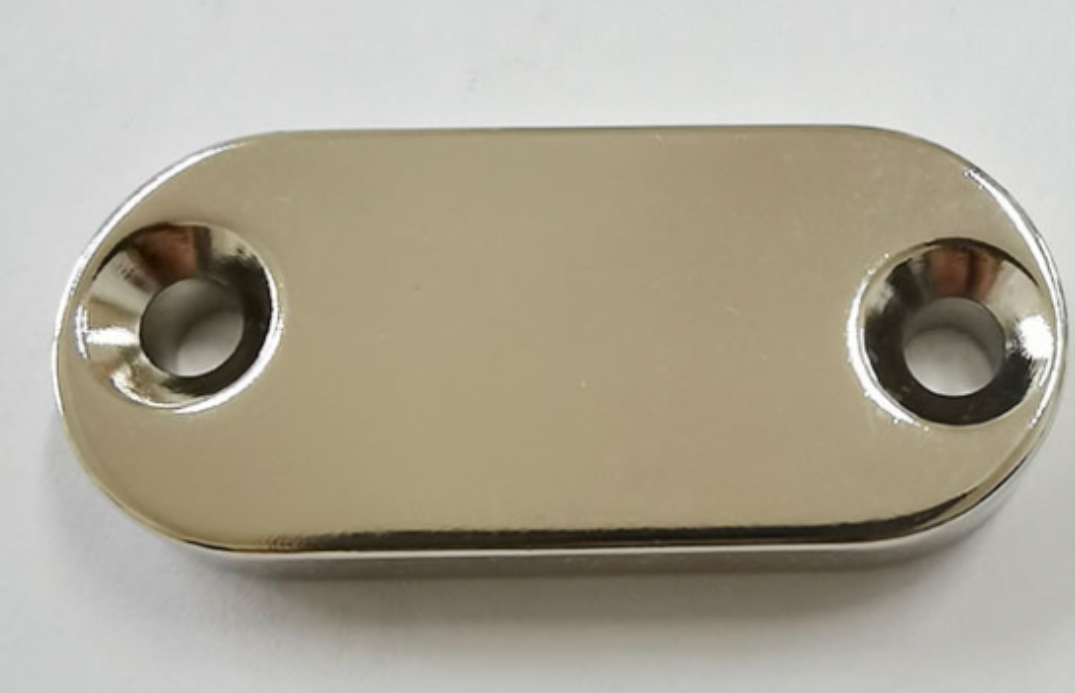
Nickel plating gives a protective layer that makes metal objects last longer and look better. This method is used in many industries, like automotive and electronics.
Corrosion Resistance: Protects metal objects from rust and degradation.
Durability and Hardness: Increases resistance to wear and abrasion.
Aesthetic Improvement: Provides a shiny and lustrous finish.
Nickel plating is cost-effective for large production runs. It is often used for car parts, electrical connectors, and decorative items.
Gold Plating
Gold plating puts a thin layer of gold on a surface. This offers great corrosion resistance and electrical conductivity. This method is important in electronics and jewelry making.
Advantage | Description |
|---|---|
Better Corrosion Protection | Gold is highly resistant to oxidation, protecting connectors from rust and corrosion in harsh environments. |
Improved Electrical Conductivity | Gold maintains conductivity over time and prevents surface oxidation, ensuring strong electrical connections. |
Increased Durability | Gold withstands wear and tear, prolonging the lifespan of connectors even in extreme conditions. |
Ease of Application | Gold’s malleability allows for precise application of plating thickness based on specific requirements. |
The average thickness of gold plating in electronic connectors ranges from 10 to 50 microinches, crucial for ensuring low and stable contact resistance.
Silver Plating
Silver plating is known for its excellent electrical conductivity. This makes it perfect for electrical parts and connectors. It also has great corrosion resistance and high reflectivity.
Superior Electrical Conductivity: Silver is the most conductive metal, ideal for electrical components and connectors.
Corrosion and Tarnish Resistance: Industrial coatings often include anti-tarnish treatments for longevity.
High Reflectivity: Enhances efficiency in optics and lighting applications.
Silver plating is often used in medical devices, jewelry, and decorative items. Its antimicrobial properties make it good for food-grade uses too.
Copper Plating
Copper plating adds a layer of copper to a surface. This improves its conductivity and resistance to corrosion. This method is widely used in electronics and automotive fields.
Electronics and Electrical Manufacturing: Connectors, circuit boards, and wiring benefit from copper’s conductivity.
Automotive and Aerospace Components: Copper plating improves corrosion resistance and wear performance on engine parts, fasteners, and electrical connectors.
Medical Devices: Surgical instruments and precision medical components are plated for durability and cleanliness.
Copper plating not only improves the surface properties of electronic parts but also keeps the base material strong.
Applications of Electroplating
Automotive Industry
Electroplating is very important in the automotive industry. Manufacturers use it to make parts last longer and work better. This process helps metal parts resist rust, which is very important for cars.
Electroplating adds a protective layer of strong metals like nickel or zinc. This layer helps parts last longer and need fewer replacements.
The coating from electroplating wears away instead of the main material. This method stops rust and wear, especially with zinc or zinc/nickel mixes.
Parts like engine pieces, fasteners, and decorative trims benefit from electroplating. The better performance and longer life of these parts help make cars safer and more reliable.
Electronics Industry
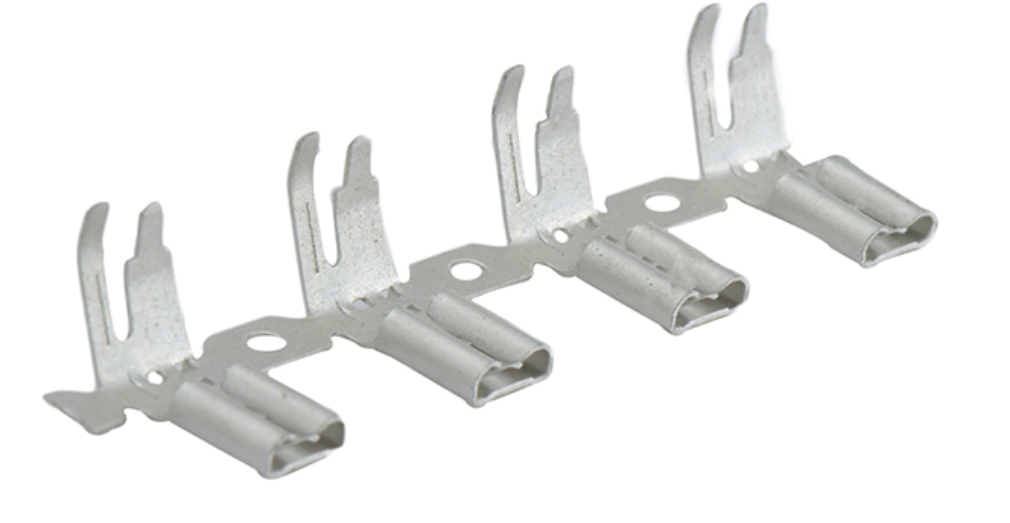
In electronics manufacturing, electroplating is key for making high-quality parts. This technique puts a thin layer of metal, usually copper, on Printed Circuit Boards (PCBs) and through their holes.
Strong electrical connections between different layers of the board are very important. Electroplating helps with this while making the PCB stronger.
Rectifiers control the flow of electricity during electroplating. They manage current density, lower voltage ripples, and protect against too much current, ensuring even metal layers.
Common metals used for electroplating in electronics include copper, nickel, gold, and silver. Each metal has special qualities that improve how electronic devices work. For example, gold is great for conductivity and resisting oxidation, making it perfect for connectors and contacts.
Aerospace Industry
Electroplating is also important in the aerospace industry. It helps improve the performance of key parts, making sure they are safe and reliable.
Benefit | Description |
|---|---|
Corrosion Resistance | Electroplating adds a protective layer that stops rust, helping parts last longer. |
Wear Resistance | It makes parts more resistant to wear, cutting down on maintenance and replacements. |
Electrical Conductivity | Electroplating boosts electrical conductivity, ensuring strong connections and fewer failures. |
Compliance with Regulations | Processes must follow FAA rules, ensuring safety and reliability in aerospace work. |
The aerospace industry depends on electroplated parts to meet strict safety rules. Better rust resistance and less friction help aircraft parts last longer and work better.
Jewelry and Consumer Goods
Electroplating greatly improves the look and durability of jewelry and consumer goods. This technique adds a layer of precious metals like gold and silver to cheaper base metals.
The process makes items more durable by adding protective coatings that resist wear and rust.
Gold-plated jewelry looks fancy at a lower price, attracting buyers who want high-quality items.
In jewelry, techniques like gold and rhodium plating are popular. Gold plating offers great conductivity and rust resistance, while rhodium plating boosts durability and gives a shiny finish. These uses of electroplating not only make products look better but also help them last through daily use.
Benefits of Electroplating
Durability and Corrosion Resistance
Electroplating makes parts much stronger in many industries. It adds a protective metal layer that helps resist wear and rust. For example, in cars, electroplating keeps parts safe from rust and damage from the environment. This helps them last longer. In airplanes, it helps parts handle tough conditions. In electronics, it makes connectors and circuit boards last longer by stopping oxidation. This process is very important for tools and gears in machines. It cuts down on wear and tear, which means lower maintenance costs and longer life for the equipment.
Aesthetic Enhancement
Electroplating also helps make products look better. It lets manufacturers give a nice finish to cheaper metals, making them more attractive. This improvement in appearance draws in customers and raises the product’s value. For instance, gold and silver plating on jewelry not only makes it beautiful but also adds a layer that resists rust, protecting the metal underneath. The shiny, polished look of electroplated items often leads to happier customers and more repeat sales.
Cost-Effectiveness
Electroplating has many money-saving benefits for manufacturers. It improves how products work without high material costs. Here are some key benefits of electroplating:
It gives a nice finish to cheaper metals, lowering overall costs.
The process makes parts stronger and more rust-resistant, which means fewer replacements.
Manufacturers can add thickness to surfaces without extra material costs, saving money.
By boosting strength and function, electroplating is a cost-effective choice for many uses.
Electroplating techniques are very important for making products work better and last longer in many industries. These methods offer big benefits, such as:
Corrosion Resistance: They make items stronger by adding a protective layer.
Wear Resistance: Tough coatings increase hardness and lower wear in tough conditions.
Cost Efficiency: Manufacturers can use cheaper materials while still getting high-quality surfaces.
New improvements, like automation and cyanide-free plating, help make coatings better and support eco-friendly goals. As industries keep changing, electroplating will stay important for creating strong and effective products.
FAQ
What is electroplating?
Electroplating is a method that uses electricity to add a layer of metal to a surface. This process makes items stronger, better at conducting electricity, and more attractive. It is useful in many industries.
What materials can be electroplated?
Common materials for electroplating are metals like gold, silver, nickel, copper, and chromium. Each metal has special advantages, like preventing rust or improving conductivity.
How does electroplating improve product performance?
Electroplating helps products work better by adding a protective layer that stops wear and rust. This process makes parts last longer, cuts down on maintenance costs, and increases reliability.
Is electroplating environmentally friendly?
Today’s electroplating methods focus more on being eco-friendly. Many manufacturers now use green solutions and processes to reduce harm to the environment while still making high-quality finishes.
What industries benefit from electroplating?
Industries like automotive, electronics, aerospace, and jewelry gain a lot from electroplating. This technique makes products stronger, better looking, and improves overall performance in these areas.
See Also
Mold-Free Plating Solutions for German Automotive Connectors
Selecting the Best Plating Service for Your Connectors
The Impact of Selective Electroplating on Lead Frame Quality