
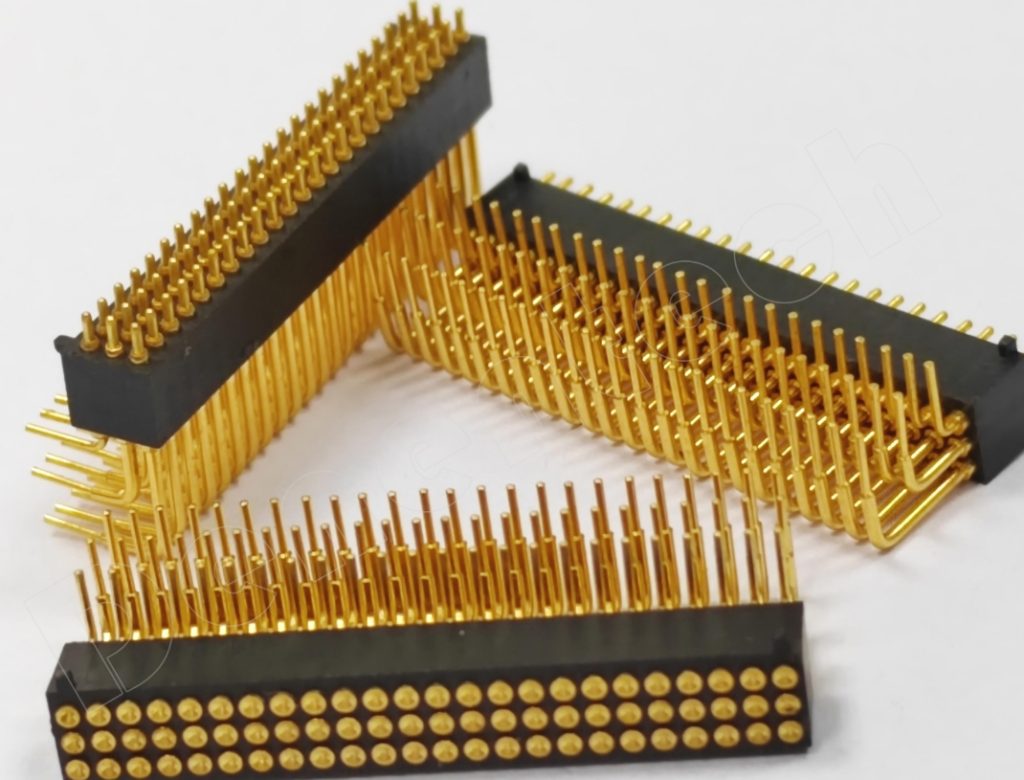
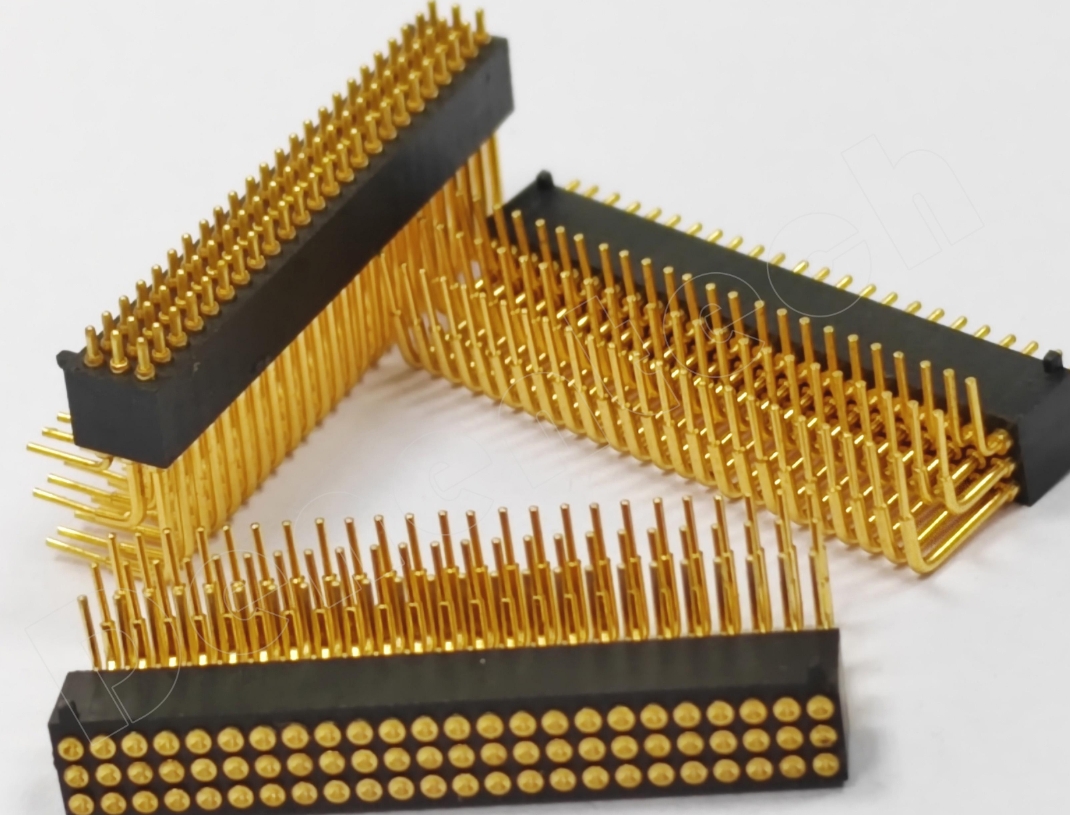
Innovations in electroplating technology significantly influence today’s market dynamics. It is important to recognize how advancements such as pulse plating, nanotechnology, and automation enhance coating properties while improving efficiency. This technological progress impacts the electroplating sector, driving a projected compound annual growth rate (CAGR) of 5-7% in the coming years. Furthermore, the shift towards sustainable practices opens up exciting new opportunities in the market, making it essential for you to stay informed about these developments.
Key Takeaways
Innovations like pulse plating and nanotechnology enhance electroplating efficiency and product quality.
Automation in electroplating reduces errors, increases productivity, and improves workplace safety.
Sustainable practices, such as using trivalent chromium and closed-loop systems, are essential for compliance and market growth.
The automotive and electronics sectors drive demand for durable and high-performance electroplated components.
Emerging markets, particularly in Asia, present significant growth opportunities for the electroplating industry.
Tech Innovations in Electroplating
New Materials and Coatings
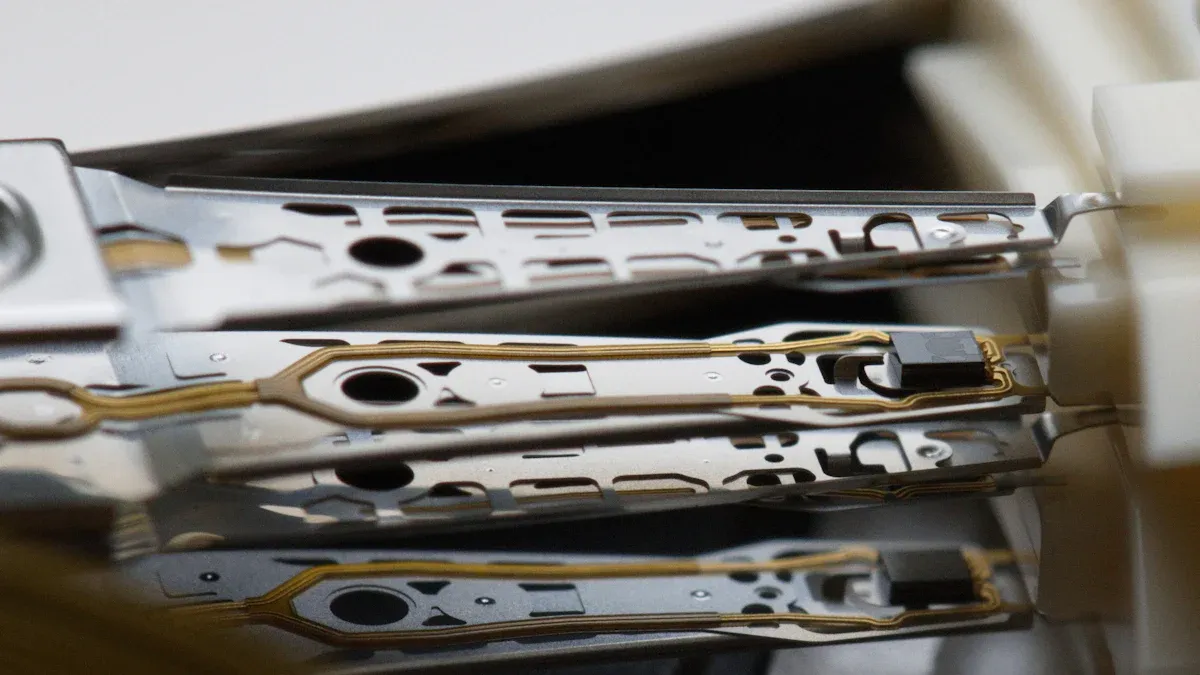
Recent advancements in electroplating technology have introduced innovative materials and coatings that significantly enhance performance and durability. These developments not only improve the quality of electroplated products but also align with the growing demand for sustainable solutions in the global electroplating market. Here are some notable advancements:
Advancement Type | Description |
|---|---|
Trivalent Chrome | A safer alternative to hexavalent chromium, with improved performance characteristics, though hardness for industrial applications is still under research. |
Cyanide-Free Plating | Alternatives to cyanide-based electrolytes are being developed, including alkaline non-cyanide systems and ionic liquids, which are already established in some applications. |
Closed-Loop Water Systems | Innovations aimed at recycling plating solutions and reducing waste, with significant investments from companies to improve ecological impacts. |
Hybrid Plating Systems | Combines electrolytic and electroless processes for high-precision metallization, addressing the needs of advanced semiconductor architectures with modular systems for better process control. |
These new materials enhance the electroplating process in various ways. For instance, electroplating with hard metals like chromium increases wear resistance, which is crucial for components such as gears and bearings. Coatings like zinc and nickel provide essential corrosion protection by acting as barriers against moisture, particularly for automotive and marine parts. Additionally, coatings made from gold, silver, and copper improve electrical conductivity, vital for electronic components.
Automation in Electroplating
Automation is revolutionizing the electroplating industry by streamlining processes and enhancing productivity. Implementing automated systems reduces human intervention, minimizes errors, and optimizes every stage of electroplating. Here are some key benefits of automation:
Automated systems streamline the plating process, leading to higher throughput and cost savings.
Robots offer unparalleled precision, flexibility, and adaptability in handling intricate tasks.
Automation reduces errors and part rejection, enhancing overall productivity and profitability.
Automated systems relieve workers from physically straining positions, improving workplace safety.
The introduction of robotic arms ensures precise and consistent plating, which enhances product quality and reduces waste. Advanced quality control mechanisms using automated sensors provide real-time feedback, minimizing defects. In fact, automated systems maintain a nickel concentration three-and-a-half times better than manual processes, demonstrating significant quality improvements.
Moreover, automation has led to a rapid increase in production capacity and efficiency, with positive results observed within a week of implementation. This technological progress not only boosts productivity but also aligns with the industry’s shift towards sustainability, creating a more competitive market.
Electroplating Market Dynamics
Demand and Supply Trends
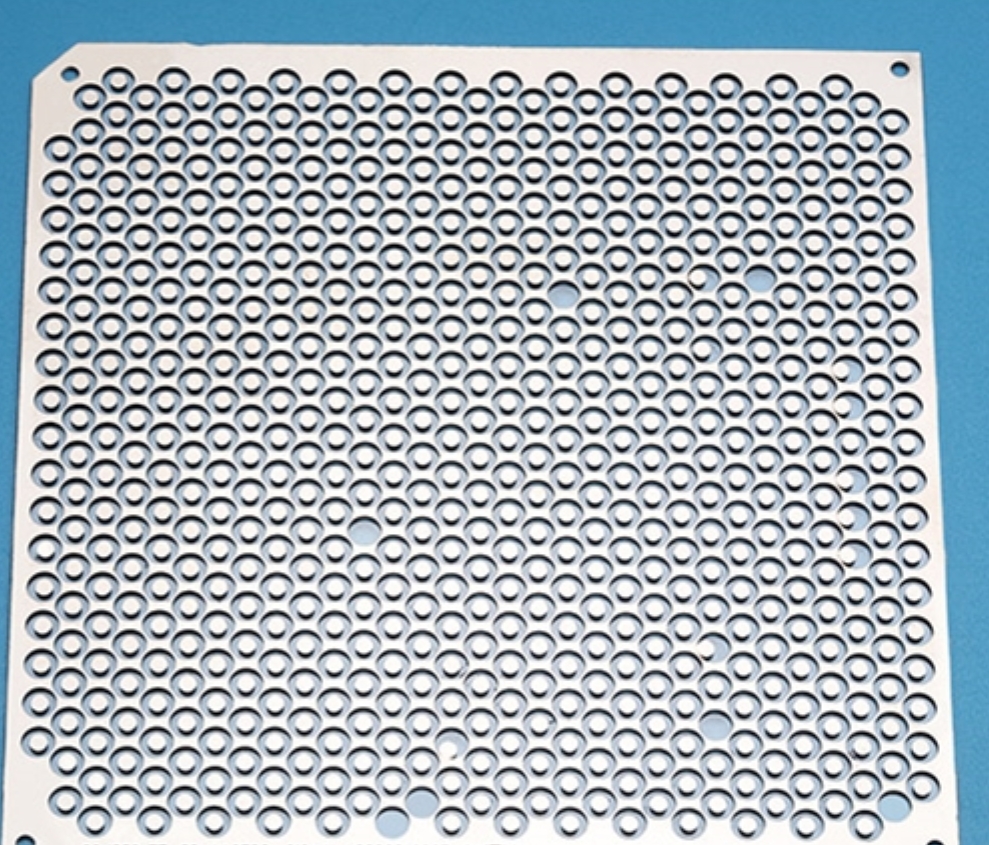
The electroplating market is currently experiencing dynamic shifts driven by various factors. You will notice a significant transition from decorative to functional plating. This shift reflects the industry’s response to increasing demands for durability and performance in applications across multiple sectors.
Statistic | Value |
|---|---|
Global electroplating production volume | |
China’s share of global electroplating output | 60% |
US electroplating production capacity | 2.1 million tons (2022) |
Capacity utilization rate (2023) | 78% |
Global electroplating market size | $12.3 billion (2022) |
Asia Pacific market size projection (2027) | $7.8 billion |
Projected global demand for nickel (2027) | 1.2 million tons |
Expected growth rate (2023-2030) | 3.8% |
The automotive and electronics sectors significantly influence the demand for electroplating services. The automotive industry relies heavily on electroplating for components that require enhanced corrosion resistance and wear durability. As the market shifts towards electric vehicles (EVs), the need for high conductivity and durability in components further drives demand. Similarly, the electronics sector utilizes electroplating for high-performance components, which require excellent electrical conductivity and surface finishes.
However, the market faces challenges due to supply chain disruptions and fluctuations in raw material prices, particularly for nickel and copper. These factors can lead to increased costs and limited availability of products. Additionally, tightening environmental and occupational safety regulations complicate production processes, increasing operational costs.
There is a growing opportunity for environmentally friendly plating processes, such as trivalent chromium systems and low-toxicity additives. These innovations not only help manufacturers comply with regulations but also enhance the sustainability of electroplating operations, potentially stabilizing prices and improving availability in the long run.
Competitive Landscape
The competitive landscape of the electroplating market has evolved significantly. New entrants are utilizing disruptive technologies and advanced automation, intensifying competition in niche markets. Established companies are responding by enhancing their research and development efforts to retain their market position.
You will find that strategic alliances and acquisitions are becoming common as firms aim to strengthen their technological capabilities and control over supply chains. This trend reflects the industry’s need for innovation and adaptability in a rapidly changing market environment.
Factor | Description |
|---|---|
Comprehensive Surface Protection | Functional plating systems provide enhanced durability characteristics and corrosion resistance. |
Cost Reduction | Aligns with manufacturing efficiency expectations and maximizes production quality. |
Improved Performance | Increasing requirements for enhanced performance and durability in applications like electronics. |
Innovations in Plating Technology | New technologies are enabling broader functionalities, making functional plating essential. |
Industrial Modernization | The need for reliable metal finishing systems that enhance performance and reduce costs. |
As you can see, the electroplating market is poised for growth, driven by technological advancements and increasing demand from key industries. Staying informed about these dynamics will help you navigate the evolving landscape effectively.
Applications in the Global Electroplating Market
Automotive Sector
The automotive industry stands as the largest consumer of electroplating services, accounting for approximately 35% of total demand. You will find that electroplating plays a crucial role in enhancing the durability and longevity of vehicles. Key applications include:
Exceptional surface quality for components.
Corrosion protection for engine parts, body trims, and fasteners.
Aesthetic enhancements for luxury vehicles.
Electroplating improves component lifespan through corrosion resistance and ensures efficient electrical performance in modern vehicles. As the market shifts towards electric vehicles, the demand for reliable and durable electroplated components continues to grow.
Electronics and Consumer Goods
In the electronics sector, electroplating technology significantly enhances electrical conductivity, which is vital for electronic components and circuits. You can expect to see applications such as:
Improved solderability and bondability of surfaces for printed circuit boards.
Fabrication of semiconductor devices and integrated circuits, where metals like copper are deposited.
Use of gold electroplating to enhance conductivity and prevent oxidation.
Electroplating allows manufacturers to use less expensive metals while still achieving high conductivity. This process helps reduce costs for consumer electronics, making it essential in the production of devices like cell phones and computers.
Aerospace Applications
Electroplating also finds critical applications in the aerospace sector. Specialized electroplating solutions enhance component durability and electrical performance. Key benefits include:
Superior wear and corrosion resistance for high-stress environments.
Thin, uniform plating layers that ensure exceptional conductivity while minimizing material use.
Selective plating techniques that allow for precision on targeted areas, reducing assembly time.
Nickel plating, for instance, enhances wear resistance and corrosion protection, ensuring components can endure harsh aerospace conditions. This focus on durability and performance aligns with the growing need for eco-friendly solutions in the global electroplating market.
Challenges in Electroplating
Regulatory Compliance
You face significant challenges regarding regulatory compliance in the electroplating industry. Environmental regulations impose strict guidelines on hazardous waste and chemical usage. These regulations can lead to substantial compliance costs, often exceeding $100,000 annually. Non-compliance can result in hefty fines and even operational shutdowns, posing major risks to your business. Here’s a summary of the key compliance challenges:
Challenge | Description |
|---|---|
Environmental Regulations | The industry faces scrutiny due to regulations on hazardous waste and chemical usage. |
Compliance Costs | Compliance measures can exceed $100,000 annually, requiring significant investment. |
Penalties for Non-compliance | Failure to comply can lead to hefty fines and operational shutdowns, posing major risks. |
Efficiency and Cost Issues
Efficiency and cost management present additional hurdles in electroplating operations. You must navigate various factors that can impact your bottom line:
Environmental Pollution: Toxic chemicals used in electroplating can contaminate soil and water, posing risks to ecosystems and human health.
High Energy Consumption: The process is energy-intensive, contributing to greenhouse gas emissions.
Health Hazards for Workers: Exposure to harmful substances can lead to serious health issues, increasing operational costs due to safety measures.
To address these challenges, many companies optimize bath compositions to enhance material efficiency and reduce waste. Implementing automation can decrease labor costs and improve process consistency. Additionally, enhancing energy efficiency can lower electricity consumption, a major cost factor.
By focusing on these areas, you can improve your operational efficiency while navigating the complexities of the electroplating market.
Growth Opportunities in Electroplating
Emerging Markets
You will find that several emerging markets are driving growth in the global electroplating market. Countries like China and India are experiencing rapid industrialization, particularly in their automotive sectors. This growth leads to increased demand for electroplating services. Here’s a closer look at some of these emerging markets:
Country | Growth Factors |
|---|---|
China | |
India | Rapid industrialization, automotive sector growth |
Japan | High-quality manufacturing processes |
Australia | High-quality manufacturing processes |
Indonesia | |
Thailand | Emerging market with rising demand |
In addition to these countries, regions like Saudi Arabia are investing heavily in industrial diversification, which includes expanding electroplating capabilities. Localized supply chains and government initiatives further support this growth, enhancing manufacturing capabilities across various sectors.
Eco-Friendly Technologies
Sustainable practices are becoming essential in the electroplating industry. You can expect to see a rise in eco-friendly technologies that minimize environmental impact. Here are some key advancements:
Green Electroplating Techniques: Innovations are replacing toxic chemicals with safer alternatives, such as non-cyanide alkaline baths.
Energy Efficiency: The use of energy-efficient equipment and advanced power management systems significantly reduces energy consumption.
Water Conservation: Implementing closed-loop water systems and efficient rinsing methods minimizes water usage and wastewater generation.
Moreover, optimizing tank sizes and substituting hazardous chemicals are crucial steps toward sustainability. Companies that adopt these practices not only comply with regulations but also enhance their profitability and reputation. Emphasizing eco-friendly solutions attracts environmentally-conscious consumers, creating new revenue streams.
By focusing on these growth opportunities, you can position yourself advantageously in the evolving electroplating market.
Innovations in electroplating technology significantly shape market trends and future growth. You can expect several key developments:
Smart Process Control Expansion: AI systems will reduce defects and chemical use.
Localized Supply Chain Strategies: Companies will diversify suppliers to improve resilience.
Sustainable Chemistry Adoption: Facilities will shift to lower-emission technologies.
Precision Coating for Electronics: Advanced techniques will enhance coating consistency.
These trends indicate a promising future for the electroplating market. Staying informed about these advancements will help you navigate the evolving landscape effectively.
FAQ
What is electroplating?
Electroplating is a process that uses electrical current to deposit a layer of metal onto a surface. This technique enhances properties like corrosion resistance, conductivity, and aesthetic appeal.
What industries use electroplating?
You will find electroplating widely used in the automotive, electronics, aerospace, and consumer goods industries. Each sector relies on electroplating for improved durability and performance of components.
How does automation impact electroplating?
Automation streamlines electroplating processes, increasing efficiency and reducing errors. It enhances productivity by ensuring consistent quality and minimizing waste, ultimately lowering operational costs.
What are eco-friendly electroplating options?
Eco-friendly options include trivalent chromium plating and non-cyanide systems. These alternatives reduce environmental impact while maintaining performance, aligning with sustainability goals in the industry.
What challenges does the electroplating industry face?
The industry faces challenges such as regulatory compliance, rising raw material costs, and environmental concerns. Companies must adapt to these issues to remain competitive and sustainable.
See Also
Revolutionizing Prototyping With Die-Free Selective Plating Solutions
Strategies to Lower Plating Mold Expenses for Electronics Makers
Exploring Roll-to-Roll Etching Benefits for Future Electronics
Moldless Selective Plating Solutions for Indian Electronics Manufacturers
The Impact of Selective Electroplating on Lead Frame Quality