
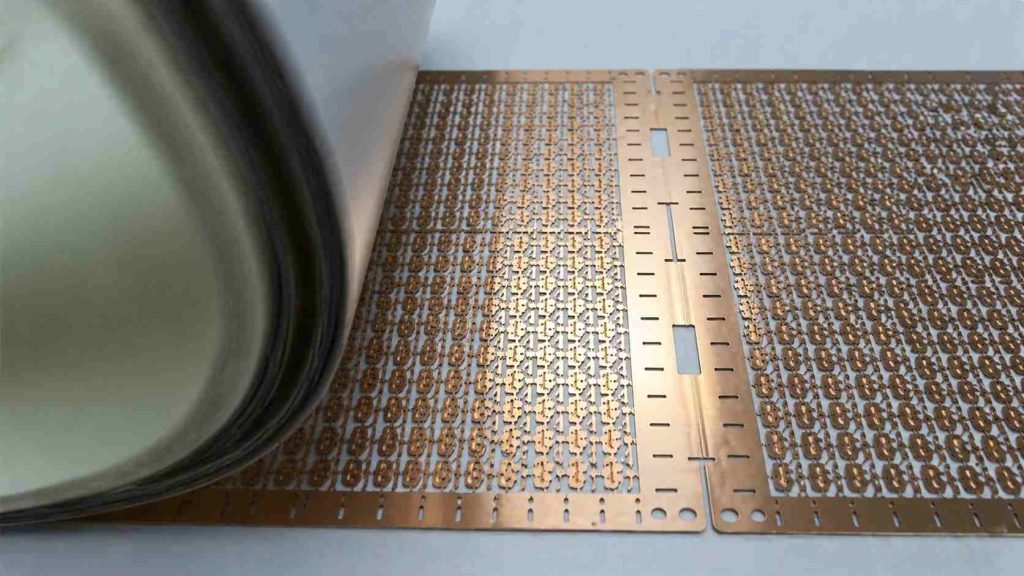
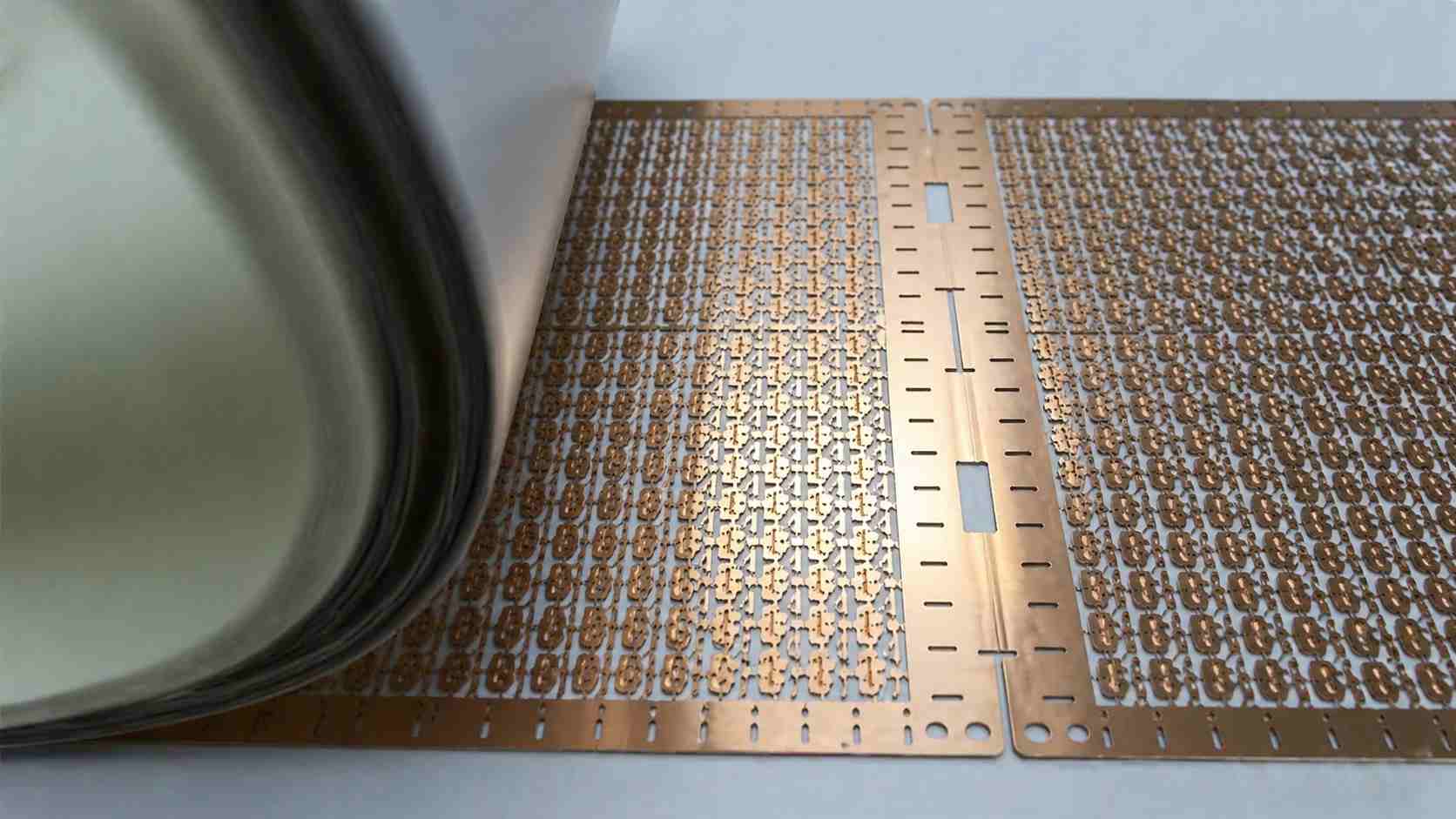
Automotive electronics play a crucial role in Vietnam’s growing automotive industry. As you explore this sector, you will notice how advanced manufacturing techniques, such as continuous electroplating, enhance quality and efficiency. This innovative process allows manufacturers to achieve consistent coatings on metal components, ensuring reliability and durability. With the increasing demand for high-performance vehicles, embracing these technologies becomes essential for staying competitive in the market.
Key Takeaways
Continuous electroplating ensures uniform coating thickness, enhancing the reliability of automotive components.
Automation in reel-to-reel electroplating streamlines production, reduces labor costs, and increases efficiency.
Adopting eco-friendly practices in electroplating minimizes waste and aligns with sustainability goals.
Reel-to-reel stamping significantly cuts material costs by applying coatings only where necessary, improving profitability.
Staying compliant with industry standards builds trust with customers and protects your business from legal issues.
Quality of Continuous Electroplating
Consistency in Coating
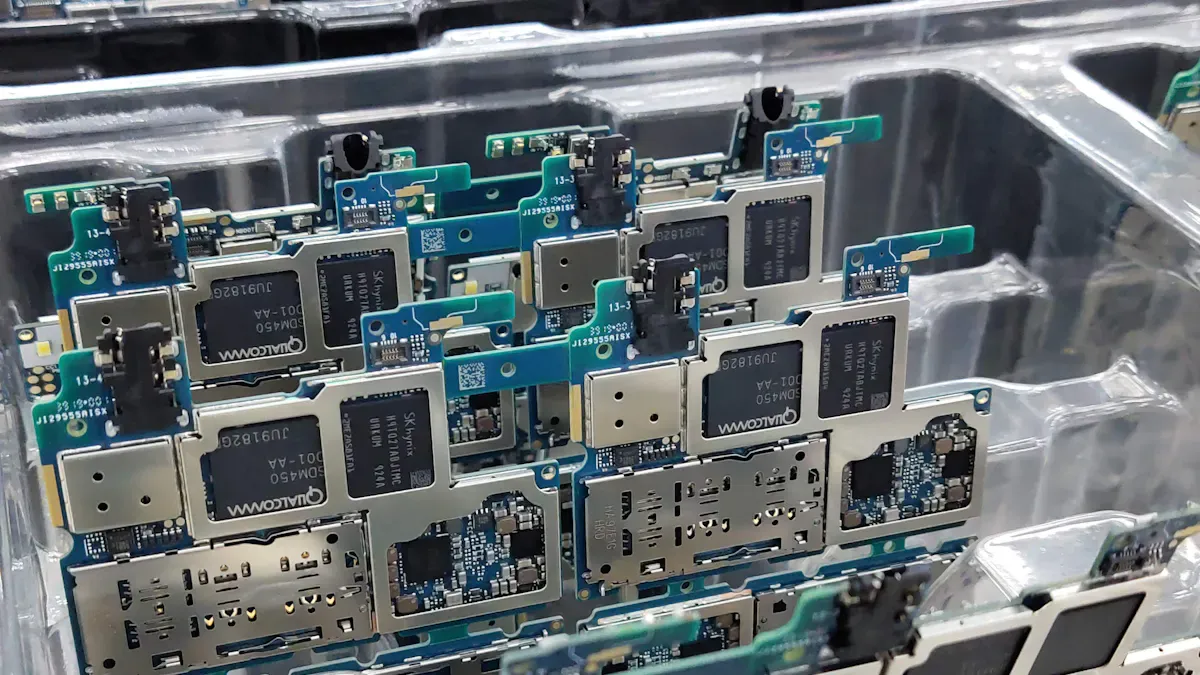
Continuous electroplating stands out for its ability to deliver uniform coating thickness across metal components. This consistency is crucial in automotive electronics, where even minor variations can lead to performance issues. With continuous electroplating, you benefit from precise control over coating thickness, which meets the tight tolerances required in high-performance applications.
Consider the following advantages of continuous electroplating compared to traditional batch plating methods:
Feature | Continuous Electroplating | Traditional Batch Plating |
|---|---|---|
Speed | High speeds (150-200 m/min) | Slower, batch processing |
Coating Thickness Control | Incremental build-up through multiple cells | Less precise, variable thickness |
Surface Finish | Excellent, comparable to hot-dip galvanizing | Often inconsistent |
Application | Suitable for automotive body panels | Limited to specific applications |
This table illustrates how continuous electroplating ensures a superior surface finish and consistent coating thickness, which are vital for automotive terminals. You can trust that your components will meet the high standards expected in today’s automotive industry.
Enhanced Durability
Durability is another significant advantage of continuous electroplating. The process creates a robust coating that enhances the lifespan of automotive components. By applying multiple layers of electroplated material, you achieve a finish that withstands wear and tear, corrosion, and environmental factors.
Many manufacturers have reported improved performance and longevity of their products after switching to continuous electroplating. For instance, a local automotive parts supplier noted that their components experienced a 30% increase in lifespan after adopting this technology. This improvement not only reduces replacement costs but also enhances customer satisfaction.
Efficiency of Reel-to-Reel Electroplating
Automation Benefits
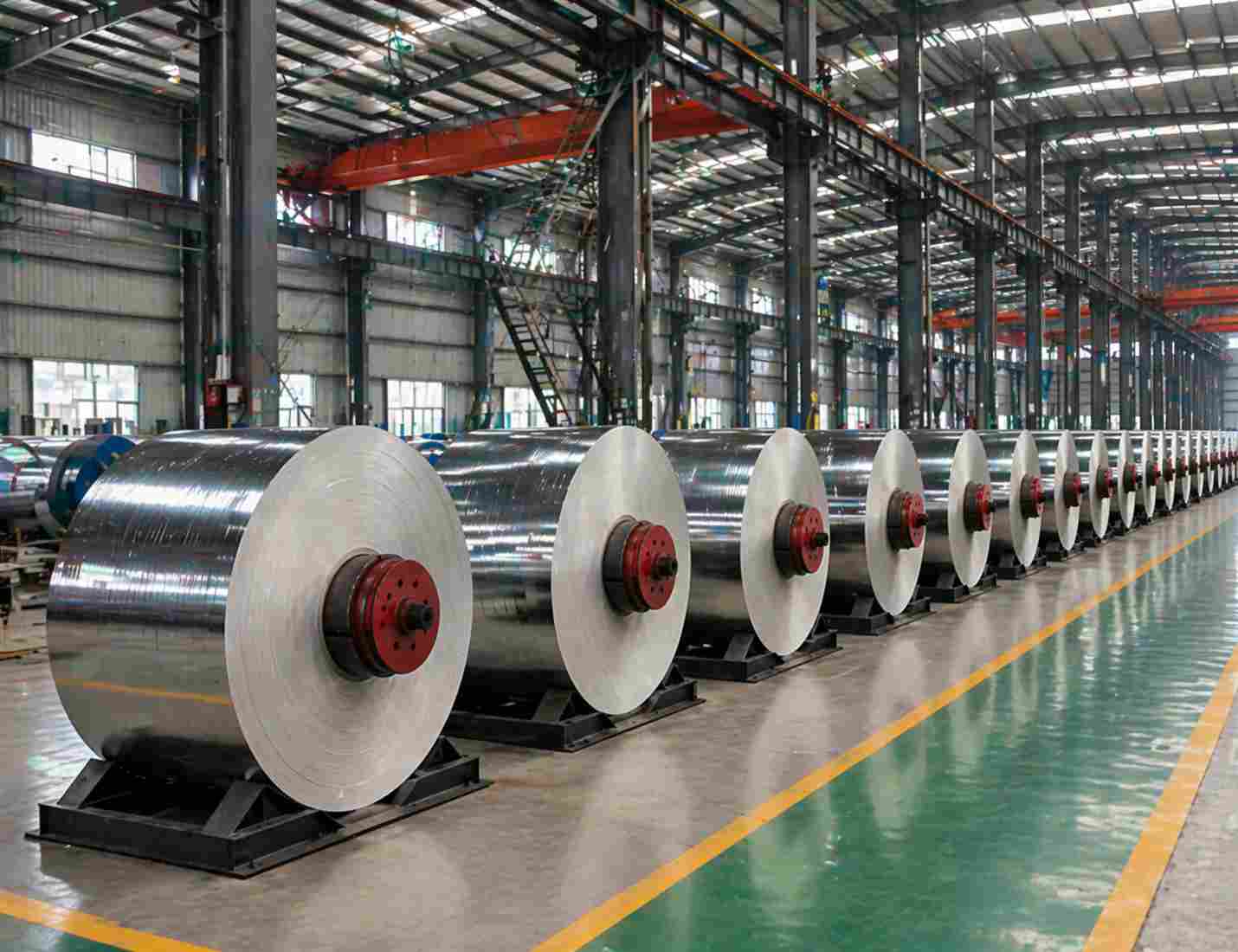
Reel-to-reel electroplating significantly enhances production efficiency through automation. By integrating automated systems, you streamline the entire electroplating process. This shift reduces the need for manual labor, allowing your factory to operate more smoothly. Here are some key benefits of automation in this context:
Streamlined production processes: Automation minimizes manual intervention, leading to a more efficient workflow.
Reduced manual handling: With less physical labor required, you can lower labor costs.
Enhanced efficiency: Faster processing times mean you need fewer workers to achieve the same output.
The table below summarizes how automation impacts labor requirements in automotive electronics factories:
Evidence | Explanation |
|---|---|
Streamlined production processes | Automation reduces the need for manual labor, allowing for a more efficient workflow. |
Reduced manual handling | Automation minimizes the physical labor required, leading to lower labor costs. |
Enhanced efficiency | Faster processing times mean fewer workers are needed to achieve the same output. |
Reduced Material Waste
Reel-to-reel electroplating also contributes to significant material savings. The selective plating process allows you to apply coatings only where necessary, which reduces the consumption of metals. This efficiency not only cuts costs but also minimizes waste. Here are some advantages of reduced material waste:
Reduced consumption of metals: Selective plating decreases material costs, which can lead to lower labor costs associated with handling excess materials.
Elimination of intermediate handling: Direct feeding of plated strips into cutting presses reduces the need for additional labor in logistics.
Single-site manufacturing: This approach reduces the number of labor steps involved in material handling, thus decreasing labor requirements.
The following table illustrates how reduced material waste impacts production efficiency:
Evidence | Explanation |
|---|---|
Reduced consumption of metals | Selective plating decreases material costs, which can lead to lower labor costs associated with handling excess materials. |
Elimination of intermediate handling | Direct feeding of plated strips into cutting presses reduces the need for additional labor in logistics. |
Single-site manufacturing | Reduces the number of labor steps involved in material handling, thus decreasing labor requirements. |
By adopting reel-to-reel electroplating, you not only improve efficiency but also align with industry demands for sustainability and cost-effectiveness. As industry experts note, “The integration of automation in electroplating processes is a game-changer for manufacturers, allowing them to meet the growing demands of the automotive sector while minimizing waste.”
Cost-Effectiveness of Reel-to-Reel Stamping
Labor Cost Reduction
Reel-to-reel stamping significantly lowers labor costs in automotive electronics manufacturing. By streamlining production processes, you can reduce the number of workers needed on the assembly line. Automation plays a key role here. It minimizes manual handling and allows machines to perform repetitive tasks efficiently. This shift not only cuts labor costs but also enhances productivity.
Consider these benefits of reduced labor costs:
Fewer workers needed: Automation allows you to maintain high output with fewer employees.
Increased efficiency: Machines can operate continuously, leading to faster production cycles.
Lower training costs: With fewer manual tasks, you spend less time training new employees.
Material Savings
Material savings are another crucial aspect of reel-to-reel stamping. This method employs selective and pre-plating techniques that minimize material waste. By applying coatings only where necessary, you reduce the consumption of expensive metals. This approach not only cuts costs but also maintains the quality of your products.
Here are some key points regarding material savings:
Streamlined production processes: Efficient methods reduce overall costs by minimizing material usage.
In-house operations: Eliminating multiple handling steps leads to cost reductions and improved output consistency.
Real-time adjustments: You can make immediate changes during production, enhancing efficiency and further lowering costs.
By adopting reel-to-reel stamping, you position your business for long-term savings. The combination of reduced labor costs and material savings creates a more sustainable and profitable manufacturing process. As the automotive industry in Vietnam continues to grow, these advantages will become increasingly vital for staying competitive.
Sustainability in Electroplating
Eco-Friendly Practices
In the realm of electroplating, sustainability has become a pivotal focus. You can adopt eco-friendly practices that not only benefit the environment but also enhance your brand’s reputation. Continuous electroplating offers several green advantages. For instance, it minimizes waste by using precise application techniques. This method ensures that you apply coatings only where needed, reducing excess material usage. Additionally, the process often involves closed-loop systems that recycle water and chemicals, further decreasing environmental impact.
Consider the following eco-friendly practices:
Water Recycling: Implement systems that reuse water, cutting down on consumption.
Energy Efficiency: Use energy-efficient equipment to lower your carbon footprint.
Waste Reduction: Opt for processes that generate less waste, aligning with sustainability goals.
Tip: By integrating these practices, you not only contribute to environmental conservation but also meet the growing consumer demand for sustainable products.
Industry Compliance
Staying compliant with industry standards is crucial for your business’s success. The automotive sector in Vietnam, like many others, adheres to strict regulations regarding environmental impact. Continuous electroplating aligns well with these standards. It offers precise control over the plating process, ensuring that you meet the necessary quality and environmental benchmarks.
You should be aware of key compliance areas:
Regulatory Standards: Familiarize yourself with local and international regulations.
Quality Assurance: Implement rigorous testing to ensure product quality.
Documentation: Maintain detailed records to demonstrate compliance during audits.
Note: Compliance not only protects your business from legal issues but also builds trust with your customers, who increasingly value transparency and responsibility.
By embracing sustainable practices and ensuring compliance, you position your business as a leader in the automotive electronics industry. This approach not only meets market demands but also addresses customer concerns about environmental impact and product quality.
Adopting continuous electroplating and reel-to-reel processes offers significant advantages for automotive electronics manufacturing. You can achieve cost efficiency by reducing material costs by up to 90% through selective plating. This method ensures precision, allowing for micron-level accuracy in component processing. Enhanced performance comes from coatings like nickel and gold, which improve conductivity and corrosion resistance.
Additionally, these processes streamline production by integrating plating and stamping, increasing speed and consistency. You also contribute to environmental stewardship by minimizing waste and resource usage. Embracing these innovations positions your business for future growth in Vietnam’s automotive industry.
FAQ
What is continuous electroplating?
Continuous electroplating is a manufacturing process that applies coatings to metal strips in a continuous manner. This method ensures precision in coating thickness and enhances the durability of automotive components.
How does reel-to-reel plating improve efficiency?
Reel-to-reel plating automates the electroplating process, reducing manual labor and speeding up production. This efficiency allows you to produce high-quality components faster and with less waste.
What are the environmental benefits of electroplating?
Electroplating minimizes waste through precise application techniques. It often incorporates closed-loop systems for recycling water and chemicals, making it an eco-friendly choice for automotive manufacturing.
How does precision affect automotive electronics?
Precision in electroplating ensures uniform coating thickness, which is crucial for the performance of automotive electronics. Consistent coatings enhance conductivity and corrosion resistance, leading to improved product reliability.
Why choose reel-to-reel stamping?
Reel-to-reel stamping offers cost savings by reducing material waste and labor costs. This method allows for selective plating, ensuring you only use materials where necessary, which enhances overall efficiency.
See Also
Continuous Metal Etching Services for OEMs in Vietnam
Selective Plating Solutions Without Molds for 3C Connectors
Exploring Roll-to-Roll Etching Benefits for Future Electronics
Selective Plating Without Molds for German Connector Manufacturers
Achieving Cost Efficiency Through Selective Reel-to-Reel Plating