
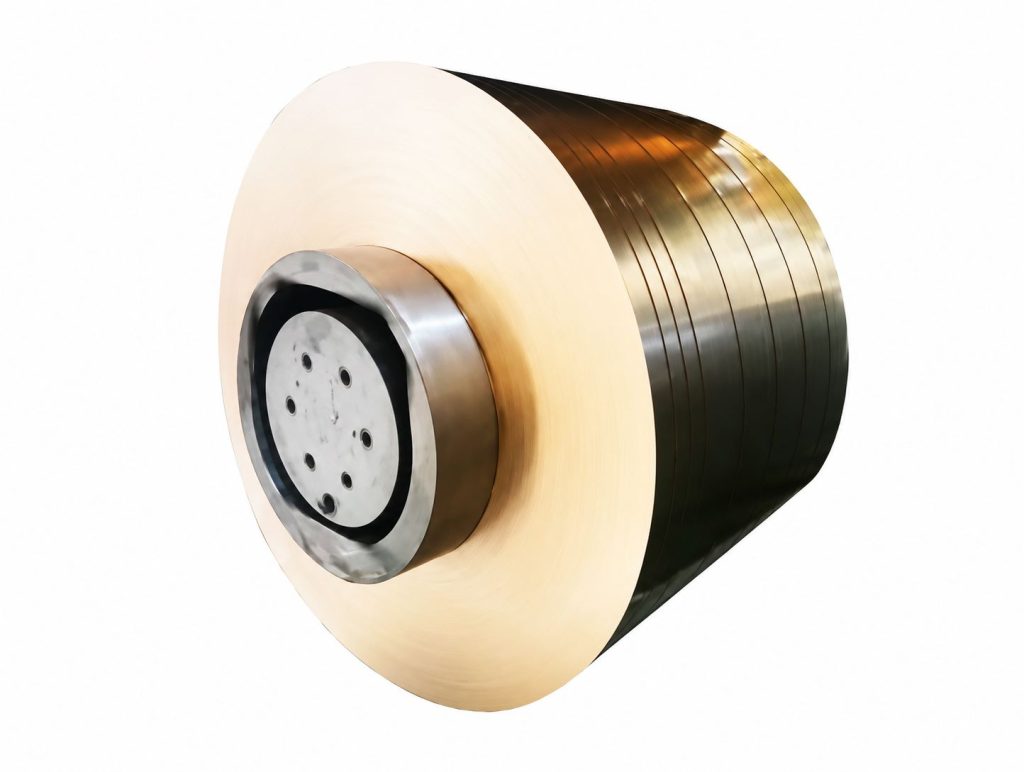
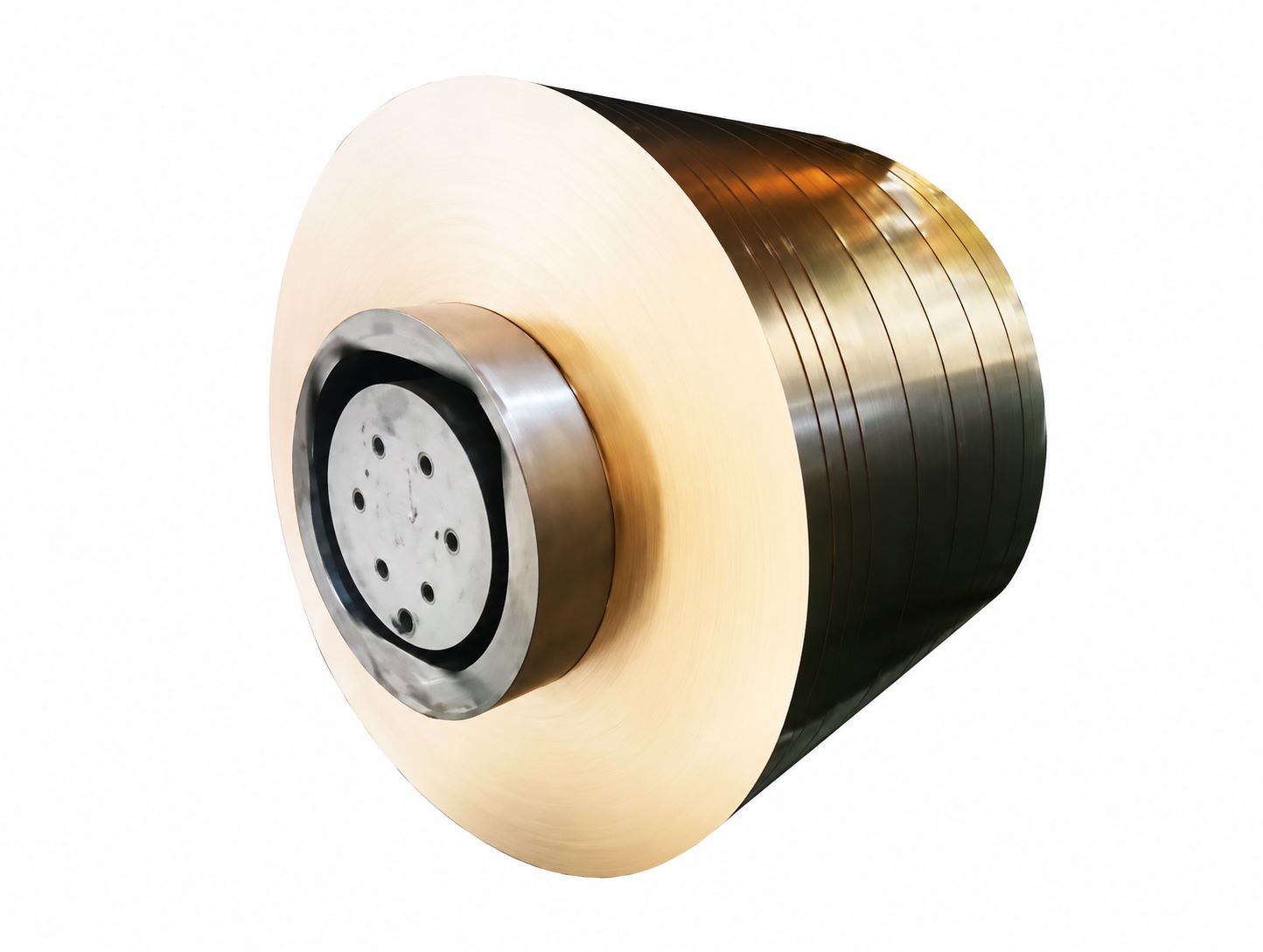
In automotive terminal production, efficiency is crucial. You need to reduce production time while enhancing quality and cutting costs. Continuous electroplating offers a solution to achieve these goals. This innovative technology allows for:
Lower material costs by increasing surface thickness without additional materials.
Improved product quality, enhancing strength and durability.
Affordable aesthetic options, providing a cost-effective way to enhance appearance.
By adopting continuous electroplating, you can streamline your processes and achieve better results.
Key Takeaways
Continuous electroplating reduces production time significantly, allowing for faster manufacturing of automotive terminals.
This technology enhances product quality by improving durability and corrosion resistance, ensuring reliable performance.
Implementing best practices like regular calibration and predictive maintenance can optimize electroplating processes and reduce costs.
Investing in advanced electroplating solutions can lead to significant improvements in efficiency and product quality, keeping you competitive.
Addressing challenges such as initial setup costs and technical limitations is essential for fully leveraging the benefits of continuous electroplating.
Importance of Continuous Electroplating
Overview of Electroplating Technology
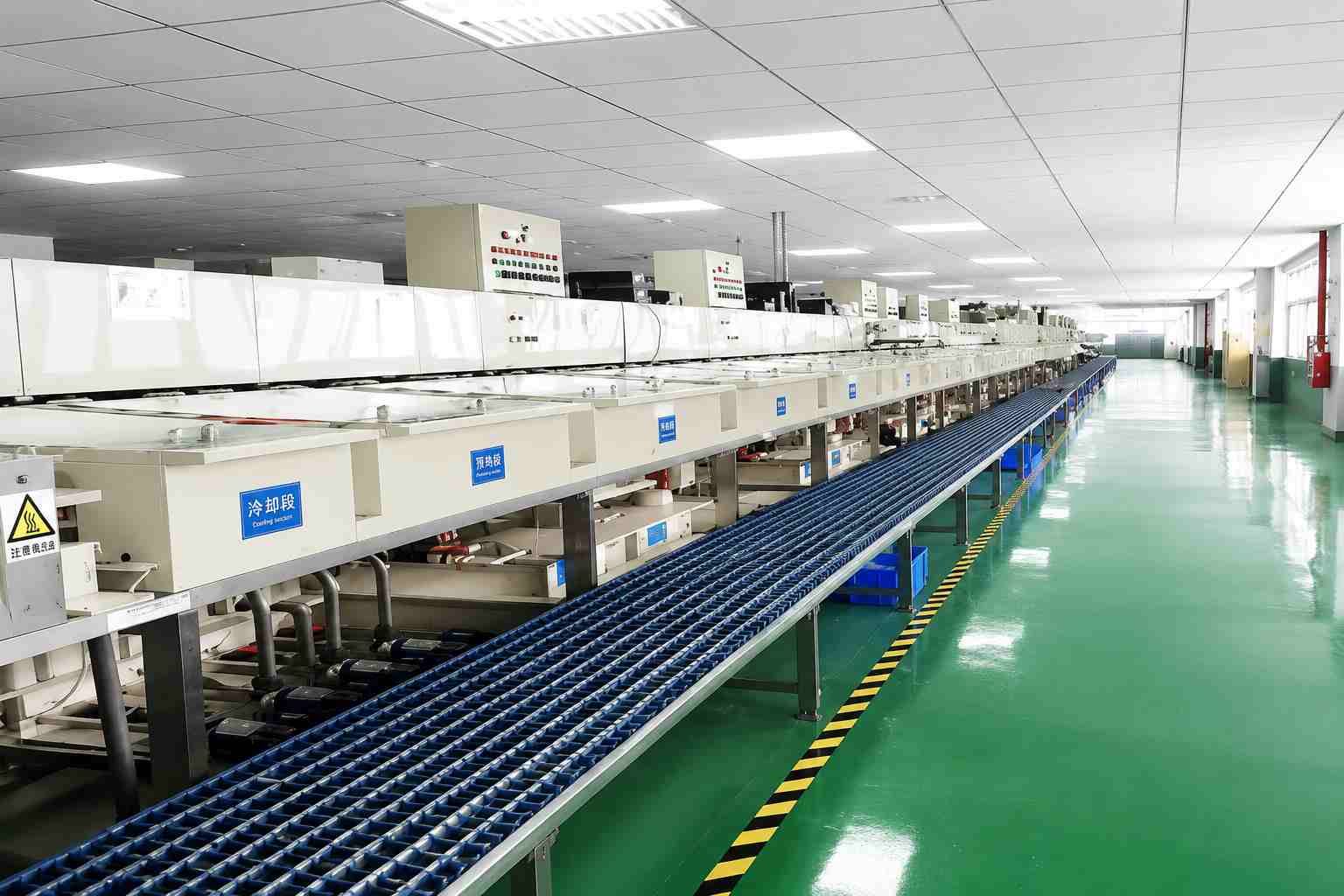
Continuous electroplating is a vital process in modern manufacturing, especially in the automotive sector. This technology involves depositing a layer of metal onto a substrate through an electrochemical process. It enhances the surface properties of components, providing benefits such as improved corrosion resistance, increased conductivity, and enhanced durability.
The main types of electroplating technologies used in automotive manufacturing today include:
Electroplating Technology | Description |
|---|---|
Zinc Coating | Commonly used for exposed car-body panels, with a coating mass of 50 to 80 g/m² per side. |
Zinc/Nickel Alloy Coating | Features a co-deposited alloy of zinc and nickel, typically used by select automotive companies. |
Zinc/Iron Alloy Coating | Co-deposited alloy coating that is hard and suitable for welding and painting, used for exposed panels. |
These technologies play a crucial role in ensuring that automotive components meet the rigorous demands of performance and longevity.
Role in Automotive Manufacturing
In automotive manufacturing, continuous electroplating significantly contributes to the production of high-quality terminals. This process enhances the durability and conductivity of components, which is essential for the performance of vehicles, especially electric ones. For instance, nickel-plated busbars are critical for managing heat and ensuring reliable connections in electric vehicles.
Companies like Bonysn and DOWA METALTECH have been at the forefront of advancing continuous electroplating technology in Thailand. Bonysn, established in 2007, focuses on precision metal materials and has developed innovative solutions such as mold-free local electroplating technology. This breakthrough reduces costs and accelerates production for various industries, including automotive.
DOWA METALTECH also plays a significant role by investing in research and development to enhance electroplating solutions. Their collaboration with OEMs and Tier 1 suppliers aims to improve adhesion and durability, ensuring that automotive components meet evolving industry standards.
The advancements made by these companies not only improve production efficiency but also align with environmental regulations, making continuous electroplating a sustainable choice for manufacturers.
Efficiency Gains from Continuous Electroplating
Reduced Production Time
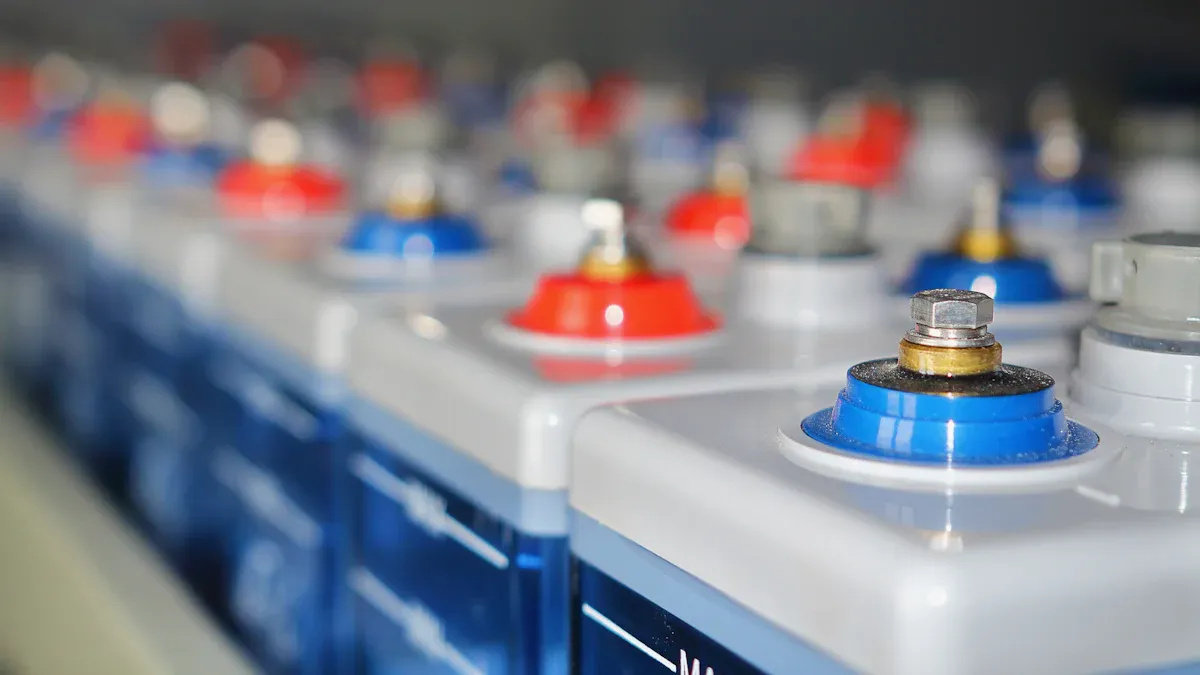
Continuous electroplating significantly reduces production time in automotive terminal manufacturing. This process operates at high speeds, often reaching 150-200 meters per minute through multiple plating cells. Such efficiency allows you to produce components faster than traditional methods.
For example, K.S. Terminals has reported a 30% reduction in production time since implementing continuous electroplating. This improvement enables them to meet tight deadlines and respond quickly to market demands. By streamlining operations, you can enhance your overall productivity and maintain a competitive edge.
Enhanced Quality Control
Quality control is crucial in automotive manufacturing. Continuous electroplating enhances the coating quality of components, providing a surface finish and corrosion protection that rivals hot-dip galvanized products. This technology creates a protective barrier that significantly improves the corrosion resistance of metal components.
Here are some key benefits of enhanced quality control through continuous electroplating:
Improved Durability: The electrogalvanized coatings extend the lifespan of automotive body panels.
Consistent Quality: Automated processes reduce human error, ensuring uniformity across all components.
Lightweight Parts: The lightweight nature of electroplated components contributes to better vehicle performance and fuel efficiency.
Everest, another leader in the industry, has successfully integrated continuous electroplating into their production line. They have seen a marked improvement in product consistency and quality, which has led to increased customer satisfaction. By adopting this technology, you can ensure that your automotive terminals meet the highest standards of performance and reliability.
Challenges of Continuous Electroplating
Technical Limitations
While continuous electroplating offers many advantages, it also presents some technical challenges. One major limitation is the need for precise control over the electroplating process. Variations in temperature, current density, and chemical composition can lead to inconsistent coatings. You must ensure that your equipment is calibrated correctly to maintain quality.
Another challenge is the compatibility of different materials. Not all substrates work well with continuous electroplating. For instance, certain plastics may not adhere properly to metal coatings. This can limit your options when selecting materials for automotive terminals.
Cost Considerations
Cost is another significant factor when considering continuous electroplating. Initial setup costs can be high due to the need for specialized equipment and technology. However, you can mitigate these costs through strategic planning. The TEPNET organization provides valuable insights into overcoming these challenges. Here are some strategies they recommend:
Strategy/Insight | Description |
|---|---|
Modular Designs | Investing in modular designs can reduce initial costs and enhance adaptability to customer needs. |
Streamlining Production | Improving production processes can enhance efficiency and lower operational costs. |
Partnerships | Collaborating with regulatory bodies can ease compliance and market entry. |
Eco-friendly Innovations | Focusing on sustainable materials and processes aligns with market trends. |
Predictive Maintenance | Utilizing IoT technology can optimize equipment performance and reduce downtime. |
Education Programs | Promoting training for end-users can build trust and improve product adoption. |
By implementing these strategies, you can address cost-related challenges effectively. Continuous electroplating can become a more viable option for your automotive terminal production, leading to long-term benefits.
Best Practices for Continuous Electroplating
Process Optimization Techniques
To maximize the benefits of continuous electroplating, you should implement several process optimization techniques. Here are some effective strategies:
Regular Calibration: Ensure your equipment is calibrated regularly. This practice helps maintain consistent coating thickness and quality.
Chemical Management: Monitor and adjust the chemical composition of your plating solution. Proper chemical balance enhances adhesion and reduces defects.
Temperature Control: Maintain optimal temperature settings during the electroplating process. Consistent temperatures lead to uniform coatings and improved performance.
Tip: Consider using automated systems for monitoring these parameters. Automation can significantly reduce human error and improve overall efficiency.
Maintenance and Monitoring Strategies
Effective maintenance and monitoring are crucial for sustaining the performance of your electroplating systems. Here are some strategies to consider:
Routine Inspections: Conduct regular inspections of your equipment. Look for signs of wear or malfunction to prevent unexpected downtime.
Predictive Maintenance: Utilize IoT technology to monitor equipment health. Predictive maintenance can help you identify potential issues before they become serious problems.
Training Programs: Invest in training for your staff. Well-trained employees can operate equipment more effectively and recognize maintenance needs early.
Successful Case Studies
Bonysn has successfully implemented these best practices in their operations. By focusing on process optimization and rigorous maintenance, they have achieved remarkable results. For instance, they reported a 20% increase in production efficiency after adopting automated monitoring systems. This improvement not only enhanced their output but also ensured consistent quality across their products.
By following these best practices, you can enhance the efficiency and reliability of your continuous electroplating processes, leading to better outcomes in automotive terminal production.
Bonysn’s continuous electroplating technology
Precision selective electroplating
Bonysn’s precision selective electroplating technology allows you to apply metal coatings only where needed. This method minimizes waste and reduces costs. You can achieve intricate designs and patterns on your automotive terminals without the need for complex tooling. This flexibility enables you to meet specific customer requirements efficiently.
High-precision continuous etching
High-precision continuous etching is another innovative solution from Bonysn. This process allows you to create detailed patterns with exceptional accuracy. The technology achieves a vertical alignment precision of ±0.005 mm. Such precision ensures that your components fit perfectly in their applications. This capability is crucial for industries that demand high-quality standards, such as automotive and electronics.
Roll-to-roll composite processing
Roll-to-roll composite processing is a game-changer in manufacturing. This technique allows you to process materials continuously, enhancing production efficiency. You can combine multiple processes, such as etching and electroplating, into one streamlined operation. This integration reduces production time and costs while improving product consistency. By adopting this technology, you can stay competitive in the fast-paced automotive market.
Tip: Consider how these technologies can enhance your production capabilities. Investing in advanced electroplating solutions can lead to significant improvements in efficiency and product quality.
Continuous electroplating offers significant benefits for automotive terminals. You gain reduced production time, enhanced quality, and lower costs. Addressing challenges like technical limitations and initial setup costs is crucial. By overcoming these hurdles, you can fully leverage the advantages of this technology.
Tip: Explore continuous electroplating to improve your manufacturing efficiency and product quality. Embracing this innovative solution can position you ahead in the competitive automotive market.
FAQ
What is continuous electroplating?
Continuous electroplating is a manufacturing process that deposits metal coatings onto substrates in a continuous flow. This method enhances surface properties, improves durability, and increases production efficiency.
How does continuous electroplating benefit automotive terminals?
This technology reduces production time, enhances quality control, and lowers costs. It ensures that automotive terminals meet performance standards while providing better corrosion resistance and conductivity.
Are there any challenges with continuous electroplating?
Yes, challenges include technical limitations like precise control over the process and initial setup costs. However, strategic planning can help mitigate these issues and improve overall efficiency.
What industries benefit from continuous electroplating?
Industries such as automotive, electronics, and renewable energy benefit significantly from continuous electroplating. This technology enhances product quality and production efficiency across various applications.
How can I implement continuous electroplating in my production?
To implement continuous electroplating, invest in specialized equipment, train your staff, and optimize your processes. Collaborate with technology providers to ensure successful integration into your production line.
See Also
Mold-Free Selective Plating Solutions for German Automotive Connectors
The Impact of Selective Electroplating on Lead Frame Quality
Moldless Continuous Selective Plating for 0.009mm Gold Strips
Roll-to-Roll Continuous Etching Revolutionizes New Energy Battery Manufacturing
Innovative R&D: Die-Free Selective Plating Speeds Up Prototyping