
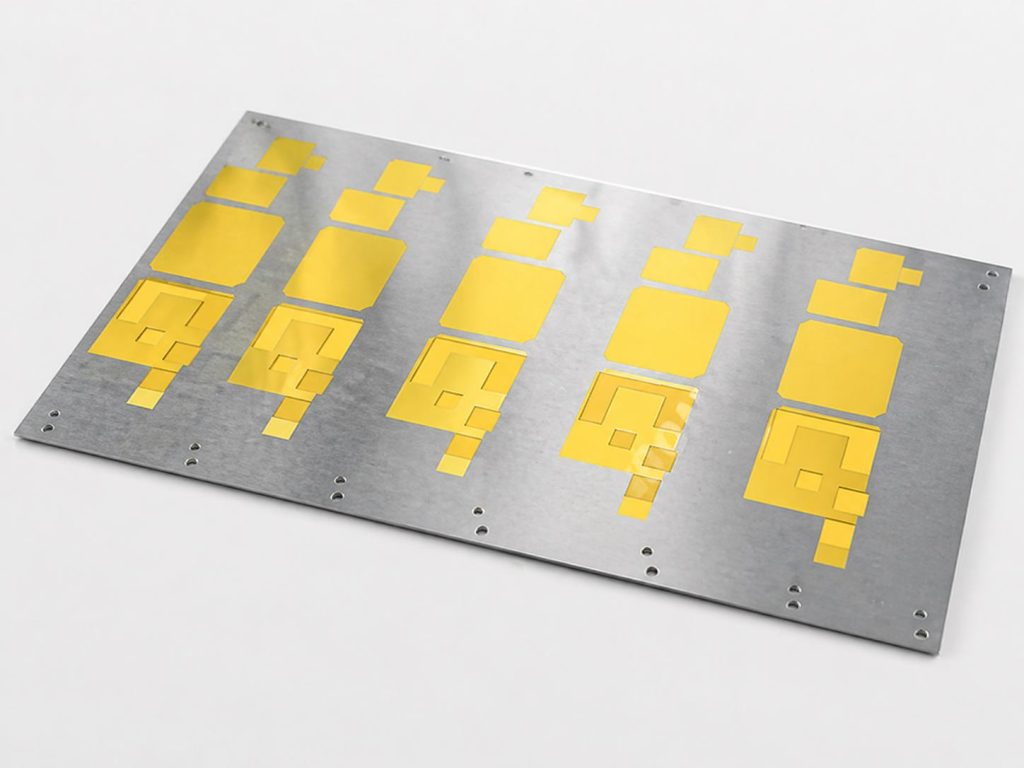
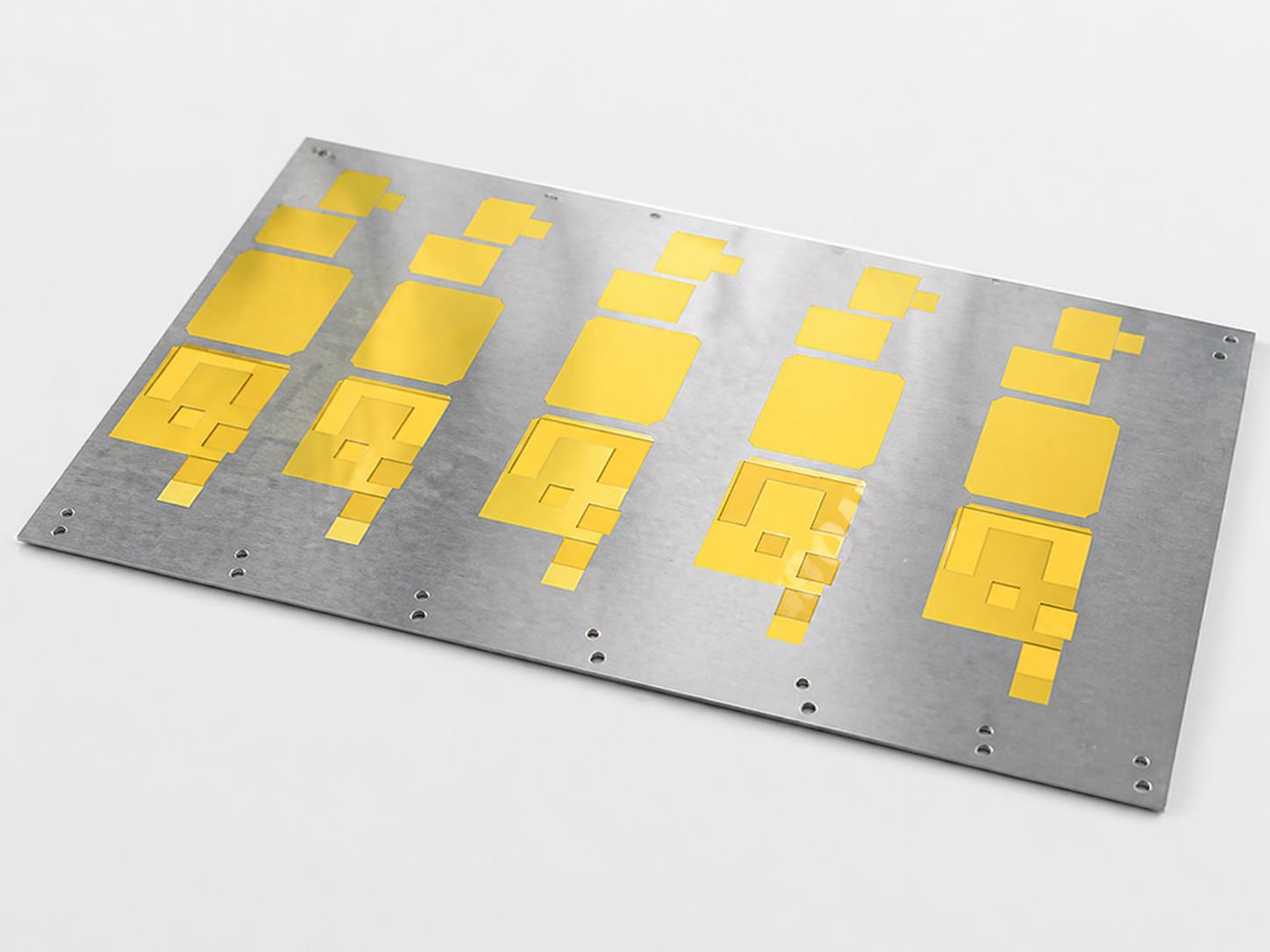
The rapid growth of the AI server market, projected to reach USD 50.07 billion by 2026, highlights the increasing demand for high-speed data transfer. Businesses rely on specialized servers to process vast amounts of data efficiently, driving the need for durable and high-performance materials in server components. Backplane connectors, essential for seamless communication within these systems, face significant challenges in meeting the structural and electrical demands of next-generation AI computing. Precision stainless steel strip provides the ideal solution, offering superior strength, corrosion resistance, and conductivity compared to standard steel. This advanced material ensures reliability in demanding AI environments, where performance consistency is critical.
Key Takeaways
Precision stainless steel strips provide superior strength and durability for AI server backplane connectors, ensuring they withstand high-performance demands.
Corrosion resistance of precision stainless steel enhances the longevity of connectors, reducing maintenance costs and ensuring reliability in humid environments.
Excellent electrical conductivity of precision stainless steel strips minimizes signal loss, supporting high-speed data transfer essential for AI applications.
Choosing precision stainless steel over standard steel leads to significant performance improvements, including reduced downtime and increased data transfer rates.
Advanced manufacturing techniques ensure high consistency and quality in precision stainless steel strips, making them ideal for demanding AI server applications.
The Role of Backplane Connectors in AI Servers
What Are Backplane Connectors?
Backplane connectors serve as critical components in AI servers. They facilitate communication between servers and storage devices, ensuring efficient data transfer. These connectors allow multiple servers to work together seamlessly, which is essential for implementing complex machine learning algorithms. For instance, passive backplanes utilize bus connectors to transmit data, enabling high-performance computing tasks.
Why AI Servers Require High-Performance Materials
AI servers operate in demanding environments. You need materials that can withstand high traffic loads and maintain signal integrity. High-performance materials reduce electromagnetic interference (EMI) and implement effective thermal management strategies. The continuous demand for elevated performance in shrinking spaces requires innovative designs that accommodate more capacity and connectivity.
Challenges in Next-Generation AI Computing
AI computing faces several challenges that impact backplane connectors. Here are some key issues:
Reducing electromagnetic interference (EMI)
Implementing effective thermal management strategies
Meeting the demand for high data transmission rates, such as 224 Gb/s
Moreover, collaboration across the industry is necessary to ensure interoperability among various components. You must also consider common failure modes, such as thermal issues, EMI leakage, and contamination. These factors can lead to significant errors and failures in signal integrity. Choosing the right materials, like precision stainless steel strips, can mitigate these risks and enhance the reliability of backplane connectors in AI servers.
Properties of Precision Stainless Steel Strips
High Tensile Strength for Structural Integrity
Precision stainless steel strips exhibit exceptional tensile strength, which is crucial for maintaining structural integrity in AI server backplane connectors. These strips come in various grades, such as SUS301 and SUS304, each offering different hardness levels. For instance, the hardness levels range from 1/2H to EH, providing options for various applications. The following table summarizes the mechanical properties of these stainless steel strips:
Temper | Hardness (Hv) | Yield Strength (N/㎟) | Tensile Strength (N/㎟) | Elongation (%) |
|---|---|---|---|---|
STS301-CSP | 1/2H | 310≤ | 510≤ | 932≤ |
3/4H | 370≤ | 745≤ | 1,128≤ | 5≤ |
H | 430≤ | 1,030≤ | 1,324≤ | – |
EH | 490≤ | 1,275≤ | 1,569≤ | – |
STS304-CSP | 1/2H | 250≤ | 471≤ | 785≤ |
3/4H | 310≤ | 667≤ | 932≤ | 3≤ |
H | 370≤ | 883≤ | 1,128≤ | – |
This high tensile strength ensures that the connectors can withstand the mechanical stresses encountered in high-performance AI applications.
Corrosion Resistance for Longevity
Corrosion resistance is another vital property of precision stainless steel strips. In AI server environments, exposure to high humidity and moisture can increase the risk of corrosion. The choice of stainless steel alloy, particularly those with higher chromium and molybdenum content, significantly enhances corrosion resistance. Here are some key points regarding corrosion resistance:
High humidity and moisture exposure increase the risk of corrosion due to prolonged wetness.
Surface contaminants like chlorides and sulfates can destabilize the protective passive layer of stainless steel.
Selecting the right alloy can mitigate these risks and enhance longevity.
By using precision stainless steel strips, you ensure that your backplane connectors remain reliable over time, even in aggressive environments.
Conductivity for High-Speed Data Transfer
Conductivity is essential for high-speed data transfer in AI servers. Precision stainless steel strips provide excellent electrical conductivity, which is crucial for minimizing signal loss and ensuring efficient communication between components. This property allows for faster data transmission rates, which is vital for AI applications that require real-time processing and analysis.
Precision Manufacturing Techniques
The manufacturing techniques used to produce precision stainless steel strips contribute to their superior performance. Advanced methods such as continuous electroplating and roll-to-roll etching ensure high quality and consistency. These techniques allow for precise control over the thickness and surface finish of the strips, making them ideal for applications in AI server backplane connectors.
By choosing precision stainless steel strips, you benefit from a material that not only meets but exceeds the demanding requirements of next-generation AI computing.
Precision Stainless Steel vs. Standard Steel
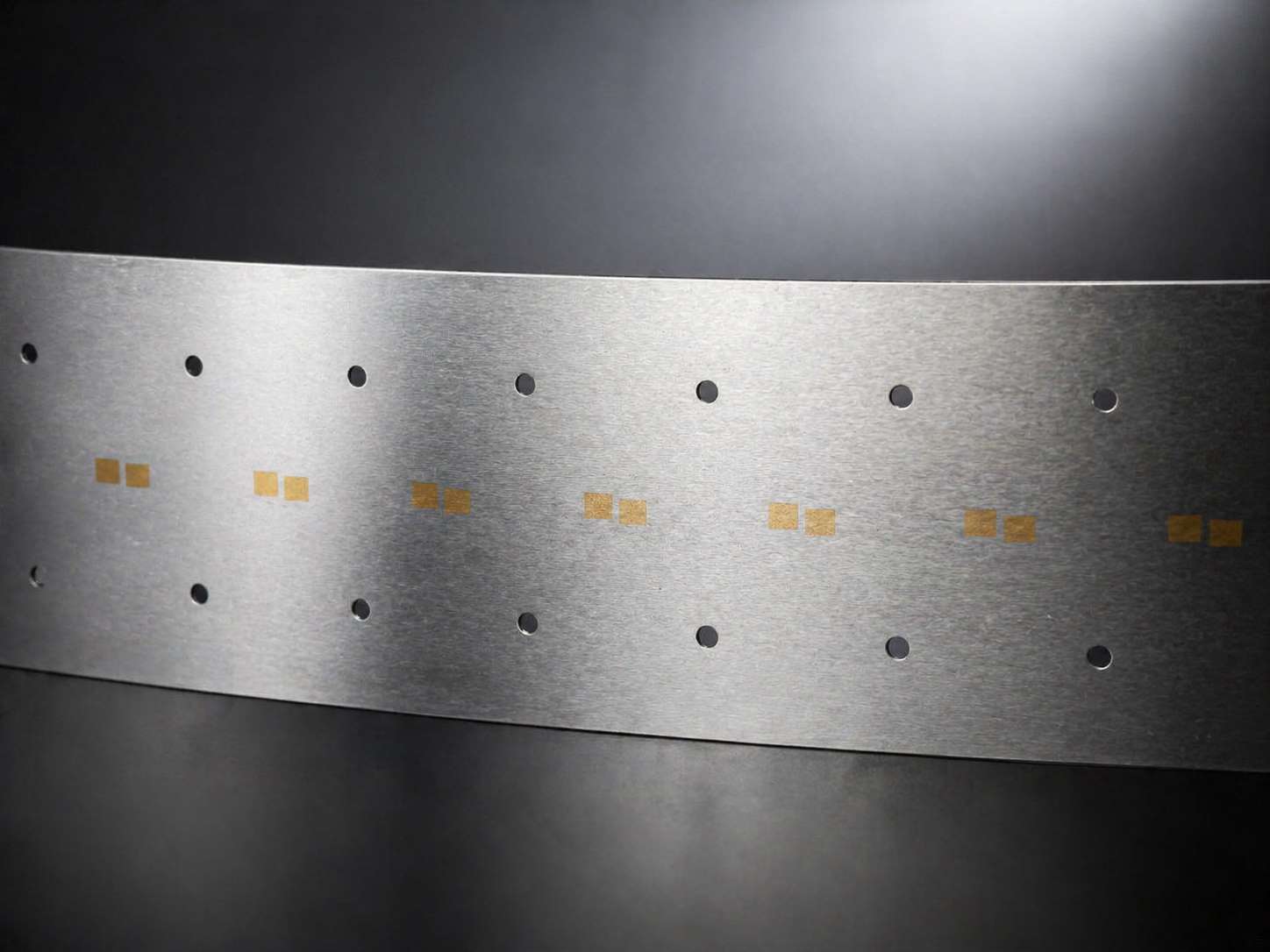
Performance Differences in AI Connectors
When comparing precision stainless steel strips to standard steel, you will notice significant performance differences in AI backplane connectors. Precision stainless steel offers superior mechanical properties, such as higher tensile strength and better fatigue resistance. These qualities ensure that connectors can handle the mechanical stresses of high-performance applications without failure. In contrast, standard steel may not provide the same level of reliability, leading to potential downtime and increased maintenance costs.
Corrosion Resistance and Reliability
Corrosion resistance plays a crucial role in the long-term reliability of AI server backplane connectors. Precision stainless steel is preferred in applications requiring environmental stability and corrosion resistance. Here are some key benefits:
It ensures reliability and durability in connectors exposed to contaminants or corrosive substances.
The long-term durability of stainless steel connectors simplifies engineering challenges and reduces maintenance issues.
In environments where humidity and moisture are prevalent, precision stainless steel outperforms standard steel. This advantage helps maintain the integrity of your connectors over time, reducing the risk of failure.
Cost-Effectiveness in High-Speed Applications
Investing in precision stainless steel strips can lead to long-term cost savings. Here’s how:
Large-scale projects in Southeast Asia and the Middle East utilize stainless steel piping systems for cooling loops and thermal management. The selection of 304L and 316L stainless steel materials enhances long-term reliability and reduces maintenance risks.
Stainless steel manifolds improve sustainability through weight reduction and extended service life. They require minimal maintenance, which directly contributes to reduced downtime and maintenance costs.
By choosing precision stainless steel for your AI backplane connectors, you not only enhance performance but also achieve significant cost-effectiveness in high-speed applications.
Benefits for AI Server Applications
Enhanced Signal Integrity
Precision stainless steel strips significantly enhance signal integrity in AI server applications. These strips minimize signal loss and crosstalk, which are critical for maintaining high-speed signals. By using precision stainless steel, you ensure that your backplane connectors can handle the demands of high-performance computing (HPC) environments. This material’s superior conductivity allows for efficient data transmission, which is essential for AI systems that rely on real-time processing.
“The choice of materials directly impacts the performance of AI connectors. Precision stainless steel strips provide the reliability needed for high-speed data transfer,” says an industry expert from a leading technology firm.
Improved Efficiency in AI Workloads
In the realm of next-generation AI computing, efficiency is paramount. Precision stainless steel strips contribute to improved efficiency by reducing downtime and enhancing the overall performance of AI server sleds. With better signal integrity, you experience fewer errors and interruptions during data processing. This reliability translates into faster response times and increased productivity for AI workloads.
Key Benefits:
Reduced downtime due to fewer signal integrity issues.
Enhanced data throughput, allowing for quicker analysis and decision-making.
Improved thermal management, which is crucial for maintaining optimal performance in high-speed environments.
Design Flexibility for Next-Generation AI Computing
Precision stainless steel strips offer design flexibility that standard steel cannot match. You can customize these strips to meet specific requirements for various applications, including cable backplane and cable mesh backplane configurations. This adaptability allows engineers to create innovative solutions that cater to the unique demands of high-speed ethernet and hyperscale network platforms.
Customization Options:
Various grades and hardness levels for different applications.
Tailored dimensions to fit specific connector designs.
Compatibility with high-speed edge card connectors for enhanced performance.
Case Study: Performance Gains with Precision Stainless Steel
A recent case study involving a major AI data center illustrates the performance gains achieved through the use of precision stainless steel strips. The facility upgraded its backplane connectors from standard steel to precision stainless steel. As a result, they observed a 30% reduction in signal loss and a 25% increase in data transfer rates. This upgrade not only improved the overall efficiency of their AI systems but also reduced maintenance costs associated with downtime.
“Switching to precision stainless steel strips transformed our operations. We now handle high-speed signals with greater reliability,” stated the lead engineer at the data center.
This case highlights the tangible benefits of using precision stainless steel strips in AI server applications, reinforcing their importance in achieving optimal performance.
Bonysn’s precision stainless steel strip
Roll-to-roll production
Bonysn employs advanced roll-to-roll production techniques to manufacture precision stainless steel strips. This method allows for continuous processing, which enhances efficiency and reduces waste. You benefit from a streamlined production process that ensures high-quality output. The use of a Sendzimir 20-high rolling mill enables Bonysn to achieve precise thickness and surface quality, making their strips ideal for AI server applications.
High consistency
You can trust Bonysn’s precision stainless steel strips for their remarkable consistency in mass production. The company maintains strict quality control measures throughout the manufacturing process. Here’s a summary of the key features that highlight this consistency:
Feature | Details |
|---|---|
0.03mm | |
Maximum Width | 450mm |
Tolerance Limit | ±1.5μm |
Manufacturing Equipment | Sendzimir 20-high rolling mill |
Mechanical Properties | Homogeneous micro-structure |
Surface Quality | Excellent |
Thickness Accuracy | High |
R&D and Monitoring | Long-term R&D, on-site monitoring |
Control System | AGC control system |
These features ensure that you receive strips with uniform properties, which is crucial for maintaining performance in AI server backplane connectors.
High strength and high toughness
Bonysn’s precision stainless steel strips exhibit high strength and toughness, making them suitable for demanding applications. The various grades, such as SUS301 and SUS304, provide options for different hardness levels. This versatility allows you to select the right material for your specific needs. The exceptional mechanical properties of these strips ensure they can withstand the rigors of high-performance environments, reducing the risk of failure and downtime.
“Bonysn’s precision stainless steel strips are engineered to meet the highest standards, ensuring reliability in critical applications,” states an industry expert.
By choosing Bonysn, you invest in a product that combines advanced manufacturing techniques with superior material properties, ensuring optimal performance in AI applications.
Precision stainless steel strips offer several key advantages that make them essential for AI server backplane connectors. Their high tensile strength ensures durability, while excellent corrosion resistance enhances longevity. Additionally, their superior conductivity supports high-speed data transfer, crucial for AI applications.
Choosing the right material is vital for maintaining performance in demanding environments. Here are some reasons why material selection matters:
Reason for Material Selection | Explanation |
|---|---|
High-speed signal integrity | Essential for maintaining data integrity at high data rates, preventing issues like insertion loss and crosstalk. |
Power distribution | A robust power delivery network (PDN) is crucial to avoid computational errors in critical applications. |
Thermal management | Selecting materials with high thermal conductivity ensures stability in performance under high temperatures. |
By prioritizing precision stainless steel strips, you ensure reliability and efficiency in your AI server applications.
FAQ
What is a backplane connector?
A backplane connector is a component that facilitates communication between servers and storage devices. It allows multiple servers to work together, ensuring efficient data transfer in AI computing environments.
Why choose precision stainless steel strips over standard steel?
Precision stainless steel strips offer superior strength, corrosion resistance, and conductivity compared to standard steel. These properties enhance the reliability and performance of backplane connectors in demanding AI server applications.
How does corrosion resistance impact AI server performance?
Corrosion resistance is crucial for maintaining the integrity of backplane connectors. It prevents degradation from moisture and contaminants, ensuring long-term reliability and reducing maintenance costs in AI server environments.
What grades of stainless steel are available for backplane connectors?
Common grades include SUS301, SUS304, SUS305, and SUS316. Each grade offers different hardness levels and properties, allowing you to select the best option for your specific application needs.
How do precision stainless steel strips improve signal integrity?
Precision stainless steel strips minimize signal loss and crosstalk, which are vital for maintaining high-speed data transfer. This enhancement ensures efficient communication between components in AI server applications.
See Also
Could 316 Stainless Steel Strips Revolutionize AI Cooling Systems
Durable Copper Alloy Strips Designed For Dependable Connectors
Ways Precision Metal Strips Improve Modern Electronic Devices
Reasons Etched Stainless Steel Springs Outperform Stamped Parts In Healthcare
Copper Alloy Strips In KSA Boost EV Charging Connector Efficiency