
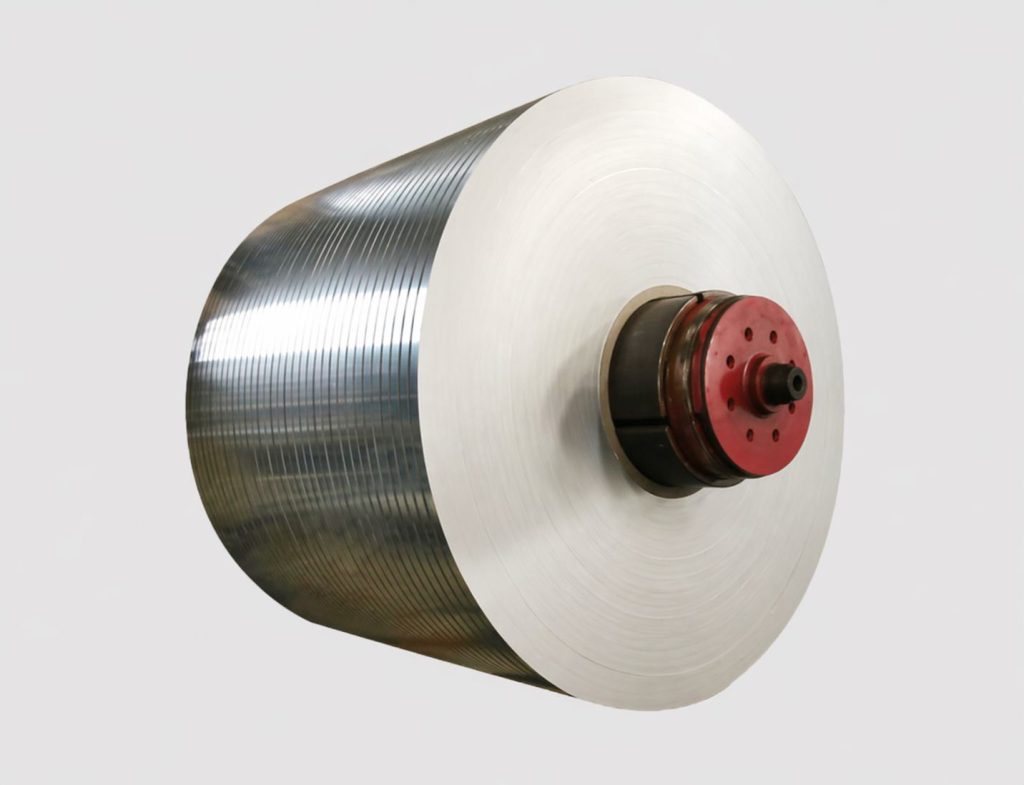
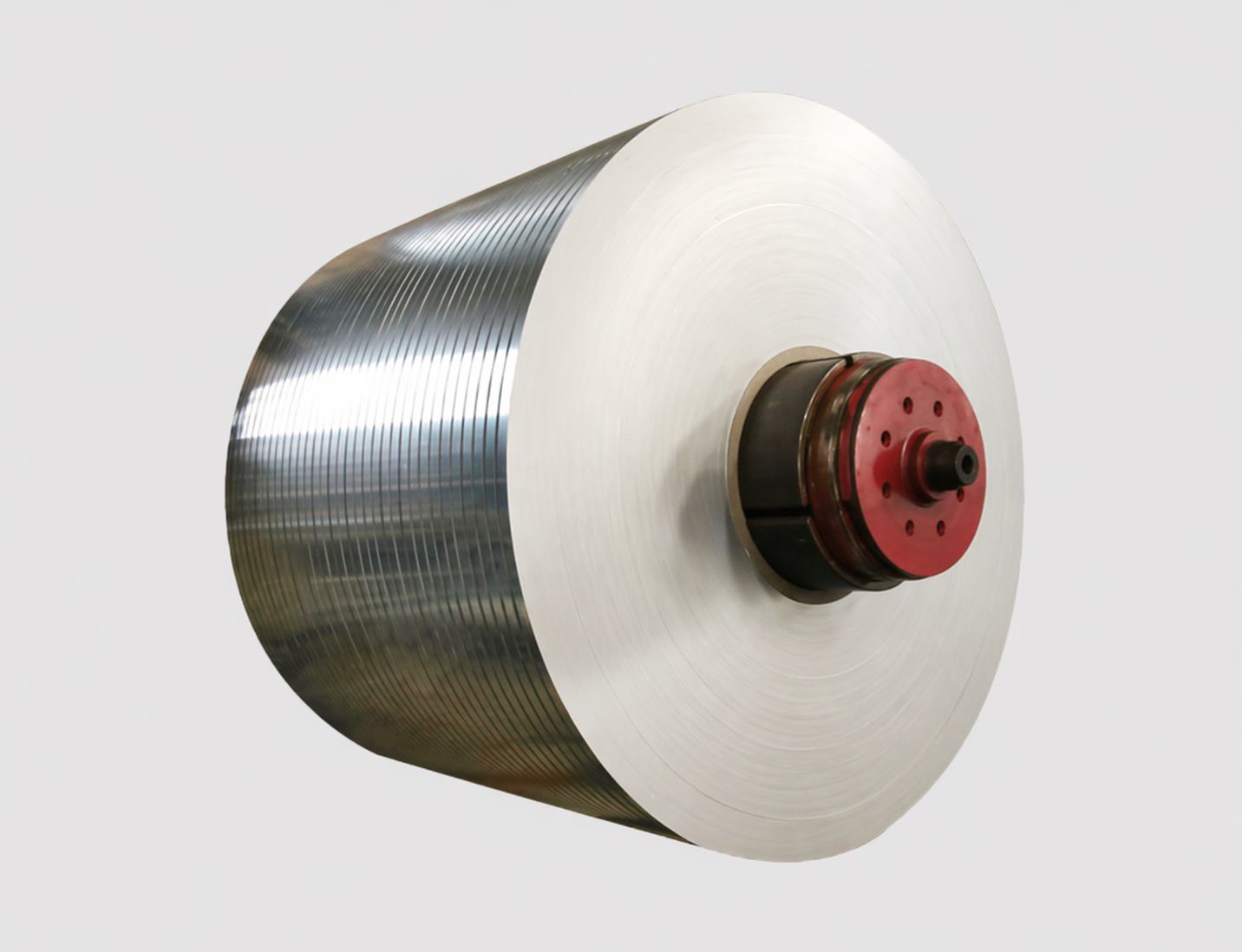
Reel-to-reel etching represents a groundbreaking approach in precision metal etching services. This process allows for continuous etching of metal strips, enhancing efficiency and precision in manufacturing. BonySN leads the industry with its innovative solutions, such as roll-to-roll continuous etching. Their technology ensures zero burr precision products, achieving a remarkable accuracy of ±0.005mm. This capability makes BonySN a vital player in modern manufacturing, elevating production standards and reducing costs.
Key Takeaways
Reel-to-reel etching allows for continuous processing of metal strips, improving efficiency and precision in manufacturing.
BonySN’s technology achieves a remarkable accuracy of ±0.005mm, making it ideal for industries like electronics and automotive.
This method eliminates the need for expensive molds, reducing production costs and speeding up time-to-market for new products.
Reel-to-reel etching produces zero burr precision products, ensuring high quality and reliability in components.
By adopting BonySN’s innovative solutions, manufacturers can enhance production capabilities and gain a competitive edge.
Understanding Reel-to-Reel Etching
Process Overview
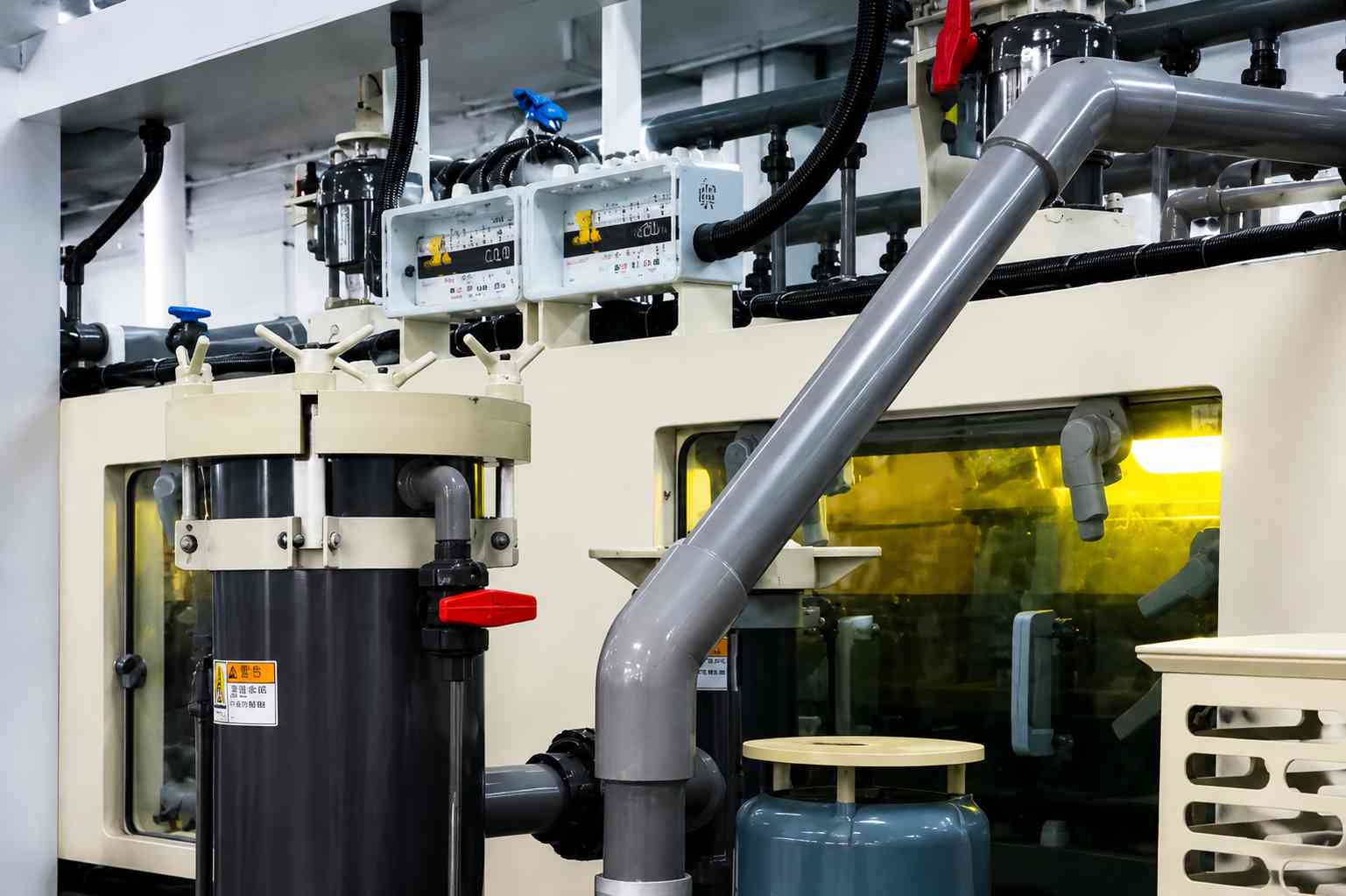
Reel-to-reel etching is a sophisticated method that allows for the continuous processing of metal strips. This process involves several key steps that ensure precision and quality. Here’s a breakdown of the main steps involved:
Step | Description |
|---|---|
Cleaning | Preparation of the metal surface by removing contaminants to ensure proper adhesion of photoresist. |
Lamination | Application of dry film photoresist to protect areas of the metal that will not be etched. |
Exposure | Guiding the material between masks and exposing it to UV light to crosslink the film. |
Developing | Chemically dissolving the non-crosslinked film to expose the bare metal beneath. |
Etching | Feeding the metal into etch chambers where etchant dissolves the unprotected metal. |
Stripping | Removing the film from the etched product using a different chemical concentration. |
Rinsing/Drying | Final rinsing to remove residuals, ensuring the product is complete and clean. |
This systematic approach allows for high-quality results, making it a preferred choice in modern manufacturing.
Technology and Materials
BonySN’s reel-to-reel etching technology excels in versatility. It works with various metal strip materials, including:
Metal Strip Material | Description |
|---|---|
Special copper alloy | Used for precision etching processes |
Stainless steel strip | Commonly used in reel-to-reel etching |
Pre-plated nickel | Often used in conjunction with stainless steel strips |
The technology achieves an impressive precision level of ±0.005mm, which is a high standard in the industry. This level of accuracy is crucial for applications that demand meticulous detail, such as electronics and automotive components.
The efficiency of reel-to-reel etching significantly enhances production capabilities. By eliminating the need for mold opening, you can expect quicker sample making and faster production cycles. This not only accelerates time-to-market but also reduces costs associated with traditional manufacturing methods.
Incorporating BonySN’s precision etching technology into your workflow can lead to improved efficiency, lower defect rates, and a competitive edge in the market.
Advantages of Reel-to-Reel Etching
Efficiency and Precision
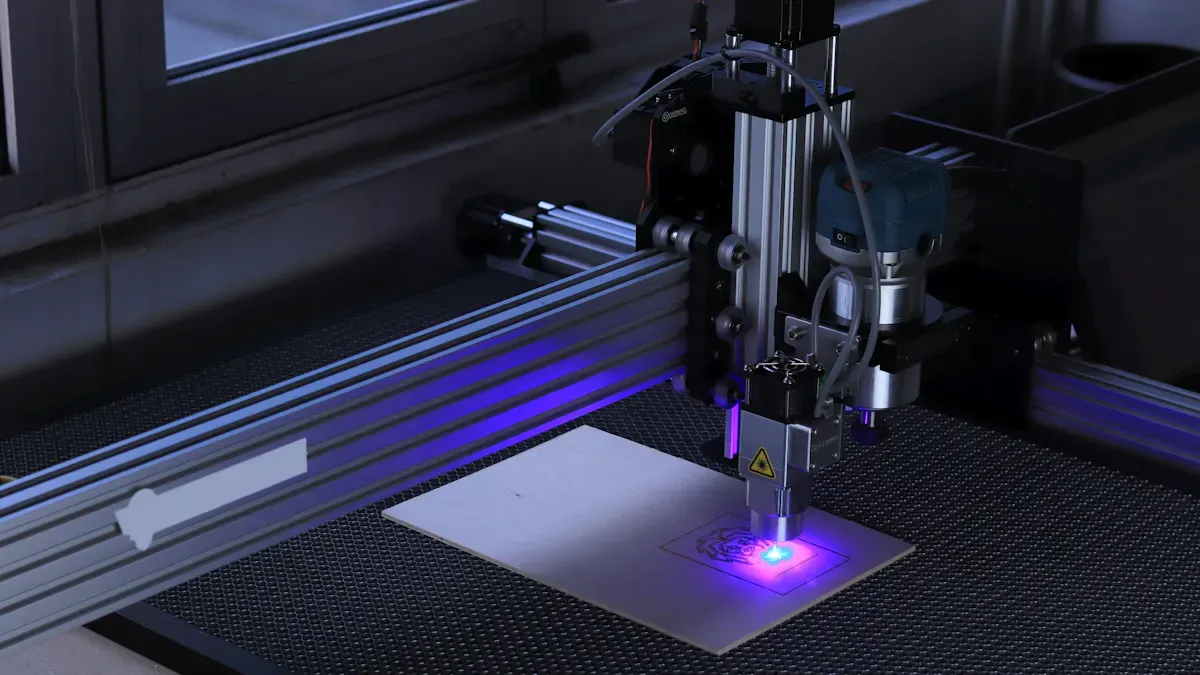
Reel-to-reel etching offers significant advantages in both efficiency and precision. This method allows you to process metal strips continuously, which streamlines production. You can expect faster turnaround times, as the process eliminates the need for mold opening. This means you can quickly create samples and move into full production without delays.
The precision of reel-to-reel etching is remarkable. With a maximum accuracy of ±0.005mm, you can achieve the high standards required in industries like electronics and automotive manufacturing. This level of precision ensures that your products meet strict quality requirements. According to industry experts, “The ability to maintain such tight tolerances is a game-changer for manufacturers looking to enhance their product quality.”
Cost-effectiveness and Scalability
Cost-effectiveness is another key advantage of reel-to-reel etching. By reducing the time and resources needed for production, you can lower overall manufacturing costs. The continuous nature of the process allows for bulk production, which further drives down costs per unit. This scalability means that whether you need small batches or large quantities, reel-to-reel etching can adapt to your needs.
Moreover, the elimination of mold costs significantly impacts your budget. Traditional methods often require expensive molds that can take time to produce. With reel-to-reel etching, you can bypass these costs entirely. This flexibility makes it an attractive option for businesses looking to innovate without breaking the bank.
Reel-to-Reel Plating Process
Step-by-Step Breakdown
The reel-to-reel plating process involves several critical steps that ensure a uniform and high-quality finish on metal strips. Here’s how it works:
Preparation: Start by cleaning the metal strips to remove any contaminants. This step is crucial for proper adhesion of the plating material.
Chemical Bath: The strips pass through a chemical bath containing the plating solution. This bath is maintained at a controlled temperature and concentration to ensure optimal results.
Electroplating: As the strips move through the bath, an electric current facilitates the deposition of metal onto the surface. This continuous electroplating method guarantees a uniform coating across the entire length of the strip.
Rinsing: After electroplating, the strips are rinsed to remove any residual chemicals. This step ensures that the final product is clean and ready for further processing.
Drying: Finally, the strips are dried to prepare them for packaging or additional manufacturing steps.
This systematic approach allows for efficient production while maintaining high-quality standards.
Key Considerations
When implementing the reel-to-reel plating process, several key factors come into play:
Continuous Electroplating: This method is specifically designed for long products like metal strips. The controlled speed at which the strips pass through the chemical bath ensures a uniform metal coating. This uniformity is crucial for maintaining quality and efficiency in production.
Elimination of Mold Opening: One of the standout benefits of this process is the elimination of mold opening. Traditional methods often require expensive molds that can delay production. By removing this step, you can achieve rapid production cycles, allowing for quicker time-to-market for new products.
Quality Control: Regular monitoring of the chemical bath and plating process is essential. This ensures that the plating thickness remains consistent and meets industry standards.
By understanding these key considerations, you can optimize your production workflow and enhance the overall efficiency of your manufacturing processes.
Applications in Industry
Key Industries
Reel-to-reel etching finds applications across several key industries. You will see its impact in sectors such as:
Electronics: This industry relies on precision etching for circuit boards and components. The accuracy of ±0.005mm ensures that electronic devices function reliably.
Automotive: In vehicle manufacturing, reel-to-reel etching plays a crucial role in producing parts for the chassis and other components. This method enhances the durability and performance of vehicles.
Medical Technology (MedTech): Precision is vital in MedTech. Manufacturers use reel-to-reel etching to create components that meet stringent quality standards. This process helps eliminate burrs and contamination issues, which are critical in medical applications.
Specific Products
The versatility of reel-to-reel etching allows for the production of various specialized products. Here are some examples:
Product Type | Description |
|---|---|
Used for sheet material etching, facilitating processes like stamping, bending, and electroplating. | |
Produced using reel-to-reel chemical etching on continuous metal strips. |
These products demonstrate how reel-to-reel etching enhances manufacturing efficiency and quality. By integrating this technology, you can expect to improve your production capabilities and meet the demands of modern industries.
Comparing Etching Methods
Traditional vs. Reel-to-Reel
When you compare traditional etching methods with reel-to-reel etching, several key differences emerge. The table below highlights these differences in terms of speed, precision, efficiency, and cost:
Feature | Reel-to-Reel Etching | Traditional Etching |
|---|---|---|
Speed | Quick sample making without mold opening | Slower sample production |
Precision | Varies, generally less precise | |
Processing Thickness | 0.01 – 2.0 mm | Limited thickness options |
Efficiency | Significantly improves efficiency | Lower efficiency |
Cost | Reduces costs | Higher costs |
Defect Rates | Low defect rates | Higher defect rates |
As you can see, reel-to-reel etching offers substantial advantages over traditional methods. The ability to produce samples quickly without the need for mold opening accelerates your production timeline. Additionally, the precision of ±0.005mm ensures that your products meet high-quality standards.
Advantages of BonySN’s Technology
BonySN’s reel-to-reel etching technology stands out due to its innovative features. Here’s a closer look at what makes it exceptional:
Feature | Description |
|---|---|
Precision | Maximum precision of ±0.005mm |
Sample Making | Quick sample making without mold opening |
Processing Thickness | Capable of etching materials from 0.01 to 2.0 mm |
Efficiency | Significantly improves efficiency and reduces costs |
Defect Rates | Lowers defect rates in production |
By integrating BonySN’s technology into your manufacturing processes, you can expect enhanced efficiency and reduced costs. This technology not only meets the demands of modern industries but also positions you ahead of competitors. As industry experts note, “The advancements in reel-to-reel etching technology are reshaping manufacturing standards.”
Embracing these innovations allows you to streamline your production while maintaining high-quality outputs.
Bonysn’s roll-to-roll etching technology
No mold opening, quick sample making
BonySN’s roll-to-roll etching technology revolutionizes the manufacturing process. You can create samples quickly without the need for mold opening. This feature significantly reduces lead times. Traditional methods often require lengthy mold production, which can delay your projects. With BonySN’s technology, you can move from design to production in record time. This efficiency allows you to respond swiftly to market demands and customer needs.
Zero burr precision products
One of the standout features of BonySN’s technology is its ability to produce zero burr precision products. Burrs can compromise the quality and functionality of your components. BonySN’s automated cleaning processes ensure that every product meets stringent quality standards. As an industry expert notes, “The elimination of burrs is crucial for maintaining the integrity of precision parts.” This commitment to quality means you can trust that your products will perform reliably in their intended applications.
The maximum precision of the film etching can reach ±0.005mm
Precision is vital in modern manufacturing. BonySN’s roll-to-roll etching technology achieves a maximum precision of ±0.005mm. This level of accuracy is essential for industries like electronics and automotive, where even the smallest deviation can lead to product failure. By utilizing this technology, you can ensure that your components meet the highest quality standards. The precision achieved through BonySN’s processes not only enhances product performance but also boosts your reputation in the marketplace.
Reel-to-reel etching and plating offer numerous benefits for modern manufacturing. You gain efficiency, precision, and cost-effectiveness through these advanced processes. BonySN plays a crucial role in this evolution, providing innovative solutions that enhance production capabilities.
As industry experts note, “The future of manufacturing lies in technologies that streamline processes and improve quality.”
Expect to see continued advancements in automation and material science, further shaping the landscape of precision metal etching.
FAQ
What is reel-to-reel etching?
Reel-to-reel etching is a continuous process that allows you to etch metal strips efficiently. This method enhances precision and reduces production costs, making it ideal for various industries.
How precise is BonySN’s etching technology?
BonySN’s etching technology achieves a maximum precision of ±0.005mm. This level of accuracy is crucial for applications in electronics and automotive manufacturing.
Can you explain the benefits of using reel-to-reel etching?
Reel-to-reel etching offers several benefits, including faster production cycles, reduced costs, and high precision. You can quickly create samples without mold opening, which accelerates your time-to-market.
What materials can be used in reel-to-reel etching?
You can use various metal strip materials, such as stainless steel, special copper alloys, and pre-plated nickel. This versatility allows you to meet diverse project requirements.
How does BonySN ensure quality in its etching process?
BonySN maintains quality through regular monitoring and automated cleaning processes. This ensures that products are free from burrs and meet stringent quality standards, crucial for applications like vehicle identification number (VIN) verification.
See Also
Exploring Roll-to-Roll Etching Benefits for Electronics Innovation
Achieving Precision Metal Etching for Semiconductor Technologies
Vietnam’s Roll-to-Roll Metal Etching for Efficient OEM Production
Saudi Arabia’s Roll-to-Roll Etching for Advanced Sensor Parts
Revolutionizing Battery Manufacturing with Roll-to-Roll Etching