
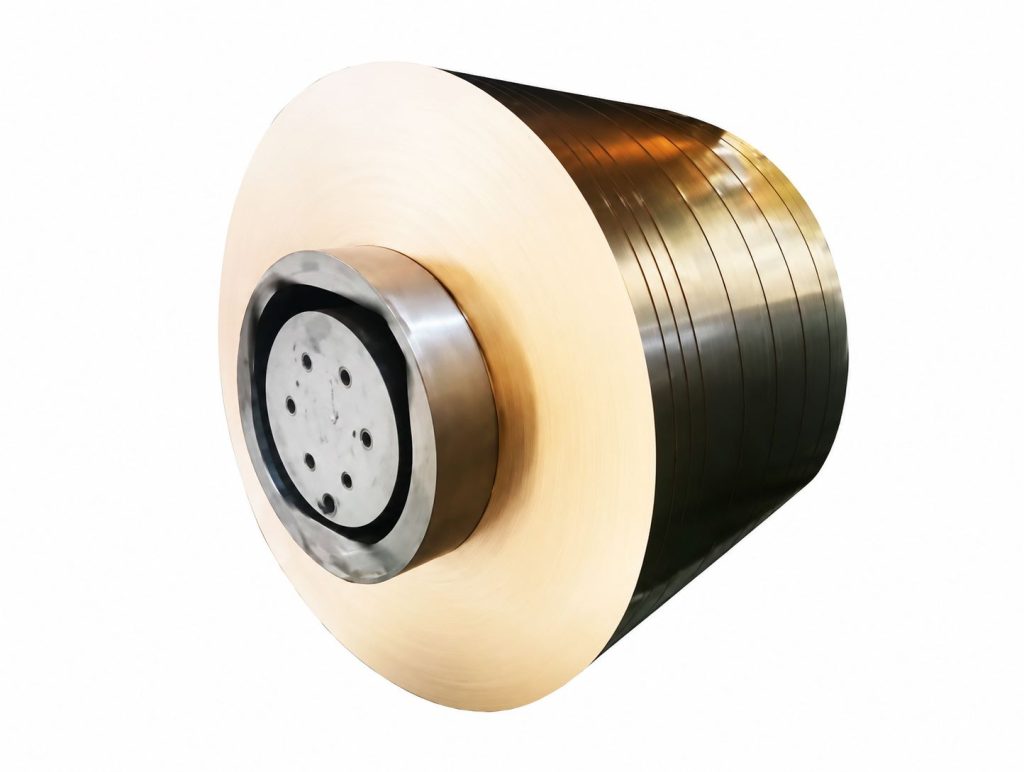
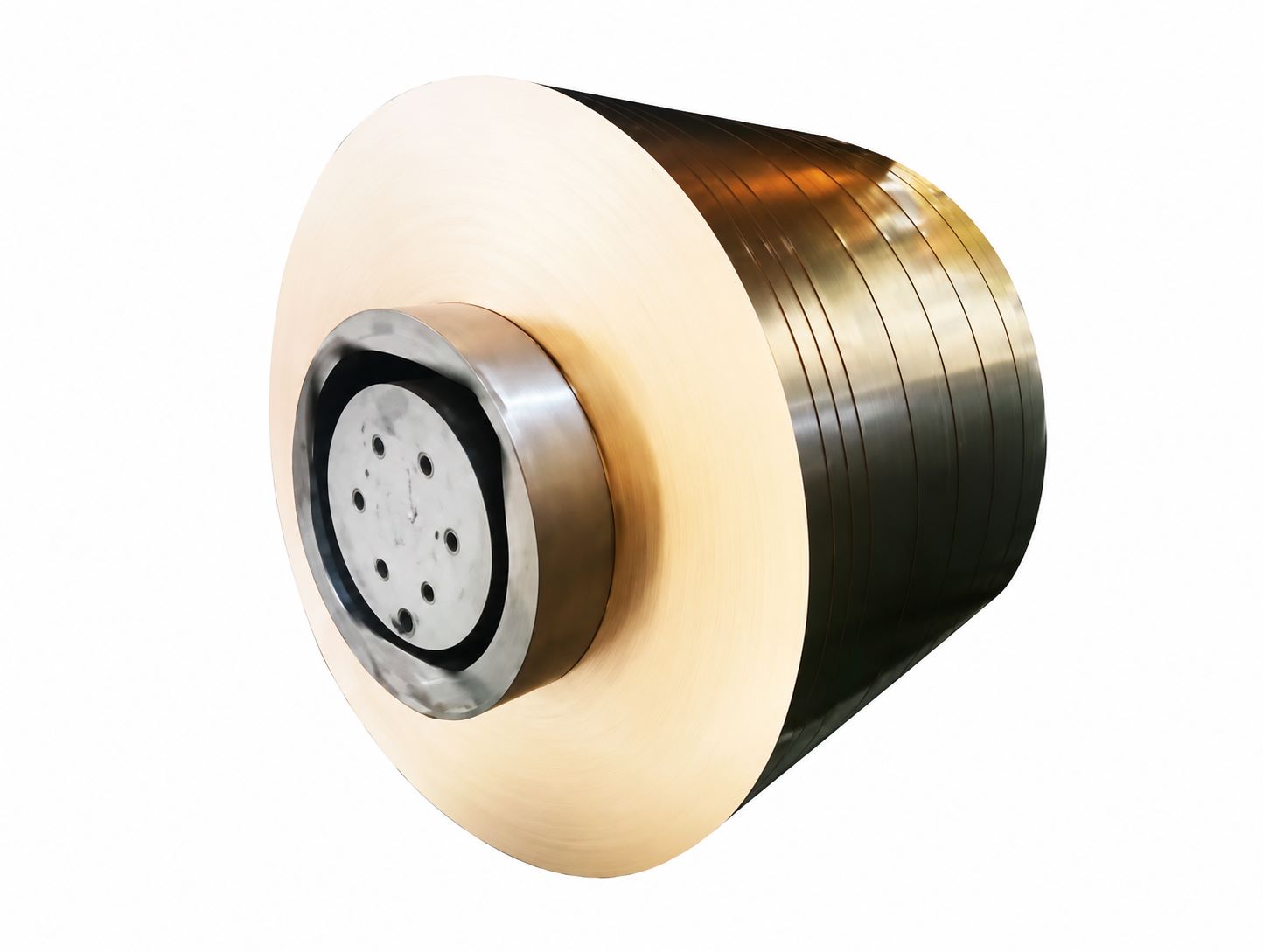
Optimizing design for manufacturability (DFM) plays a crucial role in lowering the cost of the process in micro-precision reel-to-reel etching. Manufacturers face challenges such as high material costs, intricate designs, and the need for precision. Effective DFM strategies can lead to significant cost rationalization. By addressing these challenges, companies can enhance their production efficiency and improve the quality of their etching processes, ultimately supporting their competitiveness in the market.
Key Takeaways
Implement Design for Manufacturability (DFM) principles early to streamline production and reduce costs.
Choose cost-effective materials that meet precision requirements to enhance quality and lower expenses.
Simplify designs by reducing part counts and standardizing components to improve efficiency and minimize errors.
Engage suppliers in the design process to align capabilities and avoid costly changes during production.
Adopt continuous improvement practices to regularly assess and enhance manufacturing processes for better efficiency.
DFM Principles
Importance of DFM
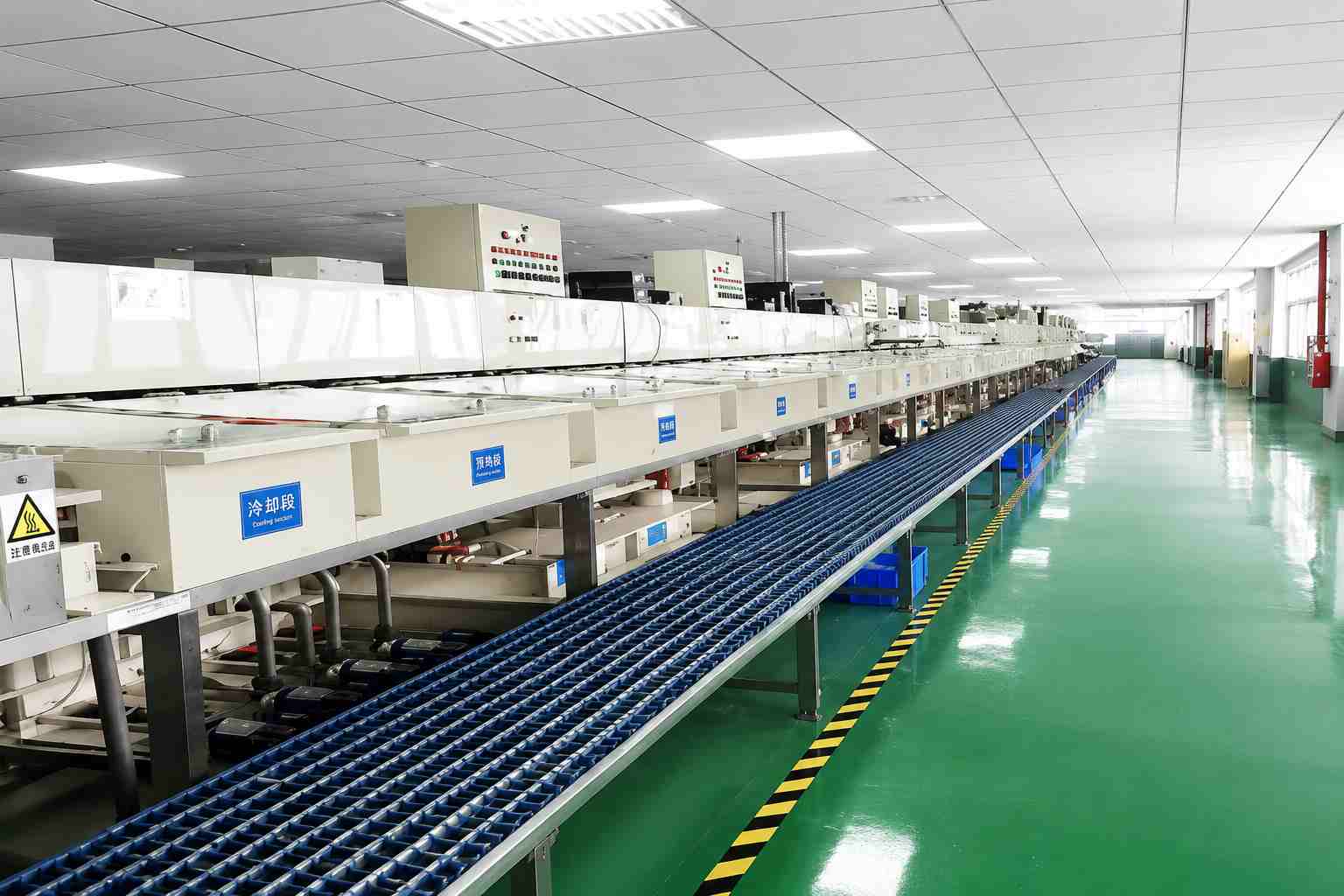
Design for manufacturability (DFM) is essential in modern manufacturing, particularly in micro-precision reel-to-reel etching. DFM focuses on enhancing product design to achieve cost savings and improved efficiency. By integrating DFM principles early in the design process, manufacturers can streamline production and minimize costs associated with the process.
The primary aim of DFM is to consider production capabilities from the outset. This proactive approach allows engineers to identify potential challenges and address them before they escalate. As a result, companies can avoid costly delays and improve product quality. For instance, selecting cost-effective materials and minimizing part counts can significantly reduce manufacturing delays, leading to a more efficient production cycle.
Key DFM Strategies
Implementing effective DFM strategies can transform the manufacturing landscape. Here are some key strategies relevant to reel-to-reel etching:
Simplifying Designs: Engineers should focus on creating designs that are straightforward and easy to manufacture. Simplified designs often lead to reduced part counts, which can enhance production speed and lower costs.
Material Selection: Choosing the right materials is crucial for achieving precision and cost efficiency. Utilizing cost-effective fabrication technology can help manufacturers maintain high-quality standards while keeping expenses in check.
Prototyping and Testing: Rapid prototyping allows for quick iterations of designs. This flexibility enables manufacturers to test various configurations and select the most efficient design before full-scale production begins.
Collaboration with Suppliers: Engaging suppliers early in the design process fosters collaboration. Suppliers can provide valuable insights into material properties and manufacturing capabilities, ensuring that the final design aligns with production capabilities.
Continuous Improvement: DFM is not a one-time effort. Manufacturers should adopt a culture of continuous improvement, regularly reviewing and refining their designs based on feedback and performance metrics.
By applying these DFM strategies, manufacturers can achieve measurable benefits, including reduced part counts and improved production speed. The recognition of DFM’s impact is evident in prestigious awards and accolades, underscoring its importance in modern product development.
Incorporating DFM principles into the design process not only enhances efficiency but also positions companies to thrive in a competitive market. As manufacturers embrace these strategies, they can significantly lower the cost of the process while maintaining the precision required for high-quality products.
Material Selection for Cost Efficiency
Cost-Effective Materials
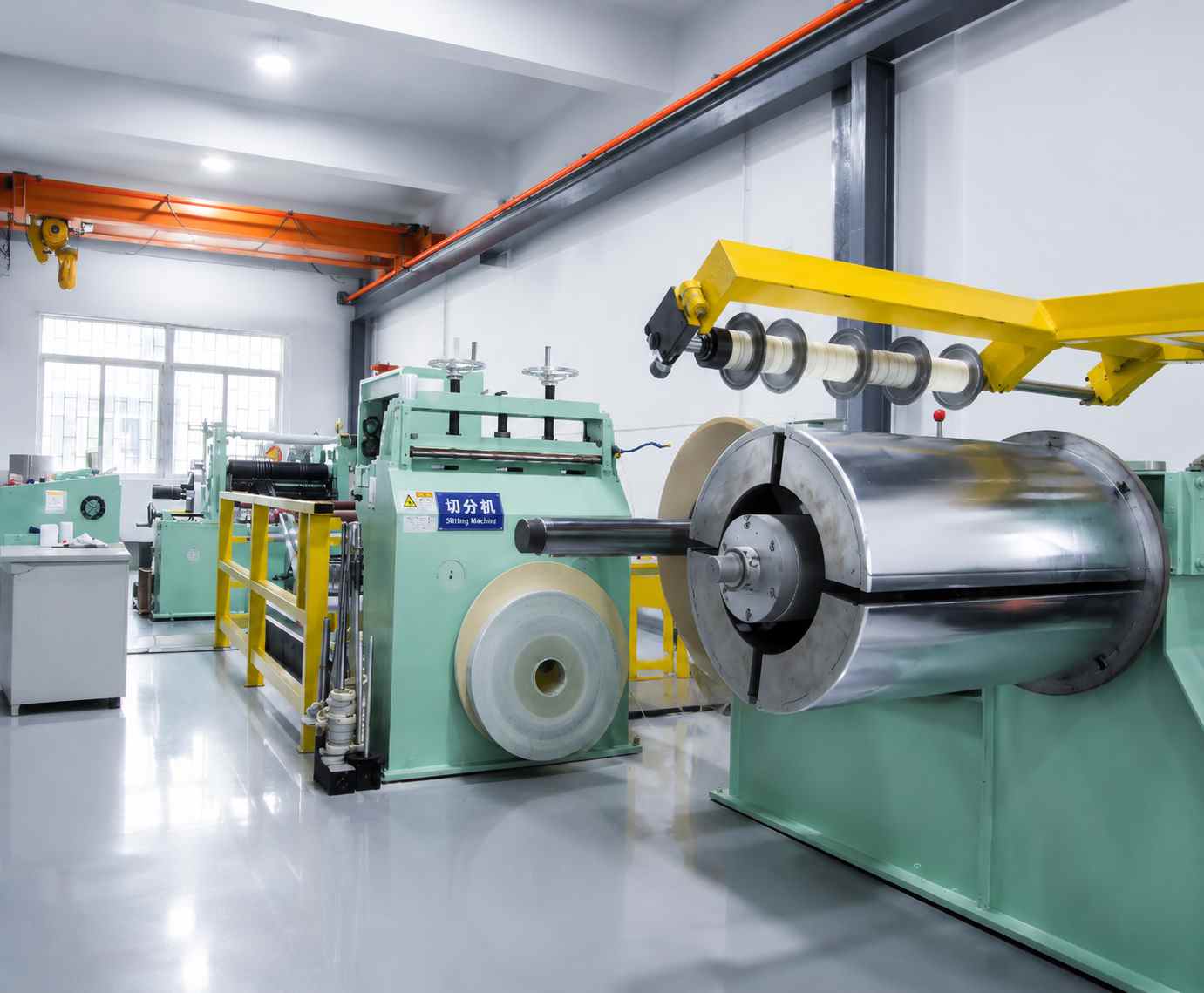
Selecting the right materials is vital for achieving both cost efficiency and precision in reel-to-reel etching. The choice of materials directly influences the overall cost per part and the quality of the final product. Manufacturers should prioritize materials that not only fit their budget but also meet the stringent requirements of precision etching.
Several materials have demonstrated superior performance in precision and yield for reel-to-reel etching applications. The following table summarizes key materials and their respective performance types:
Material | Performance Type | Description |
|---|---|---|
Stainless Steel | Superior Precision | High-precision processing for flexible materials |
Copper | Superior Yield | Excellent yield in continuous etching processes |
Stainless steel is a popular choice due to its durability and ability to maintain high precision during the etching process. Its resistance to wear and corrosion makes it ideal for applications requiring tight tolerances. On the other hand, copper excels in yield, making it a cost-effective option for continuous etching processes. Its excellent conductivity also enhances the efficiency of the etching process.
Material Properties for Precision
When selecting materials for micro-precision etching, manufacturers must consider specific properties that contribute to the overall performance of the etching process. Key properties include:
Thickness: The processing thickness of materials can range from 0.01 to 2.0 mm. This versatility allows manufacturers to choose materials that best fit their design requirements.
Flexibility: Materials that offer flexibility can adapt to various designs without compromising precision. This adaptability is crucial for achieving intricate patterns in reel-to-reel etching.
Surface Finish: A smooth surface finish is essential for achieving high-quality etching results. Materials with superior surface finishes reduce the risk of defects and enhance the overall aesthetic of the final product.
By carefully selecting materials based on these properties, manufacturers can optimize their processes, reduce costs, and maintain the precision required for high-quality etching. The integration of BonySN’s Precision Etching technology further supports these efforts, enabling manufacturers to achieve remarkable precision levels of ±0.005mm without the need for mold opening.
Design Considerations for Precision
Maximizing Part Density
Maximizing part density is crucial in micro-precision R2R chemical milling. Higher part density allows manufacturers to produce more components per unit area, which directly reduces costs. Engineers can achieve this by optimizing the layout of parts on the material. They should consider the following strategies:
Efficient Nesting: Arrange parts in a way that minimizes unused space. This approach maximizes the number of parts produced from a single roll of material.
Minimizing Material Waste: Design parts that utilize the entire width of the material. This practice reduces scrap and lowers overall material costs.
Utilizing Advanced Software: Employ design software that can simulate part layouts and identify the most efficient configurations.
By focusing on these strategies, manufacturers can enhance production efficiency while maintaining the precision required for high-quality outputs.
Simplifying Designs
Simplifying designs is another effective strategy for achieving precision and reducing costs. Complex designs often lead to increased manufacturing challenges and higher defect rates. To simplify designs, manufacturers should:
Reduce Part Count: Fewer parts mean less assembly time and lower chances of errors. Streamlining designs can lead to significant cost savings.
Standardize Components: Using standardized parts can simplify the manufacturing process. This approach allows for easier sourcing and reduces the need for custom tooling.
Incorporate Design for Manufacturability (DFM) Principles: Applying DFM principles from the outset ensures that designs are optimized for the manufacturing process. This practice minimizes waste and enhances precision, allowing for tolerances as low as ± 7 microns.
By implementing these design considerations, manufacturers can achieve a high-precision process that not only meets customer demands but also showcases the advantages of BonySN’s innovative etching technology.
Automation in Reel-to-Reel Etching
Benefits of Automation
Automation significantly enhances the efficiency of reel-to-reel etching processes. By integrating automated systems, manufacturers can achieve consistent quality and reduce labor costs. Automation minimizes human error, ensuring that each etching process meets the required precision standards. This consistency leads to fewer defects and lower waste, ultimately reducing overall production costs.
Moreover, automated systems can operate continuously, allowing for uninterrupted production. This capability is particularly beneficial in high-volume manufacturing environments. As a result, companies can increase their output without compromising quality. Industry experts emphasize that automation not only streamlines operations but also improves the scalability of production.
“Automation is the key to achieving higher efficiency and lower costs in modern manufacturing,” states a leading expert in the field.
Advanced Tooling Techniques
Advanced tooling techniques play a crucial role in enhancing the capabilities of continuous reel-to-reel etching. These techniques include the use of precision laser systems and automated inspection tools. Laser systems provide high accuracy in etching, allowing manufacturers to create intricate designs with minimal material waste. Automated inspection tools ensure that each product meets stringent quality standards, further reducing the risk of defects.
Additionally, integrating these advanced tools with existing automated processes can lead to significant improvements in production efficiency. For instance, manufacturers can implement real-time monitoring systems that track the etching process. This integration allows for immediate adjustments, ensuring optimal performance throughout the production cycle.
By adopting automation and advanced tooling techniques, manufacturers can position themselves competitively in the market. The combination of these strategies not only lowers costs but also enhances the overall quality of the etching process, making it a vital consideration for any company involved in micro-precision manufacturing.
Waste Reduction Techniques
Smart Mask Design
Smart mask design plays a pivotal role in minimizing waste during the etching process. By utilizing advanced design techniques, manufacturers can optimize the layout of masks to ensure maximum material usage. Here are some effective strategies:
Optimized Patterns: Engineers should create mask patterns that maximize the use of the material. This approach reduces scrap and enhances overall efficiency.
Dynamic Adjustments: Implementing software that allows for real-time adjustments to mask designs can help accommodate variations in material thickness and properties. This flexibility ensures that manufacturers achieve the desired precision without generating excess waste.
Layered Masking: Using layered masks can facilitate complex designs while minimizing the need for multiple setups. This technique streamlines the etching process and reduces the potential for errors.
By focusing on smart mask design, manufacturers can significantly lower costs associated with material waste while maintaining high standards of precision.
Continuous Improvement Practices
Continuous improvement practices are essential for fostering a culture of efficiency in micro-precision etching. Manufacturers should regularly assess their processes and implement changes that enhance productivity. Key practices include:
Feedback Loops: Establishing feedback mechanisms allows teams to identify areas for improvement. Regularly reviewing performance metrics helps pinpoint inefficiencies in the etching process.
Training and Development: Investing in employee training ensures that staff are equipped with the latest techniques and technologies. Well-trained employees can contribute to reducing waste and improving overall quality.
Benchmarking: Comparing performance against industry standards can reveal opportunities for enhancement. Manufacturers can adopt best practices from leaders in the field to optimize their operations.
By embracing continuous improvement, companies can create a sustainable approach to waste reduction. This commitment not only lowers costs but also enhances the quality of the final products, making it a vital strategy in the competitive landscape of micro-precision manufacturing.
Collaboration for Cost Reduction
Engaging Suppliers
Engaging suppliers early in the design process is crucial for achieving cost reduction in micro-precision R2R chemical milling. By involving manufacturing partners from the outset, companies can align product designs with existing manufacturing capabilities. This alignment can lead to several benefits:
Reduced Need for Custom Tooling: Effective DFM can eliminate the necessity for expensive custom tooling or complex fixtures.
Simplified Designs: Adjusting designs to fit established processes can significantly lower costs.
Early Identification of Alternatives: Recognizing different manufacturing processes early can prevent production delays and reduce defect rates.
Involving suppliers in the design phase also helps avoid costly changes during production. This proactive approach saves both time and money, allowing manufacturers to focus on delivering high-quality products efficiently.
Utilizing DFM Analysis Tools
Utilizing DFM analysis tools enhances collaboration and streamlines the design process. These tools provide valuable insights into potential design flaws and manufacturing challenges. By employing DFM analysis, manufacturers can:
Identify Cost-Saving Opportunities: DFM tools can highlight areas where design modifications can lead to cost reductions.
Enhance Communication: These tools facilitate better communication between design teams and suppliers, ensuring everyone is on the same page.
Improve Design Quality: By analyzing designs against manufacturing capabilities, companies can enhance the overall quality of their products.
Incorporating DFM analysis tools into the design process not only fosters collaboration but also empowers manufacturers to make informed decisions. This strategic approach ultimately leads to lower costs and improved efficiency in the etching process.
By prioritizing collaboration with suppliers and leveraging DFM analysis tools, manufacturers can achieve significant cost reductions while maintaining the precision required for high-quality micro-precision etching.
In summary, optimizing design for manufacturability (DFM) is essential for reducing costs in micro-precision R2R chemical milling. Key strategies include simplifying designs, selecting cost-effective materials, and maximizing part density. Engaging suppliers early and utilizing DFM analysis tools further enhance collaboration and efficiency.
Looking ahead, the integration of automation and advanced digital technologies will continue to improve precision and cost-effectiveness. Additionally, the shift towards environmentally friendly etchants and lightweight materials will shape future trends in the industry. By applying these DFM principles, manufacturers can achieve significant cost savings while maintaining high-quality standards.
FAQ
What is DFM in micro-precision etching?
DFM, or Design for Manufacturability, focuses on optimizing product designs to enhance manufacturing efficiency and reduce costs. In micro-precision etching, DFM principles help streamline processes and improve product quality.
How does material selection impact costs?
Choosing the right materials directly affects production costs and precision. Cost-effective materials can lower expenses while maintaining quality, ensuring manufacturers achieve optimal results in reel-to-reel etching processes.
What role does automation play in R2R etching?
Automation enhances efficiency by minimizing human error and ensuring consistent quality. Automated systems can operate continuously, increasing output and reducing labor costs, which ultimately lowers overall production expenses.
How can manufacturers reduce waste in etching?
Manufacturers can minimize waste through smart mask design and continuous improvement practices. Optimizing mask layouts and regularly assessing processes help ensure maximum material usage and reduce scrap.
Why is collaboration with suppliers important?
Engaging suppliers early in the design process fosters alignment between product designs and manufacturing capabilities. This collaboration can lead to cost reductions, simplified designs, and improved production efficiency.
See Also
Strategies to Lower Plating Mold Expenses for Electronics Makers
Achieving ±0.005mm Precision in Semiconductor Metal Etching
Innovative R&D: Speeding Prototyping with Die-Free Selective Plating
Reducing Gold Plating Expenses in I/O Interfaces Using Mold-Free Methods
Continuous Roll-to-Roll Metal Etching for OEM Production in Vietnam