
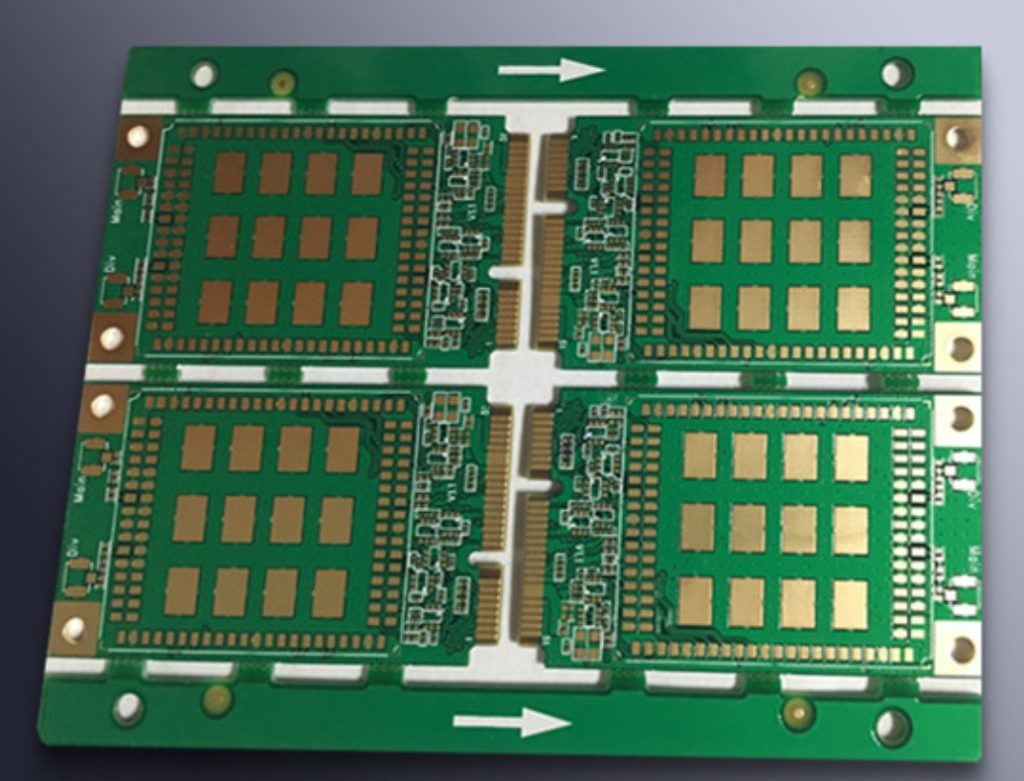
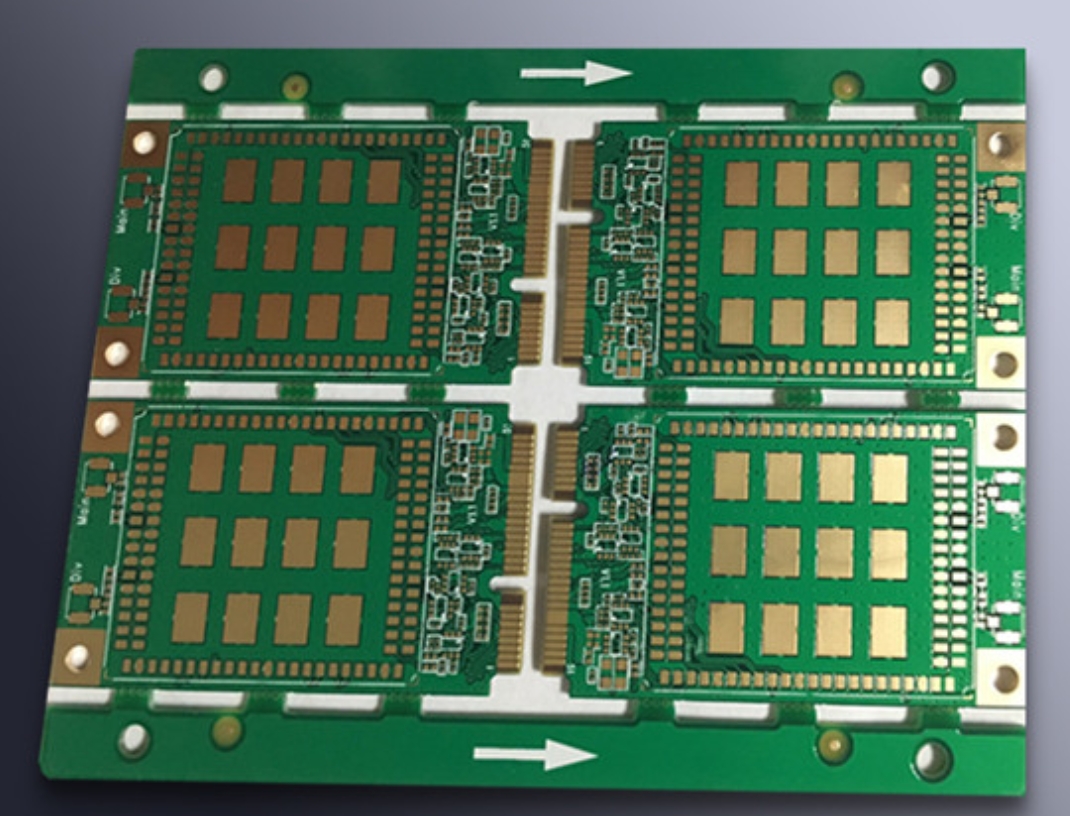
Precision plating is the process of putting thin metal layers on electronic parts. This method is very important for making these parts work better and last longer. By using techniques like electroless nickel plating, you can get a smooth coating that improves surface features. This makes sure that even tricky shapes get even coverage. The effects of precision plating show up in different tests, like checking for rust resistance and testing electrical properties. These tests show how precision plating helps electronic devices last longer and work well.
Key Takeaways
Precision plating makes electrical connections better. This helps electronic parts work well and last longer.
One big advantage of precision plating is that it stops rust. This keeps parts safe from damage and helps them work reliably.
Precision plating makes things much stronger. This means electronic devices last longer and need fewer replacements.
Getting the surface ready is very important for good plating. It helps the coatings stick well and work their best.
Electroless plating covers all shapes evenly. This makes it great for parts that face tough conditions.
Benefits of Precision Plating
Conductivity
Precision plating greatly improves how well electronic parts conduct electricity. You will see clear improvements with this method. For example, a top electronics company got great results by using gold-palladium plating on small connectors. This method made conductivity better and lessened wear on contacts. Here are some main benefits:
It lowered resistance.
It cut metal costs by 40%.
This led to longer product life and fewer failures in millions of units each year.
Common metals in precision plating, like gold, silver, and copper, help improve conductivity. Gold has great conductivity and resists corrosion. Silver gives better electrical performance, while copper is a strong base layer for conductivity.
Corrosion Resistance
Corrosion resistance is another important benefit of precision plating. This process shields electronic parts from environmental factors that can cause damage. The table below shows different plating methods and their corrosion resistance benefits:
Plating Technique | Benefits |
|---|---|
Gold Plating | Important for aerospace and military systems, ensuring steady performance over time. |
Zinc Nickel Plating | Provides over 1,000 hours of salt spray resistance, strong adhesion, and works well in tough conditions. |
Hardcoat Anodizing | Boosts surface hardness, cuts wear, and resists corrosion without adding weight. |
When you compare plated and non-plated parts, you will see a big difference in corrosion resistance. The table below shows this comparison:
Component Type | Corrosion Resistance Level | Remarks |
|---|---|---|
High | Least reactive metal, stops oxidation. | |
Non-Plated | Low | More likely to corrode, less reliable connections. |
Durability
Durability is very important for electronic parts, and precision plating helps a lot. The thin metal layers from precision plating create a strong barrier against wear. This extra protection makes sure your electronic devices can handle tough conditions and last longer. By choosing precision plating, you can greatly increase the life of your parts, cutting down on the need for replacements.
Plating Processes
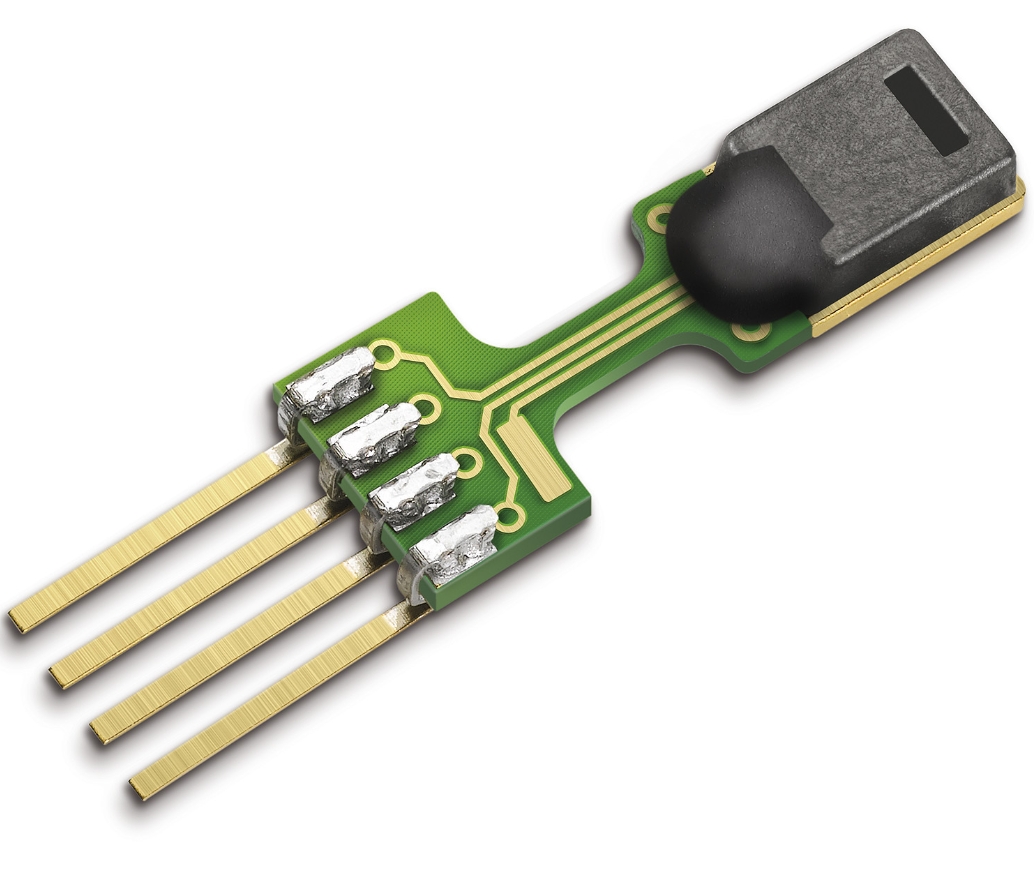
Surface Preparation
Surface preparation is the first important step in precision plating. You need to make sure the surfaces of the electronic parts are clean and ready for plating. Here are the usual steps for surface preparation:
Cleaning: Get rid of oils, lubricants, and dirt. This step helps the plating stick well.
Pre-treatment: Use methods like tunnel blasting, hand blasting, or aqua blasting to prepare surfaces. These techniques create a rough texture for better sticking.
Activation: Improve surface properties to help adhesion and reduce problems. This step is key for a strong bond between the base and the plating material.
Good surface preparation methods include cleaning, degreasing, etching, and polishing. These methods are important for strong adhesion of plating materials.
Electroplating
Electroplating is a common method in precision plating. It uses electric current to add a layer of metal onto a base. This method allows for careful control over the thickness and quality of the coating. Here are some key factors that affect the quality of electroplating:
Current Density: This affects how the coating looks. Low current density means slow deposition and rough grains, while high current density can cause burning and holes.
Voltage: Keep the voltage between 0.5–10 V, based on the bath chemistry.
Bath Composition: The amount of metal ions and pH levels affect how fast the metal deposits and the surface quality.
Temperature: Ideal temperatures are 40–60°C for copper and 45–55°C for zinc plating. Temperature affects how ions move.
Substrate Compatibility: Make sure the base can handle the electroplating process. This helps with adhesion.
Coating Specifications: Decide the best thickness and finish based on what you need.
Process Integration: Smooth integration into manufacturing processes is important for efficiency.
Electroless Plating
Electroless plating is different from electroplating in many ways. This method uses chemical reactions instead of electric current to add metal. Here’s a comparison of the two methods:
Aspect | Electroplating | Electroless Plating |
|---|---|---|
Process Control | Needs external electric current for coating | Uses chemical reactions, no electric current |
Thickness Control | Allows precise control over thickness | Gives even thickness on complex shapes |
Coating Uniformity | May have problems with uniformity due to current distribution | Ensures even coating on all surfaces |
Durability | Usually provides better hardness and wear resistance | Offers even corrosion resistance |
Ideal Applications | High-friction environments | Parts exposed to harsh chemicals or moisture |
Electroless plating has many benefits. It gives even coating on all surfaces, making it great for complex shapes and details. This method is often used for parts that need durability and resistance to corrosion.
Materials for Precision Plating
Gold
Gold is a top choice for precision plating in electronics. It carries electric current very well. Gold does not tarnish or oxidize, which helps it stay effective over time. Here are some key benefits of using gold:
Gold is a noble metal, so it resists corrosion well.
This is important for parts in tough conditions, ensuring they last longer.
Gold plating is common in reliable circuits and connectors, especially in medical devices.
Silver
Silver is another popular material for precision plating. It has the highest electrical and thermal conductivity of all metals. This makes silver great for lead frames and circuit connections. Here are some advantages of silver plating:
Silver is easy to solder and bond with wires.
Its antibacterial properties are helpful in clean places, like hospitals.
Silver is very ductile and shines brightly.
When you compare silver to gold and nickel, you will see that silver resists corrosion well but not as well as gold. The table below shows the conductivity and corrosion resistance of these materials:
Material | Conductivity | Corrosion Resistance |
|---|---|---|
Silver | Exceptional | Good |
Gold | High | Superior |
Nickel | Moderate | Moderate |
Nickel
Nickel is important in precision plating because of its barrier properties. It creates a protective layer against moisture and chemicals. Here are some key aspects of nickel:
Nickel improves corrosion resistance, helping parts last longer.
It is durable, making it good for many electronic uses.
Nickel ensures even thickness, which is important for precision in electronic parts.
Applications in Electronics
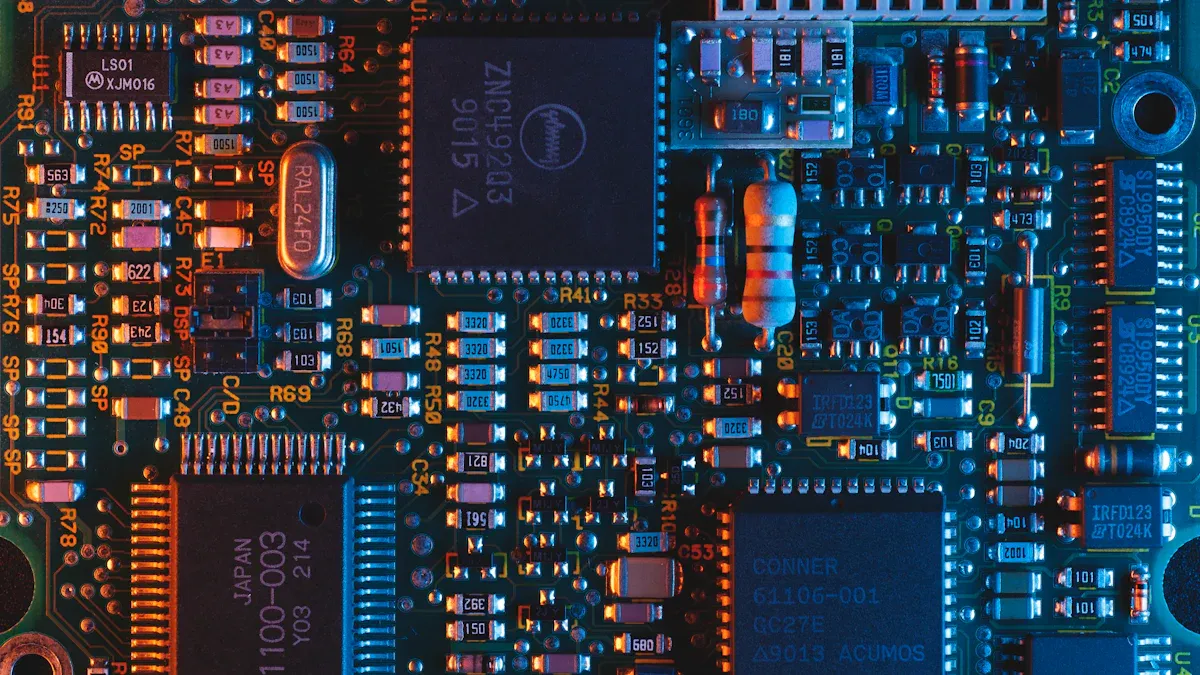
Precision plating is very important in many electronic uses. You can see its benefits in connectors, circuit boards, and sensors.
Connectors
Connectors are key for making strong electrical connections. Precision plating helps them work better in many ways:
It makes them tougher and more reliable.
It mixes different metals for better performance.
Nanocomposite coatings with carbon nanotubes make them resist wear and heat better. This keeps electrical contact steady at high temperatures.
Nickel platings boost wear resistance and heat stability, which is important for fast data connectors and car systems.
These improvements lead to better corrosion resistance, electrical flow, and longer life for connectors.
Circuit Boards
Circuit boards are the main part of electronic devices. Precision plating makes them much more reliable. Studies show that the thickness of copper wrap does not change how reliable circuit boards are. Tests show no failures during thermal cycling and thermal shock. This means that stress happens in the plated-through hole (PTH) barrels, not at the copper wrap. So, while copper wrap was thought to help reliability, it does not really stop failures.
Sensors
Sensors need precision plating to work well. The plating process makes them last longer and perform better. For example, precision plating protects sensors from environmental factors that could cause problems. This protection is very important in places like car systems and industrial automation, where sensors deal with tough conditions.
Precision plating is very important for making electronic parts work better and last longer. You get better conductivity, resistance to rust, and strength. Experts in the industry say that new technology increases the need for precision plating. For example, more than 52% of electric vehicle connectors need special coatings to work their best.
But there are still problems like following environmental rules and not having enough skilled workers. To fix these issues, think about using electroless nickel plating. This method gives even coatings and reduces heat stress. By improving these processes, you can make sure your electronic parts stay reliable and work well.
FAQ
What is precision plating?
Precision plating is a way to add thin metal layers to electronic parts. This process helps improve how well they conduct electricity, resist rust, and last longer. It makes the parts work better overall.
Why is gold used in precision plating?
Gold is a favorite for precision plating because it conducts electricity very well and resists rust. It doesn’t tarnish or oxidize, which makes it great for strong connections in electronic devices.
How does electroplating differ from electroless plating?
Electroplating uses electric current to add metal layers. Electroless plating, on the other hand, uses chemical reactions. Electroless plating gives an even thickness, especially on tricky shapes, without needing electricity.
What are the main benefits of precision plating?
Precision plating has many benefits. It improves electrical conductivity, boosts rust resistance, and increases durability. These benefits help electronic parts last longer and be more reliable.
In which applications is precision plating commonly used?
You often see precision plating in connectors, circuit boards, and sensors. These uses gain from better performance and reliability, especially in tough conditions.
See Also
Strategies to Lower Plating Mold Expenses for Electronics Makers
Moldless Selective Plating Solutions for U.S. AI and Medical Connectors
Moldless Selective Plating Options for India’s PLI Electronics Sector
Reducing Gold Plating Expenses in I/O Interfaces Using Moldless Methods
Moldless Selective Plating Services for German Automotive and Industrial OEMs