
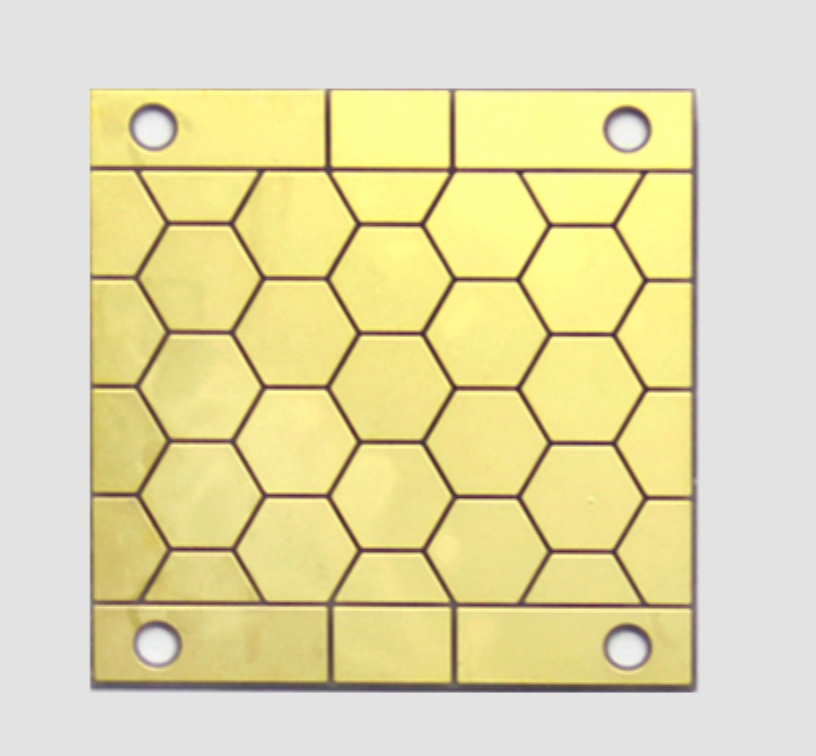
High-precision local gold plating involves applying a thin layer of gold to specific areas of a substrate. This technique holds great significance in industries like electronics, jewelry, and medical devices. Unlike traditional gold plating, which covers entire surfaces, high-precision methods focus on accuracy. For instance, the Semiconductor Electroplating Systems Market is projected to grow significantly, reaching USD 1219.1 Million by 2033, indicating rising demand for precision plating.
Key Takeaways
High-precision local gold plating enhances performance in electronics, jewelry, and medical devices by improving conductivity and corrosion resistance.
Choosing the right plating technique, such as electroplating or laser plating, is crucial for achieving desired results and maintaining quality.
Understanding the benefits and challenges of high-precision plating helps you make informed decisions for your projects, ensuring both efficiency and sustainability.
High-Precision Plating Techniques
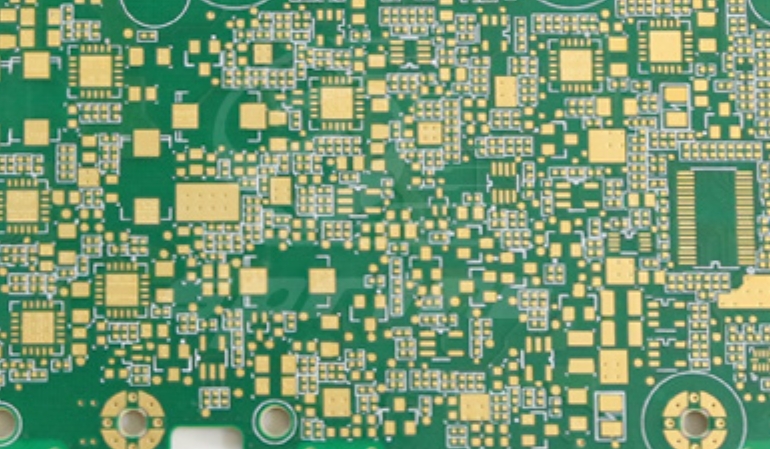
High-precision local gold plating employs several advanced techniques to achieve accuracy and quality. Each method has its unique advantages and challenges, making it essential to choose the right one for your specific application.
Electroplating Methods
Electroplating remains one of the most common techniques for high-precision gold plating. This method involves using an electric current to deposit gold ions onto a substrate. You can achieve precise control over the thickness and uniformity of the gold layer. The process allows for tolerances as low as 0.175 microns, making it suitable for applications requiring fine details.
However, you should be aware of the limitations. Traditional electroplating can sometimes lead to uneven deposition, especially on complex geometries. To mitigate this, consider using bottom-up electroplating, which enhances control over the deposition process. This technique helps create high-quality masks and reduces issues like void formation.
Masking Techniques
Masking techniques play a crucial role in high-precision local gold plating. These methods allow you to selectively plate specific areas while protecting others. One significant advantage of masking is achieving uniform bottom-up electroplating. This approach is vital for maintaining dimensional accuracy.
You can use a sacrificial SiO2 layer in this process, which is easily removable. This layer provides precise control over the plating process. However, challenges exist. Achieving uniform filling can be difficult, and you may encounter void formation during electroplating. Additionally, gold residual stress can affect mask quality. Optimizing parameters is essential to minimize stress and enhance mask performance.
Laser Plating
Laser plating is another innovative technique in high-precision local gold plating. This method uses laser energy to melt gold powder, allowing it to adhere to the substrate. You gain several benefits from this approach, including the ability to plate complex shapes and achieve high precision.
Laser plating also allows for rapid processing times, making it suitable for industries that require quick turnaround. However, it requires specialized equipment and expertise. The initial investment can be higher than traditional methods, but the long-term benefits often outweigh the costs.
Type of Gold Plating | Fineness Requirement | |
|---|---|---|
Gold electroplated | 0.175 | At least 10-karat |
Heavy gold electroplated | 2.5 | At least 10-karat |
Vermeil | 2.5 | At least 10-karat |
Applications in Various Industries
High-precision local gold plating finds extensive applications across several industries. Each sector benefits from the unique properties of gold, such as conductivity, corrosion resistance, and biocompatibility. Here’s a closer look at how different industries utilize this technology.
Electronics
In the electronics industry, high-precision local gold plating plays a crucial role. You can find it in various components, including:
Semiconductors: Gold plating enhances conductivity and ensures reliable performance.
Connectors: Gold-plated connectors provide excellent corrosion resistance, which is vital for long-term functionality.
Printed Circuit Boards (PCBs): The miniaturization trend in electronics increases the demand for fine-feature plating, where gold excels.
The rise of 5G infrastructure and smart devices drives the need for gold-plated components. In aerospace and automotive electronics, gold plating ensures critical performance due to its thermal stability. Additionally, gold’s inertness makes it essential for implantable devices and diagnostic tools in the medical field.
Jewelry
High-precision local gold plating significantly enhances the quality and design complexity of jewelry. You can expect the following benefits:
Tarnish Resistance: Advanced micro-plating techniques provide a tarnish-resistant finish, maintaining the aesthetic appeal of jewelry.
Durability: High-quality components ensure that pieces withstand wear and tear.
Intricate Designs: The precision of gold plating supports complex designs, allowing jewelers to create stunning pieces.
This technique allows you to enjoy the luxurious look of gold without the high cost of solid gold items.
Medical Devices
In the medical device industry, high-precision local gold plating is essential for ensuring safety and performance. The following certifications and standards are crucial for compliance:
Certification/Standard | Description |
|---|---|
ISO 9001:2015 | Quality management system standard |
ISO 14001:2015 | Environmental management system standard |
AS9100D | Quality management for aerospace industry |
RoHS Compliance | Restriction of hazardous substances |
REACH Compliance | Registration, Evaluation, Authorisation and Restriction of Chemicals |
Nadcap | Accreditation for aerospace and defense industries |
ISO 10993 | Biological evaluation of medical devices |
USP Class VI | Standards for biocompatibility of materials used in medical devices |
AMS2460 | Specification for gold plating processes |
Gold plating in medical devices ensures biocompatibility and durability. This is especially important for implantable devices and diagnostic tools. The industry requires coatings that meet strict regulatory standards, ensuring patient safety and device reliability.
Benefits and Challenges of High-Precision Plating
Advantages of High-Precision Plating
High-precision local gold plating offers numerous benefits that can enhance your projects. Here are some key advantages:
Enhanced Performance: Gold’s excellent conductivity improves the performance of electronic components.
Corrosion Resistance: Gold plating protects against oxidation and corrosion, extending the lifespan of products.
Aesthetic Appeal: The luxurious appearance of gold enhances the visual appeal of jewelry and decorative items.
Cost-Effectiveness: You can achieve the look of solid gold at a fraction of the cost, making it accessible for various applications.
Challenges and Considerations
While high-precision plating has many benefits, you should also consider potential challenges. Here are some important factors:
Complexity of Processes: Techniques like laser plating require specialized equipment and expertise, which can increase initial costs.
Environmental Concerns: Traditional plating methods often use toxic chemicals. However, the industry is shifting towards eco-friendly alternatives. For example, non-cyanide solutions improve worker safety and reduce environmental harm.
Here’s a summary of some environmental considerations:
Consideration | Description |
|---|---|
Eco-Friendly Alternatives | The industry is shifting towards non-toxic and sustainable chemical alternatives to cyanide-based solutions, reducing environmental harm. |
Worker Safety | Non-cyanide solutions improve safety for workers involved in the electroplating process. |
Recycling and Recovery | Advancements in gold recycling technologies are reducing the need for new gold mining, promoting sustainability. |
Closed-Loop Systems | Adoption of closed-loop systems minimizes waste and allows for the reuse of chemicals and gold, lowering environmental footprints. |
By understanding these benefits and challenges, you can make informed decisions about using high-precision local gold plating in your projects.
High-precision local gold plating plays a vital role in various industries, enhancing performance and aesthetics. You can expect future advancements to focus on eco-friendly methods and automation. Innovations like vacuum plating and non-toxic chemicals will improve efficiency and sustainability.
Source | Key Insights |
|---|---|
Industrial Plating Market Size, Growth, Forecast Till 2032 | Demand for multifunctional metallic finishes is rising, especially in electronics and medical devices. |
Global Gold Plating Electrolyte and Additives Industry to Grow at 6.10% CAGR | Precision electronics and high-speed communication devices drive growth in the gold plating industry. |
As you explore high-precision local gold plating, consider its potential to transform your projects and meet emerging market demands. 🌟
FAQ
What is high-precision local gold plating?
High-precision local gold plating applies a thin gold layer to specific areas, enhancing performance and aesthetics in various applications.
Why is precision important in gold plating?
Precision ensures uniformity and quality, which is crucial for applications in electronics, jewelry, and medical devices.
How does gold plating benefit electronics?
Gold plating improves conductivity and corrosion resistance, ensuring reliable performance in electronic components and devices.
See Also
Precision Metal Etching at ±0.005mm for Semiconductors
Continuous Selective Plating Without Molds for Gold Strips
Selective Plating Solutions Without Molds for Japanese Robotics
Reducing Gold Plating Expenses in I/O Interfaces Efficiently
Moldless Selective Plating for German Automotive Connector Manufacturers