
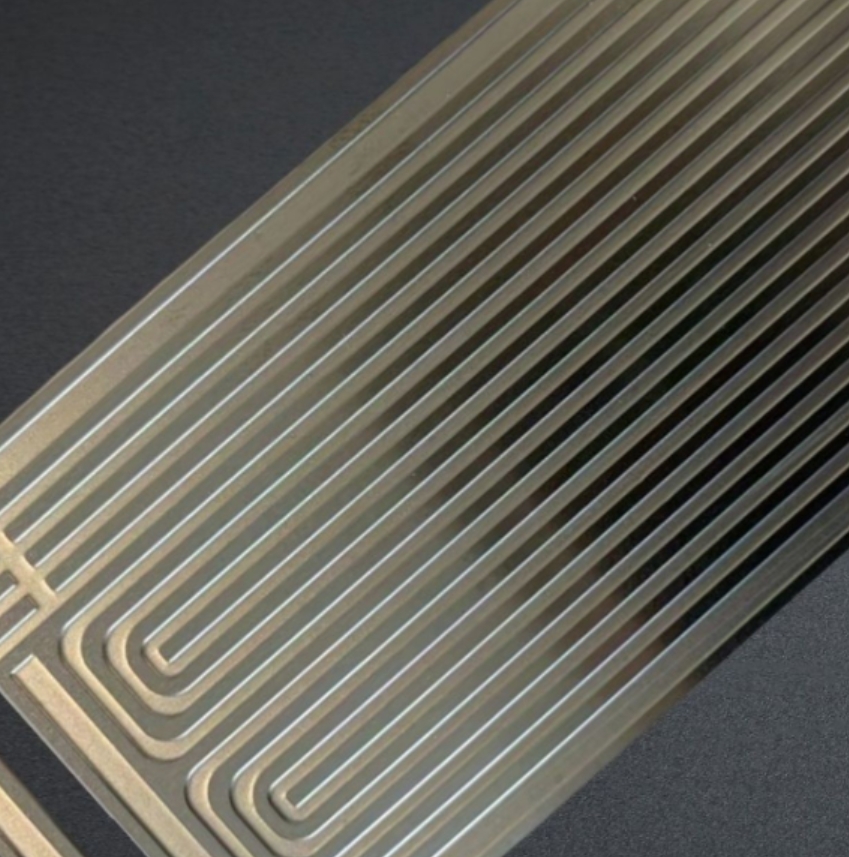
The application of electroplating technology is very important in many industries. It adds a layer of metal to a surface, enhancing it in various ways. Some benefits of the application of electroplating technology include improved durability, resistance to rust, and a more appealing appearance. For instance, the global electroplating market is projected to reach USD 33.44 billion by 2034, growing at a rate of 3.6% each year from 2025 to 2035.
Here are some key benefits of the application of electroplating technology in industrial applications:
Benefit | Description |
|---|---|
Enhanced Functional Properties | Makes surfaces resist rust, wear, and improves electrical and heat performance. |
Aesthetic Versatility | Provides shiny, even finishes in various colors for both decoration and function. |
By utilizing the application of electroplating technology, industries can effectively meet both practical and decorative needs.
Key Takeaways
Electroplating makes things stronger by adding a metal layer. This helps parts last longer and resist rust.
In electronics, electroplating helps with conductivity. This means devices work well and efficiently.
Aerospace uses lightweight coatings to save fuel and handle tough conditions.
Medical devices have safe coatings from electroplating. This keeps patients safe and makes devices last longer.
Common items like jewelry and kitchenware look better and last longer because of electroplating.
Automotive Applications
Durability Enhancement
Electroplating technology is very important for making car parts last longer. It adds a metal layer that protects these parts. For example, chromium electroplating can make car parts last up to five times longer than parts without it. This is very important in the car industry because cars need to be reliable and last a long time.
Here are some car parts that gain from electroplating:
Bumpers: Electroplated with chromium for protection and looks.
Grilles: Made stronger and better looking with electroplating.
Emblems and Badges: Nickel or chrome plating stops tarnishing.
Trim Pieces: Gives a shiny look that makes the car more attractive.
Wheel Rims: Chrome plating keeps them safe from rust.
Fasteners and Bolts: Better strength and rust protection.
Engine Components: Plated to resist high temperatures and wear.
Brake Components: Stops rust and helps them last longer.
Exhaust Systems: Improves rust protection and looks.
Lighting Components: Better looks and durability.
Electrical Contacts: Better conductivity and rust resistance.
Corrosion Resistance
Corrosion resistance is another big benefit of electroplating in cars. The electroplating process puts a metal layer on car parts. This layer helps stop rust and damage. Common metals like zinc and cadmium are used. They corrode first, which protects the main metal underneath.
The benefits of electroplating for corrosion resistance include:
A protective layer that keeps moisture and dirt away from the main metal.
Harder surfaces that resist wear, making car parts last longer.
Better looks, as the electroplated surface is often shiny and nice.
Electronics Applications

Conductive Pathways
Electroplating is very important for making pathways that conduct electricity in electronic devices. This process adds a thin metal layer to surfaces. This layer helps them conduct electricity better. Common materials used for electroplating in electronics are:
Material | Application |
|---|---|
Copper | Used to coat plastic parts so they can conduct electricity well. |
Often used to coat plastic items to make them look better and resist wear. | |
Tin | A cheap choice for many electronics, but it can cause whiskers to form. |
Using electroplating greatly improves how well circuit boards conduct electricity. For example, tin plating helps reduce contact resistance between electrical parts. This means your devices will work better and more reliably.
Performance Improvement
Electroplating also boosts performance in making electronics. Over the years, the industry has improved a lot thanks to electroplating. Here are some important points:
From the 1940s to 1969, more manufacturers used gold electroplating in electric circuits. Gold is great for conducting electricity and resisting corrosion.
Starting in the 1970s, companies like IBM began using electroplating in making computer chips. This increased the use of electroplating in electronics, especially for protective coatings.
The benefits of electroplating go beyond just helping conductivity. It also protects against corrosion, which is important for keeping electronic devices working longer. By adding a protective layer, you can stop damage from moisture and other environmental issues.
Aerospace Applications
Lightweight Coatings
Electroplating is very important in aerospace engineering. It gives lightweight coatings to aircraft parts. These coatings help make the aircraft lighter. This is key for better fuel efficiency. Many aerospace parts use this technology. For example, nickel electroplating is often used for landing gear and turbine blades. This process makes these important parts stronger and more durable.
Here are some aerospace parts that often use electroplating:
Cadmium plating for fasteners and connectors.
Hard chrome plating for hydraulic systems.
Electroless nickel plating for complex shapes.
Composite coatings like nickel-PTFE for lubrication.
Corrosion Resistance
Corrosion resistance is another big benefit of electroplating in aerospace. The electroplated coatings protect parts from tough environmental conditions. For example, ZnNi plating is applied at a thickness of 0.3–0.6 mils with 12–15% nickel. This gives great corrosion resistance. This application keeps parts strong, which is very important in aerospace.
The benefits of electroplated coatings include:
Improved electrical performance.
Higher corrosion resistance in extreme conditions.
Electroplated coatings can last 10 to 20 years, even with the stress of takeoffs and landings. They help aerospace parts handle frequent use while meeting strict safety rules. Also, these coatings can make parts last 200-300% longer than uncoated surfaces, preventing failures caused by fretting.
Medical Device Applications
Biocompatibility
Electroplating is very important for making medical devices safe. Many devices have biocompatible coatings. These coatings help them work safely with the human body. Here are some common materials used for these coatings:
Gold: Very safe and good for long-term use in implants.
Titanium: The body accepts it well, making it great for medical devices.
Silver: Helps fight germs, lowering the chance of infection.
These coatings stop bad reactions, making devices safer for patients. They also help devices work better by giving a stable surface that limits ion release.
Device Longevity
Electroplating helps medical devices last longer. The coatings protect against rust, especially in salty environments and body fluids. This protection is very important for devices that need cleaning and sterilization often. Here are some examples of medical devices that use electroplating technology:
Steel parts that need protection from rust.
Tools that look better with decorative coatings.
The benefits of electroplating include:
Corrosion resistance: Keeps base metals safe, making devices last longer.
Wear and abrasion resistance: Makes them stronger, reducing wear debris.
Electrical conductivity: Ensures stable connections in active medical devices.
These factors help make medical devices reliable and effective. This is why electroplating is an important technology in healthcare.
Everyday Items and Jewelry
Aesthetic Enhancement
Electroplating makes jewelry and everyday items look much better. This process gives a nice finish that attracts attention. Here are some ways electroplating improves how things look:
It makes the color even all over the piece.
It helps prevent tarnishing, making items last longer.
It allows for richer colors by using higher karat gold.
It helps match colors in mismatched jewelry.
You can see electroplating on many metals, such as:
Gold
Platinum
Palladium
Sterling Silver
Copper
Brass
These metals not only look nice but also have different benefits based on their features.
Wear Resistance
Electroplating is also very important for making everyday items more durable. The protective layer from plating helps items last longer. This means they can handle daily use without getting worn out.
Here’s a quick look at how electroplating helps with wear resistance:
Feature | Description |
|---|---|
Electroplated parts resist corrosion, wear, and tarnishing better. | |
Abrasion and Friction Reduction | Protective plating makes moving parts slide better, helping them last longer. |
Common household items that gain from electroplating include:
Household Item | Purpose |
|---|---|
More durable and resistant to corrosion | |
Kitchenware | Lasts longer and looks better |
Doorknobs | Strong, corrosion-resistant surface |
With electroplating, you can enjoy items that look great and last a long time. This technology helps keep your jewelry and everyday items beautiful and useful over time.
Electroplating technology is very important in many industries. It helps products last longer, improves how well they conduct electricity, and meets appearance needs. You can find its uses in cars, electronics, airplanes, and medical devices.
Automotive: Electroplating makes parts last longer and protects them from rust.
Electronics: It boosts performance by making reliable paths for electricity.
Aerospace: Lightweight coatings help save fuel and handle tough conditions.
Medical Devices: Safe coatings make sure devices work well and last a long time.
As you look at these uses, think about how electroplating can help your industry. Its flexibility and usefulness make it a key part of modern manufacturing.
FAQ
What is electroplating?
Electroplating is a method that uses electricity to put a metal layer on a surface. This layer makes things stronger, helps resist rust, and improves looks.
What materials can be electroplated?
You can electroplate many metals like gold, silver, nickel, copper, and chromium. Each metal has special benefits for different uses.
How does electroplating improve durability?
Electroplating adds a metal layer that protects the main material from wear, rust, and damage from the environment. This process helps parts last much longer.
Is electroplating environmentally friendly?
Electroplating can be good for the environment if done right. Good waste management and recycling can reduce harm to nature.
Can I electroplate at home?
You can find small electroplating kits for home use, but professional tools give better results. If you try it, make sure to follow safety rules and local laws.
See Also
Die-Free Selective Plating Enhances Prototyping Through R&D Innovation
Selecting the Best Service for Your Connectors’ Selective Plating
Exploring Roll-to-Roll Etching Benefits for Future Electronics
Spot Gold Plating on 0.009mm Strips Using Moldless Selective Plating
Affordable Selective Plating Solutions for I/O Interface Applications