
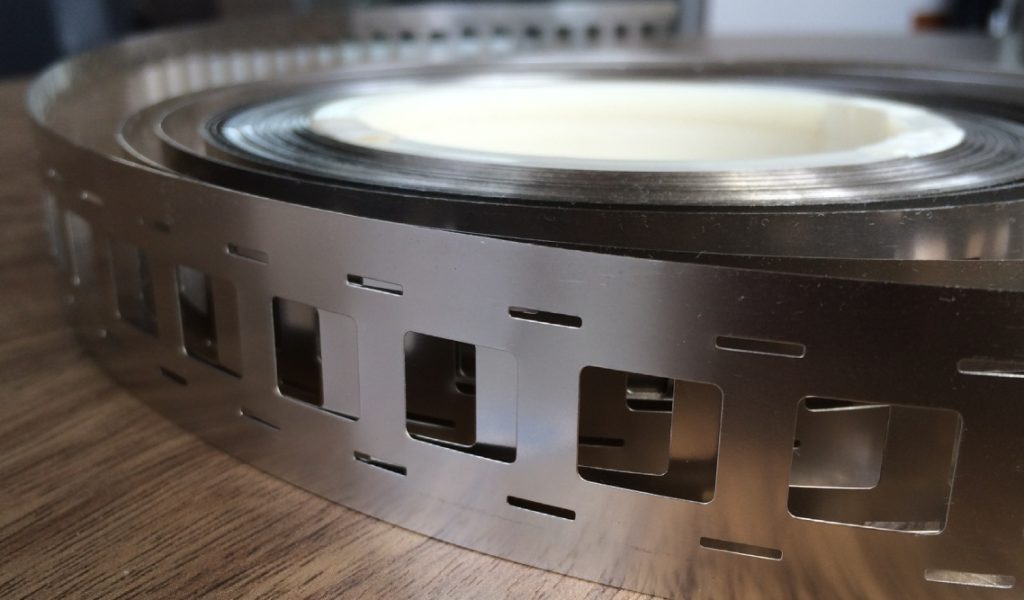
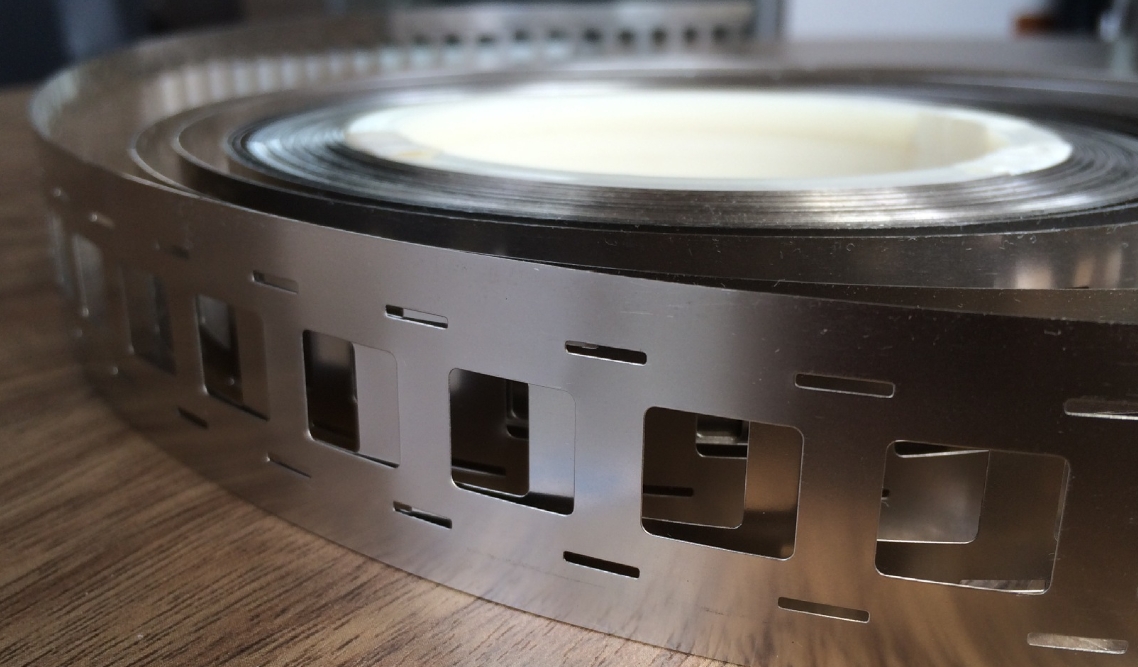
Electroplating technology is very important in many industries, as it influences the direction of technology. It enhances products by increasing strength, preventing rust, and improving aesthetics. For example, car parts utilize electroplating to withstand tough conditions. In electronics, careful electroplating significantly improves the performance of microchips and connectors. As the industry evolves, understanding how electroplating influences the direction of technology becomes essential. New innovations in this area will transform how products are manufactured and how they function across various applications.
Key Takeaways
Sustainable electroplating methods, like green plating, cut down on harmful chemicals and energy use. This helps the environment and improves company reputation.
Using robots and AI makes electroplating faster and better. This lets workers focus on more complicated tasks.
High-Density Interconnects (HDI) and pulse plating technology are important for smaller electronics. They make devices work better and last longer.
The market for electroplating copper solutions is growing fast. This is due to high demand in cars and electronics, showing good chances for investment.
Solving supply chain problems and skill gaps in the workforce is important. This helps keep quality and efficiency in the electroplating industry.
Sustainable Electroplating
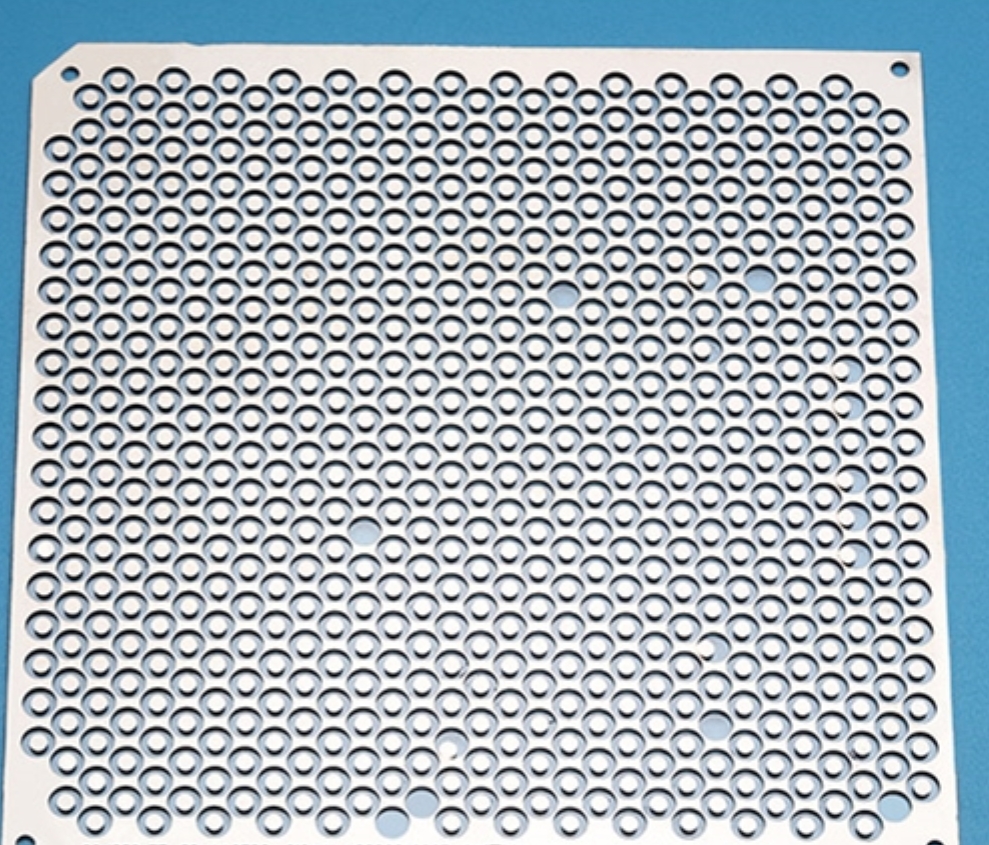
Sustainable electroplating is very important in today’s manufacturing. There is a growing focus on eco-friendly materials and practices. These changes help the planet and meet new rules.
Eco-Friendly Materials
You may ask what eco-friendly materials are used in electroplating. One well-known example is green plating. This method uses fewer harmful chemicals and saves energy. As companies aim for sustainability, green plating is becoming more popular.
Environmental regulations are speeding up the move to trivalent chromium and cyanide-free plating systems, especially in aerospace, defense, and medical manufacturing.
Using eco-friendly materials greatly affects the environmental impact of electroplating. Here’s a quick look at how these materials help sustainability:
Aspect | Description |
|---|---|
Hazardous Chemical Reduction | Creating formulas with less toxicity and fewer heavy metals to lower ecological risks. |
Energy Efficiency | New plating methods that use less energy, cutting down the carbon footprint. |
Using bio-based and renewable resources in plating chemicals to lessen reliance on petroleum. | |
Waste Treatment | Better ways to treat wastewater to recover valuable metals and reduce pollution. |
Green Chemistry Practices
Green chemistry is key to sustainable electroplating. You can use its ideas to make safer and better processes. Here are some important green chemistry principles to know:
Principle | Application in Electroplating Technology |
|---|---|
Reduction of hazardous substances | Use of deep eutectic solvents (DES) instead of toxic cyanide baths or harmful solvents. |
Waste minimization | DES allow for more sustainable plating, cutting down the waste impact. |
Use of safer solvents | DES are safe and non-flammable alternatives to traditional solvents, improving safety in electroplating. |
Using sustainable electroplating can change industry standards a lot. Companies that adopt these practices boost their brand value and market position. New rules are also encouraging sustainability in manufacturing. This shows that future industry standards will need to follow eco-friendly regulations more and more.
Companies adopting sustainable practices enhance brand value and market position. This shows a shift towards eco-friendly practices as companies work to stay competitive.
Automation in Electroplating
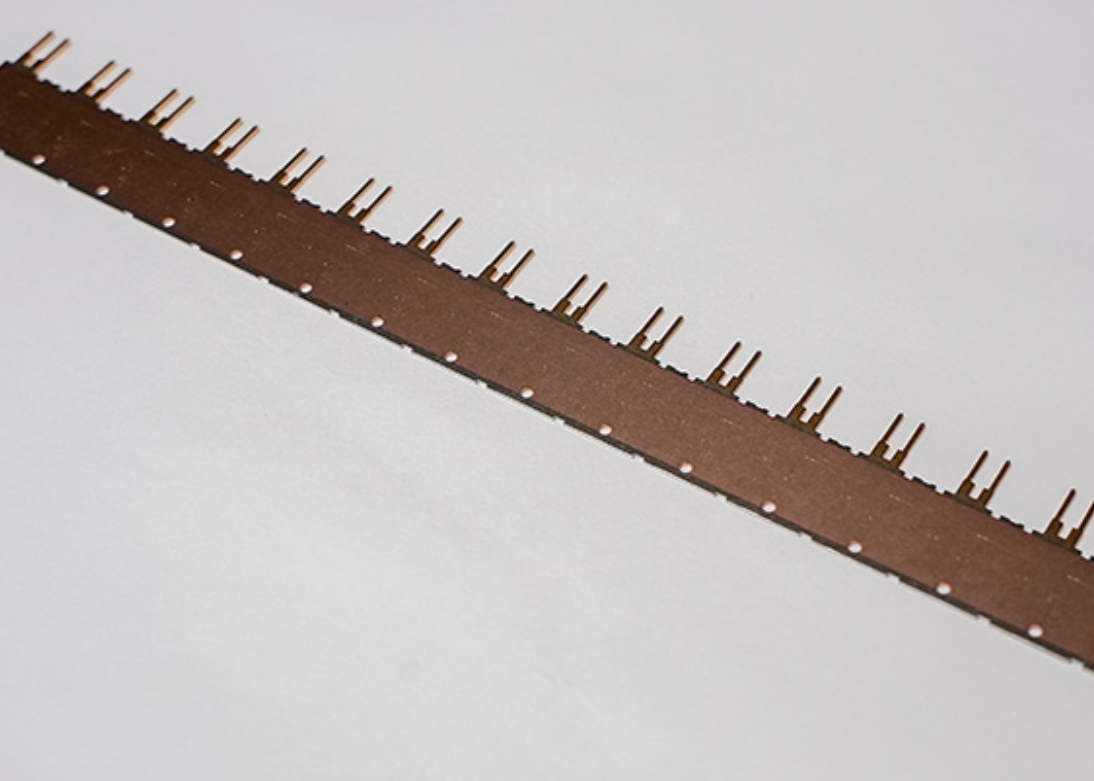
Automation is very important for the growth of electroplating technology. It makes things work better, costs less, and improves product quality. When you look at how automation affects electroplating, you will see that robotics and AI are leading these changes.
Robotics in Electroplating
Robotics has changed electroplating factories a lot in the last ten years. You can notice big gains in efficiency and lower costs. Here’s a quick look at how robotics has changed things:
Improvement Type | Percentage |
|---|---|
Efficiency Improvements | |
Reduction in Rework Costs | 22% |
These changes help speed up production and make plating more accurate. With robots doing repetitive tasks, human workers can handle more complex jobs. This change not only increases productivity but also makes it safer by lowering human contact with dangerous materials.
AI-Driven Quality Control
Artificial Intelligence (AI) is changing quality control in electroplating. By using AI in your processes, you can see great improvements in product consistency and finding defects. Here are some main uses of AI in electroplating:
Real-Time Process Optimization: AI looks at production data to find the best conditions for good coating quality.
Automatic Detection of Defects: AI-powered cameras can quickly spot defects like scratches, blisters, and color changes, improving quality control.
Predictive Maintenance: AI checks equipment performance to predict problems, cutting down on downtime and costs.
Uniform Coating Thickness: AI systems make sure the coating thickness is even, improving product performance and reducing waste.
The benefits of AI in quality control are huge. For example, AI can find problems early, stopping defects from getting worse. This way, there are fewer mistakes and better quality products. Here’s a summary of how AI affects defect rates and production consistency:
Benefit | Description |
|---|---|
AI can find issues in the electroplating process before they get worse, lowering defects. | |
Predictive Maintenance | AI predicts failures, ensuring steady quality and less disruption. |
Consistent Quality Maintenance | Automated changes keep the best conditions, leading to even coating quality. |
Reduced Scrap and Rework | Better defect detection means less waste and rework, improving overall efficiency. |
Using automation and industry 4.0 technologies in electroplating not only makes operations smoother but also prepares your business for future growth. As you adopt these new technologies, you will likely see a big impact on your profits.
Electroplating for Miniaturized Designs
The trend of making electronics smaller greatly affects electroplating for miniaturized designs. As devices shrink, manufacturers need better electroplating methods to improve performance and reliability. The need for smaller electronics pushes new ideas in materials and techniques. These new ideas focus on better conductivity and durability, which are important for small devices to work well.
High-Density Interconnects (HDI)
High-density interconnects (HDI) have moved from being rare to a common feature in consumer electronics. This technology allows for much higher routing densities than regular multilayer boards. Here are some key points about HDI:
HDI PCBs can be up to 60% smaller, which is important for compact devices like smartphones and medical tools.
The higher routing density helps make electronic parts smaller and more efficient.
As you can see, HDI technology is very important for changing electroplating processes. It needs careful plating methods to keep connections strong even in tight spaces.
Pulse Plating Technology
Pulse plating technology is another new method that helps with miniaturized designs. This technique gives better control over how copper and other materials are added. By using pulsed currents, you can control coating thickness and evenness better. This is especially important in the medical device field, where precision matters a lot.
New uses include:
Electroactive bio-microneedles for drug delivery and monitoring.
Microelectrode arrays that quickly respond to glucose levels.
Closed-loop systems that combine sensing and action for managing things like insulin delivery.
These advancements show how electroplating changes to meet the needs of smaller designs. As you look into these technologies, you will see how they influence the future of electronics and medical devices.
Market Growth and Trends
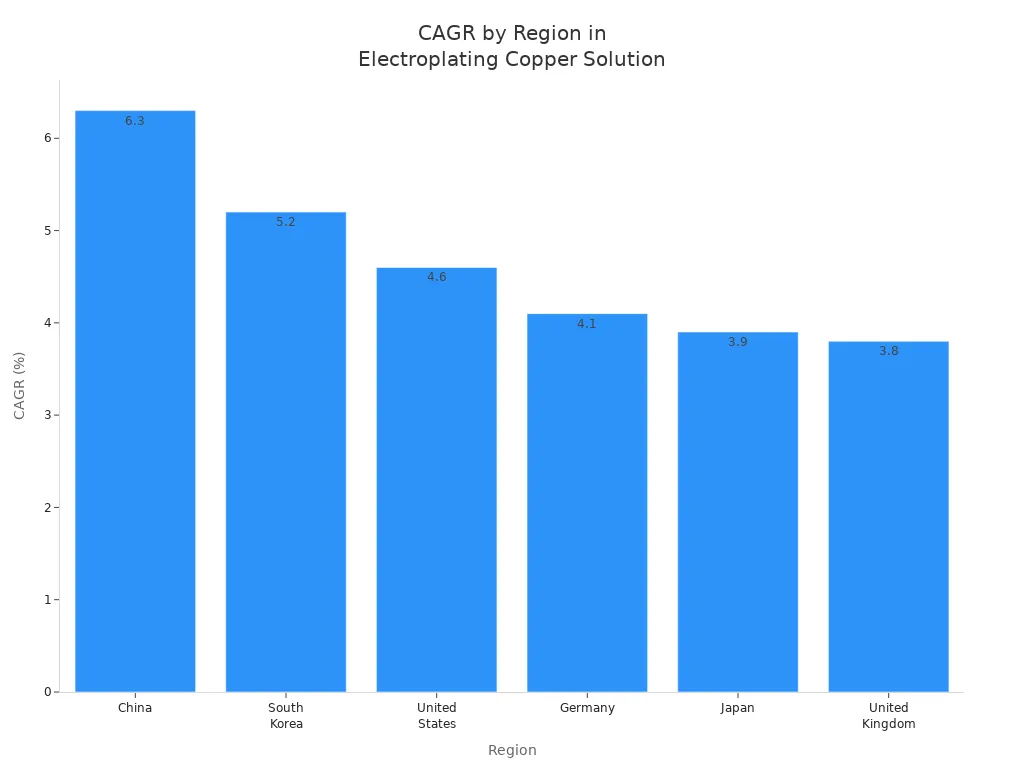
The market for electroplating copper solutions is growing fast. This growth comes from many reasons, like new technology and higher demand in different industries. As you look into this market, you will see important regions leading the way.
Electroplating Copper Solution Market
The table below shows the regions with the highest growth rates in the electroplating copper solution market:
Region | CAGR (%) | Key Drivers |
|---|---|---|
China | 6.3 | Big automotive production, electronics, and building projects |
South Korea | 5.2 | Semiconductors, batteries, and advanced electronics |
United States | 4.6 | Automotive, aerospace, defense, and electric vehicle growth |
Germany | 4.1 | Strong automotive engineering and high manufacturing standards |
Japan | 3.9 | Precision manufacturing and electronics |
United Kingdom | 3.8 | Focus on sustainability and using automation |
Future Market Projections
Looking forward, many factors will influence future market growth in the electroplating industry. The automotive sector is very important. More vehicle production and the need for electric vehicle parts will raise the demand for copper plating. This plating is key for protecting against rust and ensuring durability.
Electronics manufacturing also boosts demand. Printed circuit boards and consumer electronics need coatings that are conductive and resist corrosion. Plus, industrial sectors like machinery and aerospace depend on electroplated surfaces to make parts last longer.
Sustainable technologies are becoming more important. Using eco-friendly plating processes and materials helps meet rules and performance needs. Also, new applications in electric vehicles and renewable energy open up chances for specialized electroplating in reliable components.
As you look at these trends, you will see that the electroplating copper solution market is ready for big growth. This growth offers chances for investment and new ideas.
Challenges in Electroplating
The electroplating industry has some challenges that could affect its future. Two big problems are supply chain issues and a lack of skilled workers.
Supply Chain Issues
Supply chain problems can greatly impact the availability of materials for electroplating. Here are some key effects:
Delays in getting important materials can slow production.
Higher costs from supply chain issues can make it hard to meet demand.
The automotive and electronics industries are hit hard, affecting their production.
These problems can cause delays in product delivery and higher prices for customers. As you deal with these challenges, it’s important to stay updated on supply chain changes.
Workforce Skill Gaps
Another challenge is the skill gap in the electroplating workforce. Many companies find it hard to hire workers with the right skills for precise plating. Here are some key points to think about:
The skill gap in high-precision plating has a global impact of -0.4%, especially in North America and Europe over time.
Companies may struggle to train current workers to meet new tech needs.
Fixing these skill gaps is important for keeping quality and efficiency in electroplating. Investing in training programs can help close this gap and prepare your workers for future challenges.
As you think about these challenges, remember that taking action can help lessen their effects. Staying informed and investing in your workers will help you succeed in the changing electroplating field.
The future of electroplating technology looks good because of some important new ideas. You should watch for trends like plating without cyanide, closed-loop water systems, and advanced thin-film coatings. These improvements help make the industry more sustainable and efficient.
To do well, think about these strategies:
Focus on new ideas to keep up with trends.
Expand to new areas to reach more markets.
Build partnerships to improve skills and resources.
Make your products unique to stand out from others.
Cut costs to increase profits.
Use eco-friendly practices to follow rules.
Use smart manufacturing and Industry 4.0 for better accuracy and growth.
Keeping up with these changes will help you succeed in the changing world of electroplating.
FAQ
What is electroplating?
Electroplating is a method that uses electricity to add a layer of metal to a surface. This process improves the surface, making it stronger against rust and better looking.
Why is sustainability important in electroplating?
Sustainability helps protect the environment. It means using safe materials and methods. This approach meets rules and boosts a company’s image while cutting down waste and energy use.
How does automation improve electroplating?
Automation makes electroplating faster and more reliable. Robots and AI help make processes smoother, lower mistakes, and improve quality control. This leads to better products.
What are High-Density Interconnects (HDI)?
HDI are special circuit boards that have more connections packed into a smaller space. These boards help create smaller and more efficient electronic devices, which are important for today’s technology.
What challenges does the electroplating industry face?
The electroplating industry deals with supply chain problems and a lack of skilled workers. These issues can slow down production and lower the quality of electroplated items.
See Also
Exploring Roll-to-Roll Etching Benefits for Future Electronics
Revolutionizing US Manufacturing with Tool-Free Selective Plating
Accelerating Prototyping Through Innovative Die-Free Selective Plating
Enhancing Lead Frame Quality with Selective Electroplating Techniques
Strategies to Lower Plating Mold Expenses for Electronics Makers