
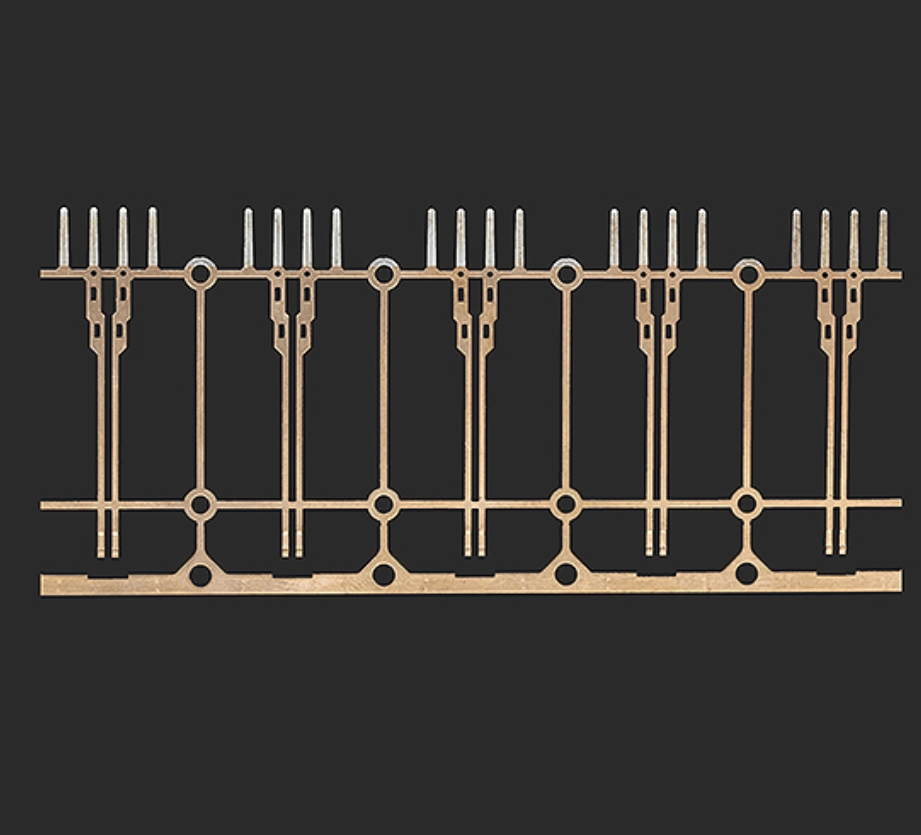
The electroplating process is a method that applies a layer of metal onto a surface using electricity. This technique is crucial in various industries, including electronics and automotive manufacturing. For example, over 40% of electronic products incorporate parts that undergo the electroplating process. The global electroplating market was valued at approximately USD 20.03 billion in 2023 and is projected to expand to USD 28.40 billion by 2032. Understanding how the electroplating process works allows you to appreciate its significance, as it enhances product durability and performance.
Key Takeaways
Electroplating makes products stronger by adding a metal layer. This helps items last longer.
It also improves resistance to rust and damage in tough conditions.
Electroplating increases electrical conductivity, which helps electronic parts work better.
It makes the surface look nicer, giving products a better finish.
Knowing about electroplating helps industries choose better options for performance and sustainability.
Definition of Electroplating
Electroplating is an interesting process. It puts a layer of metal on a surface using electric current. This method, called electrodeposition, has many important uses. It makes the base material stronger and better looking.
Here are some key benefits of the electroplating process:
Enhance Durability: Electroplating makes products last longer by adding a protective layer.
Corrosion Resistance: It protects materials from rust and damage, especially in tough conditions.
Electrical Conductivity: Electroplating can make electronic parts work better by improving their conductivity.
Surface Aesthetics: This process gives a nice finish, making items look more attractive.
Metal plating is important in many industries. For example, in cars, electroplating helps protect parts from wear. In electronics, it improves how well components work by giving better conductivity.
Also, electroplating is different from other metal finishing methods. Many methods coat surfaces, but electroplating uses electrical energy to deposit metal ions. This special method allows for careful control over how thick and good the metal layer is.
How the Electroplating Process Works
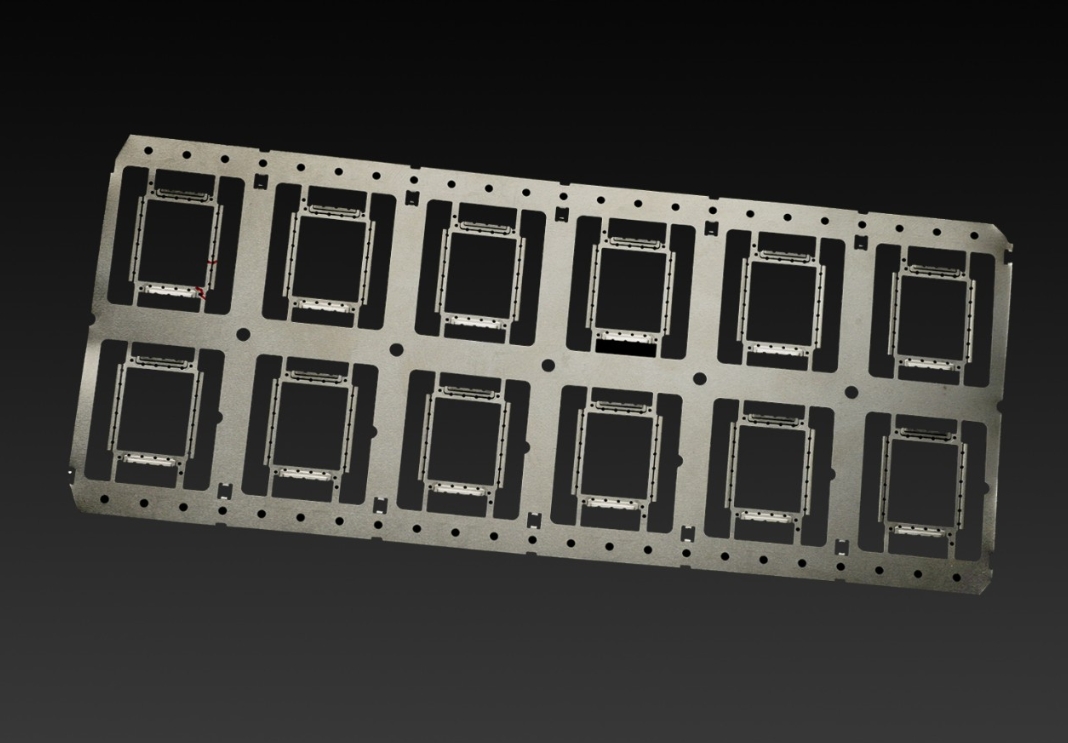
Electroplating has important parts and steps that help it work well. Knowing these parts helps you see how the electroplating process gets its results.
Key Components
The electroplating process needs certain parts to work properly. Here are the main steps involved:
Surface Preparation: First, clean the surface well. This helps the metal layer stick better.
Setting Up Electrolytic Cell: Place the surface and metal anode in a bath with electrolyte. This setup is very important for the process.
Electric Current Application: Turn on the current to let metal ions stick to the cathode. The electricity makes the plating happen.
Thickness Control: Change the current time and strength to control how thick the coating is. This control is key for getting good results.
Finishing: Wash and dry the plated part. You can also add treatments to improve performance.
Component | Description |
|---|---|
Changes based on the metal being plated and how it will be used. | |
Metal source | Copper sulfate gives copper ions in the solution. |
Supporting electrolyte | Sulfuric acid helps the solution conduct electricity and keeps the pH right. |
Chloride ions | Small amounts help the plating work better and reduce defects. |
Suppressors | Organic additives that control how fast metal deposits and manage copper ion reduction. |
Levelers | Compounds that make sure the metal deposits evenly by reducing high-current areas. |
Accelerators | Added to help metal deposit better in deep areas to avoid gaps. |
Factors Affecting Quality
Many things can affect how good the electroplated layer is. You should think about these factors for the best results:
Current Density: The amount of current used affects how thick and good the metal coating is. For example, at a current density of 2.5 A·dm−2, the coating might be thin. Higher current density can improve surface quality but may cause problems if too high.
Substrate Material: The type of substrate material affects how well the metal sticks and how even it is. Different materials react differently with plating metals, changing bond strength.
Electrolyte Composition: The chemical makeup of the electrolyte solution is very important. It needs the right metal ions for plating and must keep good conditions for quality.
Quality Control Measures: Regular checks of the solution and careful control of plating settings help keep results consistent. Following thickness guidelines and testing for adhesion and corrosion resistance are very important.
By knowing these parts and factors, you can understand how the electroplating process works and why it matters in many uses.
Metals Used in Electroplating
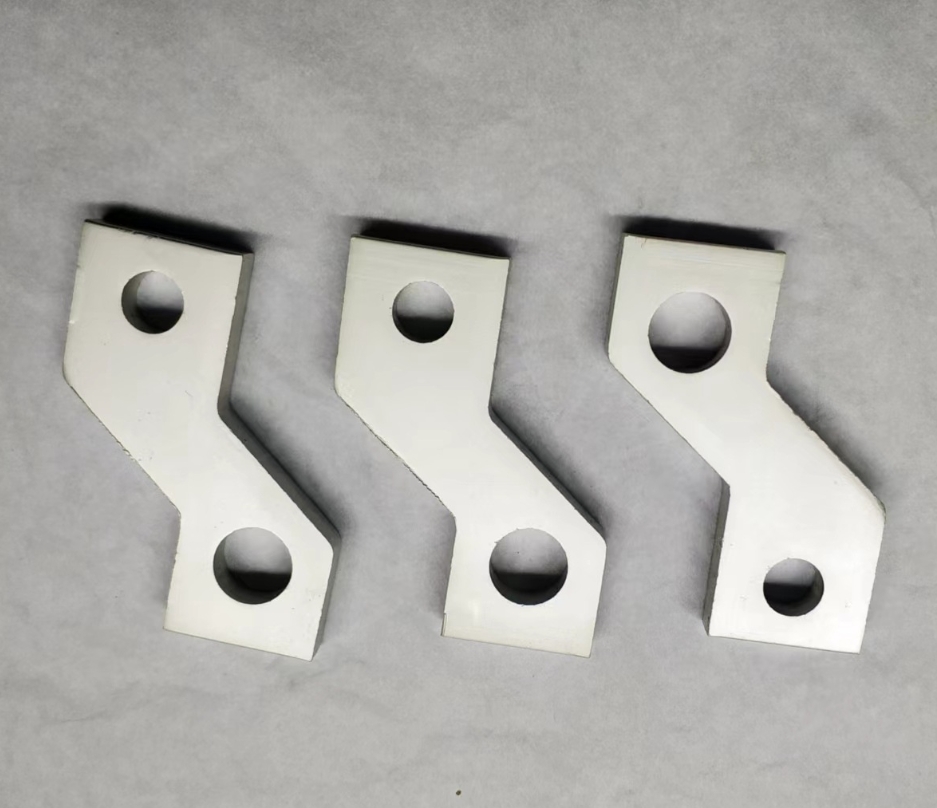
Electroplating uses different metals. Each metal is chosen for its special qualities and uses. Knowing about these metals helps you see how they improve product performance.
Common Metals
Many metals are often used in electroplating. Here are some of the most common ones:
Copper: Used a lot in electronics and aerospace. It has great conductivity and protects against corrosion.
Gold: Important in semiconductors and jewelry. It is known for its conductivity and looks nice.
Nickel: Common in telecommunications and electronics. It is durable and lasts a long time.
Palladium: Used in catalytic converters and electronics. It is hard and resists corrosion.
Silver: Found in solar panels and electronics. It is very conductive.
Tin: Often used in electronics and hardware. It resists corrosion but can create tin whiskers.
Zinc: A low-cost option that helps with adhesion. It is often used in metal alloys.
These metals have qualities that make them good for electroplating. They provide corrosion protection, hardness, and flexibility. These traits help the plated items last longer and work better.
Specialty Metal Plating
Specialty metals offer special benefits in electroplating. They improve the performance and durability of products. Here are some advantages of using specialty metals:
Specialty Metal | Advantages |
|---|---|
Nickel | Gives better corrosion protection and more wear resistance. |
Gold | Offers great corrosion protection and excellent electrical conductivity. |
Silver | Known for amazing conductivity and is cheaper than gold while still providing big benefits. |
Using specialty metals can greatly boost the strength and durability of designs. For example, plating with nickel or copper makes items stronger. This process also helps resist environmental factors like chemicals and UV light.
Benefits and Limitations of Electroplating
Electroplating has many benefits that improve how metal products work and last. Here are some main advantages:
Advantages of Electroplating
Corrosion Resistance: Electroplating makes a protective layer against outside elements. For example, zinc coatings act like shields. They stop moisture and chemicals from reaching the metal underneath. This helps the object last much longer.
Enhanced Appearance: Decorative electroplating gives different finishes that match industry styles. Choices like black chrome and satin nickel look modern and stay strong.
Improved Functionality: The electroplating process makes metal items stronger. It adds a layer against wear and tear, helping them keep their function and look over time.
Benefit | Description |
|---|---|
Corrosion Resistance | Electroplated coatings guard against moisture, chemicals, and rust, making items last longer. |
Appearance | Provides decorative finishes that improve how products look overall. |
Functionality | Boosts durability, creating a barrier against wear and tear. |
Challenges in Metal Plating
Even with its benefits, electroplating has some challenges. Here are some common problems:
Harmful chemicals used in electroplating can be dangerous for people and the environment.
Managing waste is hard because strict rules are needed for treating harmful materials.
High energy use raises operational costs.
Preparing surfaces is very important; mistakes can cause issues like peeling or uneven layers.
Getting the same thickness on complex shapes is tough.
Also, rules like the European Union’s REACH regulation limit harmful substances. Following these rules can raise costs since manufacturers need to invest in safer chemicals and waste treatment systems.
By knowing both the benefits and challenges of the electroplating process, you can make smart choices about its use in different industries.
Applications of Electroplating
Electroplating is very important in many industries. You can see it used in cars, electronics, aerospace, and everyday products. Knowing how it is used helps you see why electroplating is so useful.
Industrial Uses
In factories, electroplating has many jobs. It makes products work better and last longer. Here are some common uses of electroplating in industries:
Industry | Applications | Performance Requirements |
|---|---|---|
Automotive | Chrome plating for car parts, nickel and zinc plating to stop rust | Durability, corrosion resistance |
Jewelry and Fashion | Coating base metals with precious metals to look nice | Cost efficiency, aesthetic quality |
Electronics | Plating with gold, silver, and copper for connectors and circuit boards | Electrical conductivity, performance efficiency |
Aerospace | Plating for turbine blades and landing gear | Wear resistance, protection from extreme conditions |
Medical Devices | Coating surgical tools and implants | Biocompatibility, corrosion resistance |
Household Goods | Plating on cutlery, doorknobs, and light fixtures | Durability, aesthetic appeal |
In the automotive industry, chrome plating is used on car parts. This makes them look better and helps prevent rust. The electronics industry uses electroplating for connectors and circuit boards. Gold and silver plating helps improve electrical conductivity, which means better performance.
Over the last ten years, industries have changed how they use electroplating. For example, the automotive industry now uses safer plating solutions. New materials have also improved performance and sustainability. In electronics, there is a growing need for fast plating, especially for micro-electroplating in printed circuit boards (PCBs).
Decorative Applications
Electroplating is also great for decorative uses. You can find it in jewelry, home appliances, and luxury items. Here are some key decorative uses of electroplating:
Automotive trim makes cars look better and last longer.
Hardware for consumer goods gets better rust protection.
Household appliances look nicer and are tougher.
Decorative hardware has a shiny finish that resists wear and tarnishing.
The market for decorative electroplating is getting bigger. New technology is making these processes better and faster. Sustainability is becoming very important. Manufacturers are now using eco-friendly plating methods to follow rules.
Customization trends are pushing new ideas in coating techniques. You can see quick production of shiny, strong finishes in luxury items and home appliances. Urban growth and modern buildings are also increasing the use of decorative electroplating in architecture.
In conclusion, electroplating is very important for making products stronger, better at conducting electricity, and more attractive. This process helps improve how materials work and protects them from rust. It is needed in many industries.
Benefit | Description |
|---|---|
Makes materials stronger and better in many ways. | |
Enhanced Conductivity | Important for making electronic devices work well because of better conductivity. |
Corrosion Resistance | Stops rust, helping tools and machines last longer. |
Cost-Effectiveness | Lets you use cheaper materials while still getting great surface coatings. |
Environmental Sustainability | New methods cut down on waste and recycle materials, making it better for the environment. |
As you learn more about your area, think about how electroplating can improve your products and methods. Using this technology can help create new ideas and make manufacturing more sustainable.
FAQ
What is electroplating used for?
Electroplating puts a metal layer on surfaces. It helps make products stronger, look better, and resist rust. You can find it in electronics and car parts.
How long does the electroplating process take?
The time for electroplating depends on how thick the layer is and what metal is used. Usually, it takes from a few minutes to a few hours.
Is electroplating environmentally friendly?
Electroplating can be bad for the environment because of harmful chemicals. But many companies now use safer methods and materials to cut down on waste and help the planet.
Can you electroplate any metal?
Not every metal can be electroplated. You can plate metals that conduct electricity well, like copper, gold, and nickel. Non-conductive metals need special treatment before they can be plated.
How do you maintain electroplated items?
To keep electroplated items looking good, clean them often with a soft cloth. Stay away from strong chemicals and rough materials. Taking care of them helps keep the finish nice and makes the coating last longer.
See Also
Enhancing Lead Frame Quality Through Selective Electroplating Techniques
Innovative Moldless Plating for Gold Coating on Thin Strips
Selecting the Best Plating Service for Your Connectors
Revolutionizing Prototyping with Die-Free Selective Plating Innovations
Strategies to Lower Plating Mold Expenses for Electronics Makers