
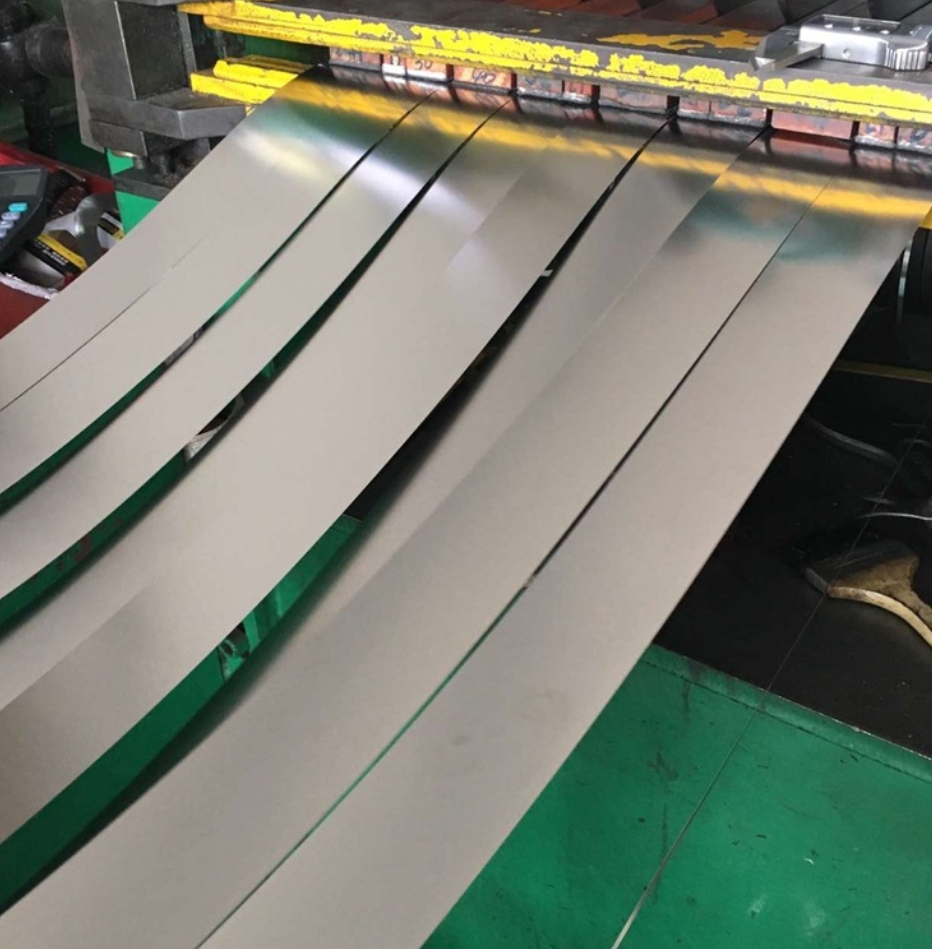
Electroplating is a vital technique in product design that involves depositing a layer of metal onto a surface using electric current. This process not only enhances the functionality of products but also improves their appearance. By applying electroplating, you can achieve benefits such as increased durability and resistance to corrosion. Industries like automotive, electronics, and jewelry heavily rely on electroplated products, showcasing its broad impact. The global electroplating market reflects this trend, with a projected growth reaching US$ 22.8 Bn by 2031, driven by the demand for stronger and more aesthetically pleasing products.
Key Takeaways
Electroplating enhances product durability by adding a protective metal layer that prevents corrosion and wear.
Proper surface preparation and design are crucial for achieving high-quality electroplating results.
Different metals used in electroplating offer unique benefits, making the process versatile for various industries.
Electroplating improves the aesthetic appeal of products, allowing for various finishes that enhance visual quality.
Understanding the applications of electroplating can help you appreciate its impact on product longevity and performance.
Electroplating Process
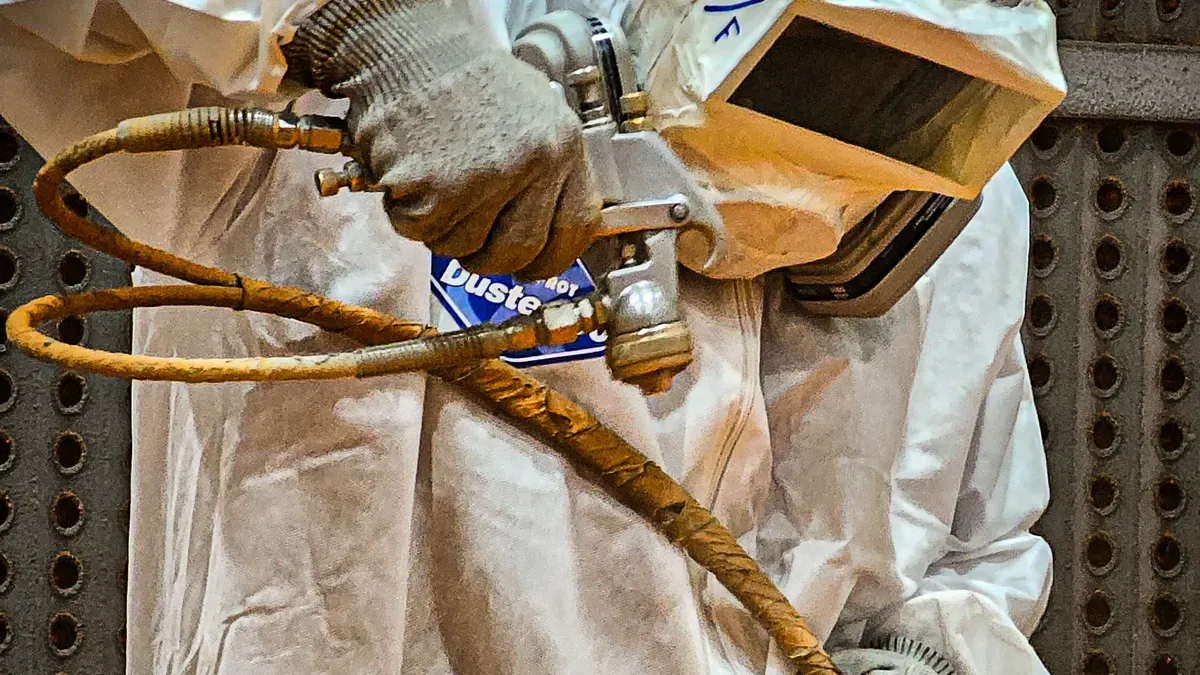
Electroplating involves a series of steps that ensure a successful metal deposition onto a substrate. The process begins with cleaning and preparing the surface. You must remove any dirt, grease, or oxidation from the substrate. This step is crucial for achieving a strong bond between the metal layer and the substrate. Techniques like mechanical polishing or ultrasonic cleaning can help you achieve a pristine surface.
Next, you prepare the electrolyte solution, also known as the plating bath. This solution contains metal ions that will deposit onto the substrate. The composition of this solution is vital for the quality of the electroplated layer.
The electroplating setup consists of an anode, a cathode, and a power source. The substrate acts as the cathode, while a metal rod serves as the anode. You immerse both in the electrolyte solution and connect them to a direct current (DC) power source. As the current flows, it facilitates the deposition of metal ions onto the cathode.
Anode and Cathode Roles
In the electroplating process, the anode plays a critical role. It serves as the positive electrode and dissolves in a controlled manner. This dissolution releases metal ions into the electrolyte, replenishing the metal concentration as it deposits onto the substrate. The anode also completes the circuit by providing the oxidative current necessary for metal deposition. The choice of anode material significantly impacts the efficiency and quality of the electroplating process.
On the other hand, the cathode is where the magic happens. It attracts the metal ions from the electrolyte, allowing them to gain electrons and form a solid layer on the substrate. The arrangement of the cathode and anode affects the flow of metal ions in the solution. For instance, positioning the cathode vertically can enhance the uniformity of ion diffusion, leading to a denser and smoother electroplated layer.
Metal Types Used
Various metals are commonly used in electroplating, each offering unique benefits. Here are some of the most popular options:
Gold: Known for its beauty and conductivity, gold is often used in jewelry and electronics.
Silver: This metal boasts excellent conductivity and antimicrobial properties, making it ideal for medical instruments and cutlery.
Nickel: Nickel provides corrosion protection and wear resistance, commonly found in automotive parts.
Copper: Often used as a conductive base layer, copper is essential in printed circuit boards.
Chromium: This metal offers high hardness and a mirror finish, frequently used in automotive trims and tools.
Zinc: A cost-effective option, zinc provides corrosion resistance and is ideal for fasteners and structural components.
Tin: Non-toxic and food-safe, tin is often used for food containers and electronic components.
Each metal has its advantages and disadvantages. For example, while gold plating enhances aesthetic appeal and conductivity, it can be costly. Silver plating offers a luxurious look but requires regular maintenance due to tarnishing. Understanding these factors helps you choose the right metal for your electroplated products.
Benefits of Electroplating
Electroplating offers numerous advantages that significantly enhance product design. Two of the most notable benefits are the durability of electroplated products and their aesthetic enhancements.
Durability of Electroplated Products
Electroplating improves the durability of products in several ways. First, it creates a protective barrier by applying a layer of a more resistant metal, such as nickel or zinc. This layer helps prevent rust and corrosion, extending the life of the underlying material. You can think of it as a shield that guards against environmental factors.
Here are some key factors that contribute to the durability of electroplated products:
Temperature Control: Proper temperature affects ion movement and plating speed, ensuring consistent thickness.
Current Density: Optimizing current density influences the metal deposition rate, which is crucial for quality.
Surface Preparation: Thorough cleaning steps remove impurities, ensuring strong adhesion between the coating and the base metal.
Plating Thickness Control: Regular measurement and adjustment of plating thickness are critical for durability.
Electroplating also enhances mechanical strength. The added metal layer improves tensile strength, wear resistance, and overall durability. Engineers often use this technique to create lightweight parts that bridge the performance gap between plastics and metals. This means you can achieve robust designs without adding unnecessary weight.
Aesthetic Enhancements
Electroplating significantly enhances the visual appeal of products. You can achieve various finishes through this process, each offering unique benefits. For example, a mirror finish provides high reflectivity and smoothness, making it ideal for automotive and decorative items. In contrast, a matte finish offers a non-reflective, subdued appearance, suitable for aerospace and consumer electronics.
Here’s a table summarizing some common finishes achieved through electroplating:
Finish Type | Description | Applications | Benefits |
|---|---|---|---|
Gold | Excellent conductivity and resistance to tarnish. | Jewelry, electronics | Aesthetic appeal, durability |
Silver | High conductivity and aesthetic appeal. | Jewelry, decorative items | Visual allure, conductivity |
Nickel | Hard, corrosion-resistant surface. | Automotive, household items | Durability, aesthetic enhancement |
Chrome | Shiny appearance and durability. | Automotive, fixtures | Visual appeal, corrosion resistance |
Copper | Superior conductive properties. | Base layer for other metals | Enhances conductivity, aesthetic base |
The thickness of the electroplated layer also impacts the visual appeal of products. Thicker layers can enhance gloss and surface hardness, while thinner layers may provide a softer look. For instance, gold plating typically ranges from 0.2 to 0.5 micrometers, adding a luxurious touch to jewelry and electronics.
Applications of Electroplating

Electroplating plays a crucial role in various industries, enhancing both functionality and aesthetics. Here are some key applications:
Electroplated Products in Electronics
In the electronics industry, electroplating improves the performance of components. You will find several common applications:
Gold plating is used for connectors and semiconductors to ensure conductivity and corrosion resistance.
Silver plating enhances solderability on active copper parts.
Copper plating serves as a cost-effective option for semiconductors and circuits.
These electroplated products enhance electrical conductivity, improve corrosion resistance, and increase solderability. This means your electronic devices can perform better and last longer.
Electroplated Products in Automotive
The automotive industry heavily relies on electroplating for various parts. Here are some examples of electroplated products:
Chrome bumpers
Engine components
Other metal parts
Electroplating provides aesthetic appeal, corrosion resistance, and durability. It enhances the surface composition of automotive parts, leading to increased lifespan and lower maintenance costs. This protective layer prevents rust and wear, ensuring components perform well under various conditions.
Electroplated Products in Jewelry
Jewelry benefits significantly from electroplating. Common types of electroplated jewelry include:
Gold: Offers corrosion protection and excellent conductivity.
Silver: Enhances corrosion resistance and is widely used in applications like solar panels.
Rhodium: Provides a reflective finish for white gold jewelry.
Electroplating enhances the aesthetic appeal of jewelry by providing a uniform color and added shine. It also improves durability, making pieces less likely to tarnish over time. This process can create a richer hue, enhancing the overall appearance of your favorite accessories.
By understanding these applications, you can appreciate how electroplated products contribute to the quality and longevity of items across various industries.
Electroplating plays a crucial role in product design, enhancing both aesthetics and functionality. Here are some key takeaways:
It improves the durability of products by providing a protective metal layer.
Proper design and preparation are essential for achieving high-quality electroplating.
Different metals offer unique properties, making electroplating versatile across industries.
As you consider your design processes, remember that electroplating can elevate your products. Embrace this technique to enhance performance and visual appeal in your projects. 🌟
FAQ
What is electroplating?
Electroplating is a process that uses electric current to deposit a layer of metal onto a surface. This technique enhances both the functionality and appearance of products.
How does electroplating improve durability?
Electroplating creates a protective metal layer that shields the underlying material from corrosion and wear. This layer significantly extends the lifespan of the product.
Can I electroplate any material?
You can electroplate various materials, but metals like steel, copper, and aluminum are most common. Non-metal surfaces may require special treatments for successful plating.
What are the environmental impacts of electroplating?
Electroplating can produce hazardous waste and consume energy. However, modern techniques focus on reducing waste and improving energy efficiency to minimize environmental effects.
How do I choose the right metal for electroplating?
Consider the product’s intended use and desired properties. For example, gold offers beauty and conductivity, while nickel provides corrosion resistance. Each metal has unique benefits.
See Also
Die-Free Selective Plating Speeds Up Prototyping Innovations
Transforming Lead Frame Quality Through Selective Electroplating
Strategies to Lower Plating Mold Expenses for Electronics Makers