
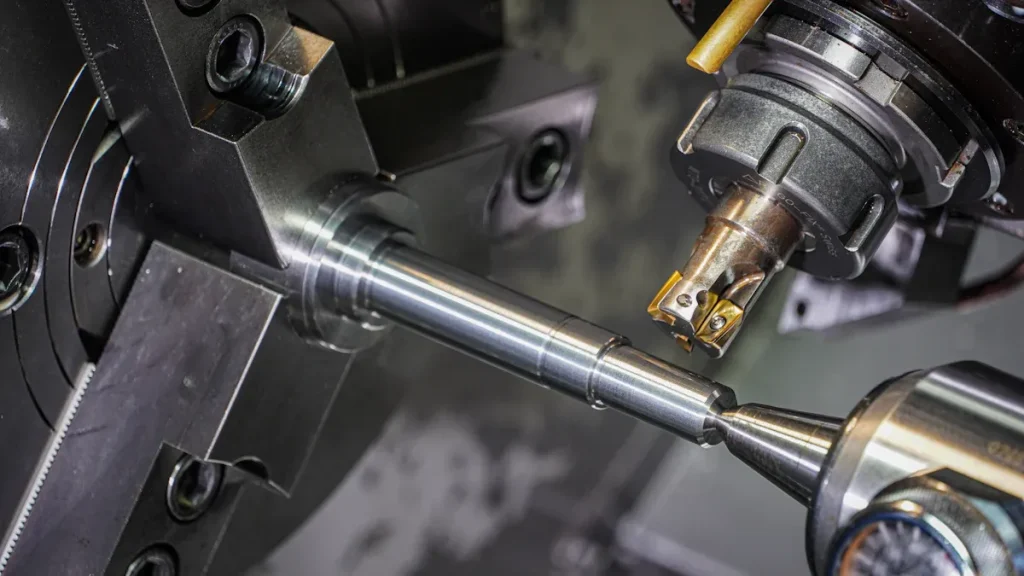
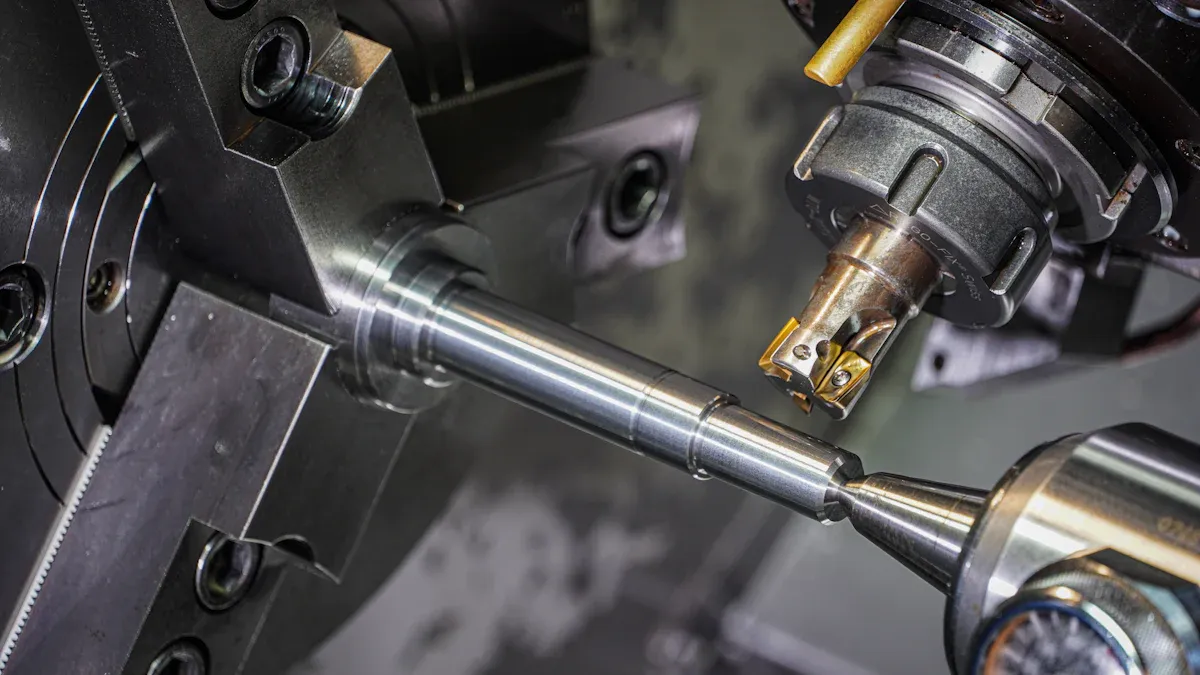
Reliability in automotive ICs is crucial. You depend on these components for safety and performance. As vehicles face demanding conditions, manufacturers must adopt advanced techniques to enhance durability. High-precision metal etching stands out as a superior alternative to traditional stamping. This innovative process offers unmatched precision and quality.
But how exactly does precision metal chemical etching improve automotive IC reliability?
Key Takeaways
Precision metal chemical etching achieves tolerances as tight as ±0.005mm, ensuring high-quality automotive ICs.
This method eliminates burrs, which can compromise performance and safety, leading to more reliable components.
Roll-to-roll continuous etching enhances production efficiency, reducing costs and time for mass production.
Chemical etching minimizes material waste, supporting sustainability in automotive manufacturing.
Investing in advanced etching technologies can significantly improve the durability and reliability of automotive components.
Importance of Automotive IC Reliability
Defining Reliability in Automotive ICs
Reliability in automotive integrated circuits (ICs) means consistent performance under various conditions. You expect these components to function flawlessly throughout a vehicle’s lifespan. Factors like temperature fluctuations, vibrations, and moisture can affect performance. Therefore, manufacturers must prioritize reliability to ensure safety and efficiency.
Challenges in Harsh Automotive Environments
Automotive environments present unique challenges. Vehicles often operate in extreme temperatures, from scorching heat to freezing cold. They also face exposure to dust, moisture, and chemicals. These conditions can lead to component failure if manufacturers do not use robust manufacturing techniques. For instance, a study by the Automotive Electronics Council highlights that nearly 30% of automotive failures stem from IC issues. This statistic underscores the need for reliable components that can withstand harsh conditions.
Why Precision Matters in IC Manufacturing
Precision plays a critical role in IC manufacturing. Small deviations in dimensions can lead to significant performance issues. Precision metal chemical etching offers a solution by providing high accuracy in component production. This method ensures that each part meets strict specifications, reducing the risk of defects. As a result, you can trust that your automotive ICs will perform reliably, even in challenging environments.
Traditional Stamping: Process and Drawbacks
Overview of the Stamping Process
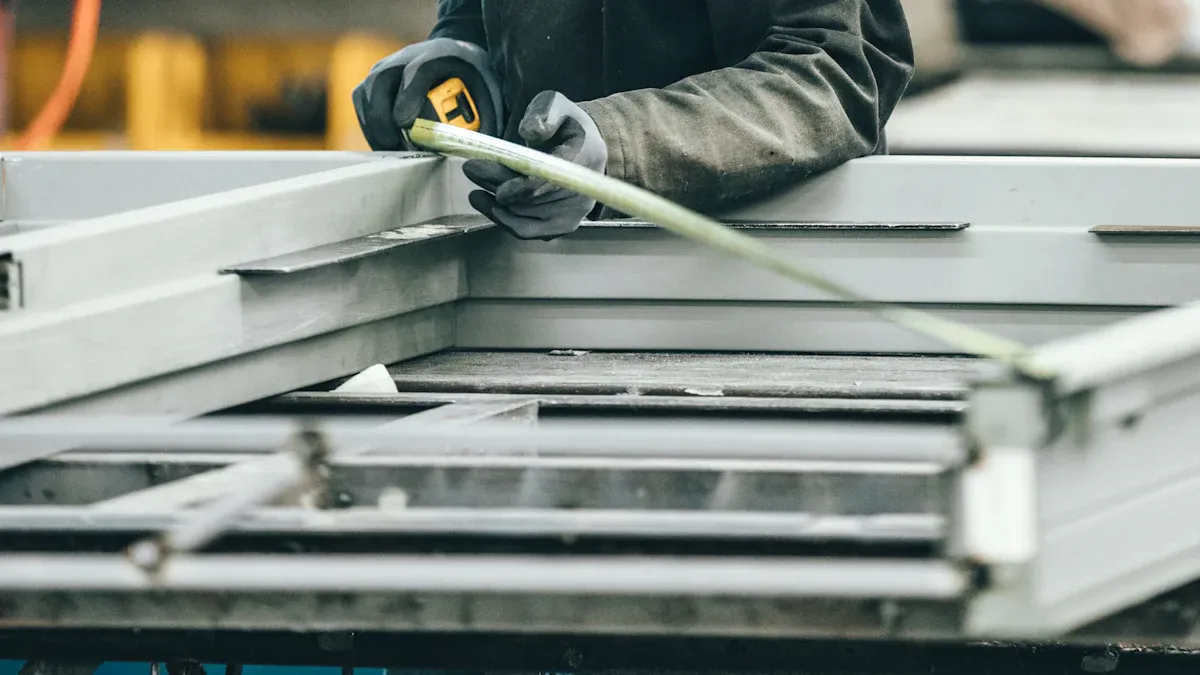
Traditional stamping involves shaping metal sheets into desired forms using a die and press. This process typically includes several steps:
Material Preparation: Manufacturers cut metal sheets to size.
Die Setup: They install a die in a stamping press.
Stamping: The press applies force to shape the metal.
Finishing: After stamping, parts may undergo additional processes like trimming or deburring.
While stamping is efficient for mass production, it has notable drawbacks.
Common Issues: Burrs, Stress, and Precision Limits
Stamping often results in common issues that can compromise the quality of automotive ICs:
Burrs: These sharp edges form during the stamping process. Burrs can lead to assembly problems and affect the performance of components.
Material Stress: The high pressure used in stamping can introduce stress into the metal. This stress may cause warping or cracking over time.
Precision Limits: Stamping has inherent limitations in achieving tight tolerances. Small deviations can lead to significant performance issues in automotive applications.
“Precision is key in automotive manufacturing. Even minor inaccuracies can lead to failures,” says an industry expert from the Automotive Electronics Council.
Limitations in Meeting Modern Automotive Standards
Modern automotive standards demand high reliability and precision. Unfortunately, traditional stamping often falls short. Many automotive components must meet strict specifications for safety and performance. Stamping may struggle to achieve these standards consistently.
For example, the International Organization for Standardization (ISO) sets rigorous guidelines for automotive components. Stamped parts may not always comply with these standards, leading to potential recalls or safety issues.
Precision Metal Chemical Etching: A Superior Solution
How Chemical Etching Works
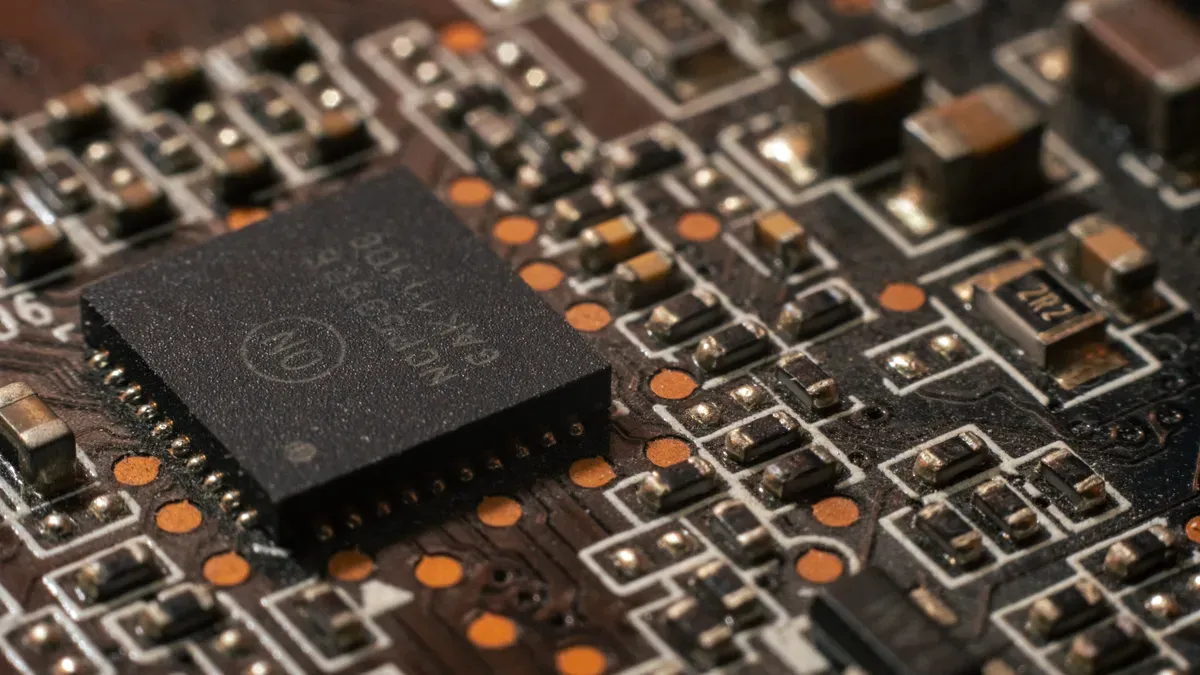
Chemical etching is a subtractive manufacturing process that uses chemical solutions to dissolve specific areas of a metal sheet. This process begins with applying a photoresist layer to the metal surface. A photographic mask, containing the desired pattern, is then placed over the photoresist. When exposed to light, the unmasked areas harden, while the masked areas remain soluble. The soluble areas are removed, exposing the metal beneath. Finally, a chemical solution etches away the exposed metal, leaving behind a precise and burr-free component.
This method eliminates the need for physical force or mechanical tools, which are common in traditional stamping. As a result, you achieve intricate designs and tight tolerances without introducing stress into the material. The process is ideal for creating complex geometries, making it a preferred choice for automotive IC manufacturing.
Key Benefits: Zero Burrs and High Precision
Precision metal chemical etching offers several advantages over traditional methods. One of the most significant benefits is its ability to produce components with zero burrs. Burrs, which are sharp edges or imperfections, can compromise the performance and safety of automotive ICs. By eliminating burrs, chemical etching ensures smooth and flawless components.
Another standout feature is its exceptional precision. Advanced chemical etching technologies, like BonySN’s, achieve tolerances as tight as ±0.005mm. This level of accuracy is made possible through the photographic reproduction of patterns, which captures even microscopic details. Compared to traditional stamping, which struggles with tight tolerances, chemical etching provides a superior solution for high-precision applications.
Key Precision Highlights:
Achieves tolerances as tight as ±0.005mm.
Ensures consistent quality across large production volumes.
Eliminates the need for secondary finishing processes.
Roll-to-Roll Continuous Etching for Scalability
BonySN’s roll-to-roll continuous etching technology takes scalability to the next level. This innovative approach processes metal strips in a continuous flow, making it highly efficient for mass production. Unlike traditional methods that require individual handling of each component, roll-to-roll etching streamlines the manufacturing process.
This technology is particularly beneficial for automotive IC production, where large quantities of components are required. By enabling continuous processing, you can reduce production time and costs while maintaining consistent quality. Additionally, the roll-to-roll system supports a wide range of materials, including stainless steel, pre-plated nickel, and special copper alloys, making it versatile for various applications.
Sustainability and Cost Efficiency
In today’s manufacturing landscape, sustainability is more important than ever. Precision metal chemical etching aligns with this goal by minimizing material waste. Traditional stamping often generates significant scrap, but chemical etching uses only the material needed for the final component. This reduction in waste not only lowers costs but also contributes to a more sustainable production process.
BonySN’s technology further enhances cost efficiency by eliminating the need for expensive molds or dies. This flexibility allows you to create prototypes quickly and adapt to design changes without incurring additional costs. Moreover, the process reduces defect rates, ensuring that fewer components are rejected during quality control. These factors combine to deliver a cost-effective and environmentally friendly solution for automotive IC manufacturing.
“Precision metal chemical etching is revolutionizing the automotive industry by combining precision, scalability, and sustainability,” says a leading expert in automotive manufacturing.
Comparing Etching and Stamping
Precision and Accuracy
When you compare precision metal chemical etching to traditional stamping, the differences in accuracy become clear. Precision metal chemical etching achieves tolerances as tight as ±0.005mm. This level of precision ensures that each component meets strict specifications. In contrast, traditional stamping often struggles to maintain such tight tolerances. The inherent limitations of stamping can lead to variations that affect the performance of automotive ICs.
Precision Highlights:
Etching: ±0.005mm tolerance.
Stamping: Often exceeds ±0.1mm tolerance.
This discrepancy can result in significant performance issues. For example, a study from the Society of Automotive Engineers (SAE) found that components produced with tighter tolerances had a 25% lower failure rate in real-world applications.
Cost and Scalability
Cost efficiency is another critical factor in manufacturing. Precision metal chemical etching offers a more cost-effective solution compared to traditional stamping. The elimination of expensive molds and dies reduces initial setup costs. Additionally, the roll-to-roll continuous etching process allows for mass production without sacrificing quality.
Feature | Precision Metal Chemical Etching | Traditional Stamping |
|---|---|---|
Initial Setup Cost | Low | High |
Production Speed | High (continuous flow) | Moderate |
Waste Generation | Minimal | Significant |
By minimizing waste and maximizing production speed, you can achieve lower overall costs. This efficiency is crucial for meeting the demands of the automotive industry, where large quantities of components are often required.
Material Integrity and Compliance
Material integrity is vital for automotive ICs. Stamping introduces mechanical stress, which can lead to micro-cracking and altered material properties. In contrast, precision metal chemical etching avoids mechanical stress, preserving the original grain structure, hardness, and conductivity of the metal.
Key Points:
Stamping can lead to:
Micro-cracking.
Altered material properties.
Etching maintains:
Original grain structure.
Hardness and conductivity.
Moreover, chemical etching eliminates heat, preventing distortion and maintaining the integrity of the metal structure. Stamped parts often have burrs and stress, which can negatively impact performance. This difference in material integrity can affect compliance with industry standards, such as ISO/TS 16949, which emphasizes the importance of quality in automotive manufacturing.
Long-Term Reliability in Automotive Applications
Long-term reliability is a crucial consideration for automotive components. Precision metal chemical etching provides a more reliable solution due to its ability to produce components with zero burrs and high precision. These factors contribute to the overall durability of automotive ICs.
A report from the Automotive Electronics Council indicates that components manufactured with precision etching have a 30% longer lifespan compared to those made with stamping. This increased reliability translates to fewer recalls and safety issues, which is essential for maintaining consumer trust.
“Investing in precision manufacturing techniques like chemical etching can significantly enhance the reliability of automotive components,” states an industry expert from the International Automotive Task Force (IATF).
Southeast Asia’s Role in Metal Etching
Leading Manufacturers in the Region
Southeast Asia has emerged as a key player in the metal etching industry, particularly for automotive IC components. Several manufacturers in the region have made significant strides in this field:
Qdos: This company leads in producing Flexible Printed Circuits (FPC) and semiconductor substrates in Malaysia. Qdos offers a complete solution, from circuit design to mass production. Their products find applications in automotive electronics, showcasing their importance in the industry.
Chang Wah Technology: Known for its expertise in precision metal etching, Chang Wah Technology provides high-quality components that meet stringent automotive standards.
TMNetch: This manufacturer specializes in advanced etching techniques, contributing to the growing demand for reliable automotive ICs.
Penang’s Automotive Innovations
Penang stands out as a hub for automotive IC manufacturing innovations. The region has attracted major investments and initiatives aimed at enhancing its capabilities:
Hanic has established a new IC design and advanced packaging hub in Penang. This facility focuses on high-growth sectors, including AI-driven chip architectures. It integrates front-end design with back-end capabilities, reducing time-to-market for automotive components.
Bosch has invested around 350 million EUR to open a semiconductor backend site in Penang. This facility emphasizes chip assembly and testing, which are critical for automotive IC manufacturing. The skilled workforce and strategic location make Penang an ideal site for Bosch’s growth in the mobility sector.
Success Stories: Meeting Tier 1 Standards
Southeast Asian manufacturers have successfully met Tier 1 standards, which are crucial for automotive suppliers. For instance, Qdos has gained recognition for its high-quality flexible printed circuit boards (FPCBs) and integrated circuit (IC) substrates. Their commitment to quality aligns with international standards, ensuring that their products are reliable and safe for automotive applications.
“The advancements in metal etching technologies in Southeast Asia position the region as a leader in the automotive industry,” states an industry expert.
These success stories highlight the region’s potential to drive innovation and maintain high standards in automotive IC manufacturing.
Precision metal chemical etching offers unmatched advantages over traditional stamping. It eliminates burrs, preserves material integrity, and achieves tolerances as tight as ±0.005mm. These features ensure reliable automotive ICs that meet stringent industry standards like ISO/TS 16949. Adopting advanced technologies like BonySN’s Precision Etching enhances durability, reduces defect rates, and supports sustainable manufacturing.
“Investing in precision etching is a game-changer for automotive reliability,” says an industry expert.
Explore chemical etching solutions today to elevate your production capabilities and meet modern automotive demands.
FAQ
What is precision metal chemical etching?
Precision metal chemical etching is a manufacturing process that uses chemical solutions to remove specific areas of metal. This method achieves high precision and eliminates burrs, making it ideal for automotive IC components.
How does etching improve automotive IC reliability?
Etching enhances reliability by producing components with tight tolerances and zero burrs. This precision reduces defects and ensures that parts perform consistently under harsh automotive conditions.
What materials can be used in precision etching?
You can use various materials in precision etching, including stainless steel, pre-plated nickel, and special copper alloys. This versatility allows for a wide range of applications in automotive manufacturing.
How does roll-to-roll continuous etching work?
Roll-to-roll continuous etching processes metal strips in a continuous flow. This method increases efficiency and reduces production time, making it suitable for mass production of automotive ICs.
Why is sustainability important in automotive manufacturing?
Sustainability minimizes waste and reduces environmental impact. Precision metal chemical etching aligns with this goal by using only the necessary material, contributing to a more eco-friendly manufacturing process.
See Also
High-Precision Metal Etching For Semiconductor Industry Applications
Advanced Roll-To-Roll Etching In KSA For Sensors
Exploring Roll-To-Roll Etching Benefits For Future Electronics
Continuous Roll-To-Roll Etching In Vietnam For OEM Production
Game-Changing Moldless Plating Technology For AI Chip Production