

You play a vital role in advancing 4C electronics, where continuous improvements accelerate innovation. Continuous selective plating transforms manufacturing by boosting speed and precision. This breakthrough technology, exemplified by Bonysn’s Free-Form electroplating, enables rapid, moldless production with exceptional uniformity. As a result, you can achieve faster development cycles, reduce costs, and meet the demands of next-generation devices. Embracing continuous electroplating empowers you to stay ahead in a competitive industry and unlock new possibilities for cutting-edge electronics.
Key Takeaways
Continuous selective plating speeds up production and reduces costs by applying metal only where needed.
Free-form electroplating eliminates molds, allowing for faster and more flexible connector designs.
These technologies enhance connector performance, improving durability and corrosion resistance.
Adopting these methods positions you to meet the demands of next-generation electronics efficiently.
Environmental benefits include reduced metal usage and simplified waste management.
4C Electronics Overview
Importance in Modern Tech
You live in a world where technology evolves rapidly. 4C electronics play a crucial role in this transformation. These devices enhance communication, computing, and connectivity. They enable innovations in various fields, including healthcare, automotive, and consumer electronics. As you embrace 4C electronics, you contribute to advancements that improve everyday life. The integration of flexible printed electronics allows for more adaptable designs, while multifunctional printed electronics enable devices to perform multiple tasks efficiently. This versatility drives the demand for innovative solutions in the market.
Key Components
Understanding the essential components of 4C electronics helps you appreciate their functionality. Here’s a breakdown of key components and their roles:
Examples | Functionality | |
|---|---|---|
Active | Transistors, ICs, Microprocessors | Control and amplify signals, process data, and execute instructions. |
Passive | Resistors, Capacitors, Inductors | Manage and stabilize electrical energy, regulate current, store energy, and convert electrical current into magnetic fields. |
These components work together to create circuits that power your devices. The combination of active and passive elements ensures that your electronics operate smoothly and efficiently. As you explore the world of 4C electronics, you will find that the integration of double-sided printed electronics enhances circuit design, allowing for more compact and efficient layouts. This innovation leads to improved performance and reduced production costs, making it easier for you to access cutting-edge technology.
Continuous Selective Plating
Definition and Process
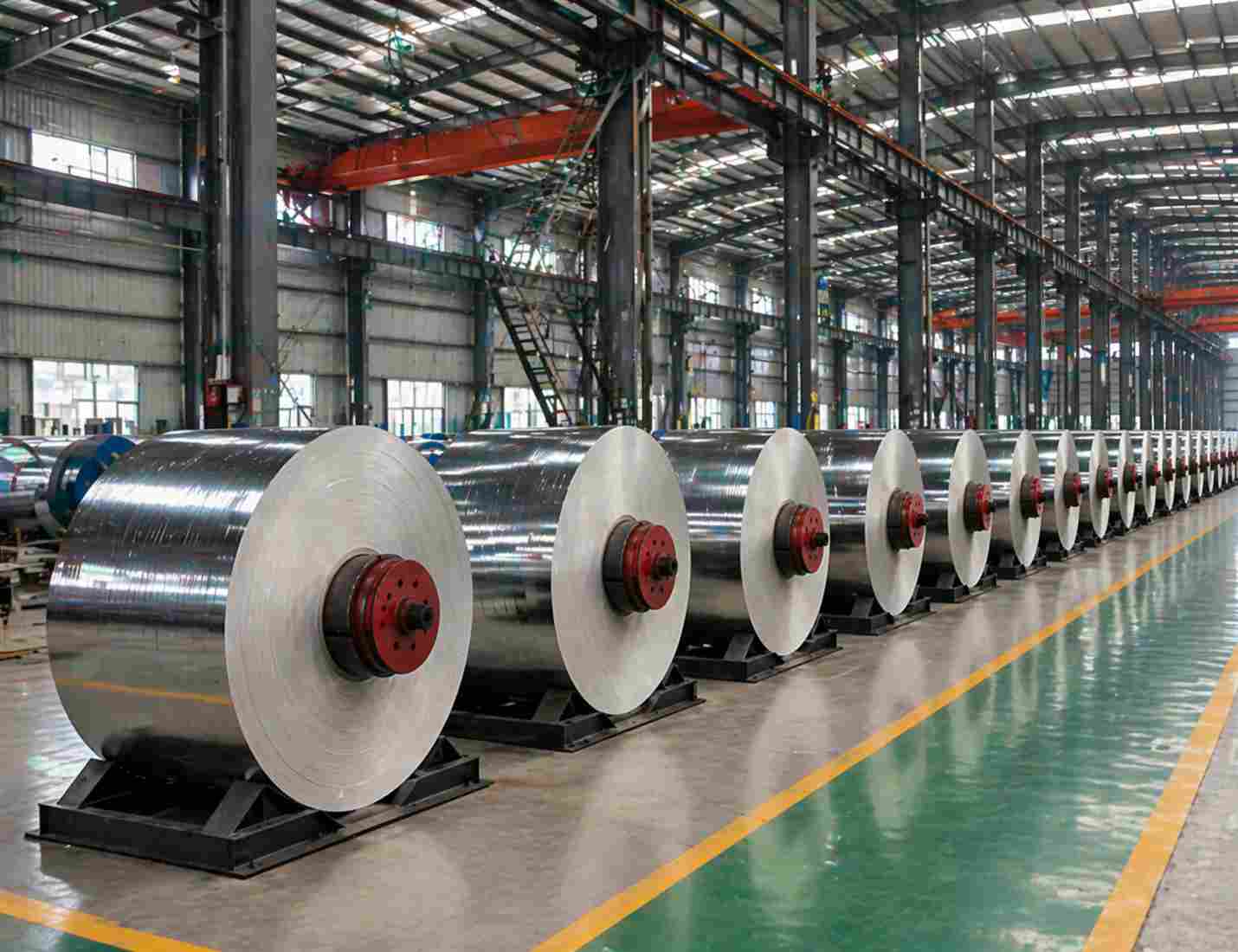
Continuous selective plating represents a significant advancement in the manufacturing of electronic components. This innovative technique allows for the precise application of metal coatings only where needed, eliminating the waste associated with traditional plating methods. The process involves several key steps:
Continuous plating systems process stamped metal strips in reel-to-reel operations.
The system ensures consistent plating thickness across production runs.
Automated quality control and inspection are integrated into the system.
Handling damage is reduced due to the automated nature of the process.
Higher throughput is achieved compared to batch processing.
This method not only enhances efficiency but also improves the overall quality of the final products. Real-time monitoring, such as X-ray fluorescence for thickness and automated optical inspection for surface defects, ensures that you maintain high standards throughout production.
Advantages Over Traditional Methods
Continuous selective plating offers numerous advantages over traditional plating methods. Here’s a comparison that highlights these benefits:
Feature | Continuous Selective Plating | Traditional Plating Methods |
|---|---|---|
Production Speed | Slower | |
Precious Metal Consumption | Reduces gold usage by 90-95% | Higher usage |
Application Precision | Materials applied only where needed | Less precise |
This innovative approach not only speeds up production but also significantly reduces the consumption of precious metals. You can achieve higher precision in applying materials, which leads to less waste and lower costs.
Moreover, continuous selective plating aligns with environmental standards. It simplifies wastewater treatment and reduces sludge generation, making it a more sustainable option. Compliance with industry standards, such as RoHS for hazardous materials and ISO 9001 for quality management, ensures that your manufacturing processes meet regulatory requirements.
By adopting this technology, you position yourself at the forefront of the electronics industry, ready to meet the demands of next-generation devices with speed and efficiency.
Free-Form Electroplating Technology
Overview of Moldless Techniques
Bailixin’s free-form electroplating technology revolutionizes the way you think about manufacturing. This innovative approach eliminates the need for traditional molds, which often slow down production. Instead, you can utilize a moldless process that allows for greater flexibility in design and application. This technique enables you to apply metal coatings directly onto various substrates with precision. The ability to create intricate patterning without the constraints of molds enhances your design possibilities significantly.
Role in Connector Manufacturing
In connector manufacturing, the advantages of free-form electroplating become even more apparent. The technology supports rapid production cycles, allowing you to meet the increasing demands of the electronics market. By integrating this moldless method, you can achieve higher scalability in your operations. The elimination of traditional tooling not only speeds up production but also reduces costs. This means you can produce connectors faster and more efficiently than ever before.
Bailixin’s free-form electroplating process stands out in the industry. It allows for the selective application of materials, ensuring that you use only what you need. This precision leads to less waste and lower material costs. As a result, you can focus on creating high-quality connectors that meet the rigorous standards of modern electronics.
Industry experts note that “the scalability and efficiency of Bailixin’s free-form electroplating technology set a new benchmark for connector manufacturing.” This statement underscores the importance of adopting such innovative techniques to stay competitive in the fast-paced electronics landscape.
By embracing free-form electroplating, you position yourself to take advantage of the latest advancements in manufacturing technology. This approach not only enhances your production efficiency but also empowers you to innovate and create next-generation connectors that meet the needs of tomorrow’s devices.
Benefits for Next-Gen Connectors

Performance Improvements
Next-generation connectors benefit significantly from continuous selective plating. This technology enhances performance metrics that are crucial for modern applications. Here are some key performance metrics you should consider:
Performance Metric | Description |
|---|---|
Corrosion Resistance | Evaluates a connector’s ability to withstand corrosive environments, often tested using Mixed Flowing Gas standards. |
Mating Cycles | Assesses the durability of connectors through repeated connections and disconnections. |
Shock and Vibration | Measures the resilience of connectors under mechanical stress from shocks and vibrations in automotive applications. |
By focusing on these metrics, you can ensure that your connectors meet the rigorous demands of various industries. Continuous selective plating improves durability and reliability by plating only the functional surfaces. This targeted approach minimizes costs while enhancing protection for critical areas. The precision in the plating process leads to better adhesion and corrosion resistance, ultimately boosting overall performance.
Cost Reduction and Production Acceleration
Continuous selective plating not only enhances performance but also accelerates production timelines. This technology provides engineered solutions that meet the electrical and mechanical demands of high-performance systems. Here are some key benefits you can expect:
Efficient use of precious metals reduces material costs and environmental impact.
The technology ensures reliability and durability in applications such as EV power electronics and renewable energy systems.
It allows for faster production cycles, enabling you to respond quickly to market demands.
The market for next-generation connectors is evolving rapidly. The adoption of RoHS regulations in 2003 pushed the connector industry to innovate and find lead-free solutions. Concerns about tin whiskers, which can cause electronic failures, highlight the need for advanced plating technologies in the automotive sector. As electronic systems in vehicles become more complex, driven by trends like electric powertrains and autonomous driving, new plating technologies are essential for ensuring reliability and performance.
By embracing continuous selective plating, you position yourself to take advantage of these advancements. This approach not only enhances your production efficiency but also empowers you to create high-quality connectors that meet the needs of tomorrow’s devices.
Case Studies
Successful Implementations
Many companies have successfully adopted continuous selective plating technology. For instance, a leading automotive manufacturer integrated Bonysn’s Free-Form electroplating into their production line. This shift allowed them to produce connectors with enhanced durability and reduced costs. They reported a 30% decrease in production time, which enabled them to respond quickly to market demands.
Another example comes from a consumer electronics firm that focused on wearable devices. By utilizing continuous recording of biosignals, they improved the accuracy of their health monitoring features. The precise application of metal coatings ensured that their devices maintained high performance while minimizing material waste.
Lessons Learned
From these implementations, several key lessons emerge:
Flexibility is Crucial: Companies that embraced moldless techniques found it easier to adapt to changing design requirements. This flexibility allowed them to innovate rapidly.
Quality Control Matters: Continuous monitoring during production proved essential. Automated systems helped maintain high standards, ensuring that every connector met rigorous specifications.
Cost Efficiency is Key: The reduction in precious metal usage significantly lowered production costs. Companies that focused on this aspect saw improved profit margins.
These case studies illustrate the transformative impact of continuous selective plating. By adopting this technology, you can enhance your production capabilities and stay competitive in the fast-evolving electronics landscape.
Future Trends
Advancements in Plating Technologies
You can expect significant advancements in plating technologies that will reshape the landscape of 4C electronics. Innovations in printed electronics, particularly the integration of 3D stacking and resource-efficient methods, will lead to more flexible and sustainable connector designs. These developments will enable you to produce connectors that adapt easily to various substrates. As a result, you will find that manufacturing processes become more efficient and environmentally friendly.
Tip: Embracing these advancements will allow you to stay competitive in a rapidly evolving market.
Predictions for 4C Electronics
Looking ahead, the future of 4C electronics appears promising. You will likely see connectors that support emerging applications, such as wearables and IoT devices. These connectors will need to be compact and capable of handling complex functionalities. The integration of advanced plating technologies will facilitate this evolution, allowing for the creation of connectors that are not only high-performing but also easier to manufacture.
As you navigate these changes, consider the following predictions:
Increased Demand for Sustainability: You will notice a growing emphasis on environmentally friendly materials and processes in connector manufacturing.
Enhanced Performance Requirements: Connectors will need to meet higher performance standards, especially in terms of durability and reliability.
Greater Customization Options: The ability to produce connectors with tailored specifications will become essential for meeting diverse market needs.
By staying informed about these trends, you can position yourself to leverage new opportunities in the 4C electronics sector. The future holds exciting possibilities, and your proactive approach will be key to your success.
In summary, continuous selective plating plays a vital role in driving innovation in 4C electronics. This technology enhances production speed, reduces costs, and improves performance. You benefit from moldless techniques that allow for rapid response and ultra-high uniformity in manufacturing. As you embrace these advancements, you position yourself to meet the demands of next-generation devices. Continuous selective plating not only streamlines your processes but also empowers you to create high-quality connectors that shape the future of technology.
FAQ
What is continuous selective plating?
Continuous selective plating is a manufacturing technique that applies metal coatings only where needed. This method enhances efficiency and reduces waste compared to traditional plating methods.
How does free-form electroplating benefit connector manufacturing?
Free-form electroplating eliminates the need for molds, allowing for faster production cycles and greater design flexibility. This technology helps you produce high-quality connectors efficiently.
What are the environmental benefits of continuous selective plating?
This plating method reduces precious metal consumption and minimizes waste. It also simplifies wastewater treatment, making it a more sustainable option for manufacturing.
How does Bonysn’s technology improve production efficiency?
Bonysn’s Free-Form electroplating technology streamlines production by integrating automated quality control and real-time monitoring. This approach ensures consistent quality while speeding up manufacturing processes.
Can continuous selective plating enhance product performance?
Yes, this technology improves performance metrics such as corrosion resistance and durability. By plating only functional surfaces, you achieve better adhesion and protection for critical areas.
See Also
Mold-Free Plating Solutions for U.S. AI and Medical Connectors
Strategies to Minimize Plating Mold Expenses for Electronics Makers
Vietnam’s Mold-Free Plating Services for 3C Connector Production
Mold-Free Plating Solutions for German Automotive and Industrial OEMs
Revolutionary Reel-to-Reel Plating Boosts U.S. Tech Production Efficiency