
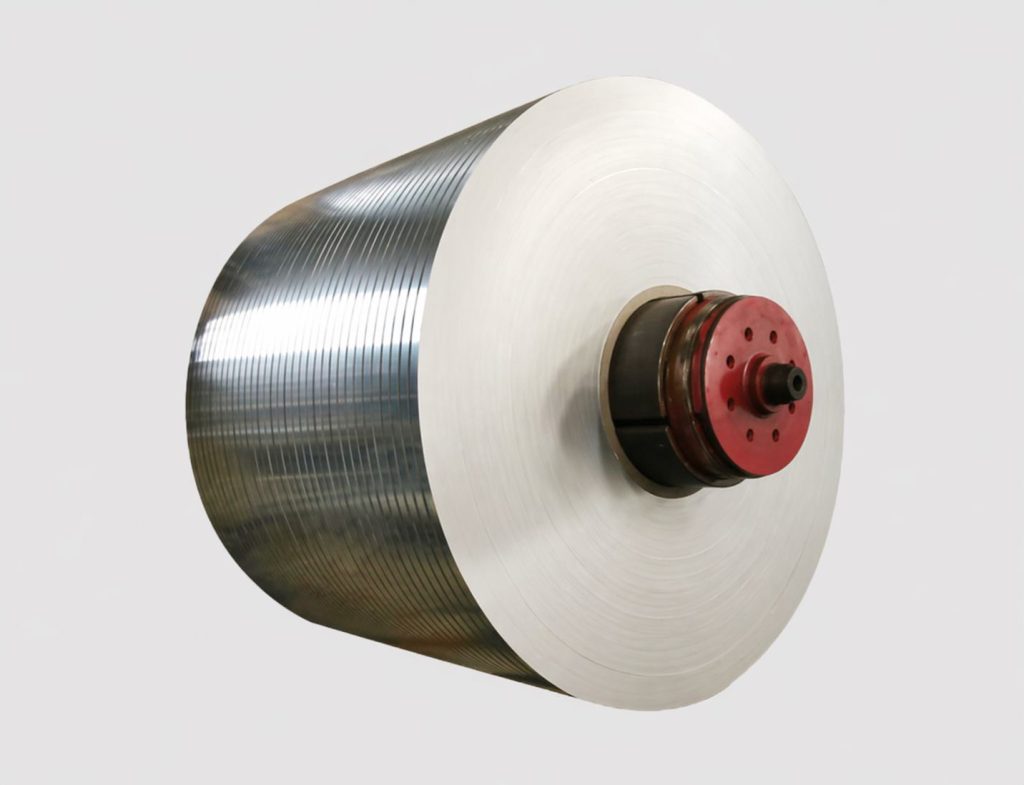
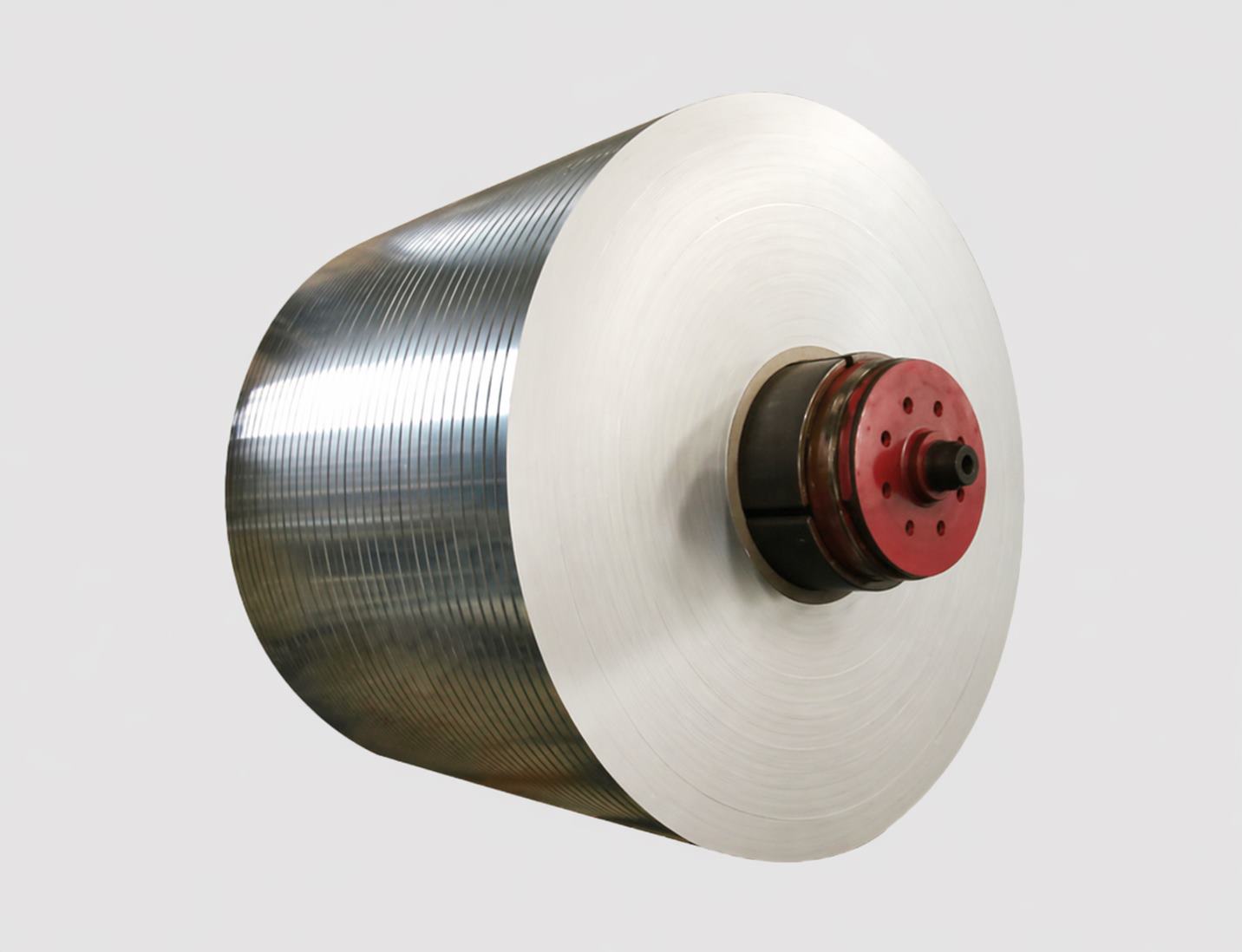
As electric vehicle (EV) production costs continue to rise, manufacturers face significant challenges. You may have noticed that battery prices have dropped by 20% in 2024 compared to the previous year, thanks to advancements in chemistry and automation. However, even with these reductions, the need for innovative solutions remains critical.
One promising method to cut costs and enhance performance is free-form electroplating. This technique not only streamlines the manufacturing process but also offers substantial savings on materials. For example, it can reduce copper busbar costs by up to 60% and aluminum costs by up to 80%. Embracing such technology can help you stay competitive in the evolving EV market.
Key Takeaways
Free-form electroplating reduces material costs by up to 80% and streamlines manufacturing. It helps you stay competitive in the EV market.
This process creates complex, high-quality busbars without molds, improving conductivity and durability for high-current applications.
Electroplating enhances busbar longevity by boosting corrosion resistance and reducing energy losses, saving money over time.
Using eco-friendly chemistries, free-form electroplating minimizes waste and energy use, supporting sustainable manufacturing.
Adopting this technology helps meet industry regulations and standards, ensuring your products are safe, reliable, and environmentally compliant.
What is Free-Form Electroplating?
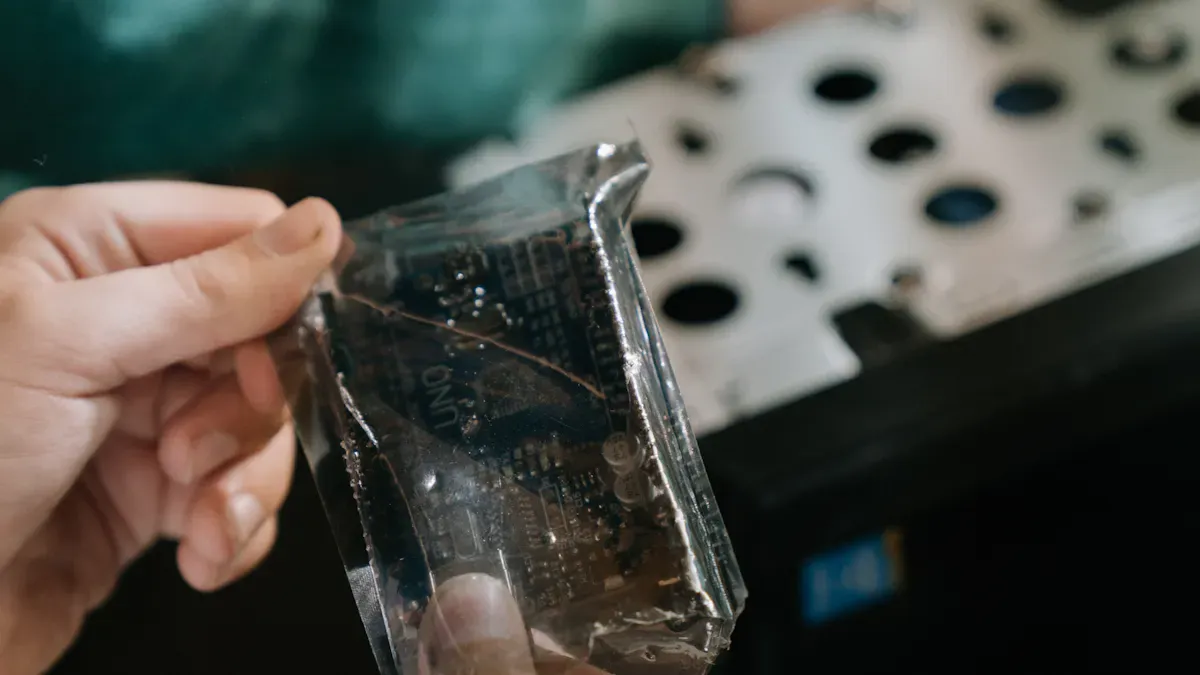
Free-form electroplating represents a significant advancement in the field of metal finishing, particularly for the EV industry. This innovative process allows you to create complex metal parts without the constraints of traditional molds. By eliminating these molds, you can achieve a cost-effective contact surface, which is crucial for high-performance applications like busbars.
The Electroplating Process
The electroplating process for busbars involves several meticulous steps to ensure high-quality electroplating. Here’s how it unfolds:
Raw Material Preparation: You start by selecting high-purity copper materials to ensure optimal electrical conductivity and mechanical properties.
Busbar Fabrication: The copper materials are then processed into the desired shapes and sizes.
Surface Cleaning: Next, you clean the busbar surface to remove impurities, ensuring the nickel plating adheres properly.
Nickel Plating Process: Nickel is applied to the surface of the copper busbar using electroplating methods. The process strictly controls the thickness and uniformity of the plating layer.
Quality Inspection: Finally, you test the thickness, adhesion, and conductivity of the nickel plating to ensure the product meets international standards.
This process not only enhances the durability of the busbars but also ensures they meet the rigorous demands of the EV market.
Key Advantages for Busbars
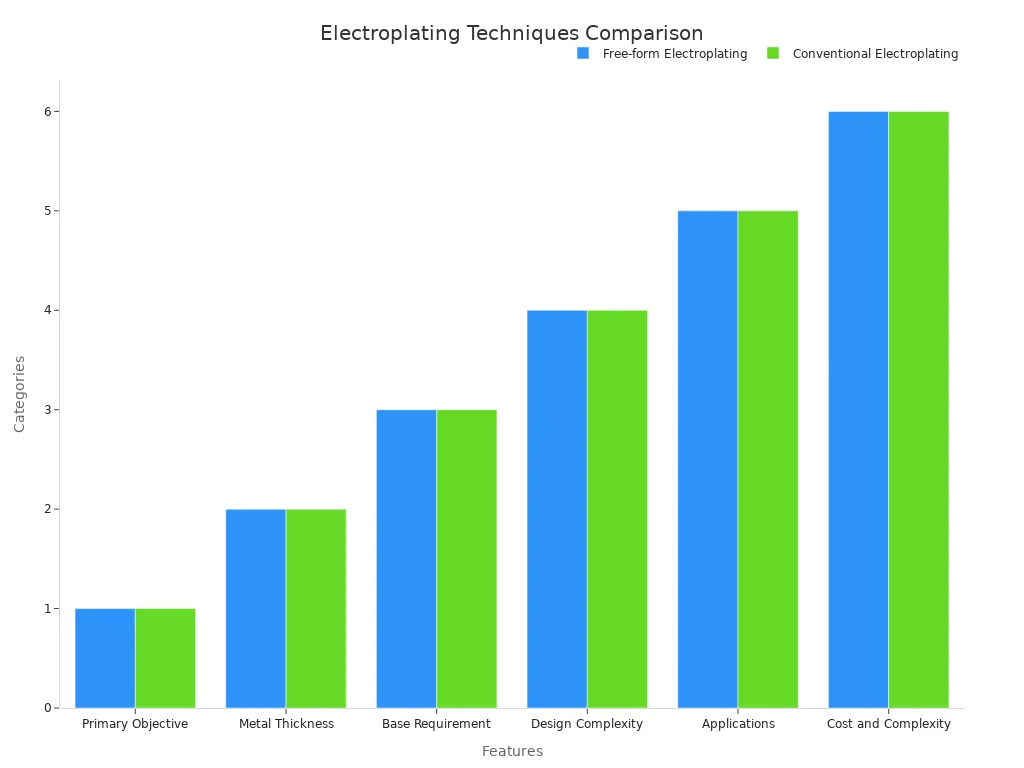
Free-form electroplating offers several advantages over conventional techniques, especially for busbars in EVs. Here’s a comparison to illustrate these benefits:
Feature | Free-form Electroplating (Electroforming) | Conventional Electroplating |
|---|---|---|
Primary Objective | Create new metal parts | Improve surface properties |
Metal Thickness | Microns to millimeters | Typically microns |
Base Requirement | Mandrel (can be conductive or non-conductive) | Pre-existing conductive object |
Design Complexity | High precision and complex designs | Limited to surface enhancement |
Applications | Aerospace, medical, microtechnology | Automotive, jewelry, industrial equipment |
Cost and Complexity | Higher due to longer production times | More cost-effective for large-scale production |
In the EV industry, free-form electroplating allows you to produce busbars with enhanced conductivity and durability. This is particularly important for busbar systems that operate under high current conditions. By using this process, you can ensure that your electroplated busbars meet the high demands of the North American new energy vehicle market. This approach not only improves the performance of copper and aluminum busbars but also reduces production costs, making it a valuable asset in your manufacturing toolkit.
Cost-Effectiveness of Free-Form Electroplating
Savings in EV Charging Infrastructure
Free-form electroplating significantly impacts the cost-effectiveness of EV charging infrastructure. By enhancing the performance of busbars, this process improves conductivity and reduces heat build-up. As a result, you experience lower power losses and improved efficiency in your charging systems. This efficiency translates into reduced installation time and costs, making your projects more financially viable.
Moreover, the durability provided by electroplating minimizes long-term maintenance and service costs. You can expect fewer repairs and replacements over time, which ultimately lowers the overall expenses associated with charging infrastructure components. This is crucial in a market where every dollar counts, especially as you strive to meet the growing demand for EVs.
Enhanced Material Utilization
The free-form electroplating process also promotes enhanced material utilization. Traditional manufacturing methods often lead to significant material waste, especially when using molds. However, with free-form electroplating, you can create complex busbar systems with precision, minimizing excess material. This efficiency not only reduces costs but also aligns with sustainable manufacturing practices.
Additionally, the ability to selectively plate materials like copper and aluminum allows you to optimize the use of high-performance materials. You can achieve the desired properties without overusing resources. This approach not only cuts costs but also meets the high demands of the North American new energy vehicle market, where quality and performance are paramount.
Performance Improvements in EV Busbars
Longevity of Copper Busbars
You can significantly enhance the longevity of copper busbars through free-form electroplating. This innovative process provides a protective coating that improves both durability and performance. Here are some key benefits:
Reduced Resistivity: Tinned copper busbars can reduce resistivity by 12%-15%. This improvement leads to lower energy losses, especially in high-demand applications.
Corrosion Resistance: The electroplating process enhances corrosion resistance by more than three times. This means your busbars can withstand harsh environmental conditions without degrading.
Energy Efficiency: In battery energy storage systems (BESS), energy loss decreases by 23%. This efficiency is crucial for maintaining optimal performance in EV charging infrastructure.
The combination of high-purity copper and a uniform protective layer ensures that your busbars maintain excellent conductivity over time. This durability translates into fewer replacements and repairs, ultimately saving you money.
Impact on Battery Energy Storage Systems
The performance of busbars directly influences the efficiency of battery energy storage systems. By utilizing free-form electroplating, you can achieve remarkable improvements in several areas:
Corrosion Resistance: The protective layer prevents oxidation and environmental degradation, ensuring that your busbars remain functional in various conditions.
Improved Conductivity: At contact points, enhanced conductivity maintains low resistance connections. This is vital for high-performance energy systems, where every fraction of resistance can impact overall efficiency.
Enhanced Durability: The protective coating safeguards against wear, vibration, and handling damage. This durability is essential for busbar systems that operate under high current conditions.
Moreover, the role of tin and silver plating cannot be overstated. Silver is one of the most conductive materials known, which is essential for high-performance energy systems. It improves electrical efficiency and reduces resistance, while tin plating enhances corrosion resistance and maintains conductivity in harsh environments. Together, these coatings extend the service life of your busbars, ensuring they meet the high demands of the North American new energy vehicle market.
Environmental and Regulatory Benefits

Reducing Environmental Impact
Adopting free-form electroplating significantly reduces the environmental impact of manufacturing busbars for electric vehicles. This innovative process utilizes eco-friendly chemistries and advanced techniques that minimize waste and energy consumption. By implementing sustainable manufacturing practices, you can contribute to a greener future while maintaining high-quality production standards.
Here are some key environmental benefits of using free-form electroplating:
Benefit | Nickel Plating | Tin Plating |
|---|---|---|
Corrosion Resistance | Protects battery components from corrosion | Offers protection against oxidation |
Wear Resistance | Maintains integrity of components under stress | Ensures reliable electrical connections |
Thermal Management | Aids in heat management within battery packs | Not applicable |
Solderability | Not applicable | Provides ideal surface for soldering |
Electrical Conductivity | Not applicable | Maintains efficient current flow |
Environmental Impact | Less stringent regulations compared to others | More environmentally conscious choice |
By enhancing corrosion resistance and wear resistance, free-form electroplating ensures that your busbars perform optimally over time. This leads to fewer replacements and repairs, ultimately reducing the overall environmental footprint of your manufacturing processes.
Meeting Regulatory Requirements
Compliance with industry regulations is crucial for manufacturers in the electric vehicle sector. Free-form electroplating helps you meet these requirements effectively. You must ensure that your coatings adhere to industry-specific regulations and standards, such as RoHS or UL certifications. These certifications guarantee that your products are safe and environmentally friendly.
Additionally, electroplating operations are subject to laws like the Clean Water Act and the Clean Air Act. These regulations control wastewater discharge and air emissions. By adopting sustainable practices, such as eco-friendly chemistries and advanced wastewater treatment, you can ensure compliance with these regulations. This not only reduces penalties but also minimizes your environmental impact.
By adopting Bonysn’s Free-Form Continuous Local Electroplating Technology, you unlock significant cost savings and performance enhancements for EV busbars. This innovative process reduces material waste, improves conductivity, and extends busbar longevity—crucial factors in high-current applications. Industry experts agree that such advancements meet the rigorous demands of the North American market. Choosing Bonysn ensures you leverage cutting-edge solutions that deliver reliability, efficiency, and sustainability for your manufacturing needs.
FAQ
What is free-form electroplating?
Free-form electroplating is an innovative process that allows you to create complex metal parts without traditional molds. This technique enhances efficiency and reduces costs, particularly for busbars in electric vehicles.
How does free-form electroplating save costs?
This technology minimizes material waste and improves production efficiency. You can achieve significant savings on copper and aluminum busbars, reducing costs by up to 60% and 80%, respectively.
What materials can be used in free-form electroplating?
You can use various materials, including high-purity copper, aluminum, nickel, tin, and silver. This flexibility allows you to optimize performance and meet specific requirements for EV applications.
How does electroplating improve busbar performance?
Electroplating enhances busbar durability, conductivity, and corrosion resistance. These improvements lead to lower energy losses and increased efficiency in battery energy storage systems and EV charging infrastructure.
Are there environmental benefits to using free-form electroplating?
Yes, this process reduces waste and energy consumption. By adopting eco-friendly chemistries, you can minimize your environmental impact while maintaining high-quality production standards.
See Also
Revolutionizing Battery Manufacturing With Roll-to-Roll Etching Techniques
Reducing Gold Plating Expenses in I/O Interfaces Efficiently
Affordable Selective Plating Options for I/O Interface Applications
Innovative Die-Free Selective Plating Speeds Up Prototyping Processes
Selective Plating Services Without Molds for EV Batteries in Korea