
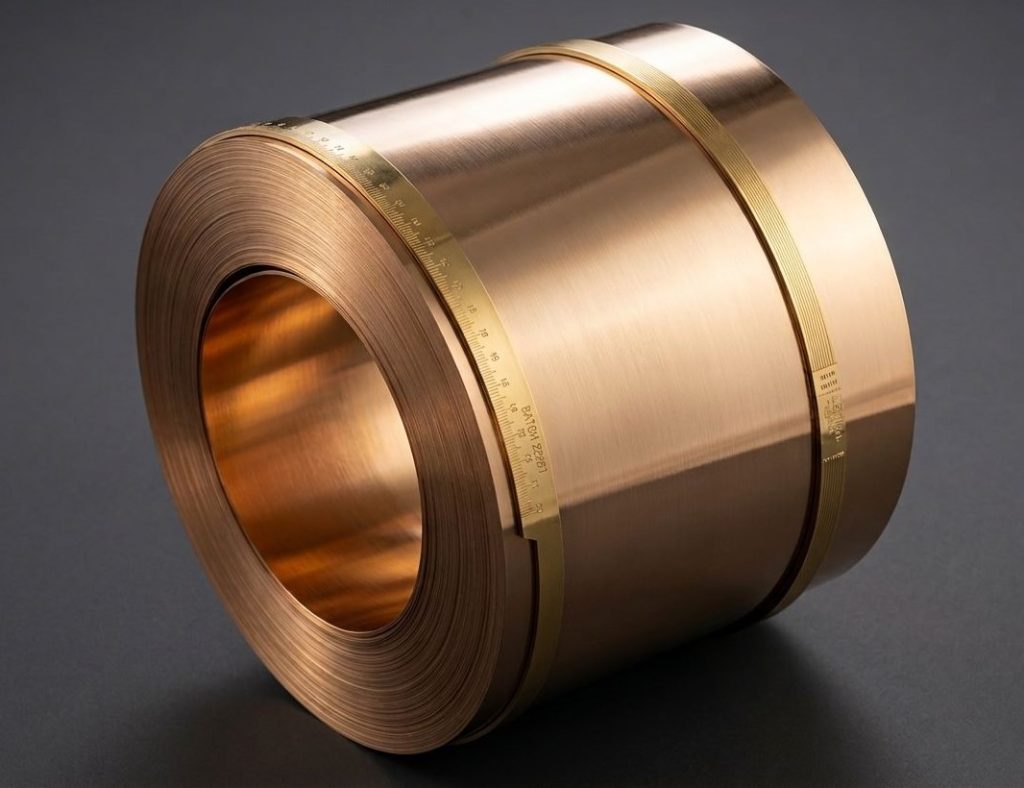
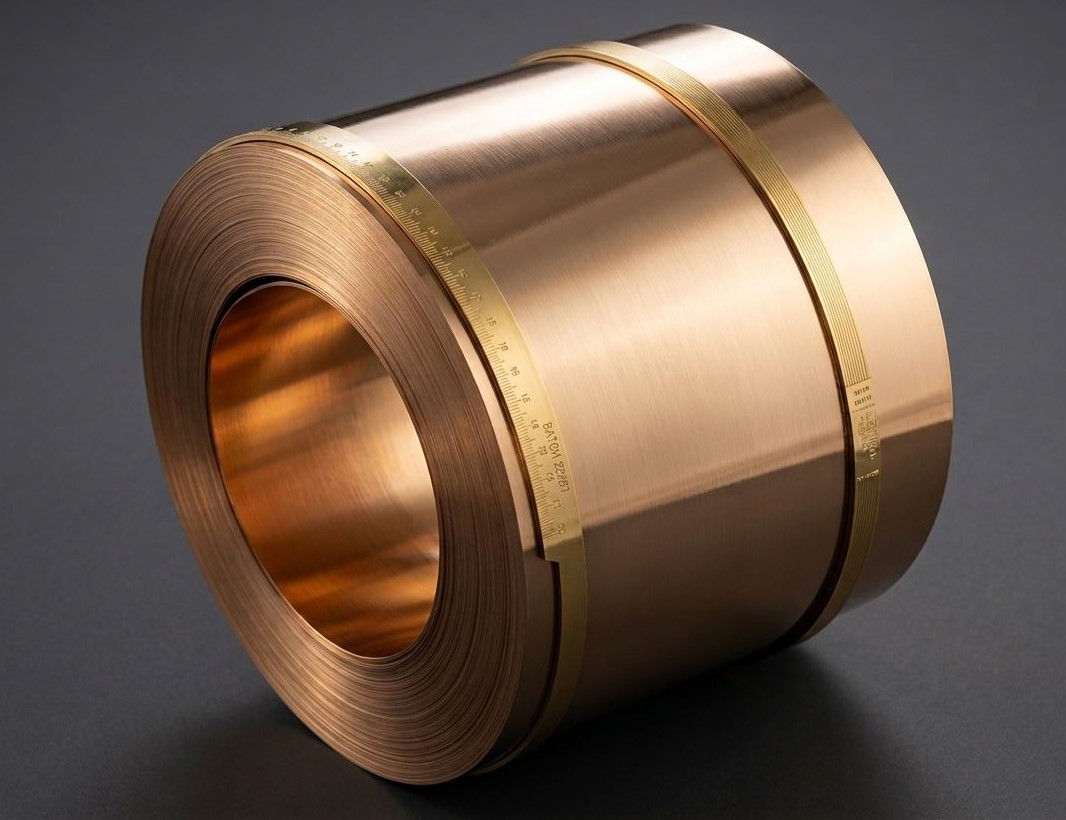
As Indonesia experiences rapid infrastructure growth, the demand for reliable electrical components rises. Continuous electroplating strips play a crucial role in this development. These strips provide essential conductivity and durability for various applications, from power grids to building projects. By ensuring high-quality finishes, continuous electroplating enhances the performance of electrical components. You can trust that these innovations will support Indonesia’s ambitious building boom, paving the way for a brighter future.
Key Takeaways
Continuous electroplating enhances the conductivity and durability of electrical components, making them essential for Indonesia’s infrastructure growth.
The process allows for high-speed production, ensuring manufacturers can meet tight deadlines while maintaining quality.
Investing in continuous electroplating leads to cost savings by reducing material waste and minimizing the need for additional treatments.
Bonysn’s technology offers a wide range of electroplated materials, ensuring versatility for various industrial applications.
Addressing challenges in sourcing and supply chain can enhance the reliability of continuous electroplating strips, supporting successful infrastructure projects.
Continuous Electroplating Overview
Process and Techniques
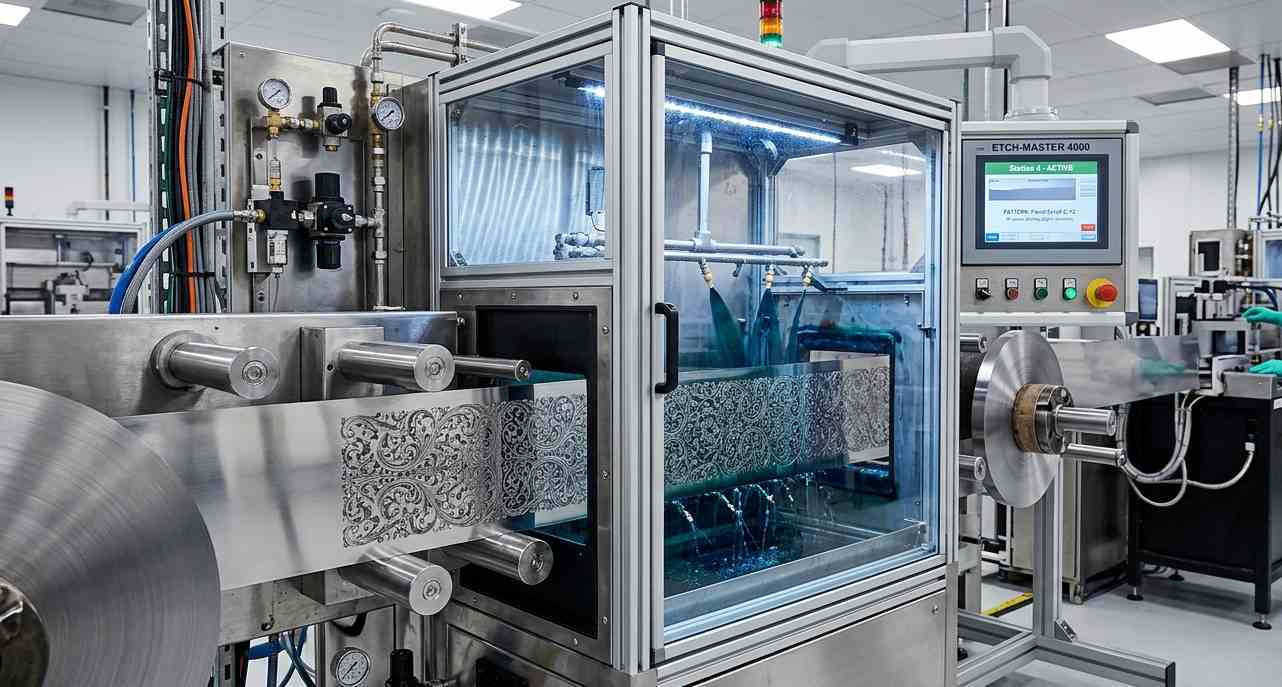
Continuous electroplating is a manufacturing process that applies a metal coating to strip materials. This technique is essential for producing high-quality electrical components. You can find continuous electroplating in various industries, including automotive, electronics, and construction. The process enhances the conductivity and durability of materials, making them suitable for demanding applications.
The continuous electroplating process involves several key steps:
Preparation: The metal strips undergo thorough cleaning to remove any contaminants. This step ensures a strong bond between the substrate and the coating.
Electrolyte Bath: The strips pass through an electrolyte solution containing metal ions. An electric current drives the metal ions to adhere to the surface of the strips.
Coating Application: As the strips move through the bath, the metal coating forms uniformly. This method allows for precise control over the thickness and quality of the coating.
Post-Treatment: After electroplating, the strips may undergo additional treatments, such as rinsing and drying, to enhance their properties further.
The benefits of continuous electroplating are significant. This process offers:
Efficiency: Continuous electroplating allows for high-speed production, reducing manufacturing time.
Consistency: You can achieve uniform coatings across long strips, ensuring reliable performance in electrical applications.
Versatility: The process accommodates various metals, including nickel, copper, and gold, allowing you to meet diverse industrial needs.
By utilizing continuous electroplating, manufacturers can produce components that meet industry standards and enhance the overall quality of their products. This innovation supports Indonesia’s growing infrastructure demands, ensuring that you have access to reliable electrical components for your projects.
Benefits of Continuous Electroplating
Economic Advantages
Continuous electroplating offers numerous economic advantages that can significantly impact your manufacturing processes. By choosing this method, you enhance the reliability and efficiency of your products while also reducing costs.
Reliability: Continuous electroplating ensures a consistent and uniform coating on metal strips. This uniformity leads to dependable performance in electrical applications. You can trust that your components will function optimally, minimizing the risk of failures that could lead to costly downtime.
Efficiency: The high-speed production capabilities of continuous electroplating allow you to meet tight deadlines without sacrificing quality. This efficiency translates into lower labor costs and faster turnaround times. Manufacturers can produce large quantities of coated strips quickly, making it easier to keep up with the growing demand in Indonesia’s infrastructure projects.
Cost-Effectiveness: Investing in continuous electroplating can lead to significant savings over time. The process reduces material waste and minimizes the need for additional treatments. You can achieve high-quality finishes without incurring excessive costs.
Moreover, continuous electroplating enhances the physical and chemical properties of electrical strips. By depositing metallic coatings, this process allows for the formation of alloy deposits tailored to achieve various corrosion potentials. This capability enhances sacrificial protection and significantly lowers the corrosion rate compared to conventional methods. As a result, your components will have a longer lifespan, reducing the need for replacements and repairs.
Bonysn’s continuous electroplating technology
The process covers a wide range
Bonysn’s continuous electroplating technology stands out for its versatility. You can process various materials, making it suitable for multiple applications. Here are some of the materials you can expect to find:
Electroplated gold (immersion, brush, wheel, dot)
Electroplated silver (fully plated, select, bright, frosted)
Electroplated tin (fully plated, select, bright pure, snow-white)
Electroplated nickel (bright, semi-bright, multi-layer, black, pearl)
Electroplating of palladium-nickel alloy
Electroplated copper (acid, alkaline)
This wide range of options allows you to choose the right coating for your specific needs, enhancing the performance and durability of your products.
High efficiency and consistency
Bonysn’s technology ensures high efficiency and consistency in production. The continuous electroplating process operates at high speeds, allowing you to meet demanding production schedules without compromising quality. You can rely on Bonysn to deliver micron-level uniform functional coatings, which are essential for optimal performance in electrical components. This consistency minimizes defects and enhances the reliability of your products, making them suitable for Indonesia’s growing infrastructure projects.
Possess national invention patents
Bonysn’s commitment to innovation is evident in its possession of national invention patents. These patents reflect the company’s dedication to advancing electroplating technology. By investing in research and development, Bonysn ensures that you receive cutting-edge solutions that meet industry standards. This focus on innovation not only enhances the quality of your products but also positions you ahead of the competition in the rapidly evolving market.
With Bonysn’s continuous electroplating technology, you gain access to reliable, high-quality coatings that support your manufacturing needs and contribute to Indonesia’s infrastructure growth.
Applications in Indonesia’s Infrastructure
Key Projects and Examples
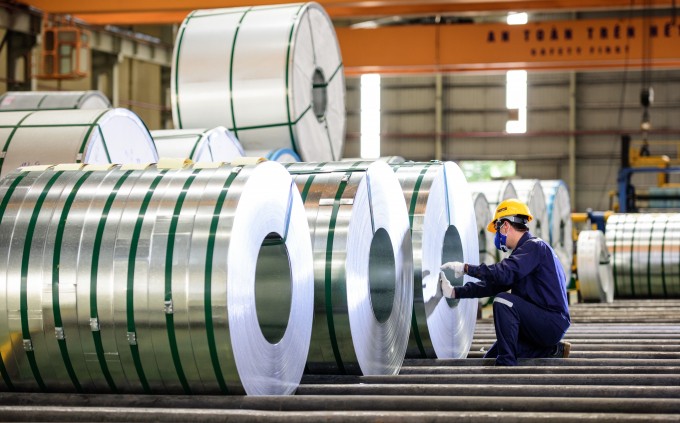
Continuous electroplating plays a vital role in Indonesia’s infrastructure projects. As the country embarks on ambitious developments, you will find this technology at the heart of many electrical components. Here are some key applications:
Power Grid Expansion: Continuous electroplating enhances the conductivity of electrical wires and connectors used in power grids. This improvement ensures efficient energy transmission, which is crucial for supporting Indonesia’s growing energy demands.
Transportation Infrastructure: In the construction of new roads and railways, continuous electroplating provides durable coatings for electrical components in signaling systems. These coatings protect against corrosion, ensuring reliable operation in various weather conditions.
Smart City Initiatives: As Indonesia invests in smart city technologies, continuous electroplating becomes essential for the manufacturing of sensors and communication devices. These components require high-quality finishes to function effectively in urban environments.
Industrial Zone Development: The expansion of industrial zones necessitates robust electrical systems. Continuous electroplating enhances the performance of components used in machinery and equipment, contributing to increased productivity and efficiency.
Industry experts emphasize the importance of continuous electroplating in meeting modern manufacturing standards. According to a recent report by the Indonesian Electrical Manufacturers Association, “The use of advanced electroplating techniques significantly improves the reliability and lifespan of electrical components.” This statement underscores the growing recognition of continuous electroplating as a key factor in the success of infrastructure projects.
In addition to these applications, continuous electroplating aligns with international industry standards. Certifications such as ISO 9001 ensure that manufacturers adhere to quality management principles. This commitment to quality provides you with confidence in the products you use for your projects.
As you consider the future of Indonesia’s infrastructure, remember that continuous electroplating is not just a manufacturing process. It is a critical technology that supports the country’s development goals. By investing in high-quality electroplated components, you contribute to a more reliable and efficient infrastructure.
Challenges and Solutions
Sourcing and Supply Chain
Sourcing continuous electroplating strips can present several challenges. You may encounter issues related to local traditional electroplating practices, which often lack the precision and efficiency of modern techniques. Additionally, supply chain disruptions can affect the availability of raw materials and components necessary for electroplating.
Here are some common challenges you might face:
Limited Local Expertise: Many local manufacturers may not have the knowledge or experience with advanced electroplating technologies.
Inconsistent Quality: Traditional methods can lead to variations in coating quality, impacting the performance of electrical components.
Supply Chain Disruptions: Global events can disrupt the supply of essential materials, leading to delays in production.
To overcome these challenges, consider the following solutions:
Invest in Training: Provide training programs for local manufacturers to enhance their understanding of modern electroplating techniques. This investment can improve the overall quality of products.
Collaborate with Experts: Partner with established electroplating companies that possess the necessary expertise. This collaboration can help you access advanced technologies and ensure consistent quality.
Diversify Suppliers: Establish relationships with multiple suppliers to mitigate risks associated with supply chain disruptions. This strategy ensures you have alternative sources for raw materials.
According to industry expert Dr. Rina Setiawan, “Embracing modern electroplating techniques can significantly enhance the reliability of electrical components.” This insight underscores the importance of adapting to new technologies in the manufacturing process.
By addressing these challenges proactively, you can ensure a steady supply of high-quality continuous electroplating strips. This approach will support Indonesia’s infrastructure growth and contribute to the success of your projects.
In summary, continuous electroplating strips are vital for Indonesia’s infrastructure growth. You benefit from their reliability, efficiency, and cost-effectiveness. These strips enhance the performance of electrical components, ensuring they meet modern manufacturing standards.
As industry expert Dr. Rina Setiawan states, “Advanced electroplating techniques significantly improve the reliability of electrical components.”
By investing in high-quality electroplated materials, you contribute to a more robust and efficient infrastructure, supporting Indonesia’s ambitious development goals.
FAQ
What is continuous electroplating?
Continuous electroplating is a process that applies metal coatings to strip materials. This method enhances the conductivity and durability of electrical components, making them suitable for various industrial applications.
What metals can be used in continuous electroplating?
You can use a variety of metals in continuous electroplating, including nickel, copper, gold, silver, and tin. Each metal offers unique properties that enhance the performance of electrical components.
How does continuous electroplating improve product quality?
Continuous electroplating ensures uniform coatings, which leads to reliable performance in electrical applications. This consistency minimizes defects and enhances the lifespan of your components.
Are there any certifications for continuous electroplating processes?
Yes, many manufacturers adhere to industry standards such as ISO 9001. These certifications ensure that the electroplating processes meet quality management principles, providing you with confidence in the products.
How can I source continuous electroplating strips in Indonesia?
You can source continuous electroplating strips by partnering with established electroplating companies. Collaborating with experts ensures access to advanced technologies and consistent quality for your projects.
See Also
Innovative Plating Solutions for Indian Electronics and Connectors
Advanced Plating for Saudi Arabia’s Vision 2030 EV Projects
High-Quality Copper Strips for EV Connectors in KSA
Efficient Metal Etching Solutions for Vietnam’s OEM Lines
Cutting-Edge Plating for Malaysia’s Semiconductor and IC Frames