
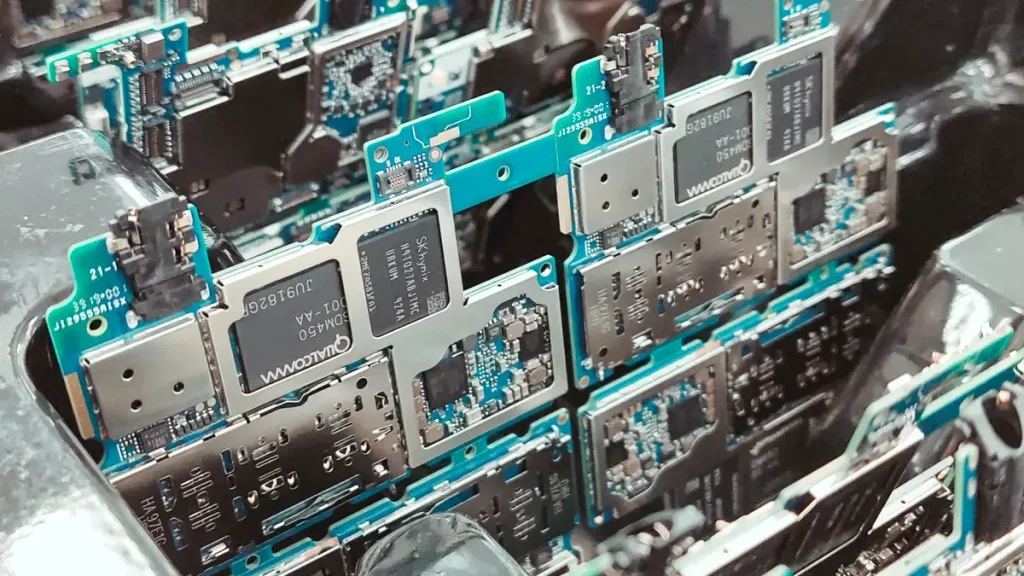
Metals play a crucial role in the relationship between electronic products and metals, as they are essential for the proper functioning of electronic devices. They ensure that your gadgets operate efficiently and have a long lifespan. Without metals, devices would struggle with conducting electricity, managing heat, and maintaining structural integrity. You rely on metals such as gold, silver, and aluminum due to their unique properties. These materials enhance the performance of your electronics. Understanding the relationship between electronic products and metals helps you appreciate their significance in everyday technology.
Key Takeaways
Metals such as gold, silver, and aluminum are important for how well electronic devices work and how long they last.
Using good quality metals helps with conductivity. This means devices work better and transfer data faster.
Aluminum is a cheap choice that is strong, light, and conducts heat well.
Knowing how metals help with EMI shielding protects devices from interference. This makes sure they work reliably.
Future trends in using metals will focus on being eco-friendly, recycling, and new materials that improve electronic technology.
Key Metals in Electronics
Gold and Its Properties
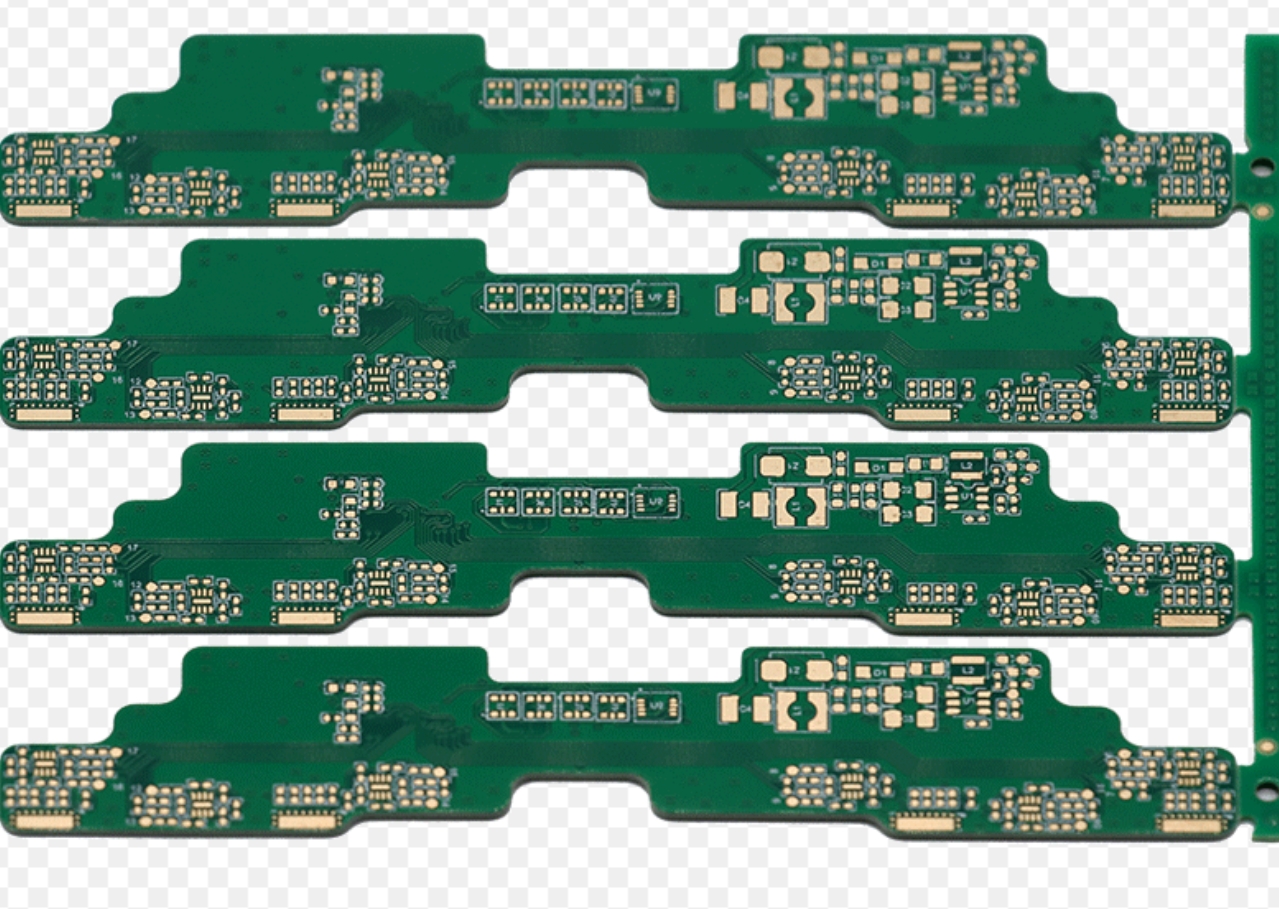
Gold is an important metal in electronics. It has great conductivity and does not rust. You can find gold in connectors, switches, and circuit boards. It conducts electricity well and stays clean over time. This helps your devices work better for longer. Gold is a good choice for high-end electronics because it lasts.
Silver’s Conductivity
Silver is the best metal for conducting electricity. It reduces signal loss, which is great for high-frequency electronics. You often see silver in electrical contacts, switches, and even in aerospace technology. The table below shows how silver’s conductivity compares to high-purity copper:
Property | High Purity Copper (99.98%) | Pure Silver (99.99%) |
|---|---|---|
Conductivity IACS | 100% (reference) | 106% |
Electrical Conductivity (S/m) | 59.6 × 10⁶ | 63.0 × 10⁶ |
Resistivity (nΩ-m) | 16.78 | 15.90 |
Relative Cost | Low, widely available | ~50x higher than copper |
Silver’s great conductivity makes it a top choice for important circuits. It ensures reliability in tough conditions.
Aluminum’s Cost-Effectiveness
Aluminum is a common choice in electronics. It is cheap and lightweight. It has a strong-to-weight ratio, which is good for many uses. You can find aluminum in heat sinks, casings, and wiring. The table below shows the benefits of using aluminum in electronic products:
Benefit | Description |
|---|---|
Lightweight Properties | Aluminum alloys weigh about one-third of steel, great for reducing weight. |
High Strength-to-Weight Ratio | It is strong enough for tough structural uses. |
Excellent Corrosion Resistance | It naturally resists rust, perfect for outdoor use. |
Good Thermal and Electrical Conductivity | It helps with heat dissipation and conducts electricity well. |
Design Flexibility and Fabrication Ease | It can be easily shaped, allowing for creative designs and cost savings. |
Recyclability and Sustainability | It can be recycled easily, saving energy and helping the environment. |
Aluminum’s usefulness and low cost make it a key part of the electronics industry.
Performance Impact of Metals
Conductivity and Efficiency
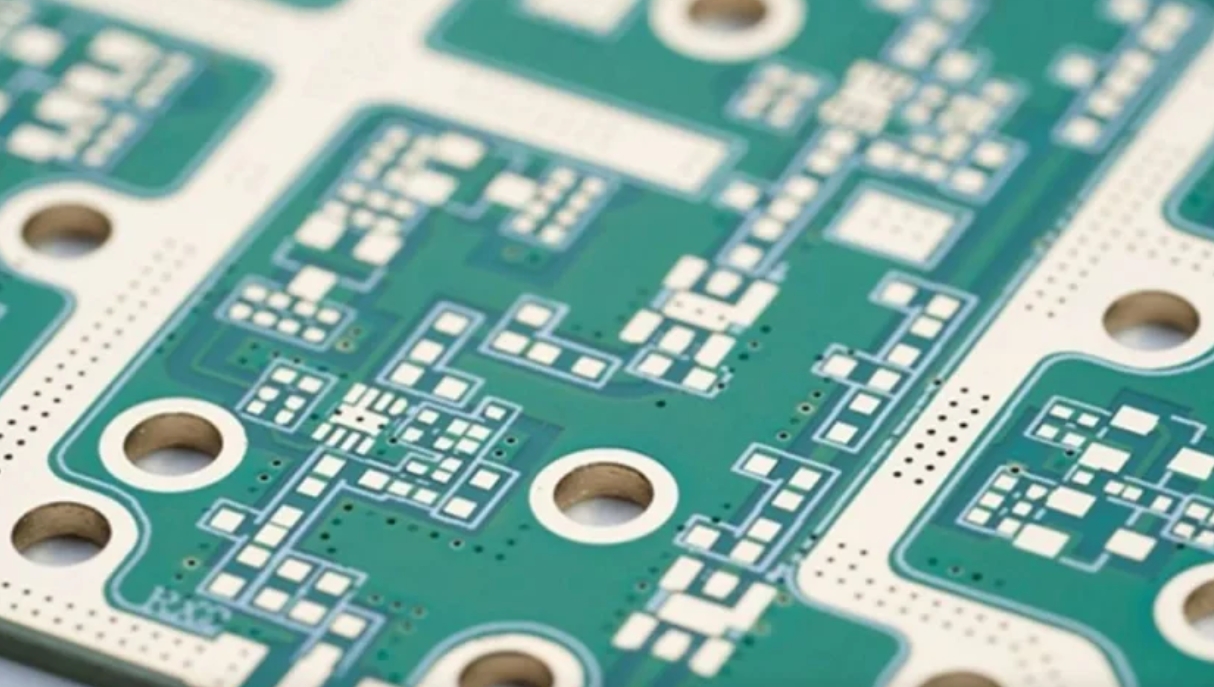
The type of metal you choose affects how well electronic devices work. Metals like silver and gold are great at conducting electricity. They let electricity flow easily with little resistance. This means your devices perform better. Using high-quality metals improves conductivity. This leads to faster data transfer and less energy use.
For example, silver is known for its excellent conductivity. It is important in high-frequency devices. You can find it in many electronic parts, helping signals move quickly and reliably. This efficiency is very important for devices that need fast processing, like smartphones and computers.
Heat Dissipation
Managing heat well is important for keeping electronic devices working for a long time. Metals help with heat dissipation. Materials like aluminum and copper are some of the best for this job. They soak up and spread out heat, stopping devices from overheating. Overheating can cause devices to fail or work poorly.
When you look at heat sinks in computers, you often see aluminum. It is light and has great thermal conductivity, making it perfect for this use. By controlling heat well, metals help keep devices at the right temperature, which improves their overall performance.
Durability and Longevity
Durability is another important factor that depends on the metal used. Older appliances often had metal parts, which made them last longer. Today, many devices use plastic parts. While these are lighter and cheaper, they do not handle heat, vibrations, and moisture as well as metal. This change affects how long and reliable electronic parts are.
You can count on metal parts to survive tougher conditions, helping your devices last longer. For instance, aluminum resists corrosion, making it good for outdoor electronics. This durability means you can trust your devices for a long time without needing to replace them often.
Metals in Semiconductors
Common Metals in Semiconductors
Metals are very important in semiconductors. They help create paths for electricity to flow through devices. You often see metals like copper, aluminum, and gold in semiconductor parts. Each metal has special qualities that make it good for certain uses.
Copper: This metal is popular because it conducts electricity well. You can find copper in wires and connections in semiconductor devices.
Aluminum: Aluminum is light and cheap. It is often used in interconnects and packaging for semiconductors.
Gold: Gold conducts electricity very well and does not rust. You will see it in high-end semiconductor uses, especially where reliability is very important.
These metals help semiconductors work well, which affects how well electronic products perform.
Innovations in Semiconductor Materials
New ideas in semiconductor materials have greatly improved how devices work and lowered costs. For example, Forge Nano’s turbulent flow technology allows for fast production of new AI chips and 3D designs. This new technology makes the manufacturing process quicker and better.
Here’s a summary of how these new ideas affect semiconductor technology:
Evidence | Description |
|---|---|
Breakthrough Technology | Forge Nano’s turbulent flow technology allows fast production of new AI chips and 3D designs. |
Improved Manufacturing | It achieves fast, defect-free atomic layer deposition (ALD) coatings at a 1000:1 aspect ratio, improving coverage. |
Cost Reduction | The new method improves yield, speed, and cost at the same time, fixing the slow and costly ALD step in making semiconductors. |
These advancements show how the link between electronic products and metals is changing. As makers use new materials and methods, they improve the performance and cost of semiconductors. This progress leads to better devices that meet your needs more effectively.
EMI Shielding with Metals
Electromagnetic interference (EMI) can mess up how your electronic devices work. Metals are very important for EMI shielding. They help keep sensitive parts safe from unwanted signals. Many different metals are used for this, and each has special qualities.
Materials Used for EMI Shielding
Here are some common metals used for EMI shielding:
Copper: It has high electrical conductivity and works great for shielding.
Aluminum: It is light and cheap, good for reflecting high frequencies.
Nickel: It has moderate conductivity and resists rust well. It is often used in nickel-plated copper foils.
Stainless Steel: It is strong and resists chemicals, but it conducts less electricity.
These materials help block unwanted electromagnetic signals. This ensures your devices work correctly.
Effectiveness of Different Metals
The effectiveness of metals in EMI shielding is different. Here’s how some common metals compare:
Copper: It has excellent conductivity. It provides great shielding even when thin, better than aluminum. However, it costs more and can rust.
Aluminum: It conducts well and costs less than copper. It also resists rust better, making it popular for DIY projects.
Steel: It conducts less electricity. It needs to be thicker to shield as well as copper, but it is strong and affordable.
Not having enough EMI shielding can cause big problems. You might see poor signal quality, device failures, or wrong operations. In important areas, like medical devices, EMI can be a safety risk. So, picking the right metal for EMI shielding is key to keeping your electronic products safe and working well.
By knowing how metals help with EMI shielding, you can see why they matter in making your devices work better.
Future Trends in Metal Use
Emerging Materials
The future of electronics will bring exciting changes in metal use. You will see High-Entropy Alloys (HEAs) and new ferromagnetic metal alloys. These materials will greatly improve how electronic devices work. They will let devices change their functions in real-time, making them more flexible.
Also, materials like phase-change materials and liquid metals will change when exposed to different conditions. This will lead to smarter electronic designs. The need for smaller and stronger electronics is pushing the use of advanced materials like nanostructured parts and special glass-ceramics. These materials make devices tougher and stronger, which is important for wearables and medical technology.
Recycling and Sustainability
Sustainability is very important for the future of metal use in electronics. You will notice trends in recycling metals from old electronics that help recover more materials and lessen environmental harm. Here are some key improvements:
AI-Powered Sorting Systems: These systems help recover more materials by accurately sorting e-waste parts.
Robotic Disassembly: Using robots to take apart electronics makes the process safer and faster.
Bioleaching: This method uses bacteria to extract metals, achieving high recovery rates with little environmental damage.
In addition, using sustainable metal sourcing will reduce the environmental impact of the electronics industry. Using materials wisely cuts down on waste, while better processes lead to higher quality results. You will see a focus on reducing waste and making the most of resources, highlighting recycling and reusing metals.
As the industry changes, the link between electronic products and metals will keep evolving, driven by new ideas and a focus on sustainability.
Picking the right metals for electronic devices is very important. You need to think about how these metals impact performance and efficiency. For example, metals like gold and silver improve conductivity, while aluminum is a cheaper option.
Keep in mind, choosing the right metal not only helps devices last longer but also leads to new technology ideas. As you look at new devices, consider the metals that help them work better. Knowing about these materials can help you appreciate the technology you use every day.
FAQ
What is EMI in electronics?
EMI means electromagnetic interference. It is when signals disturb electronic devices. These disturbances can cause devices to not work right.
How does shielding effectiveness work?
Shielding effectiveness shows how well a material stops EMI. Higher effectiveness means better protection from interference. This helps your devices work smoothly.
Why is metal used for EMI shielding?
Metals are great for EMI shielding because they conduct electricity well. They block unwanted signals. This keeps sensitive electronic parts safe from interference.
Can I improve my device’s EMI protection?
Yes! You can make EMI protection better by using devices with stronger shielding materials. Look for products that have high shielding effectiveness ratings.
What are common materials for EMI shielding?
Common materials are copper, aluminum, and stainless steel. Each has special qualities that help with effective EMI shielding in electronic devices.
See Also
The Impact of Precision Metal Strips on Electronics
Exploring Roll-to-Roll Etching Benefits for Future Electronics
Strategies for Lowering Plating Mold Expenses in Electronics