
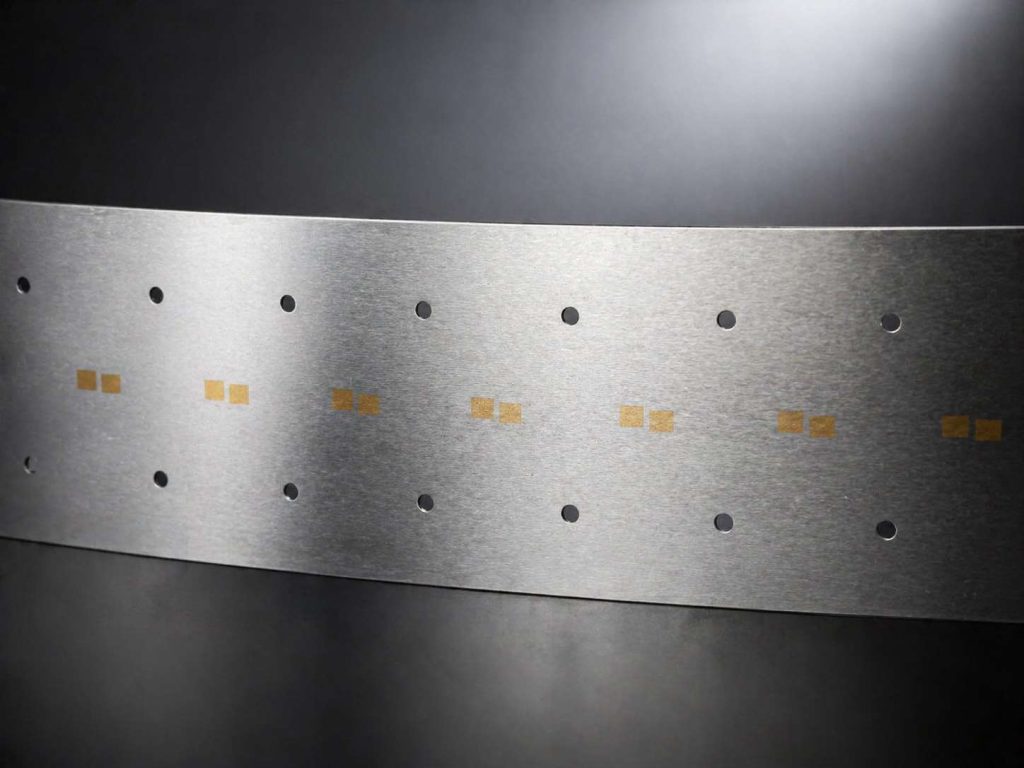
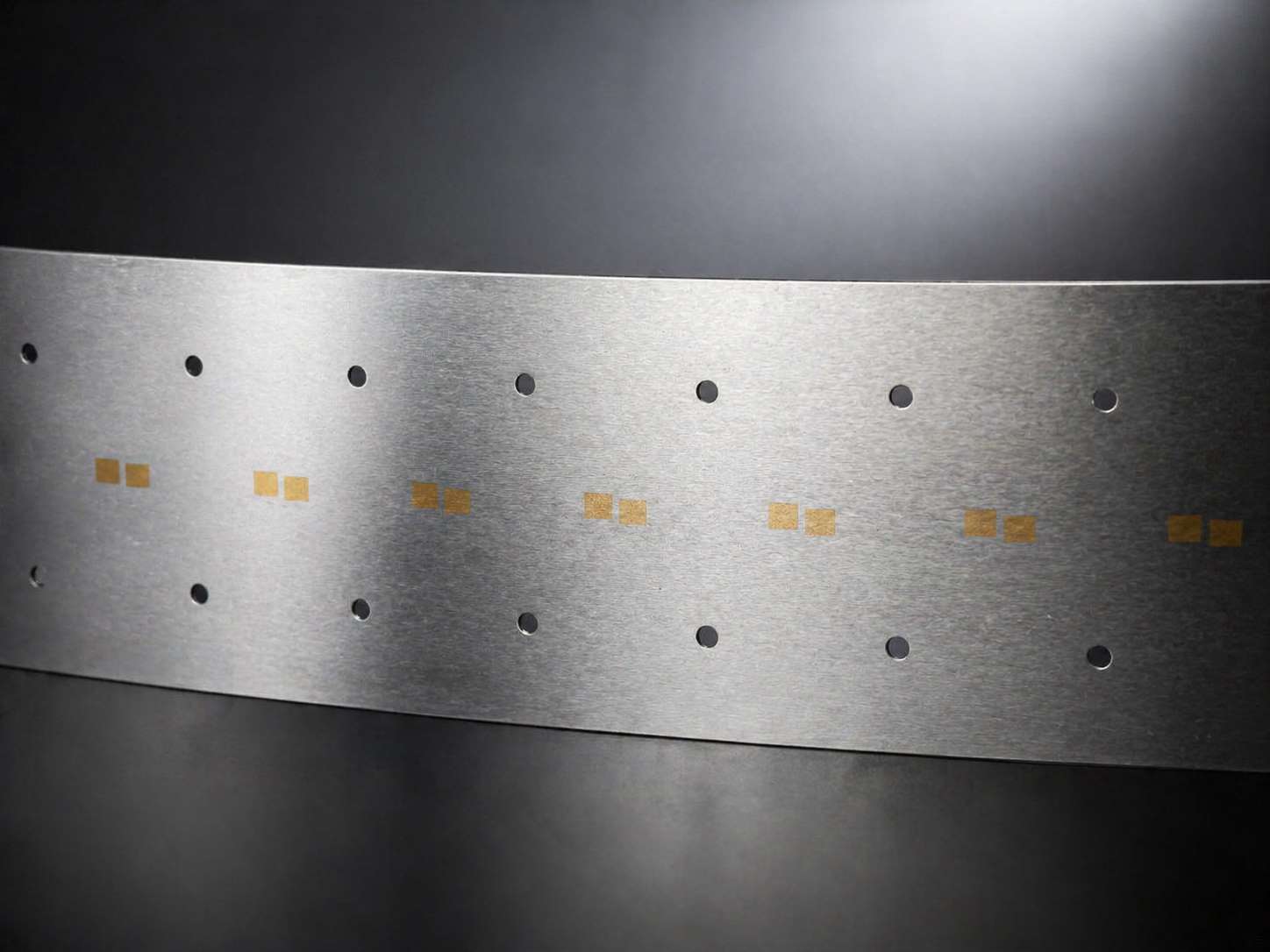
Penang’s semiconductor industry thrives, making it a key player in the global market. As you explore the landscape of this booming sector, you’ll find ultra-thin copper alloy strips for semiconductor applications at the forefront of innovation. These strips serve as essential components in next-gen lead frames, which play a critical role in semiconductor packaging. With Malaysia ranking as the seventh-largest exporter of electronic products globally, Penang is often called the ‘Silicon Valley of the East.’ Here, over 300 multinational and local electronics companies collaborate, creating a vibrant ecosystem that supports advancements in technology.
Key Takeaways
Ultra-thin copper alloy strips are essential for next-gen lead frames in semiconductors, enhancing performance and reliability.
These alloys offer high electrical and thermal conductivity, ensuring efficient operation and effective heat dissipation in electronic devices.
Advanced manufacturing processes, like continuous electroplating, improve the quality and consistency of copper alloy strips, leading to better performance.
Investing in ultra-thin copper alloys positions companies to meet the growing demands of industries like electric vehicles and 5G technology.
Choosing trusted brands, such as ‘bonysn,’ guarantees quality and innovation in semiconductor applications.
Ultra-Thin Copper Alloys
Properties and Benefits
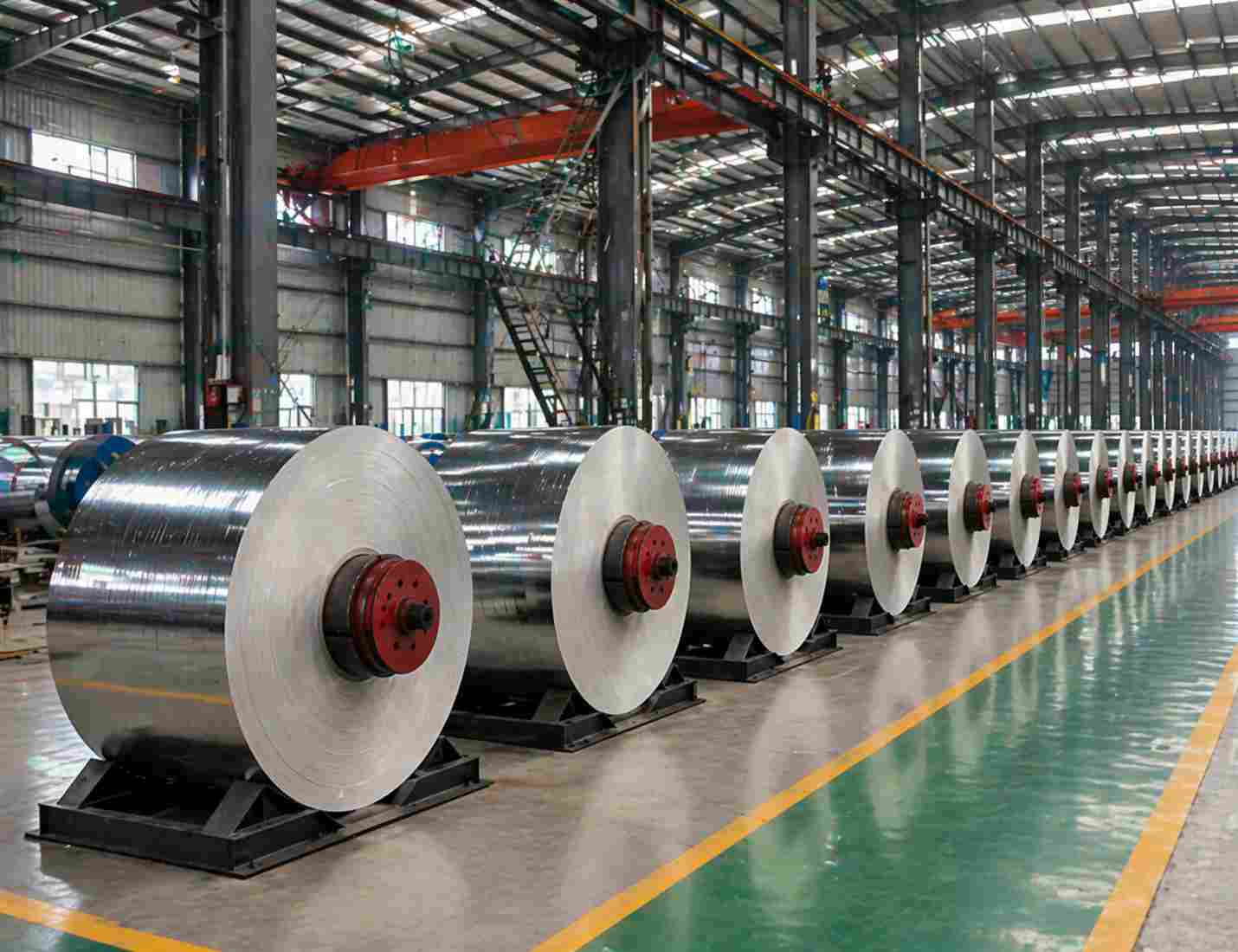
Ultra-thin copper alloys, particularly phosphor bronze foils, exhibit remarkable properties that make them ideal for semiconductor applications. These alloys combine strength, elasticity, and excellent electrical conductivity. Here are some key properties:
Electrical Conductivity: Ultra-thin copper alloys maintain a conductivity level of at least 60% IACS at 20°C, ensuring efficient electrical performance.
Vickers Hardness: Depending on the temper, the hardness ranges from 90 to 145 HV, providing durability and resistance to wear.
Tensile Strength: The tensile strength varies between 310 to 485 N/mm², depending on the alloy’s temper, ensuring reliability under stress.
Elongation: These alloys can elongate up to 25%, allowing for flexibility in various applications.
The benefits of using ultra-thin copper alloys in semiconductor applications are significant. They offer:
High Thermal Conductivity: This property aids in effective heat dissipation, crucial for maintaining optimal performance in electronic devices.
Solderability: Their excellent solderability ensures strong connections in electronic components, enhancing overall reliability.
Durability: High tensile strength guarantees that lead frames can withstand the rigors of manufacturing and operation.
Special Copper Alloy Overview
The Special Copper Alloy stands out in the semiconductor industry due to its unique composition and properties. This alloy is engineered for high-performance applications, making it suitable for micro-motor brushes, switches, and mobile phone batteries. Its high wear resistance ensures longevity, while its excellent conductivity makes it a preferred choice for electrical components.
Here’s a brief overview of the properties of ultra-thin copper alloy strips used in semiconductor lead frames:
Property | Value |
|---|---|
Electrical Conductivity (IACS % at 20°C) | ≥ 60 |
Vickers Hardness (HV) | 90~110 (O) |
Tensile Strength (N/mm²) | 310~380 (O) |
Elongation (%) | ≥ 25 |
Vickers Hardness (HV) | 115~137 (1/2H) |
Tensile Strength (N/mm²) | 365~435 (1/2H) |
Elongation (%) | ≥ 5 |
Vickers Hardness (HV) | 125~145 (FH) |
Tensile Strength (N/mm²) | 415~485 (FH) |
Elongation (%) | ≥ 2 |
In addition to the Special Copper Alloy, other types of copper alloys also play a vital role in semiconductor applications. For instance:
Alloy C194: This first-generation high-performance copper alloy combines good electrical conductivity with high tensile strength. It is widely used in connectors, semiconductor pins, lead frames, and sockets.
The advantages of copper alloys over other materials in semiconductor lead frame applications are clear:
Advantage | Description |
|---|---|
Electrical Conductivity | Copper alloys have excellent electrical conductivity, essential for semiconductor applications. |
Thermal Conductivity | They also provide high thermal conductivity, aiding in heat dissipation. |
Tensile Strength | High tensile strength ensures durability and reliability in lead frames. |
Solderability | Good solderability facilitates effective connections in electronic components. |
Plateability | Their plateability allows for effective coating processes in manufacturing. |
By leveraging these properties, you can enhance the performance and reliability of your semiconductor devices, making ultra-thin copper alloy strips a critical component in the industry.
Lead Frames and Their Importance
Role in Semiconductor Packaging
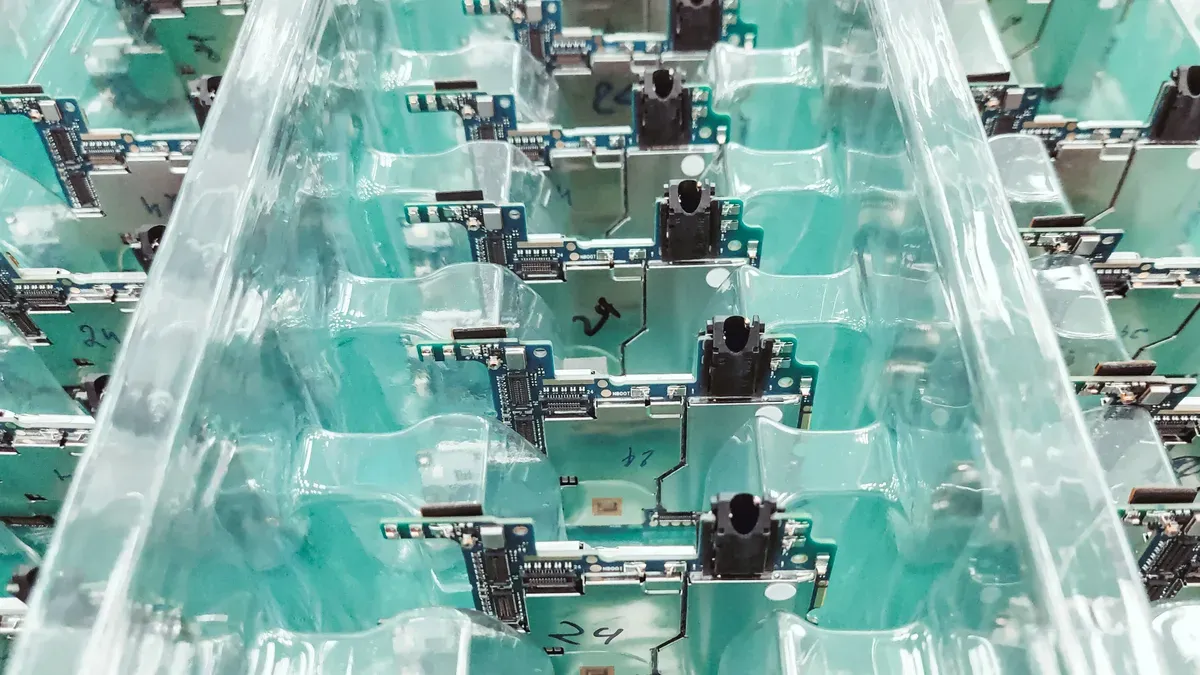
Lead frames serve as the backbone of semiconductor packaging. They provide the necessary support and electrical connections for integrated circuits. You can think of lead frames as the bridge between the semiconductor chip and the external environment. They ensure that signals and power flow seamlessly to and from the chip.
In the semiconductor industry, lead frames must meet strict standards. They need to withstand thermal and mechanical stresses while maintaining excellent electrical conductivity. This is where ultra-thin copper alloy strips come into play. Their unique properties make them ideal for enhancing lead frame performance.
Enhancements from Copper Alloy Strip for Semiconductor
Using copper alloy strips in lead frames offers several advantages. First, these strips provide superior electrical conductivity. This ensures that your semiconductor devices operate efficiently, reducing energy loss. Second, the high thermal conductivity of copper alloys helps dissipate heat effectively. This is crucial for maintaining optimal performance and preventing overheating.
Moreover, the durability of copper alloy strips enhances the overall reliability of lead frames. They can endure the rigors of manufacturing and operation without compromising performance. As a result, you can expect longer-lasting semiconductor devices.
Incorporating ultra-thin copper alloy strips into lead frames not only improves functionality but also aligns with industry standards. Many experts agree that using these advanced materials is essential for the next generation of semiconductor packaging. By choosing copper alloy strips, you invest in quality and innovation, ensuring your products stand out in the competitive market.
Technological Innovations
Manufacturing Processes
Recent advancements in manufacturing processes have transformed the production of ultra-thin copper alloy strips. Techniques such as continuous electroplating and precision rolling have emerged as key methods. These processes allow manufacturers to create strips with consistent thickness and superior quality. For example, continuous electroplating enables the deposition of copper layers with minimal defects. This results in a more reliable product that meets the stringent demands of the semiconductor industry.
Moreover, innovations in equipment and technology have improved efficiency. Automated systems now handle much of the production, reducing human error and increasing output. This shift not only enhances productivity but also lowers costs, making ultra-thin copper alloy strips more accessible for various applications.
Impact on Performance
The impact of these innovations on performance is significant. Enhanced manufacturing processes lead to better electrical conductivity and thermal performance in copper alloy strips. As a result, devices using these materials operate more efficiently. You can expect reduced energy loss and improved heat dissipation, which are crucial for maintaining optimal performance in semiconductor applications.
Additionally, the durability of these strips has increased. With advancements in manufacturing, you can rely on ultra-thin copper alloy strips to withstand the rigors of operation. This reliability translates to longer-lasting semiconductor devices, which is essential in today’s fast-paced technology landscape.
In Penang’s semiconductor industry, brands like ‘bonysn’ leverage these innovations to provide high-quality copper alloy strips. Their commitment to advanced manufacturing processes ensures that you receive products that meet the highest standards. By choosing a trusted brand, you invest in quality and performance, setting your products apart in the competitive market.
Applications in Semiconductors
Use Cases
Ultra-thin copper alloys find numerous applications in the semiconductor sector. Their unique properties make them suitable for various devices. Here are some notable use cases:
Micro-Motor Brushes: These brushes require materials that can withstand wear and tear. The Special Copper Alloy provides high wear resistance, ensuring longevity and reliability.
Switches and Relays: In these components, excellent electrical conductivity is crucial. Ultra-thin copper alloys ensure efficient signal transmission, enhancing performance.
Mobile Phone Batteries: The Special Copper Alloy’s durability and conductivity make it an ideal choice for battery connectors, ensuring efficient energy transfer.
Temperature Controllers: Springs and connectors made from ultra-thin copper alloys maintain performance under varying conditions, making them essential in temperature regulation.
Special Copper Alloy Applications
The Special Copper Alloy has proven its worth in various semiconductor applications. Here are some successful implementations:
Automotive Electronics: In modern vehicles, reliable electrical connections are vital. Manufacturers use ultra-thin copper alloy strips in automotive sensors and control units. This ensures efficient operation and enhances safety features.
Consumer Electronics: Companies have adopted ultra-thin copper alloys in smartphones and tablets. These materials improve battery life and device performance, leading to positive user reviews. For instance, a leading smartphone brand reported a 20% increase in battery efficiency after switching to copper alloy strips.
Telecommunications: In telecommunications equipment, the need for reliable connections is paramount. Ultra-thin copper alloy strips enhance signal integrity, reducing data loss. A telecommunications provider noted a significant reduction in service interruptions after implementing these materials in their devices.
Wearable Technology: The rise of wearable devices has created a demand for lightweight and efficient materials. Ultra-thin copper alloys meet these needs, providing both strength and flexibility. Users have praised the durability of wearables that utilize these advanced materials.
By integrating ultra-thin copper alloy strips into these applications, manufacturers can enhance the performance and reliability of their products. The Special Copper Alloy stands out as a trusted choice in Penang’s semiconductor industry, where quality and innovation drive success.
Future Trends
Emerging Developments
The semiconductor industry is on the brink of exciting advancements. You can expect to see significant developments in copper alloys that cater to the increasing demands for efficiency and performance. Researchers are focusing on creating alloys with enhanced properties, such as improved thermal conductivity and greater strength. These innovations will help meet the growing needs of high-performance applications in electronics.
For instance, the introduction of new alloy compositions may lead to lighter and more durable materials. This shift will benefit various sectors, including automotive and telecommunications. As devices become smaller and more powerful, the demand for advanced materials will only increase.
Growth Opportunities
The semiconductor market is poised for substantial growth. Analysts predict that the global semiconductor market will reach $1 trillion by 2030. This growth opens up numerous opportunities for companies like ‘bonysn’ that specialize in ultra-thin copper alloy strips.
You can explore several key areas for growth:
Electric Vehicles (EVs): The rise of EVs creates a demand for efficient electrical components. Copper alloys play a crucial role in battery management systems and electric motors.
5G Technology: The rollout of 5G networks requires reliable and high-performance materials. Copper alloys can enhance signal integrity and reduce energy loss in telecommunications equipment.
Wearable Devices: As wearable technology continues to gain popularity, the need for lightweight and durable materials increases. Ultra-thin copper alloys meet these requirements, making them ideal for this market.
By investing in these growth areas, you can position yourself at the forefront of the semiconductor industry’s evolution. The future looks bright for ultra-thin copper alloys, and companies like ‘bonysn’ are ready to lead the way.
Ultra-thin copper alloy strips are transforming semiconductor technology. You’ve seen how their exceptional properties—like high conductivity, durability, and thermal efficiency—enhance lead frames and semiconductor packaging. These advancements drive innovation in Penang’s thriving industry, solidifying its reputation as the ‘Silicon Valley of the East.’
By choosing trusted brands like ‘bonysn,’ you ensure quality and reliability in your applications. As Penang continues to lead in semiconductor manufacturing, ultra-thin copper alloys will remain pivotal in shaping the future of electronics.
FAQ
What are ultra-thin copper alloy strips?
Ultra-thin copper alloy strips are specialized materials used in semiconductor applications. They provide excellent electrical conductivity, thermal performance, and durability, making them ideal for lead frames and other electronic components.
Why are copper alloys preferred in semiconductors?
Copper alloys offer superior electrical and thermal conductivity compared to other materials. Their high tensile strength and solderability enhance the reliability and performance of semiconductor devices.
How do manufacturing processes affect copper alloy strips?
Advanced manufacturing processes, like continuous electroplating, improve the quality and consistency of copper alloy strips. These innovations lead to better electrical performance and increased durability in semiconductor applications.
What industries benefit from ultra-thin copper alloys?
Industries such as automotive, telecommunications, and consumer electronics benefit significantly from ultra-thin copper alloys. These materials enhance the performance and reliability of various devices, including batteries, sensors, and wearable technology.
How can I choose the right copper alloy for my application?
Selecting the right copper alloy depends on your specific requirements, such as electrical conductivity, tensile strength, and environmental conditions. Consulting with manufacturers like ‘bonysn’ can help you find the best solution for your needs.
See Also
Innovative Plating Solutions for Malaysia’s Semiconductor Industry
High-Quality Titanium Copper Strips for Electric Vehicle Batteries
Continuous Etching Process Revolutionizing Battery Manufacturing Efficiency
Enhancing Electronics with Precision Metal Strip Materials
Improving Lead Frame Quality Through Selective Electroplating