
Micro motors often operate in demanding environments, leading to wear and tear on their components. Continuous selective gold plating, including Reel-to-Reel Precious Metal Plating, offers a solution to these challenges. This innovative technique enhances the durability of electrical contacts, ensuring your micro motors last longer. By applying gold plating only where needed, you reduce costs while improving performance. This method proves essential in high-wear applications, where reliability is crucial.
Key Takeaways
Selective gold plating enhances the durability of micro motors, significantly increasing their lifespan in high-wear environments.
This method improves electrical conductivity, ensuring reliable performance in demanding applications like automotive systems.
By using gold only where needed, selective plating reduces material costs, making it a cost-effective solution for manufacturers.
Precision in plating thickness prevents excess material buildup, maintaining the integrity and performance of micro motor components.
Adopting continuous selective gold plating can lead to long-term savings through reduced maintenance and replacement costs.
Selective Gold Plating Process
Key Steps in the Process
The selective gold plating process involves several critical steps that ensure precision and effectiveness. Here’s a breakdown of the key steps:
Surface Preparation: Start by cleaning the micro motor components. This step removes any contaminants that could affect adhesion.
Masking: Apply a mask to areas that do not require gold plating. This ensures that only the desired surfaces receive the plating.
Electroplating: Immerse the components in a gold plating solution. The selective micro electroplating technique allows for controlled deposition of gold on the masked areas.
Rinsing and Drying: After plating, rinse the components to remove excess solution. Dry them thoroughly to prevent oxidation.
Quality Inspection: Finally, inspect the plating thickness and adhesion quality. This step ensures that the gold plating meets the required specifications.
Benefits of Precision Plating
Precision plating offers numerous advantages for micro motors. Here are some key benefits:
Enhanced Durability: Gold plating significantly increases the wear resistance of electrical contacts. This durability leads to longer lifespans for micro motors.
Improved Conductivity: Gold is an excellent conductor of electricity. By using selective gold plating, you enhance the electrical performance of your components.
Cost Efficiency: Selective electroplating services minimize the amount of gold used. This approach reduces material costs while maintaining high performance.
Controlled Plating Thickness: You can achieve precise plating thickness, which is crucial for maintaining the integrity of micro motor components.
By adopting selective gold plating, you can ensure that your micro motors perform reliably in high-wear environments. This process not only extends the lifespan of your components but also enhances their overall functionality.
Advantages for Micro Motors
Durability and Performance
Selective gold plating significantly enhances the durability and performance of micro motors. By applying gold only where necessary, you create a robust barrier against wear and tear. This method ensures that electrical contacts remain reliable even in high-cycle applications.
Consider a scenario where micro motors operate in automotive systems. These motors face constant vibrations and exposure to harsh conditions. With selective gold plating, you can expect the following benefits:
High Reliability: Gold plating provides excellent conductivity, making it ideal for low voltage and low current applications. This reliability is crucial in automotive systems where failure can lead to significant safety issues.
Wear Resistance: Gold’s ruggedness allows it to withstand high wear environments. It remains free of oxides, preventing an increase in contact resistance. This property ensures that your micro motors maintain optimal performance over time.
Industry experts emphasize the importance of using gold plating in micro motors. According to a leading engineer in the field, “Gold plating not only extends the lifespan of components but also enhances their overall functionality. It’s a game-changer for high-performance applications.”
Cost-Effectiveness
In addition to durability, selective gold plating offers significant cost-effectiveness. By minimizing the amount of gold used, you reduce material costs while maintaining high performance. This efficiency is particularly beneficial for manufacturers looking to optimize their production processes.
Here are some key points to consider regarding cost-effectiveness:
Material Efficiency: Selective gold plating allows you to use gold only where it is needed. This targeted approach reduces waste and lowers overall costs.
Long-Term Savings: While the initial investment in gold plating may seem high, the long-term savings from reduced maintenance and replacement costs can be substantial. You can expect fewer failures and longer-lasting components, which translates to lower operational costs.
For example, a company that adopted selective gold plating for its micro motor components reported a 30% reduction in replacement parts over a year. This not only saved money but also improved their production efficiency.
By choosing selective gold plating, you enhance the durability and performance of your micro motors while also achieving cost savings. This combination makes it a smart choice for any application requiring high reliability and efficiency.
Applications in High-Wear Environments
Automotive and Electronics
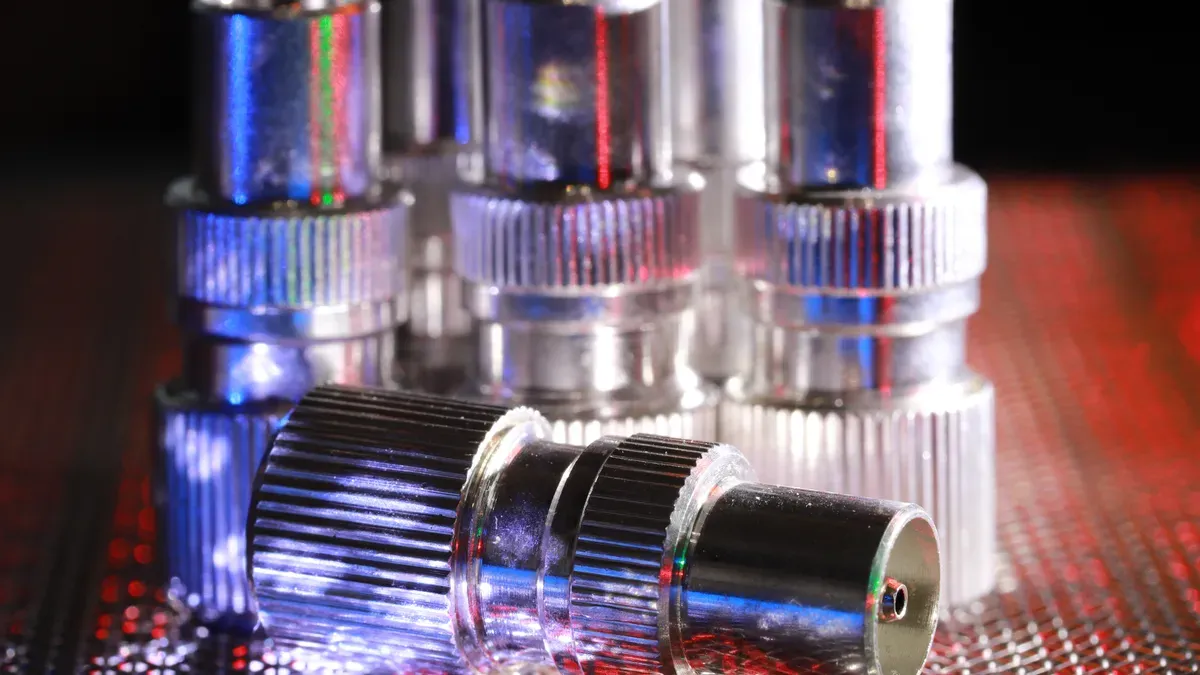
Selective gold plating plays a vital role in the automotive and electronics industries. These sectors demand high reliability and performance from their components, especially in environments where wear and corrosion are prevalent.
In automotive applications, micro motors operate under extreme conditions. They face vibrations, temperature fluctuations, and exposure to moisture. Selective gold plating enhances the durability of electrical contacts in these motors. You can expect improved conductivity and reduced contact resistance, which are crucial for the reliable operation of systems like power windows and seat adjustments.
“In automotive systems, the reliability of micro motors can make or break the user experience. Selective gold plating ensures that these components perform optimally, even in harsh conditions,” says an industry expert.
In the electronics sector, micro motors drive various devices, from mobile phones to home appliances. The demand for compact and efficient designs increases the need for high-performance micro metal parts. Selective gold plating provides a solution by ensuring that only critical areas receive the gold layer, thus enhancing performance without adding unnecessary weight.
Micro-Motor Components
Micro motors consist of several components that benefit from selective gold plating. Key applications include micro-motor brushes, switches, and connectors.
Micro-Motor Brushes: These components experience significant wear due to constant friction. Gold plating on the contact surfaces increases their lifespan and maintains conductivity. This enhancement is crucial for applications where consistent performance is necessary, such as in robotics and automation.
Switches: In micro motors, switches control the flow of electricity. Gold plating on switch contacts prevents oxidation and ensures reliable operation. This feature is particularly important in high-frequency applications where performance can degrade quickly without proper protection.
Connectors: Connectors link various components within a micro motor. Selective gold plating on connectors enhances their durability and conductivity. This improvement reduces the risk of failure, which can lead to costly downtime in industrial settings.
By utilizing selective gold plating, you can address common pain points related to corrosion and wear in micro motor applications. This technology not only extends the lifespan of components but also enhances overall performance, making it a smart choice for industries that rely on precision and reliability.
Reel-to-Reel Precious Metal Plating
Process Overview
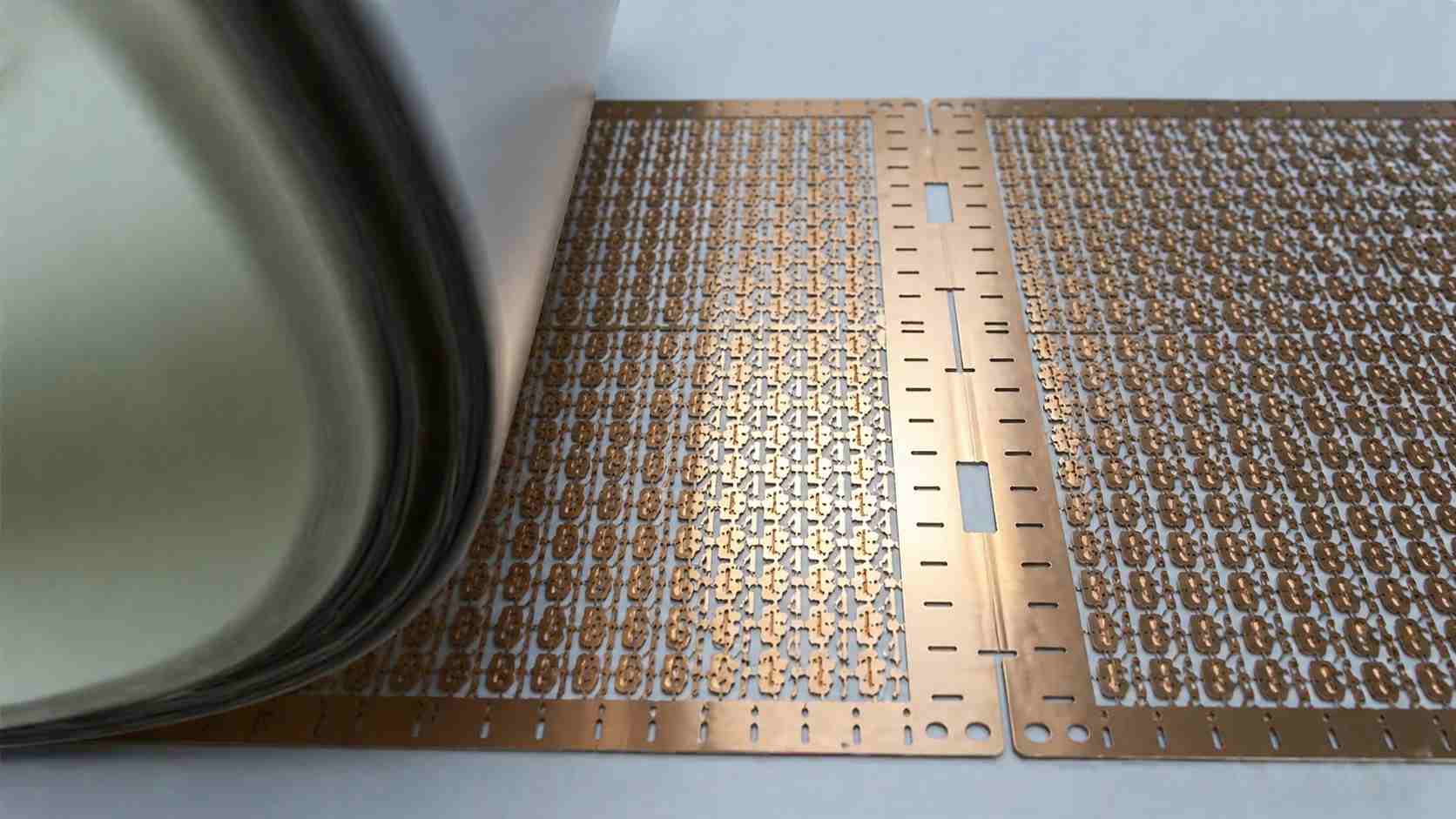
Reel-to-reel precious metal plating is a significant advancement in micro motor manufacturing. This method allows for continuous plating of metal strips, which enhances efficiency and consistency. You can expect high quality metal finishing with this technique, as it ensures uniform coverage across the entire surface. The process involves feeding a continuous strip of material through a plating bath, where it receives a layer of precious metal. This approach minimizes waste and maximizes productivity.
One of the core advantages of reel-to-reel plating is its ability to produce pinhole-free coatings. This feature is crucial for micro motors, where even the smallest imperfections can lead to failures. The uniformity of the coating enhances wear resistance, ensuring that components withstand harsh operating conditions.
Environmental Benefits
Reel-to-reel precious metal plating also offers environmental benefits. By minimizing precious metal consumption, this method reduces the overall environmental impact of manufacturing processes. You can achieve significant material savings while maintaining high performance standards. This efficiency aligns with the growing demand for sustainable practices in the industry.
Industry experts highlight the importance of this method. “Reel-to-reel plating not only improves the quality of micro motor components but also supports eco-friendly manufacturing,” says a leading engineer in the field. This approach meets market demands for both performance and sustainability, addressing customer pain points related to material costs and environmental concerns.
Comparison with Other Plating Methods
Traditional vs. Selective Plating
When comparing selective gold plating to traditional plating methods, you will notice several key differences. Traditional plating often covers entire surfaces, which can lead to excess material and increased costs. In contrast, selective gold plating applies gold only where necessary. This targeted approach offers several advantages:
Cost Efficiency: Selective plating minimizes gold usage, reducing overall material costs.
Improved Performance: Selective gold plating enhances electrical contact performance. It allows for better solderability by enabling soldering to the nickel layer beneath the gold, rather than the gold itself.
Reduced Porosity: Traditional methods may create porous layers at thinner levels, which can negatively impact electrical contact performance. Selective plating helps avoid these issues.
Experts in the field emphasize that the choice of plating method significantly influences the effectiveness of electrical connections. They note that different metal plating methods, including selective gold plating, have unique benefits and limitations that can affect performance in various applications.
Maintaining Dimensions
Maintaining the dimensional integrity of micro motor electrical contacts is crucial for optimal performance. Selective plating excels in this area. By applying metal coatings only where necessary, selective plating prevents excess material buildup. This precision ensures that components retain their original dimensions, avoiding distortion that can occur with broader plating techniques.
The accuracy of selective plating guarantees that electrical contacts meet their specifications and performance requirements. This targeted approach not only enhances functionality but also contributes to the longevity of micro motor components.
Incorporating continuous selective gold plating into your micro motor applications offers numerous advantages. This technology enhances durability and performance, ensuring your components withstand high-wear environments.
Key Benefits:
Extended Lifespan: Gold plating significantly increases the longevity of electrical contacts.
Cost Management: Selecting the right thickness and type of gold plating helps manage overall material expenses effectively.
High Reliability: Gold plating is essential for applications requiring dependable performance.
By adopting this innovative plating method, you can improve operational efficiency and reduce costs. Consider integrating continuous selective gold plating into your manufacturing processes for optimal results.
FAQ
What is selective gold plating?
Selective gold plating is a process that applies gold only to specific areas of micro motor components. This technique enhances durability and conductivity while minimizing gold usage, making it cost-effective.
How does selective gold plating improve micro motor performance?
By increasing wear resistance and ensuring reliable electrical connections, selective gold plating enhances the overall performance of micro motors. This leads to longer lifespans and reduced maintenance costs.
What industries benefit from selective gold plating?
Industries such as automotive, electronics, and telecommunications benefit significantly from selective gold plating. These sectors require high-performance components that can withstand harsh conditions and high wear.
Is reel-to-reel plating environmentally friendly?
Yes, reel-to-reel plating minimizes precious metal consumption, reducing waste and environmental impact. This method supports sustainable manufacturing practices while maintaining high-quality standards.
How can I implement selective gold plating in my manufacturing process?
To implement selective gold plating, partner with a specialized plating service that offers precision electroplating. Ensure they understand your specific requirements for optimal results.
See Also
Die-Free Selective Plating Boosts Prototyping Efficiency in R&D
Tool-Free Selective Plating Revolutionizes US Tech Manufacturing Processes
Pre-Plated Stainless Steel Strips Improve Smart Wearable Devices
Spot Gold Plating on 0.009mm Strips Using Moldless Selective Plating
Innovative Moldless Selective Plating Technology for AI Chip Production