
Metal materials are very important in your daily life. They are the main support for many industries. They provide strength, durability, and flexibility. You can find metals in things like buildings and electronics. For example, steel is important for making industrial machines. Stainless steel is also needed for medical devices.
Here’s a quick look at some key industries and their metal uses:
Industry | Metal Used | Applications |
|---|---|---|
Manufacturing | Steel | Parts for machines, tools, bolts, fasteners |
Aerospace | Steel alloys | Fuselages, landing gear, engine parts, fasteners |
Medical | Stainless steel | Surgical tools, implants, medical devices |
Energy | Steel | Pipelines, transformers, wind turbine towers |
Knowing how metal materials are used helps you see their importance in different fields.
Key Takeaways
Metal materials are very important in many industries. They provide strength and last a long time for building, making things, and medical uses.
Ferrous materials, like steel, are strong and resist wear. This makes them perfect for building parts and car parts.
Non-ferrous materials, such as aluminum and copper, are light and resist rust. They are very important for airplanes and electronics.
Metal alloys mix different metals to improve performance. This makes them necessary in car and boat engineering.
Specialty metals, like titanium and tantalum, are used in advanced technology. They are especially important in medical devices and aerospace because of their special qualities.
Ferrous Materials
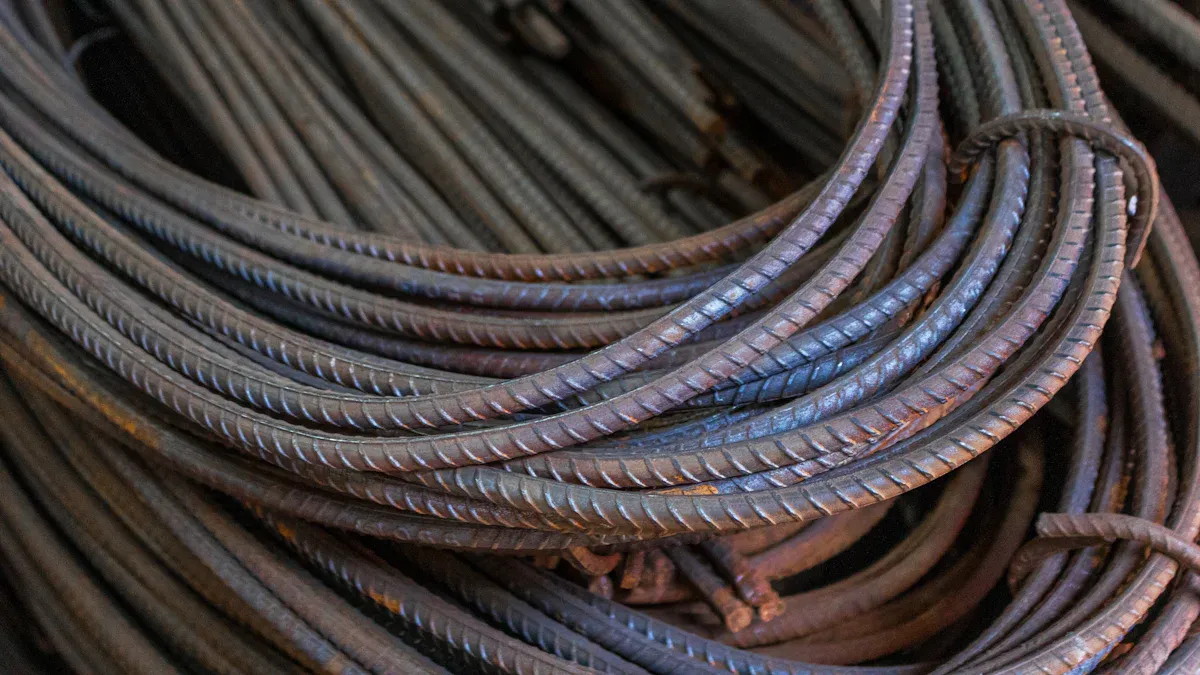
Properties of Ferrous Materials
Ferrous materials are mostly made of iron. They have important properties that make them useful in many ways. Here are some key features:
Property | Description |
|---|---|
Mechanical Strength | Ferrous metals, especially steel, are very strong and last a long time. This makes them great for heavy-duty uses. |
Corrosion Resistance | Alloys like stainless steel do not rust easily. Chromium helps create a protective layer that makes them last longer. |
Magnetic Properties | Most ferrous metals can be magnetized. This is helpful in electric motors and transformers. |
Workability | Ferrous metals can be shaped and formed easily. This flexibility allows them to be used in many ways in building and machines. |
These features make ferrous materials a popular choice in many industries.
Construction and Manufacturing Uses
Ferrous materials are very important in construction and manufacturing. You can see them in many uses, such as:
Structural Components: Steel beams and columns are the main support for buildings and bridges. Their strength helps hold heavy loads and keeps things stable.
Fasteners: Bolts, screws, and nuts made from ferrous metals are needed to put together machines and structures. They keep parts tightly connected.
Automotive Parts: Ferrous materials are key in making engines, chassis, and other important parts. Their strength helps vehicles handle wear and tear.
Tools and Equipment: Many tools, like wrenches and drills, use ferrous metals because they are strong and tough. These tools are important for building and fixing things.
In manufacturing, ferrous materials are also used in:
Application Type | Description |
|---|---|
Fasteners | Used in many assembly tasks. |
Automotive Components | Key for making parts like engines. |
Structural Shapes | Used in building for beams and supports. |
Tooling | Used to make tools and dies. |
Aircraft Parts | Important for parts that need to be very strong. |
The need for ferrous materials keeps increasing. Urban growth and building projects are driving this need. For example, the U.S. plans a $1.2 trillion upgrade to its infrastructure, which will likely raise steel demand a lot.
Non-Ferrous Materials
Characteristics of Non-Ferrous Materials
Non-ferrous materials are metals that have little to no iron. They have special features that make them useful in many ways. Here are some important traits of common non-ferrous metals like copper, aluminum, and lead:
Characteristic | Copper | Aluminum | Lead |
|---|---|---|---|
Ductility | High | High | High |
Electrical Conductivity | High | High | Poor |
Corrosion Resistance | Good | Excellent | Poor |
Density | Heavy | Lightweight | Heavy |
Creep Strength | Moderate | Poor | N/A |
These features help non-ferrous metals do well in certain jobs. For example, their great resistance to rust makes them perfect for outdoor and marine uses.
Aerospace and Electronics Applications
Non-ferrous materials are very important in the aerospace and electronics fields. Their special features improve performance and efficiency in these areas.
In aerospace, lightweight materials like aluminum are very important. They help make aircraft lighter, which saves fuel. Aluminum alloys are often used in aircraft frames, wings, and bodies. This lightness helps with better performance and lower costs.
In electronics, copper is very important because it conducts electricity well. You can find copper in power lines, circuit boards, and connectors. Its ability to carry electricity efficiently helps devices work well. Also, aluminum is a cheaper option for things like heat sinks and component cases.
Gold is also important in electronics, even though it costs more. Its resistance to rust and reliability make it great for connections in high-tech devices like smartphones and computers.
Using non-ferrous materials has big economic benefits. They have a strong-to-weight ratio, which is important for modern vehicle designs, especially electric cars. Their ability to be recycled helps with sustainability goals, lowering long-term costs and reducing environmental harm.
Metal Alloys
Definition and Composition
Metal alloys are mixtures of two or more elements. At least one of these elements must be a metal. This combination creates a new material. This new material often works better than the individual metals. You can group alloys by their atomic structure:
Substitutional Alloys: One atom takes the place of another.
Interstitial Alloys: Smaller atoms fit into spaces between larger atoms.
Alloys can be homogeneous, which means they have one phase, or heterogeneous, which means they have multiple phases. The makeup of alloys is usually shown in mass percentage. This design helps improve performance, like making them harder and more resistant to rust.
Here are some common types of metal alloys and where they are used:
Alloy Type | Main Elements | Applications |
|---|---|---|
Steel Alloys | Iron, Carbon, Manganese, Chromium, Nickel | Construction, Automotive, Industrial Tools |
Aluminum Alloys | Aluminum, Magnesium, Silicon, Zinc | Aerospace, Automotive, Transportation |
Brass | Copper, Zinc | Decorative items, Fittings, Plumbing components |
Bronze | Copper, Tin | Marine applications, Electrical equipment |
Stainless Steel | Iron, Carbon, Chromium | Kitchen appliances, Medical tools, Construction |
Titanium Alloys | Titanium, Aluminum, Vanadium | Medical implants, Aerospace components, Military |
Nickel Alloys | Nickel, Chromium, Molybdenum | Chemical processing, Turbines, Power plants |
Automotive and Marine Uses
Metal alloys are very important in the automotive and marine industries. In cars, steel alloys give strength and durability to frames and parts. They resist wear and tear, making them great for parts under a lot of stress.
In marine engineering, aluminum alloys are popular. They are strong and light, and they resist rust. These qualities make them perfect for building ship structures and parts. Using aluminum lowers weight, which helps carry more cargo and saves fuel. This move to lighter materials helps the maritime industry be more sustainable.
Overall, metal alloys improve performance and durability in many uses. They are essential in modern manufacturing and engineering.
Specialty Metal Materials
Overview of Specialty Metals
Specialty metals are very important in high-tech industries. These metals include titanium, tantalum, and nickel-based superalloys. Each metal has special features that make it good for certain uses. For example, titanium is strong and works well with the body. This makes it perfect for medical implants. Tantalum is another specialty metal. It resists rust very well and is often used in surgical implants and medical imaging tools.
Here are some common specialty metals:
Stainless Steel: Often used in medical devices, especially the 304 grade for its rust resistance.
Titanium: Known for its strength and compatibility with the body, used in implants and orthopedic devices.
Nickel-based Superalloys: Made to resist extreme heat and pressure.
Cobalt-chrome Alloys: Strong and resistant to rust in tough conditions.
Medical and High-Performance Applications
Specialty metals are widely used in medical and high-performance areas. In medicine, titanium is a top choice for implants. It resists rust well and connects nicely with human tissues. Tantalum is also important; it is used in surgical implants like hip joints and bone plates. Its compatibility with the body ensures it does not cause problems, making it safe for long-term use.
In high-performance areas, specialty metals are key in aerospace and defense. They are needed to make precise parts that need to be very strong and durable. For instance, titanium alloys are used in airplane frames and engine parts, while aluminum alloys are chosen for being lightweight. These metals help planes use less fuel, which is important for both commercial and military flights.
The need for specialty metal materials keeps growing as industries focus on new ideas and being eco-friendly. Their special features help improve technology, making them essential in today’s applications.
Metal materials are very important in your daily life and many industries. They give strength, durability, and flexibility. Knowing how they are used helps you see their effect on technology and the environment. For example, metals like steel and aluminum are key for recycling. This process saves energy and helps protect nature.
Here are some main points:
Tin is needed for soldering in smart devices and electric cars.
Recycling metals greatly reduces energy use.
By understanding the value of metal materials, you can see their importance in today’s world.
FAQ
What are ferrous materials?
Ferrous materials have iron in them. They are strong and last a long time. This makes them great for building and making things. Common examples are steel and cast iron.
Why are non-ferrous materials important?
Non-ferrous materials, like aluminum and copper, do not rust easily and are light. They are very important in aerospace and electronics. They help make things work better and more efficiently.
What are metal alloys used for?
Metal alloys mix different metals to improve their qualities. They are used in many areas, like car parts, building materials, and marine engineering.
How do specialty metals differ from regular metals?
Specialty metals, like titanium and tantalum, have special features. They can handle tough conditions and are used in high-tech areas, like medical devices and parts for airplanes.
Can metals be recycled?
Yes, metals can be recycled very well. Recycling saves energy and helps the environment. It also helps save natural resources and supports eco-friendly practices in many industries.
See Also
Improving Electronic Devices With Precision Metal Strip Materials
Boosting Smart Wearables Using Pre-Plated Stainless Steel Strips
Benefits of Etched Stainless Steel Springs for Healthcare Uses
Metal Etching Techniques in KSA for Sensor Manufacturing
Reasons Etched Precision Stainless Steel Springs Outperform Stamped Parts