
Precision plating is a vital process that enhances the performance and durability of metals, especially in local plating applications. This technique applies a thin layer of material to metal components, significantly improving their properties. You can expect benefits such as corrosion resistance, increased durability, and enhanced aesthetic appeal. Industries like aerospace and automotive rely on precision plating and local plating to ensure the longevity and functionality of critical components. Understanding how metal plating works can help you appreciate its importance in modern manufacturing.
Key Takeaways
Precision plating improves the durability and performance of metal components, making them last longer.
Proper surface preparation is essential for effective plating, ensuring strong adhesion and high-quality coatings.
Electroplating and electroless plating techniques enhance corrosion resistance and wear resistance in various applications.
Aesthetic finishes from precision plating can significantly increase the marketability of consumer products.
Understanding your specific needs helps you choose the right plating technique for optimal results.
Plating Process
Surface Preparation
Surface preparation is a critical step in the metal plating process. It ensures that the substrate is clean and ready for plating. You can follow these main steps for effective surface preparation:
Pre-Cleaning: Soak the substrate in a cleaning agent to remove bulk foreign materials.
Secondary Cleaning: Use methods like abrasive blasting, ultrasonic washing, spray cleaning, or pickling to eliminate microscopic contaminants.
Surface Activation: This step prepares the surface for plating by ensuring it is clean and reactive.
Proper surface preparation directly impacts the quality and adhesion of plated coatings. A strong bond between the coating and the substrate is essential. Contaminants like oils and residues can prevent effective adhesion, leading to poor coating quality. Therefore, specialized pre-treatment technologies help optimize surface conditions, reducing the risk of weak adhesion.
Electroplating Techniques
Electroplating is one of the most widely used methods in the metal plating process. This technique applies a thin layer of metal through an electrochemical process. It enhances corrosion resistance and wear resistance. Here are some key aspects of electroplating:
Increased Strength: The electroplating process increases the strength and durability of metal components. It applies a coating of metals like copper and nickel, enhancing tensile strength.
Protective Layer: Electroplating provides a protective layer against corrosion and UV light, extending the lifespan of components.
Improved Conductivity: This technique also improves the conductivity of components, making them suitable for electrical and RF applications.
Another method, electroless nickel plating, does not require electricity. It uses a chemical reducing agent to deposit nickel onto the substrate. This process offers several advantages:
Feature | Electrolytic Nickel Plating | |
|---|---|---|
Process | No catalyst or charge needed; uses a chemical reducing agent | Requires a catalyst and direct current to initiate plating |
Deposit Thickness | More uniform and precise; tolerances of +/- .0001 inches | Typically thicker around corners and edges; less precision |
Corrosion Resistance | Superior due to phosphorus addition | Lower compared to ENP |
Hardness | Can reach approximately 90% hardness of chromium | Hardness of 50+ Rc |
Ductility | More ductile, less likely to crack | Comparable ductility with pure nickel plating |
Coating Versatility | Can be applied to virtually all metallic substrates | Limited to conductive substrates |
Salvageability | Excellent for materials that will be salvaged | N/A |
Both electroplating and electroless plating techniques enhance the properties of metal components, making them more durable and functional in various applications.
Plating Benefits
Durability and Resistance
Precision plating significantly enhances the durability and resistance of metal components. This process creates a strong metallic layer that adheres well to the substrate. As a result, you can expect improved performance in various applications. Here are some key benefits:
Enhanced Wear Resistance: Electroplating with hard metals like chromium increases wear resistance. This improvement is crucial for components such as gears and bearings, extending their service life.
Corrosion Protection: Coatings like zinc, nickel, and chromium form a protective barrier against moisture and corrosive elements. This protection is essential for parts exposed to harsh environments.
Optimized Conductivity: Precision coatings improve conductivity and corrosion resistance. This optimization ensures reliable performance in critical applications, such as electronics and automotive systems.
Compared to traditional plating methods, precision plating offers superior resistance to environmental stressors. While traditional coatings can vary in effectiveness, precision plating provides consistent wear resistance due to its metallic nature.
Aesthetic Appeal
Aesthetic appeal plays a vital role in the selection of plating techniques, especially for consumer products. The visual quality of a product can significantly influence consumer preferences. Here are some aesthetic benefits of precision plating:
Variety of Finishes: Precision plating allows for various finishes that enhance the appearance of products. Common finishes include:
Finish Type
Description
Applications
Benefits
Mirror
Highly reflective surface
Household appliances, jewelry
Elegant appearance, scratch resistance
Matte
Non-reflective, smooth finish
Various decorative items
Easy maintenance, sophisticated look
Textured
Customized textures and patterns
Tools, architectural elements
Enhanced grip, unique aesthetics
Marketability: Aesthetic appeal is crucial in industries like jewelry and fashion. Techniques such as gold, silver, and rhodium plating enhance the attractiveness of jewelry, making it more appealing to consumers. Rhodium plating, for instance, provides a bright, reflective finish that significantly boosts the visual appeal of white gold, platinum, and silver jewelry.
Consumer Preferences: Decorative finishes and precise color control are essential for meeting consumer preferences. Enhanced aesthetic appeal contributes to the overall value of products, making them more marketable.
Applications of Precision Plating
Aerospace Industry
The aerospace industry relies heavily on precision plating to enhance the performance and longevity of its components. You can find precision plating in various parts, including connectors, fasteners, and structural components. These components often face extreme conditions, such as high temperatures and corrosive environments. Precision plating provides essential benefits:
Corrosion Resistance: Coatings protect against oxidation and chemical exposure, which can compromise safety and performance.
Electrical Conductivity: Enhanced conductivity through effective electroplating is crucial for aerospace components.
Here’s a quick overview of key performance improvements observed in aerospace components after precision plating:
Performance Aspect | Description |
|---|---|
Electrical Conductivity | Enhanced through effective electroplating, crucial for aerospace components. |
Surface Preparation | Ensures substrates are clean and free of oxides for optimal plating. |
Metal Selection | Choosing metals like gold or silver increases conductivity. |
Plating Thickness | Optimal thickness is determined for required conductivity. |
Bath Composition | Precise control of electroplating solution ensures uniform deposition. |
Post-Plating Treatment | Anti-tarnish treatments preserve conductivity over time. |
Automotive Industry
In the automotive industry, precision plating is vital for enhancing the durability and reliability of high-wear components. You will find this technique applied to parts exposed to friction, corrosion, or repetitive motion. Examples include gears, bearings, and brake components. Precision plating leads to several advantages:
Increased Surface Hardness: This enhancement results in longer service life and reduced maintenance costs.
Optimized Friction Coefficients: Improved performance under various driving conditions.
Precision plating also plays a significant role in ensuring that automotive components meet rigorous quality standards. For instance, zinc-nickel coatings provide excellent corrosion resistance, contributing to the longevity and performance of parts.
Overall, both the aerospace and automotive industries benefit immensely from precision plating, ensuring that components perform reliably under demanding conditions.
Precision Plating Local Plating Techniques
Micro-Plate and Spot Plating
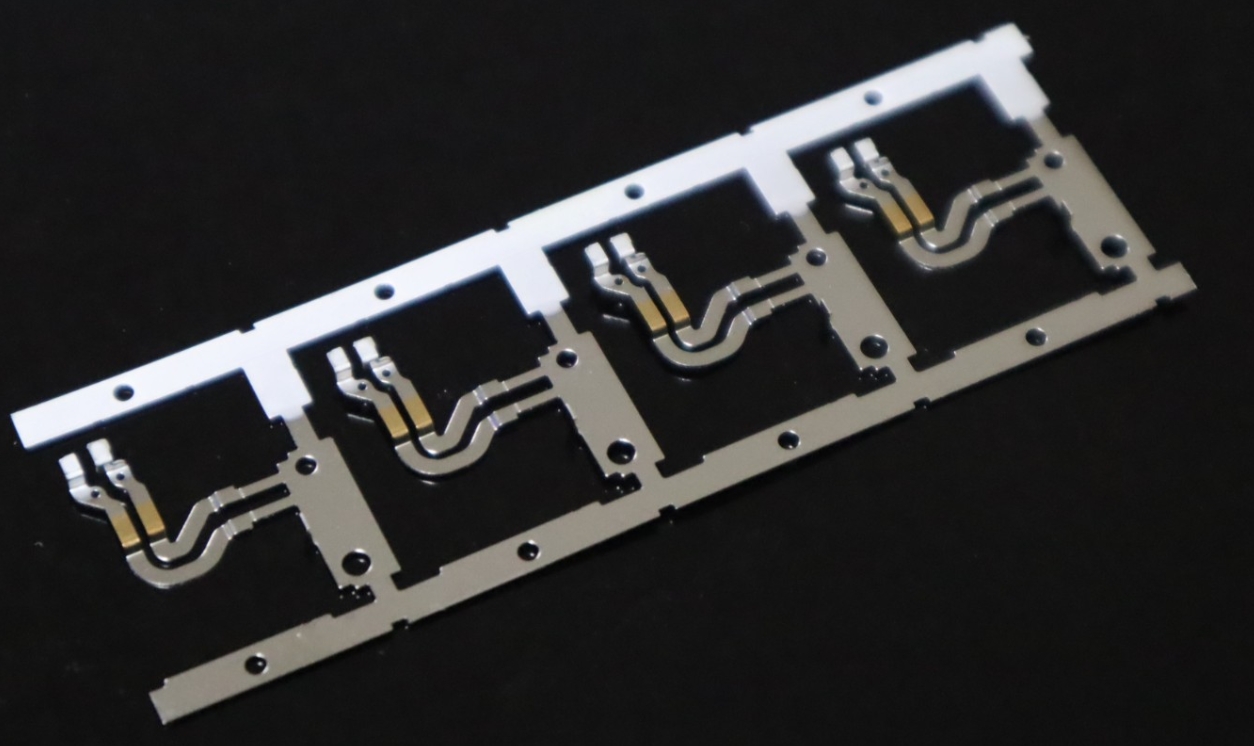
Micro-plate and spot plating are essential local plating techniques in precision manufacturing. These methods allow you to apply coatings selectively, enhancing specific areas of a component without affecting the entire surface. Here are some advantages of these techniques:
Advantage | Description |
|---|---|
Material Efficiency | Controlled deposition minimizes material usage and cost while improving design precision. |
Precision Control | Advanced process control ensures tight thickness tolerances for repeatable quality across millions of parts. |
Versatility | You can use these methods on various substrates, making them suitable for intricate designs. |
Micro-plate and spot plating techniques are particularly useful in industries where precision is critical. For example, in electronics, these methods improve the performance of components by enhancing their conductivity and corrosion resistance.
Controlled Depth and Stripe Plating
Controlled depth plating is vital for achieving uniform coating thickness on metal parts. This technique ensures that components receive a consistent coating, which is crucial for meeting specific electrical and dimensional standards. You can achieve precision at the micron level, enhancing the uniformity of the coating across numerous components.
Stripe plating, on the other hand, allows you to apply coatings in specific patterns or stripes. This method is beneficial when you need to isolate certain areas of a component from plating. It is particularly effective in automated production settings, where efficiency and accuracy are paramount.
Both controlled depth and stripe plating techniques play a significant role in high-stakes industries like aerospace and medical. In these fields, even slight deviations can lead to equipment malfunctions or safety hazards. Therefore, the accuracy of local plating methods directly impacts the performance of high-precision metal components.
By utilizing these local plating techniques, you can enhance the functionality and longevity of your products while maintaining strict quality standards.
Precision plating plays a crucial role in enhancing the performance and durability of metal components. You can benefit from advanced techniques like electroplating, which significantly reduce defects and improve operational efficiency. Consider the following key takeaways:
Precision plating enhances durability and compliance with industry standards.
It minimizes rework and scrap rates, boosting your manufacturing efficiency.
Understanding your application needs helps determine if precision plating is right for you.
Explore precision plating options for your manufacturing needs. Consult with experts to find the best solutions tailored to your specific requirements.
FAQ
What is electroplating?
Electroplating is a process that uses electricity to deposit a layer of metal onto a substrate. This technique enhances the surface properties of metal components, improving their durability and appearance.
How does metal plating improve corrosion resistance?
Metal plating creates a protective barrier on the surface of components. This barrier prevents moisture and corrosive elements from reaching the underlying metal, significantly extending the lifespan of the parts.
What industries benefit from precision plating?
Industries such as aerospace, automotive, and electronics benefit greatly from precision plating. These sectors rely on enhanced durability and performance of components to meet strict safety and quality standards.
Can I use precision plating for decorative purposes?
Yes, precision plating is ideal for decorative applications. It allows for various finishes that enhance the visual appeal of products, making them more attractive to consumers.
How do I choose the right plating technique?
Choosing the right plating technique depends on your specific application needs. Consider factors like required durability, conductivity, and aesthetic preferences when selecting a method.
See Also
The Impact of Precision Metal Strips on Electronics
Selecting the Best Plating Service for Your Connectors
Innovative Die-Free Plating Speeds Up Prototyping Processes