
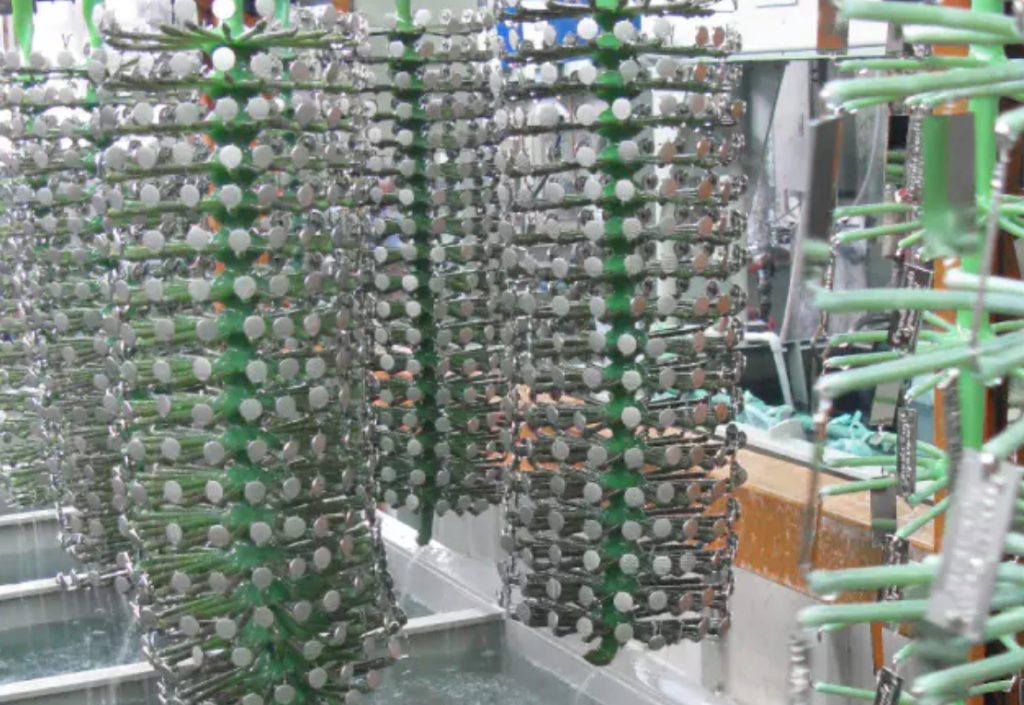
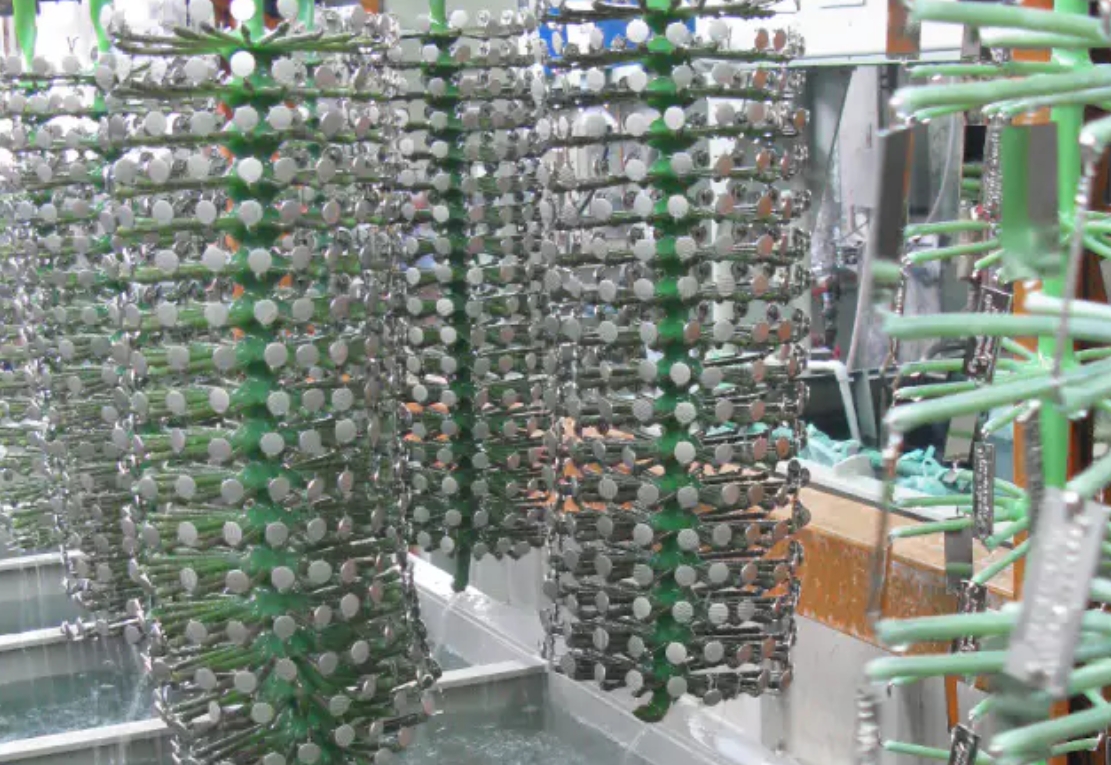
Electroplating plays a crucial role in modern manufacturing, particularly in the enhancement of metal products. By applying a thin layer of metal through the electroplating process, you improve not only the durability of these products but also their aesthetic appeal. Recent innovations, such as the development of green electrolytes, minimize environmental impacts and promote sustainability in the electroplating process. Stricter regulations encourage companies to adopt eco-friendly practices, driving advancements in electroplating technologies for metal products. As these changes unfold, you can expect a transformative impact across various industries, from automotive to electronics.
Key Takeaways
Electroplating enhances metal products by improving durability and aesthetics, making them more appealing and long-lasting.
Innovations like green electrolytes are driving the shift towards eco-friendly electroplating practices, benefiting both the environment and product quality.
Electroplating is vital across various industries, including automotive and electronics, ensuring reliability and performance in challenging conditions.
Understanding different electroplating techniques allows you to choose the best method for your specific needs, optimizing results.
Future trends in electroplating focus on sustainability and advanced technologies, promising to revolutionize metal product manufacturing.
Electroplating Process
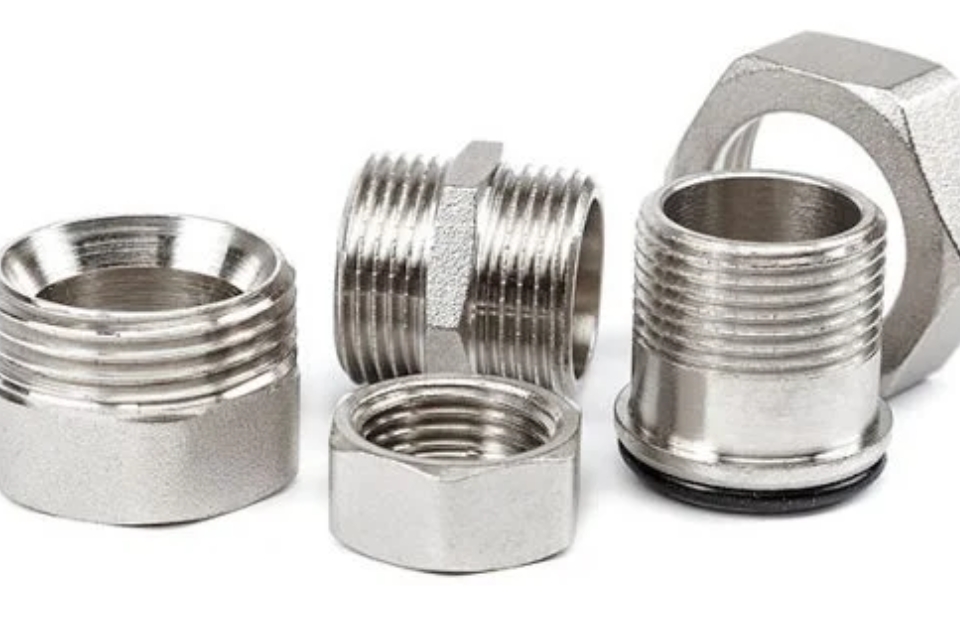
Basics of Electroplating
The electroplating process enhances metal products by depositing a thin layer of metal onto a substrate. This process involves several fundamental steps:
Surface Preparation: You must clean the substrate thoroughly to ensure optimal adhesion.
Pre-treatment: This step activates the surface, making it ready for plating.
Rinsing: You remove any residual cleaning agents to avoid contamination.
Strike Layer Application: An initial thin layer of metal improves adhesion.
Main Plating Process: The substrate immerses in a plating bath with controlled parameters.
Process Monitoring: Continuous observation of bath conditions ensures quality.
Post-plating Treatment: This enhances the coating properties for better performance.
Final Quality Inspection: Testing confirms that the product meets specifications.
These steps are crucial for achieving a high-quality finish on metal products.
Key Techniques
Several techniques enhance the electroplating process, ensuring efficiency and effectiveness:
Electroless Plating: This chemical reduction process provides a uniform coating on complex shapes.
Rack Plating: Suitable for larger parts, this method mounts components on racks for even exposure.
Barrel Plating: Ideal for high volumes of small parts, this technique tumbles components inside a barrel for cost-effective finishing.
Each technique has its advantages, depending on the specific requirements of the metal products you are working with. Understanding these methods allows you to choose the best approach for your needs.
By mastering the electroplating process, you can significantly improve the durability and appearance of metal products, paving the way for innovations in various industries.
Applications of Electroplating
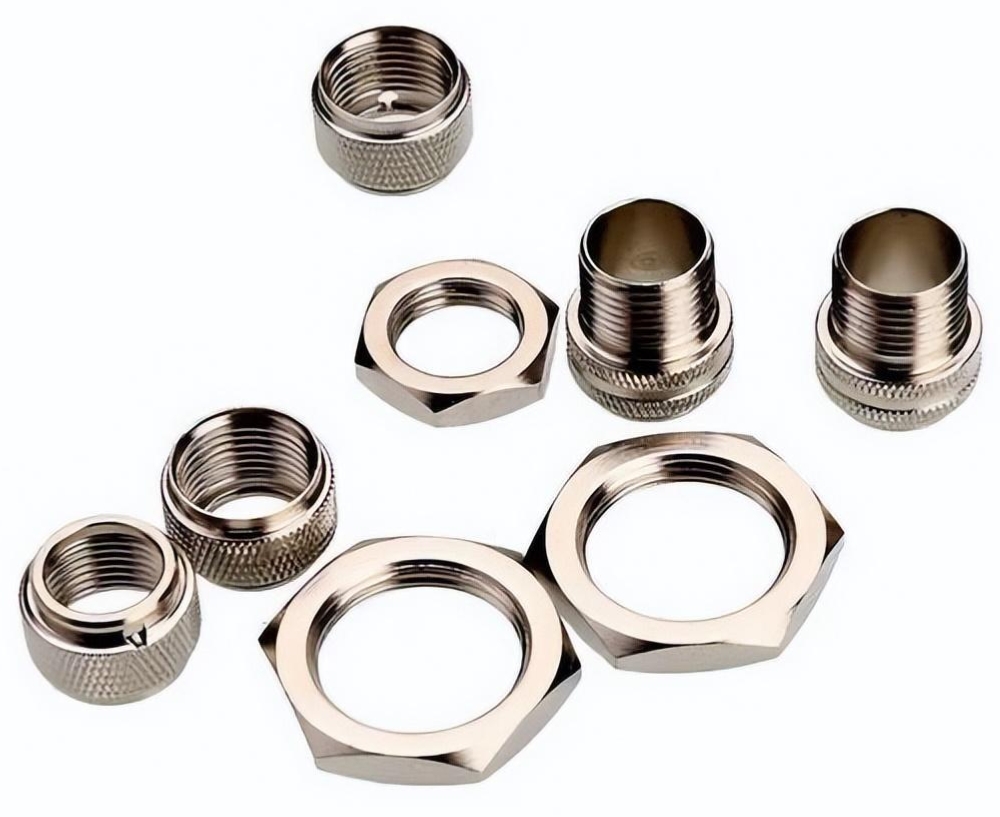
Electroplating finds extensive use across various industries, enhancing both functionality and aesthetics. Here are some key applications:
Automotive Industry
In the automotive industry, electroplating plays a vital role in improving component durability and performance. The process provides protective coatings that prevent rust and corrosion, which can arise from exposure to harsh weather and road conditions. Here’s how electroplating benefits the automotive sector:
Source | Evidence |
|---|---|
Linde AMT | The automotive sector relies heavily on electroplating for both functional and aesthetic purposes. Engine components benefit from wear-resistant coatings, while exterior trim elements receive decorative finishes that withstand environmental exposure. |
Reanin | In the automotive sector, electroplating enhances the durability of parts such as bumpers, trim, and engine components. |
Wayken | Modern automobile decorative parts use an electroplating process, which provides heat vibration resistance, decoration, and corrosion resistance. |
The automotive industry accounts for over 35% of the electroplating market share, with a projected compound annual growth rate (CAGR) of around 4.5% through 2032. This growth reflects the increasing demand for durable and aesthetically pleasing vehicle components.
Electronics Manufacturing
Electroplating is crucial in electronics manufacturing, where it enhances the functionality and longevity of devices. The process improves electrical conductivity and protects against corrosion, ensuring reliable performance. Here are some specific applications:
Gold plating is commonly used in semiconductors and connectors.
Electroplating acts as an anti-corrosion measure for electronic products.
Connectors, printed circuit boards (PCBs), and other components benefit from electroplating.
Metals like gold, silver, or copper are often used for plating, enhancing conductivity.
Electroplating ensures reliable connections between components, improving the performance and longevity of devices like smartphones and computers. The electronics industry is expected to grow at a CAGR of 5.2%, driven by digitalization and consumer electronics production.
Jewelry and Aesthetic Applications
In the jewelry and fashion industry, electroplating serves both aesthetic and cost-effective purposes. It allows manufacturers to create beautiful pieces without the high costs associated with solid metals. Common metals used in jewelry electroplating include:
Metal | Advantages |
|---|---|
Gold | Superior corrosion protection, wear resistance, and excellent electrical conductivity. |
Silver | Less expensive than gold or platinum, with excellent electrical and heat conductivity. |
Rhodium | Provides glittery, reflective properties, popular for white gold finishes. |
Palladium | Lower cost than gold, harder than gold, and provides a lustrous finish for fine jewelry. |
Electroplating enhances the aesthetic appeal of jewelry while maintaining affordability. This process allows for a variety of applications, making it a popular choice in the jewelry market.
Industrial Applications of Electroplating
Medical Equipment
Electroplating plays a vital role in the manufacturing of medical equipment. It enhances the functionality and safety of devices used in healthcare settings. Here are some key benefits of electroplating in this field:
Sanitation: Electroplated surfaces are easier to clean, which helps prevent bacterial growth. This feature is crucial for maintaining hygiene in medical devices.
Biocompatibility: Using biocompatible materials in electroplating minimizes allergic reactions. This ensures safety when devices come into contact with human tissue.
Electrical and Thermal Conductivity: Many medical devices require efficient electrical flow or heat management. Electroplating improves these properties, making devices more reliable.
Corrosion Resistance: Electroplating protects medical equipment from corrosion, extending its lifespan. This durability is essential for devices that undergo repeated use and cleaning.
Strength: The process reinforces surfaces, allowing them to withstand daily stresses. This improvement enhances the overall durability of medical devices.
Radiopacity: Coating with high-density metals like gold helps block radiation. This feature is particularly useful in imaging procedures.
These advantages make electroplating an essential process in the production of medical equipment, ensuring that devices are safe, effective, and long-lasting.
Aerospace Components
In the aerospace industry, electroplating is crucial for meeting stringent performance and safety standards. The process enhances the durability and reliability of components used in aircraft and spacecraft. Here are some key aspects of electroplating in aerospace applications:
Durability: Electroplating increases the lifespan of aerospace components by providing a protective layer against wear and tear.
Conductivity: Enhanced electrical conductivity is vital for many aerospace applications. Electroplating ensures that components function efficiently.
Corrosion Resistance: The aerospace environment can be harsh. Electroplating protects components from corrosion, ensuring they remain operational over time.
Compliance: Electroplating processes must meet industry standards. Certifications like NADCAP and AS9100 confirm that these processes adhere to the highest quality requirements.
The use of electroplating services in aerospace manufacturing not only improves product quality but also reduces costs. For example, electroplating allows manufacturers to achieve desired surface characteristics without using expensive materials. This cost-effectiveness makes electroplating a preferred choice in the aerospace sector.
Everyday Products
Electroplating also impacts everyday products, enhancing their functionality and appearance. You encounter electroplated items in various aspects of daily life. Here are some common applications:
Household Items: Many kitchen utensils and appliances feature electroplated finishes. This process improves durability and makes cleaning easier.
Consumer Electronics: Devices like smartphones and laptops often use electroplating for aesthetic appeal and protection against wear.
Automotive Accessories: Many car parts, such as trim and handles, benefit from electroplating. This treatment enhances both appearance and resistance to environmental factors.
By improving the quality and longevity of everyday products, electroplating contributes significantly to consumer satisfaction. You can appreciate the benefits of electroplating in the items you use daily, from kitchen tools to electronic devices.
Benefits of Electroplating Innovations
Durability and Corrosion Resistance
Electroplating offers significant advantages in durability and corrosion resistance. By applying an electroplated coating, you create a protective layer on metal surfaces. This layer effectively shields against environmental factors that lead to corrosion. For instance, untreated metals often rust in certain environments. In contrast, electroplating provides a robust barrier that enhances corrosion resistance. This protection is crucial in industries like automotive and electronics, where preventing corrosion is essential for product longevity.
Recent innovations in electroplating technology have led to improved durability. Techniques such as pulse or periodic reverse plating enhance the distribution of the coating. This results in more uniform and durable finishes. Additionally, laser-assisted plating improves adhesion and quality, contributing to longer-lasting products. The electroplating industry continues to evolve, with new alloys and coatings developed to enhance the properties of electroplated products.
Aesthetic Enhancements
Electroplating also significantly enhances the aesthetic appeal of metal products. You can achieve various surface effects, such as mirror, matte, and brushed finishes. Each finish serves specific aesthetic and functional purposes. For example, a mirror finish is highly reflective, making it ideal for decorative items. Meanwhile, a matte finish reduces glare, providing a modern look suitable for consumer electronics.
The benefits of electroplating extend beyond appearance. The process provides durable metal finishes that protect against wear and tear. It also shields the base metal from environmental damage, ensuring that products maintain their visual appeal over time. In industries like jewelry, automotive, and aerospace, electroplating allows for attractive designs without compromising functionality.
As the electroplating industry advances, you can expect even more innovations. Trends such as smart process control and sustainable chemistry adoption are shaping the future of metal product manufacturing. These developments promise to enhance both the performance and aesthetics of electroplated products, ensuring they meet the demands of modern consumers.
Electroplating innovations significantly shape the future of metal products. You see their impact across various industries, enhancing durability, aesthetics, and functionality. Here are some key takeaways:
Transformative Role: Electroplating improves product quality and industry standards. For instance, pulse and pulse-reverse electroplating enhance coating uniformity and reduce waste.
Broad Applications: From automotive to aerospace, electroplating supports critical sectors. It ensures reliability and performance in demanding environments.
Future Trends: Experts predict a shift towards sustainable practices. The adoption of green electroplating technologies will likely grow, driven by the demand for eco-friendly solutions.
As you explore the future of manufacturing, keep an eye on these advancements. They promise to revolutionize how industries approach metal product enhancement.
FAQ
What is electroplating?
Electroplating is a process that deposits a thin layer of metal onto a substrate. This enhances the substrate’s durability, corrosion resistance, and aesthetic appeal.
What industries use electroplating?
You can find electroplating in various industries, including automotive, electronics, aerospace, and jewelry. Each industry benefits from improved product quality and performance.
How does electroplating improve durability?
Electroplating creates a protective layer on metal surfaces. This layer shields against environmental factors, reducing wear and corrosion, which extends the lifespan of products.
Are there eco-friendly electroplating options?
Yes! Innovations like green electrolytes and sustainable practices are emerging in electroplating. These options minimize environmental impact while maintaining product quality.
Can electroplating be applied to any metal?
Electroplating works on many metals, including steel, copper, and aluminum. However, the choice of substrate affects the plating process and results.
See Also
Revolutionary Tool-Free Plating Boosts US Tech Manufacturing Speed
Innovative Die-Free Plating Speeds Up Prototyping Processes
Enhancing Electronics: The Role of Precision Metal Strips
Exploring Roll-to-Roll Etching Benefits for Future Electronics
Selective Electroplating: A Game Changer for Lead Frame Quality