
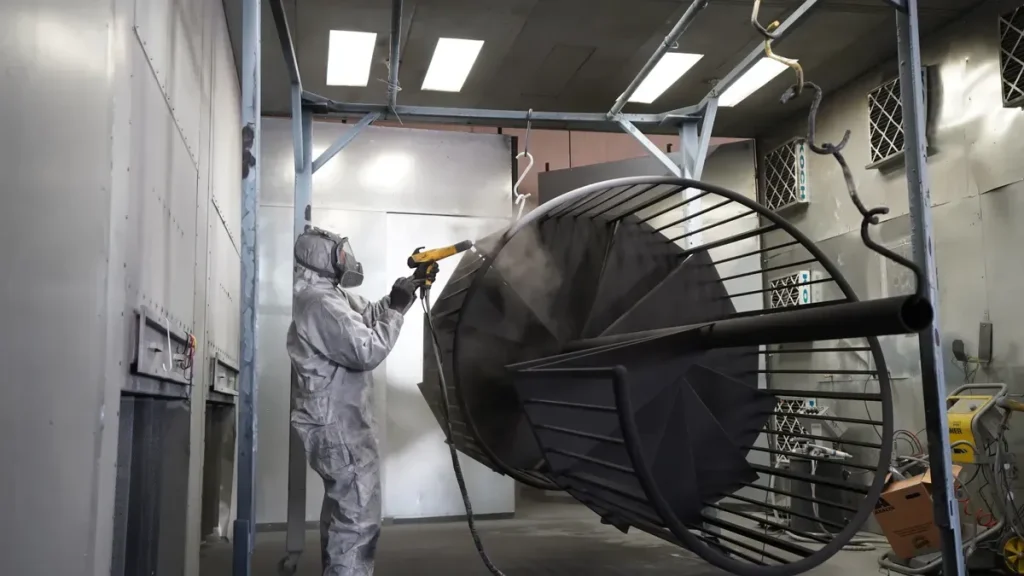
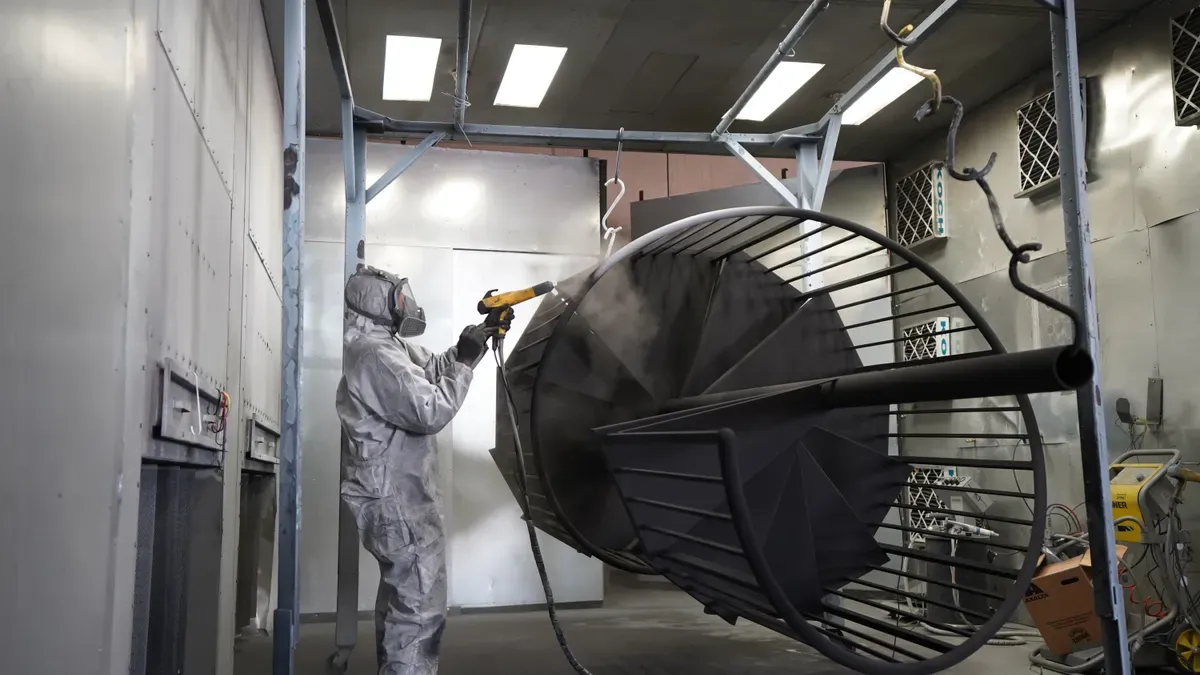
Electroplating technology has significant potential to transform scientific development. This process enhances material properties by depositing a layer of metal onto various substrates. The global market for electroplating is projected to grow, reaching $48.98 billion by 2034. This growth indicates a strong demand across multiple sectors. Key industries like automotive and aerospace benefit from electroplating’s ability to improve durability and performance. As innovations in this field continue, electroplating technology affects the direction of future scientific and technological development, paving the way for new advancements.
Key Takeaways
Electroplating enhances material properties, improving durability and corrosion resistance across various industries.
The automotive sector benefits significantly from electroplating, providing corrosion-resistant and visually appealing components.
Recent innovations in electroplating technology, like eco-friendly practices and advanced coatings, are shaping a sustainable future.
Electroplating plays a vital role in electronics, enhancing conductivity and performance of components like circuit boards.
The projected growth of the electroplating market highlights its importance in driving technological advancements and innovation.
Electroplating Overview
Definition and Process
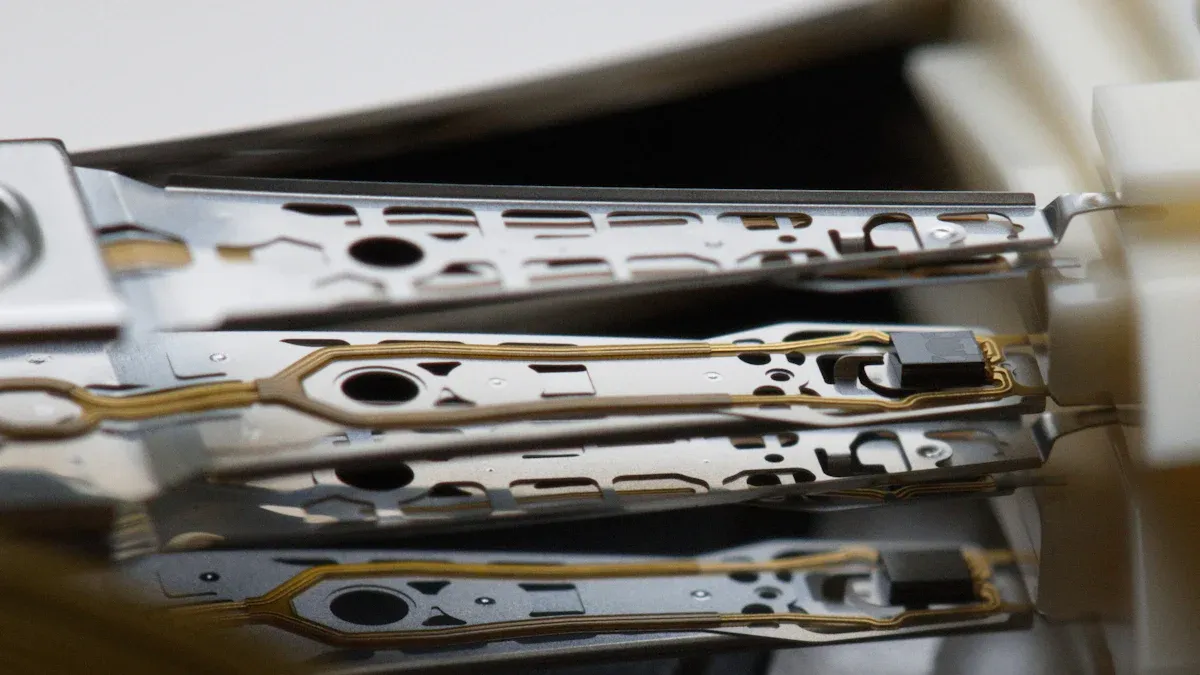
Electroplating is a process that deposits a layer of metal onto a surface. This technique enhances the properties of the substrate, such as durability and corrosion resistance. The fundamental principles of electroplating involve several key components:
Anode: The metal used for coating.
Cathode: The metal receiving the coating.
Electrolyte: An aqueous solution containing the anode metal.
Power Source: Typically a direct current (DC) supply.
The electroplating process consists of several steps:
Surface Preparation: Clean the substrate to remove contaminants for better adhesion.
Setting Up Electrolytic Cell: Position the substrate and metal anode in the electrolyte bath.
Electric Current Application: Activate the current to allow metal ions to migrate and deposit on the cathode.
Thickness Control: Adjust duration and current strength to manage coating thickness.
Finishing: Rinse and dry the plated part, possibly applying further treatments.
“Electroplating is based on the principle that when two metals acting as electrodes are immersed in the salt of anode metal and a potential difference is created, the metal on the anode oxidizes and dissolves into the electrolyte, later getting reduced and depositing as a thin layer on the cathode.”
Current Applications
Electroplating technology finds extensive use across various industries. Here are some of the most common applications:
Automotive Industry: Enhances functionality of parts, improves hardness and temperature resistance.
Electronics Manufacturing: Used for connectors and printed circuit boards (PCBs) to improve conductivity and protect against corrosion.
Aerospace Industry: Enhances performance and durability of aircraft components, crucial for high-stress environments.
Medical Equipment: Used in surgical instruments and implants to enhance biocompatibility and resistance to sterilization.
Corrosion Protection: Extends the life of structures by coating with corrosion-resistant metals.
Decorative Finishes: Provides aesthetic enhancements and protection for various items.
These applications demonstrate how electroplating impacts technology and contributes to advancements in multiple fields. As industries continue to evolve, the role of electroplating technology will likely expand, leading to innovative solutions and improved products.
Future of Electroplating
Recent Innovations
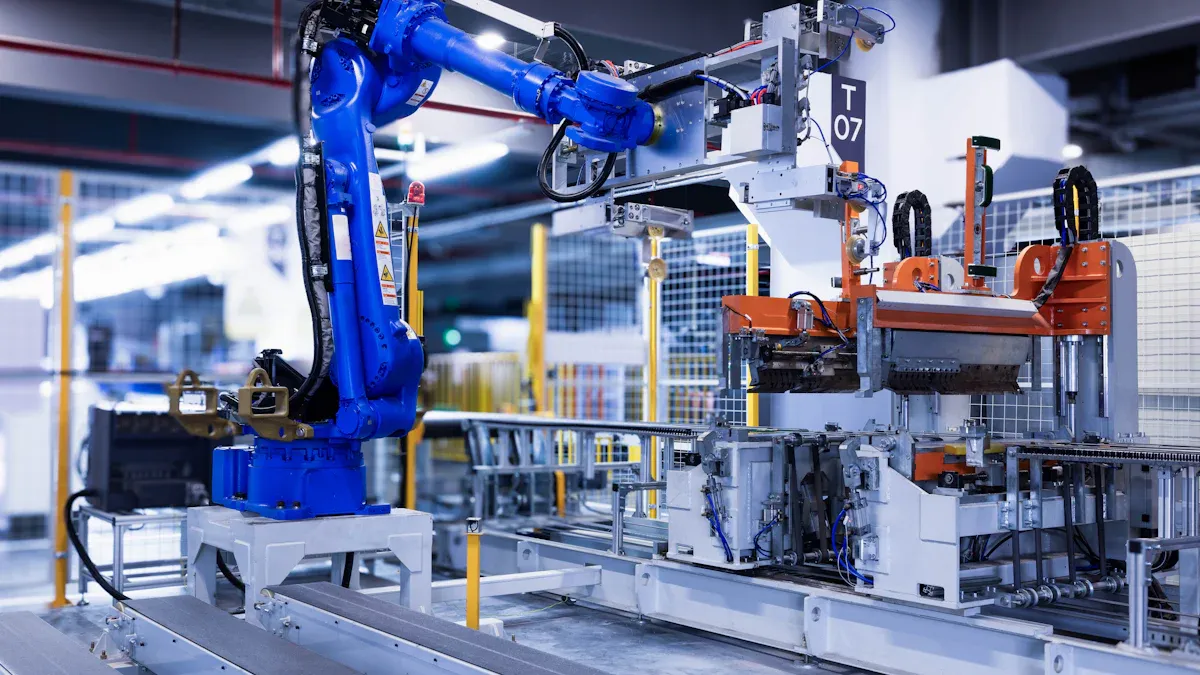
Recent advancements in electroplating technology have significantly improved efficiency and product quality. These innovations are shaping the future of electroplating and its applications across various industries. Here are some notable developments:
Chem-film: This surface treatment for aerospace metals enhances durability and performance. It creates a protective layer that reduces corrosion, making it ideal for high-stress environments.
Clear Zinc Technology: This method utilizes zinc particles and chromate compounds. It enhances corrosion resistance by forming a protective barrier on metal surfaces.
Cadmium Plating: This traditional method remains relevant. It effectively protects equipment from wear and tear, showcasing its enduring importance in manufacturing.
Moreover, the transition to switch-mode rectifiers has transformed electroplating processes. These rectifiers provide a cleaner direct current (DC) output. This improvement reduces electrical ripple, which enhances plating quality. Reduced ripple minimizes issues like poor adhesion and delamination. Such advancements are crucial for high-specification sectors, including aerospace and automotive.
Implications for Technology
The implications of these innovations extend beyond electroplating itself. They influence various emerging technologies. For instance, the development of sustainable chemistry is leading to cyanide-free alternatives for electroplating. This shift enhances safety and reduces environmental impact.
Additionally, advancements in nanotechnology are noteworthy. Electrochemical deposition (ECD) is becoming a vital technique in atomic-level manufacturing. It allows for precise control over material properties at the atomic scale. This capability is essential for advancements in semiconductors, quantum computing, and nanomedicine. However, challenges remain, such as controlling atom-ion interactions and surface defects.
The integration of digital process control is another significant trend. Real-time monitoring and optimization of electroplating processes improve efficiency and product quality. This technology leads the future by ensuring that electroplating impacts technology in a positive way.
Electroplating Technology Affects the Direction of Future Scientific and Technological Development
Impact on Electronics
Electroplating technology plays a vital role in the electronics industry. It enhances the performance and durability of electronic components through several key benefits:
Corrosion Resistance: Electroplating improves corrosion resistance, protecting electronic components from degradation. This is essential for maintaining the longevity of devices.
Electrical Conductivity: The process enhances electrical conductivity, ensuring efficient current flow in electronic applications. For example, copper electroplating is crucial for printed circuit boards (PCBs) and connectors, where minimizing energy loss is vital.
Wear Resistance: Electroplating increases wear resistance, prolonging the life of components under mechanical stress.
Common metals used in electroplating for electronics include:
Gold: Offers exceptional corrosion resistance and stable electrical conductivity.
Silver: Provides the highest electrical conductivity, minimizing signal loss.
Nickel: Known for its corrosion resistance and mechanical robustness.
The projected trends indicate that the electroplating technology market will grow significantly over the next decade. A compound annual growth rate (CAGR) of 8.1% is expected from 2026 to 2033. This growth is driven by advancements in electronics, renewable energy applications, and demand for compact products.
Influence on Automotive
In the automotive sector, electroplating technology enhances both performance and aesthetics. It is the largest market for electroplating, driven by the need for durable and visually appealing vehicle components. Here are some key impacts:
Corrosion Resistance: Electroplating enhances the corrosion resistance of vehicle components, ensuring they withstand harsh environmental conditions.
Aesthetic Appeal: It provides a visually appealing finish to automotive parts, which is crucial for consumer satisfaction.
Common applications include:
Production of chrome bumpers.
Creation of various metal components.
Customization of parts for prototype vehicles.
The cost savings and performance benefits of electroplating in automotive production are notable. The following table summarizes these advantages:
Method | Cost Savings | Performance Benefits |
|---|---|---|
Reduces precious metal usage | Maintains product performance features | |
Pre-Plating | Decreases manual handling | Achieves uniform results and faster speeds |
Reel-to-Reel System | Optimizes material consumption | Ensures compliance with industry standards |
As the automotive industry evolves, especially with the rise of electric vehicles, electroplating technology will continue to influence design and manufacturing processes.
Role in Aerospace
Electroplating technology is crucial in aerospace engineering. It enhances the mechanical properties of lightweight materials, enabling them to meet the rigorous demands of this industry. Here are some significant contributions:
Improved Mechanical Properties: Electroplating creates a structural metal skin over lightweight resin cores. This leads to enhanced bending and tensile strength, essential for high-performance aerospace components.
Durability: The coatings provided by electroplating improve resistance to wear and heat. This ensures that parts can withstand extreme conditions encountered during flight, maintaining their integrity and performance.
Quality control is critical in aerospace. All processes must adhere to strict standards such as AMS and NADCAP. This ensures that the coatings applied not only enhance material properties but also meet the highest industry requirements.
Environmental Sustainability in Electroplating
Eco-Friendly Practices
The electroplating industry is increasingly adopting eco-friendly practices to minimize environmental impact. These practices focus on reducing waste and improving efficiency. Here are some effective strategies currently implemented:
Waste Reduction Strategies: Better rinse water control and smarter metal recovery can significantly reduce waste. Closed-loop rinse systems can cut wastewater discharge by up to 75%.
Metal Recovery: Systems like ion exchange and membrane filtration help recover valuable metals from rinse streams. This reduces raw material costs and hazardous waste.
Design Optimization: CAD-optimized rack and fixture designs can decrease metal waste by around 15%, improving efficiency without altering chemistry.
These practices not only enhance sustainability but also improve the overall quality of metal finishing processes.
Future Developments
The future of sustainable electroplating looks promising. Innovations are emerging to further minimize waste and emissions. For instance, advanced electroplating technologies, such as trivalent chromium processes, achieve energy savings of 30-40% while minimizing waste through closed-loop systems.
Innovation Type | Description | Environmental Benefits |
|---|---|---|
Chrome-Free Surface Treatments | Zinc-nickel coatings eliminate hexavalent chromium. | Reduces VOC emissions by up to 80%. |
Chromium Recovery Systems | Technologies for recycling chromium from waste streams. | Reduces raw material consumption and hazardous waste. |
Advanced Coating Technologies | Use of ceramic materials or physical vapor deposition. | Eliminates toxic chemical usage and liquid waste. |
These advancements demonstrate how sustainable electroplating practices can enhance industry competitiveness and reputation. Companies adopting these methods align with regulatory compliance and improve their sustainability profile. As technology leads the future, the integration of eco-friendly practices will ensure that electroplating impacts technology positively, paving the way for a greener industry.
Electroplating technology plays a crucial role in shaping future scientific advancements. It enhances various industries, including automotive, electronics, and aerospace. The benefits of electroplating are clear:
Industry | Benefits of Electroplating |
|---|---|
Automotive | Corrosion-resistant parts, improved durability, aesthetic appeal |
Electronics | Conductive coatings for circuit boards, enhanced device performance |
Aerospace | Reliability in components, lightweight materials |
Jewelry | Premium finishes like gold, silver, and platinum |
However, challenges exist. Stringent environmental regulations require significant investments in cleaner technologies. The high initial capital for advanced facilities can deter smaller companies. Despite these hurdles, electroplating impacts technology and drives innovation. As industries evolve, technology leads the future, ensuring that electroplating remains vital for progress.
FAQ
What is electroplating?
Electroplating is a process that deposits a layer of metal onto a surface. It enhances properties like durability and corrosion resistance, making materials more effective in various applications.
How does electroplating impact technology?
Electroplating impacts technology by improving the performance and longevity of components in industries like electronics, automotive, and aerospace. This process ensures that products meet high standards.
What are the environmental concerns with electroplating?
Electroplating can produce hazardous waste and emissions. However, the industry is adopting eco-friendly practices to minimize these impacts, ensuring that technology leads the future sustainably.
What innovations are shaping the future of electroplating?
Recent innovations include cyanide-free alternatives and advanced digital controls. These developments enhance efficiency and safety, demonstrating how electroplating impacts technology positively.
Why is electroplating important for the automotive industry?
Electroplating provides corrosion resistance and aesthetic appeal to automotive parts. This technology leads the future by ensuring vehicles are both durable and visually appealing.
See Also
Innovative Die-Free Plating Speeds Up Prototyping Process
Tool-Free Selective Plating Boosts US Tech Manufacturing Efficiency
Roll-to-Roll Etching: Key Benefits for Future Electronics
Game-Changing Moldless Plating Technology for AI Chip Production
Selective Electroplating Enhances Quality of Lead Frames Significantly