
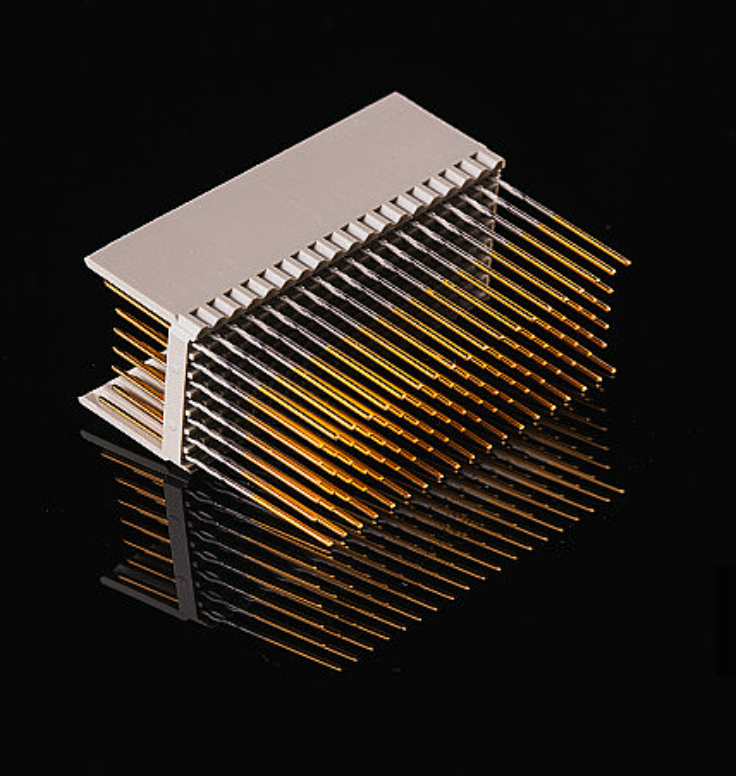
Metal fabrication is very important in today’s manufacturing, particularly in the applications of metal products. It transforms raw materials into key parts for many products. Different methods, like laser cutting, welding, and press braking, help makers create precise and durable items. Understanding these methods allows you to see how they are utilized in fields such as automotive, aerospace, and construction. Each area relies on the applications of metal products to enhance functionality and foster innovation.
Key Takeaways
Metal fabrication changes raw materials into important parts for many industries. This helps improve efficiency and new ideas.
Welding is very important for making strong connections in cars and buildings. It helps keep products safe and long-lasting.
Machining shapes metal into exact parts. This is important for high-quality uses in airplanes and medical devices.
Forming techniques help makers create detailed shapes from metal sheets. This speeds up production and makes products stronger.
Advanced methods like laser and plasma cutting make things more precise and cut down on waste. This leads to better quality in metal products.
Metal Fabrication Overview
Metal fabrication means making items from different parts. It uses processes like stamping, welding, cutting, bending, and assembling. This process is very important. It helps manufacturers create parts for engines, machines, tools, and appliances. Instead of just putting together pre-made parts, you can make finished products from semi-finished or raw materials. This ability improves efficiency and sparks innovation in manufacturing.
Knowing about metal fabrication processes is important for anyone in manufacturing. These processes let you change raw materials into useful products that meet specific needs. For example, in the automotive industry, metal fabrication is key for making parts that help vehicles run safely and well. In construction, structural metal fabrication gives the needed parts for buildings and infrastructure.
Common materials used in metal fabrication include:
Steel: Strong and versatile, steel is used in many applications.
Aluminum: Light and resistant to rust, aluminum is great for many consumer products.
Brass: This mix of copper and zinc is often used for decorative items and plumbing fittings.
Copper: Known for its ability to conduct electricity, copper is vital in electrical applications.
Alloys: Different metal combinations create alloys that improve specific properties for special uses.
The metal fabrication market depends a lot on these materials. They are crucial for making standard or custom products in many industries, like construction, automotive, aerospace, energy, and heavy machinery. By learning about these materials and processes, you can see how important metal fabrication is in modern manufacturing.
Key Metal Fabrication Processes
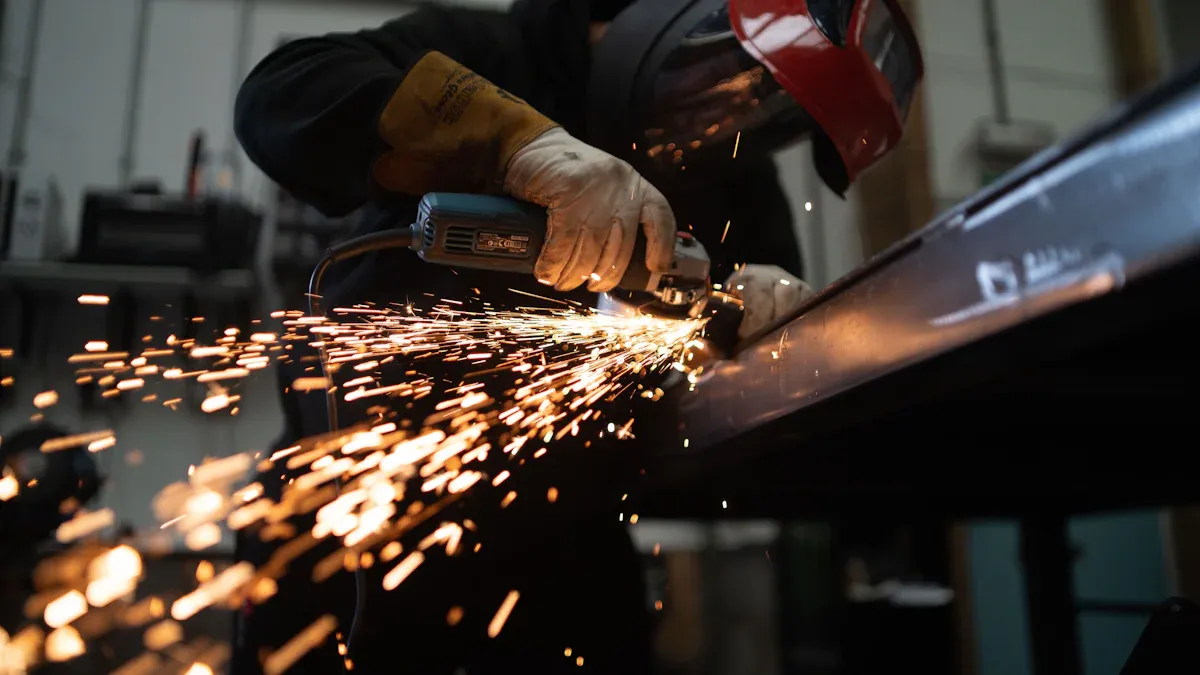
Metal fabrication includes important steps that change raw materials into finished products. One of these steps is welding. It helps you connect metals together, making strong and lasting bonds. Knowing different welding methods can help you see how they are used in various industries.
Welding Techniques
Welding methods differ based on the materials and what you want to achieve. Here are some common types:
Welding Technique | Advantages | Applications |
|---|---|---|
MIG Welding | Strong and lasting bond, great for thin materials | Automotive, aerospace, custom metal parts |
TIG Welding | High-quality, nice-looking welds | Food and beverage industry, custom fabrication |
Stick Welding | Strong bond outdoors | Construction, pipeline work, heavy machinery repair |
Each method has its own benefits. For instance, MIG welding is popular in the automotive field because it is fast and efficient. Meanwhile, TIG welding is chosen for jobs that need precision and a clean look.
Applications in Automotive
In the automotive industry, welding is very important for keeping vehicles safe and strong. Here’s how welding helps:
Welding keeps vehicles strong by joining key parts like the chassis, body panels, and frame.
These connections are important for a vehicle’s build, helping it handle everyday pressures and vibrations.
Good welds improve crash safety, making sure vehicles work well in crashes by spreading out energy and protecting passengers.
The automotive sector depends on metal fabrication to make parts that follow safety rules and performance needs. Without good welding methods, vehicles would not be reliable.
Applications in Construction
Welding is also very important in construction. It helps create strong frameworks and buildings. Here are some common metals used in construction and their benefits:
Steel: Strong and affordable, used in skyscrapers, bridges, and factories.
Aluminum: Light and rust-proof, great for roofs, window frames, and outdoor uses.
Copper: Very conductive and tough, often used in electrical wiring and plumbing.
Structural metal fabrication uses welding to put these materials together into buildings and infrastructure. The strength of welded joints makes sure that structures can hold heavy weights and resist environmental challenges.
Basic Steps in the Metal Fabrication Process
Knowing the basic steps in the metal fabrication process can help you understand how these methods work together. Here’s a summary of the main steps involved:
Step Number | Step Description |
|---|---|
1 | Material inspection |
2 | Defined processes |
3 | Welding inspection |
4 | Performance and tolerance tests |
5 | Record keeping |
6 | Delivery and Transportation |
These steps make sure that the final products meet quality standards and work as expected. Each part of the metal fabrication process is important for getting the right results.
By learning about these key metal fabrication processes, you can see their importance in many fields, from automotive to construction. The ability to join, shape, and assemble metals leads to new ideas and efficiency in manufacturing.
Machining in Metal Fabrication
Machining is very important in metal fabrication. It means taking away material from a solid block to make exact parts. This method is different from other ways of making things, which usually start with sheets or rolls of metal. Machining is best for making detailed solid pieces, while metal fabrication often makes simpler hollow shapes.
Types of Machining
There are many machining processes, and each has its own purpose. Here are the main types:
CNC Machining: This uses computer-controlled machines for high accuracy.
Milling: Rotary cutters remove extra material to create flat surfaces or complex shapes.
Drilling: This makes holes in materials using a rotating bit.
Grinding: It creates tight tolerances and smooth finishes.
Electrical Discharge Machining (EDM): This uses electrical sparks to take away material.
Waterjet Cutting: High-pressure water jets cut through materials without heat.
Each method helps improve the efficiency and accuracy of the metal fabrication industry.
Aerospace Applications
In aerospace, machining is key for making parts that need high precision. Manufacturers must ensure their CNC machines meet strict accuracy and repeatability standards. Aerospace parts often need tolerances within ±0.0005 inches. They also need surface finishes that follow strict rules.
Requirement Type | Specification |
|---|---|
±0.0002 in (±5 µm) | |
Roundness and Flatness | Below 0.0004 in (10 µm) |
Surface Finish | Ra ≤ 16 µin (0.4 µm) |
Sealing/Bearing Surfaces | Ra ≤ 8 µin (0.2 µm) |
These precise needs make sure parts fit well and work reliably. They also improve how well parts move through the air and cut down on rework, saving time and money.
Medical Device Applications
Machining is also very important in making medical devices. Here’s how it helps:
Precision in Surgical Instruments: CNC machining makes surgical tools with exact precision, which is vital for safety and function.
Customization for Implants: The ability to customize implants using CNC machining is key for making patient-specific solutions, especially in orthopedic cases.
Regulatory Compliance: Medical device machining must follow strict rules, including documentation and traceability, to ensure all parts meet safety and performance standards.
By learning about these applications, you can see how machining improves the quality and reliability of products in both aerospace and medical fields.
Forming Techniques
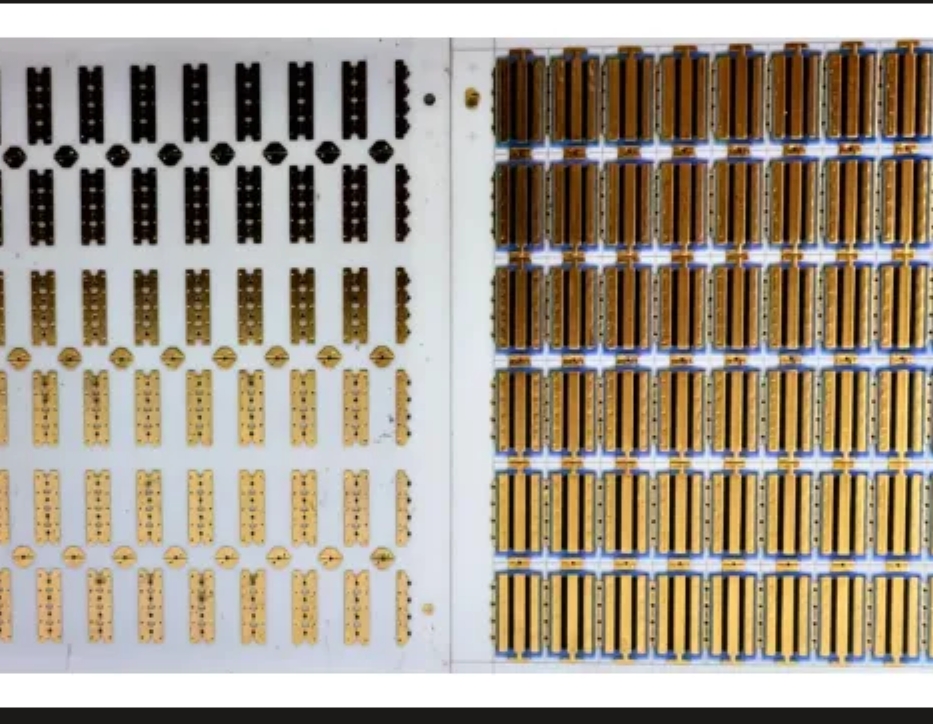
Forming techniques are very important in metal fabrication. These methods shape metal into the forms you want without cutting it. There are many forming techniques, and each one has its own uses. Here are some common types:
Technique | Description | Typical Applications |
|---|---|---|
Shearing | Cutting metal sheets with a machine or tool. | Trimming edges of metal sheets and making long cuts. |
Stamping | Making shapes or images in metal sheets without cutting through. | Coins, vehicle panels, appliances, and medical devices. |
Casting | Pouring hot metal into a mold to create complex shapes. | Assembly parts, intricate designs, and various metals like steel and copper. |
Metal Rolling | Making metal thinner by pressing it between rotating cylinders. | Producing sheet metal, I-beams, pipes, and rods. |
Metal Extrusion | Pushing heated metal through a die to create long pieces. | Window frames, pipes, tubes, and custom shapes. |
Metal Forging | Shaping metal using pressure between dies. | Engine parts, large bearings, and cutting tools. |
Metal Drawing | Pulling sheet metal through a die to stretch it into detailed parts. | Automotive bodies, aircraft fuselages, and medical equipment. |
Metal Stamping | Pressing sheet metal between dies to make many parts at once. | Vehicle panels, electronics cases, and flat shims. |
Consumer Product Applications
Forming techniques are key for making consumer products. They help manufacturers create items like appliances and electronics quickly. Here are some specific uses:
Technique | Application in Consumer Products |
|---|---|
Injection Molding | Used to create complex shapes in appliances and electronics. |
Sheet Metal Fabrication | Important for making parts like appliance casings and car panels. |
Casting | Used to make strong parts in electronics and appliances. |
You can also find methods like die casting and sand casting in consumer products. Die casting makes precise and strong parts for cars and electronics. Sand casting works well for larger pieces, making it good for many uses, including art and buildings.
Heavy Machinery Applications
In heavy machinery, forming techniques make sure parts are precise and strong. These techniques have several important roles:
Role of Metal Forming Techniques | Description |
|---|---|
Precision and Accuracy | Ensures consistent sizes and tight tolerances for high-quality products. |
Cost Reduction | Reduces waste and scrap, improving material use and lowering costs. |
Allows quick production changes to meet market needs. |
By using forming techniques, manufacturers can create strong parts for heavy machinery. These parts often need to be very strong and reliable to work well under tough conditions.
Advanced Fabrication Techniques
Advanced fabrication techniques are very important in today’s manufacturing. They improve precision, efficiency, and the quality of products. Two key methods are laser cutting and plasma cutting.
Laser Cutting
Laser cutting uses focused light beams to cut materials. This method has many benefits:
High Precision: Laser cutting makes clean and accurate cuts. It is great for detailed designs.
Minimal Material Waste: The narrow cutting width means less waste. This helps you use materials better.
Versatility: You can use laser cutting on many materials, like metals, plastics, and wood.
Using CNC technology with laser cutting boosts precision and productivity. This helps you create complex shapes quickly and easily.
Plasma Cutting
Plasma cutting is another advanced method. It uses high-temperature plasma to cut through metals. Here are some main benefits:
Advantage | Description |
|---|---|
Plasma cutting makes accurate cuts that are clean and sharp. This reduces jagged edges and mistakes. This is important for detailed work. | |
Lower Operation Costs | Plasma cutting is faster and uses less energy than oxy-fuel. This lowers labor costs and increases output. |
Versatility Across Metals | Plasma cutting can cut many metals, like stainless steel and aluminum. This makes it good for different projects. |
These benefits make plasma cutting a popular choice in industries that need high-quality metal fabrication.
Custom Fabrication Applications
Custom fabrication lets you create unique products for specific needs. This process often uses different techniques, like laser and plasma cutting. The flexibility of custom fabrication has many advantages:
Improved Product Quality: Advanced techniques boost precision and efficiency. This leads to more reliable and affordable products.
Smarter Resource Management: Automation helps workers focus on new projects, making better use of resources.
Reduced Production Timelines: Flexibility in planning allows faster responses to market needs, shortening production times.
By using these advanced fabrication techniques, you can greatly improve your manufacturing skills and stay competitive in the market.
Metal fabrication is very important in today’s manufacturing. Here are the main processes you learned about:
Welding: Connects metal parts for strength and lasting use.
Machining: Shapes metal accurately for special designs.
Forming: Changes flat sheets into detailed shapes.
Advanced Techniques: Includes laser and plasma cutting for better efficiency.
These processes greatly affect many industries, like automotive and aerospace. They make sure that everyday products are useful, attractive, and strong. As you think about the new ideas in metal fabrication, remember how these methods improve the quality of items you use every day. Using these advancements can create exciting chances in manufacturing and engineering.
FAQ
What are the main uses of metal products in manufacturing?
Metal products are used in many industries. These include automotive, aerospace, construction, and medical devices. Each area depends on metal fabrication to make parts that improve safety and function.
How does welding help with metal products?
Welding joins metal parts together. This makes strong and lasting connections. It is very important in fields like automotive and construction, where safety and strength are key.
What does machining do in metal fabrication?
Machining shapes metal into exact parts. It helps manufacturers make detailed pieces for industries like aerospace and medical devices, where being accurate is very important.
Why are forming techniques needed in metal fabrication?
Forming techniques shape metal without cutting it. These methods are important for making consumer products and parts for heavy machinery. They ensure strength and efficiency in manufacturing.
How do advanced fabrication techniques make metal products better?
Advanced methods like laser and plasma cutting improve precision and cut down on waste. They help create complex designs, which raises the overall quality of metal products in many uses.
See Also
Enhancing Electronics With Precision Metal Strip Materials
Exploring Roll-to-Roll Etching Benefits For Future Electronics
Accelerating Prototyping With Die-Free Selective Plating Innovations
Metal Etching in KSA: Key for Sensor Component Production
Continuous Metal Etching in Vietnam for OEM Assembly Solutions