
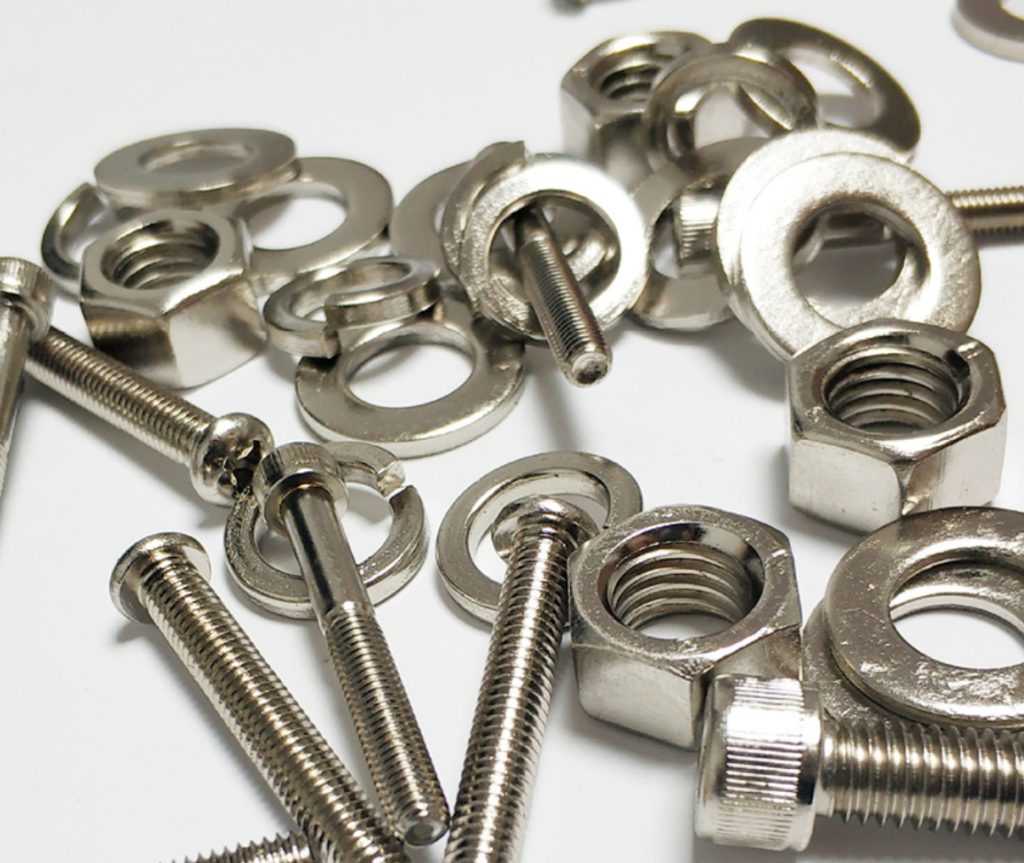
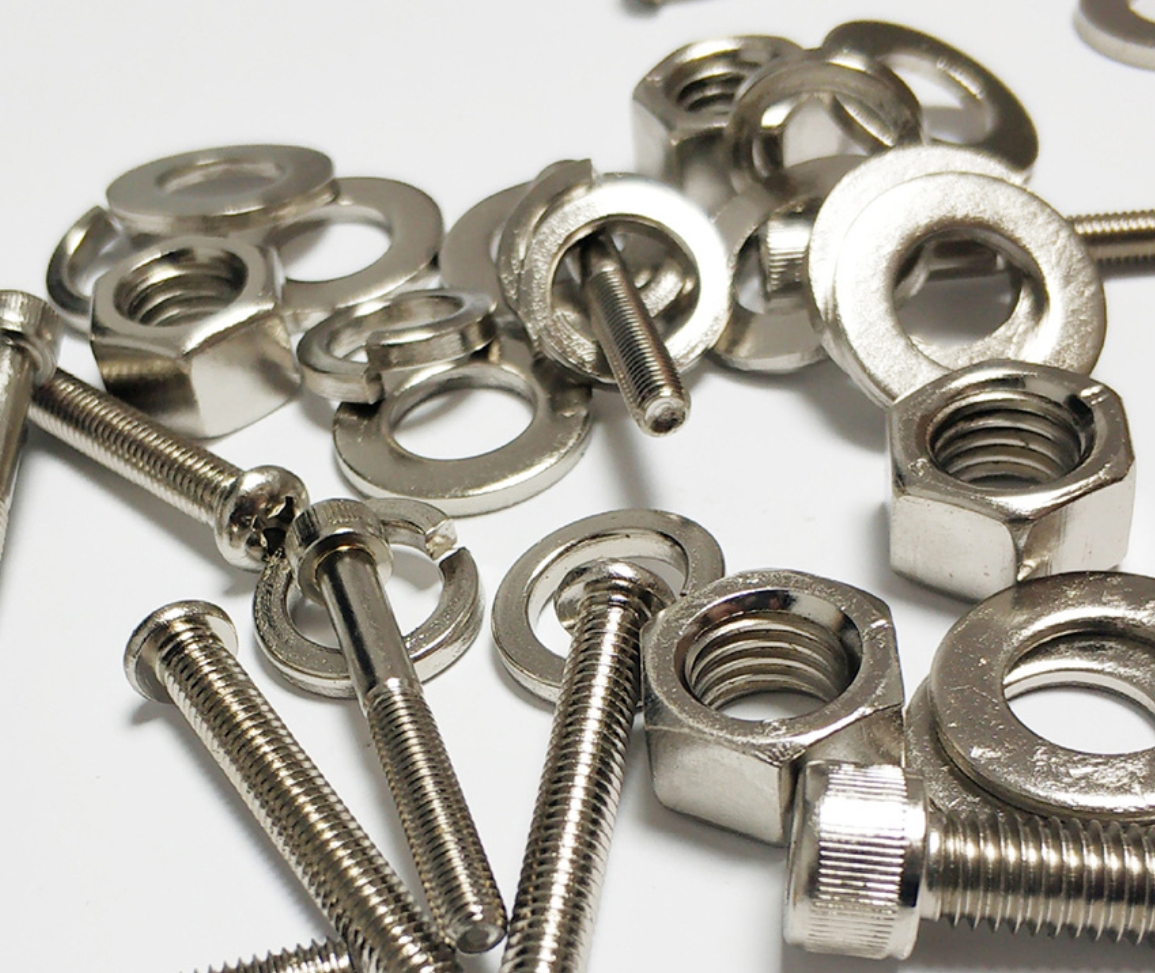
Electroplating is a special process that uses electricity to put a thin layer of metal onto a surface that conducts electricity. This makes the surface better by stopping rust, making things look nicer, or helping them conduct electricity. Because of these benefits, the Fields Involved in Electroplating are vast and essential to modern manufacturing. Many industries use this method, as this way of putting metal on things has many uses.
Key Industry Sector | Function & Primary Application |
|---|---|
Automotive | Stops rust. Makes car parts last longer. |
Aerospace & Defense | Makes parts strong. Protects them in tough flights. |
Electronics | Helps electricity flow well. Makes electronics work. |
Industrial Equipment | Makes machines last longer. Helps them work better. |
The wide range of Fields Involved in Electroplating shows how important this process is everywhere.
Key Takeaways
Electroplating uses power. It covers things with a thin metal layer.
Cleaning the surface well helps the new metal stick. It sticks on tight.
Special metals stop rust. They make electricity flow better in new gadgets.
Important businesses use electroplating. It makes daily items last more.
What is Electroplating?
Definition of Electroplating
You use electroplating to put a thin metal layer. It goes on a surface that conducts electricity. This is a surface treatment. It is also an electrodeposition process. You control electricity. It coats an object. The coating is thin. It is dense. It is uniform. It sticks well. You can use metal. Or you can use an alloy. This entire process makes surfaces better. This method of electroplating is very precise.
The Electrochemical Principle
Electroplating works. It uses electrochemistry. You apply an electric current. This current causes chemical reactions. Metal ions move. They go through a solution. They get electrons. This happens at the object you coat. This turns them into solid metal. This principle is key. It is for the electroplating process. It makes sure the metal layer forms right. Knowing this helps you master electroplating.
Key Components of Electroplating
The electroplating process needs four main parts. You need an anode. You need a cathode. You need an electrolyte solution. You need an electrical current. The anode is the source. It gives the metal you want to deposit. It often dissolves. It goes into the solution. The cathode is the object. You are coating it. It gets the metal layer. The electrolyte solution carries the metal ions. It lets them move. They go from the anode to the cathode. The electrical current gives energy. It makes the metal dissolve. It comes from the anode. It deposits onto the cathode. This entire process is controlled electrodeposition. You do electroplating with these parts. Each part is important. It helps with good electroplating.
The Electroplating Process
You know the basics of electroplating. Let’s look at the steps. This process makes a good metal coating. Each step is key to success.
Surface Preparation
You must get the surface ready. Do this before any electroplating process. This step is very important. If you skip it, the coating won’t stick. The surface needs to be clean. No oils, dirt, or rust.
You use different ways to clean the surface:
Direct Cleaning (Cathodic): The part is the negative side. This makes much hydrogen gas. This gas cleans the surface well. But, it can harm strong steel. It can cause hydrogen embrittlement.
Reverse Cleaning (Anodic): The part is the positive side. This releases oxygen gas. Oxygen helps remove small metal bits. It also stops smut from forming. This works great for steel.
You also need to activate the surface. This removes thin rust layers. These layers can stop the new metal from sticking.
Chemical Activation (Immersion): Dip parts in weak acid. Use 5-15% HCl or H₂SO₄. You might use HF for metals with silicon. Citric acid also works. Leave it for seconds to a minute. This takes off light rust.
Electrochemical Activation (Anodic): Make the part an anode. Use direct current in a bath. This strips tough rust layers. This helps things stick well. Like in hard chromium plating.
Physical & Special Activation:
Sandblasting/Grinding: Rub the surface. This removes rust. It also makes the surface bigger.
Ultrasonic-Assisted Activation: Use acid baths with sound waves. These waves make tiny bubbles. They clean small holes.
Pre-plating/Immersion Plating: Use chemical changes. For example, put nickel on steel. Or use zincate on aluminum. This adds a thin, sticky layer.
Here is a list of common cleaning methods:
Method Category | Pretreatment Method | Key Mechanism / Chemical Base | Typical Applications |
|---|---|---|---|
Cleaning | Soak Cleaning (Light Duty) | Wetting agents, buffering salts, dispersants | Removing light soils from steel, aluminum, copper, and zinc castings |
Cleaning | Soak Cleaning (Heavy Duty) | Alkaline builders, silicates, and sequestering agents | Eliminating heavy oils, grease, and drawing compounds |
Cleaning | Electrolytic Cleaning | DC electric current in alkaline solutions | Dual-purpose surface cleaning and surface activation |
Cleaning | Abrasive Blasting | Pressurized abrasive media (steel shot/grit) | Stripping contaminants and mechanical surface polishing |
Cleaning | Ultrasonic Washing | High-frequency soundwaves generating cavitation bubbles | High-precision cleaning for deep holes and micro-crevices |
Cleaning | Spray Cleaning | Thermal, mechanical, and chemical spray energy | Large metal surfaces requiring mild alkaline cleaning |
Cleaning | Pickling | Immersion in hydrochloric acid (pickle liquor) | Removing rust, scale, and inorganic soils from metals |
Activation | Advanced Physical Methods | Plasma treatment and UV radiation | Specialized surface activation prior to plating |
The Electroplating Setup
You need a special setup. This is for the electroplating process. You use four main parts. These are an anode, a cathode, a liquid, and electricity.
Anode: This gives the metal. It connects to the positive wire. It often melts into the liquid.
Cathode: This is the item you coat. It connects to the negative wire. The metal will stick to it.
Electrolyte Solution: This liquid has metal ions. These ions are from the metal you plate. The liquid moves ions. They go from the anode to the cathode.
Electrical Current: A power supply gives this. It makes the chemicals react. It makes the metal melt. It also puts metal on the cathode.
Place the anode and cathode carefully. Put them in the liquid. Make sure they do not touch. Then, turn on the power. This starts the process.
Metal Deposition
Metal deposition is the main part. It is the core of the electroplating process. When you turn on the power, things happen.
Anode Reaction: At the anode, metal atoms lose tiny parts. They become charged ions. These ions go into the liquid.
Ion Movement: The charged metal ions move. They go towards the cathode. The cathode pulls them.
Cathode Reaction: At the cathode, these metal ions gain tiny parts. They turn back into metal atoms. These atoms stick to your item. They form a thin, smooth layer.
You control the power. You control the voltage and time. This helps you control the thickness. It also controls the quality of the metal. This careful control makes electroplating work well.
Post-Plating Steps
The electroplating process is not done. Not after the metal sticks. You need to do more steps. These steps make the coating strong and clean.
First, rinse the item. Wash off any liquid left. This stops stains or rust. You might use many rinse tanks. Some use clean water. Others use special liquids.
Next, dry the item. You can air dry it. Or use warm air. Good drying stops water spots. It also keeps the new coating safe.
Last, you might do more things. Like polishing or adding a clear coat. These make the item look better. Or they protect it more.
You also need to handle dirty water. Rules control how to get rid of water. This is from electroplating places.
RCRA Waste Code | Waste Stream Source Description |
|---|---|
F006 | Treatment sludges derived from plating wastewater and spent bath solutions |
F007 | Spent plating bath solutions containing cyanides |
F008 | Plating bath bottom residues containing cyanides |
F009 | Spent cleaning and stripping bath solutions utilizing cyanides |
F019 | Sludges from chemical conversion coating applied to aluminum |
Local water plants have rules. They set limits on water you send out. For example, city rules limit metal amounts. They also set strict pH levels. Pinellas County allows pH from 5.5 to 11.0.
You must follow these rules:
Statutory Framework (40 CFR Part 413 & 433): The EPA limits dirty water. Places before July 15, 1983, follow Part 413. Newer places follow Part 433.
Volumetric Discharging Limits: Places that make much water daily. They face strict limits. These limits are for cyanide and metals. This includes cadmium, lead, copper, nickel, chromium, zinc, and silver. Smaller places control lead, cadmium, and cyanide.
Upcoming PFAS Rules: The EPA is making new rules. These rules will limit PFAS. PFAS are chemicals. They stop bad fumes. These fumes come from chromium plating.
Metals for Electroplating
You pick different metals. This is for electroplating. It depends on what you need. Each metal has good points. This makes the electroplating process flexible.
Common Plating Metals
Many metals are common. They are good for electroplating. Nickel and chromium are popular. You might use nickel. It looks warm. It can be yellowish or silvery. It feels smooth and soft. Nickel also stops rust well. Its electrical flow is lower. It is 1.4 to 2.8 × 10^6 S/m. This is for normal types. Special nickel-boron can reach 4.5 × 10^6 S/m.
Chromium plating looks bright. It is bluish-white. It shines like a mirror. It feels hard and slick. Chromium is very hard. It is 65–70 HRC. Nickel is 40–60 HRC. Chromium plating also conducts electricity better. It is 7.6 to 12.8 × 10^6 S/m. You can remove nickel plating easier. This is if you need to fix it. Chromium plating is harder to replate. Nickel usually costs less.
Alloy Plating
Sometimes, you need more than one metal. You can mix metals. This makes alloys. Alloy plating gives special features. Single metals cannot do this. This makes the electroplating process better. It helps with certain needs.
Alloy Combination | Specific Benefits |
|---|---|
Zinc-Nickel | Stops rust very well. Good for airplane parts. Looks like stainless steel. |
Palladium-Nickel | A good choice instead of gold. Makes coating stronger. Stops cracks. Handles heat better. |
Palladium-Cobalt | Saves money. It replaces gold. Makes coating harder. Helps control thickness in electronics. |
Nickel-Phosphorous | Makes the base metal resist rust better. |
Nickel-Boron | Makes parts last longer. It resists wear. |
These alloys help you. You get the exact performance you need.
Specialized Coatings
For high-tech uses, you need special coatings. Gold plating is one example. It is great for electronics. It is good for joining parts. You use it for wire bonding. You use it for soldering. Gold is also perfect for electrical contacts. This includes pins and terminals. It includes electrodes. They stop rust.
You also find gold in heat systems. It is in light systems. It reflects infrared light. It blocks heat for quantum computing. Medical devices use soft gold. It is safe for the body. These special coatings show. Electroplating is important. It helps advanced technology.
Benefits of Electroplating
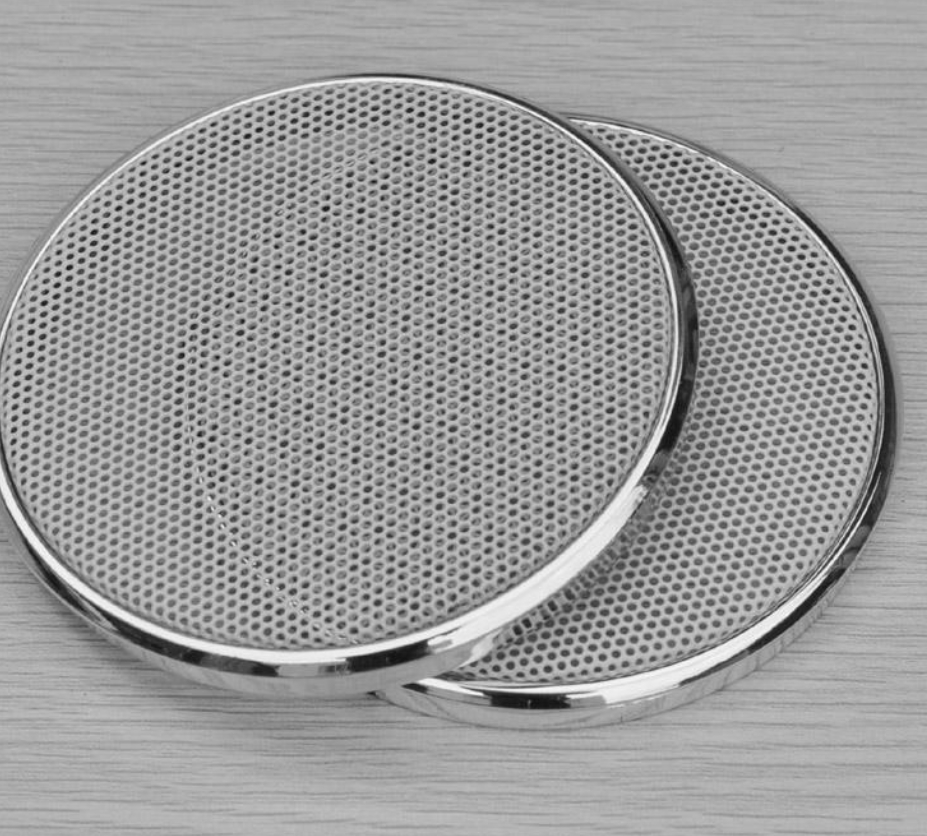
Electroplating has many good points. It makes products work better. It makes them last longer. This makes electroplating very useful.
Corrosion Prevention
Electroplating stops metal from rusting. It builds a strong wall. This wall keeps out air and water. It stops other bad things. These things cannot reach the metal. You can test how well it stops rust. For example, you spray salt on it. You see how long it takes to rust. You also look for tiny holes. These holes can let rust in.
Think about how electroplating stops rust:
Corrosion Mechanism | Primary Function | Key Characteristics |
|---|---|---|
Passive Barrier Protection | Blocks physical exposure | Creates an impermeable layer preventing oxygen, water, and ions from reaching the substrate. |
Sacrificial (Cathodic) Protection | Galvanic preferential oxidation | Uses a coating metal (like zinc) that corrodes prior to the substrate at a reduced rate. |
Electrochemical Barrier Protection | Prevents charge transfer | Inhibits the movement of electrochemical charges between corrosive solutions and the metal substrate. |
This protection makes parts last much longer.
Wear Resistance
Electroplating makes surfaces harder. It stops them from wearing out. This is good for parts that rub. You can test how well it resists wear. For example, ASTM B488 checks gold plating. It looks at hardness. This shows how well it resists wear. Cross-sectioning and microhardness testing also show how strong the coating is. This helps find any problems from the electroplating process.
Aesthetic Enhancement
You can make things look nicer. Use electroplating for this. It gives a shiny finish. You can pick different colors. You can pick different textures. This makes products look better. Think about jewelry. Think about car parts. Electroplating makes them look high-quality.
Functional Improvements
Electroplating does more. It protects things. It makes them look good. It also adds many helpful features.
Functional Property | Enhancement Details | Primary Applications |
|---|---|---|
Electrical Conductivity | Materials like gold, silver, and copper boost electrical flow. | Circuit boards, electronic parts, and connectors |
Solderability | Tin and lead-tin alloy coatings make soldering simpler and more reliable. | Circuit board and electronic assembly manufacturing |
Friction Reduction | Nickel-phosphorus coatings lower the surface friction coefficient. | Mechanical assemblies and moving components |
You can control electricity. You can make parts less sticky. The electroplating process can make parts stronger. These many good things make electroplating important. It is used for many things.
Fields and Applications of Electroplating
You find electroplating in many places. It makes products better. The fields are diverse. They go from small electronics. They go to big machines. This method makes things stronger. It makes them more reliable. It makes them look better.
Automotive Industry
Cars use electroplating a lot. It keeps car parts from rusting. It makes them last longer. For example, bumpers get a shiny coat. Engine parts get plating too. This stops wear. It makes cars last longer.
Electronics Sector
Electronics also use electroplating. It makes electrical connections good. Signals flow well. High-tech devices need exact control. Plating connectors needs careful work. This stops uneven thickness. It stops dirt. Makers must follow MIL-G-45204. This ensures good contact.
Plating Material / Layer | Key Functional Role | Target Application Requirement |
|---|---|---|
Gold | Stops rust. Makes signals last long. | For strong connectors. Needs exact thickness. |
Silver | Best for moving electricity. | For key signal paths. In controlled places. |
Nickel (Underplate) | Helps with soldering. Stops rust. | Used under gold. Avoid if magnets are an issue. |
Tri-M3 (Tri-Alloy) | Blocks magnets. Solders well. | For sensitive devices. No magnetic issues. |
Copper (Underplate) | Helps layers stick. Costs less. | For cheap high-frequency parts. Needs top layer. |
Some connectors have odd shapes. Like inside threads. You use SBE plating. This stirs the liquid. It plates all areas evenly. Even hard-to-reach spots. These fields are key. They make modern electronics work. This makes devices perform well.
Jewelry and Decorative Items
Electroplating makes jewelry pretty. It makes other items look good. It gives a fancy finish. It also makes them last. For looks, these fields use:
Chrome Plating: This includes black chrome.
Nickel Plating: This gives satin looks.
Precious Metal Plating: This means gold, silver, rhodium.
These methods go on consumer goods. They go on fancy home items. They go on car insides. They make things look good. They make them last longer.
Industrial Manufacturing
In factories, electroplating helps tools. It helps machines work better. Parts get plated to be harder. This stops wear. It also lowers rubbing. This makes machines run better. It makes them last longer.
Medical and Aerospace
Medical and aerospace fields are strict. They use electroplating. Medical implants need special coatings. These coatings must be safe. They must stop rust. They must stop bad metals from leaking. Safe metals like platinum, gold, palladium work. They make a strong wall.
Plating Material | Requirements & Characteristics | Functional Role for Implants |
|---|---|---|
Gold | Very safe for the body. | Stops tissue problems. Stops metal leaks. |
Titanium | Super safe for the body. | Protects body from bad reactions. |
Platinum | Hard and strong. Stops rust well. | Long-lasting coat. For pacemakers. For bone implants. |
Tantalum (Ta) | Tough and bendy. Wears out slowly. | Makes devices last. Works with body parts. |
In aerospace, electroplating protects engines. Nickel plating is for turbine blades. It gets them ready for joining. Electroless nickel makes parts slick. This is for engine mounts. Cadmium coating stops rust. It is for aircraft engines. Cobalt chromium carbide plating is also used. It makes engine parts strong. It stops heat damage. This is very important. It keeps flights safe. It makes them work well.
You now get electroplating. It is a good way to finish surfaces. You learned how it works. You know the steps. This careful process makes things good. Electroplating helps in many ways. It stops rust. It makes things look nice. It is used in many places. This makes electroplating very important. It makes products better. It makes them last longer. This process is key.
FAQ
Why do industries use electroplating?
Industries use electroplating. It makes product surfaces better. Parts can resist rust. They can resist wear. Or they can look nicer. This helps many industries. It makes products last. They also work well.
Can all materials be electroplated?
No, not all materials can be plated. The surface needs to conduct electricity. If it does not, you must make it conductive first. This helps electroplating work right.
How does electroplating help electronics?
Electroplating helps electronics. It makes them conduct electricity better. You can plate connectors. Use gold or silver. This makes electrical signals reliable. It also stops parts from rusting. Your electronic devices work better.
What makes electroplating precise?
You control many things in electroplating. You manage the electric current. You control the solution chemistry. You also control the time. This careful control makes a thin metal layer. It is uniform. It is strong. This precision is important for quality.
See Also
Revolutionizing Lead Frame Quality With Advanced Selective Electroplating Techniques
Selecting The Best Selective Plating Partner For Electrical Connectors
Innovative Mold Free Selective Plating For Indian Electronics Manufacturers
Smart Strategies To Reduce Plating Mold Expenses In Electronics
Cutting Edge Plating Solutions For Korean EV And Semiconductor Connectors