
、Free-form electroplating plays a crucial role in managing thermal performance in AI chips. By enhancing heat dissipation, it helps maintain optimal operating temperatures. This technology allows you to achieve better chip performance and reliability. As AI applications become more demanding, effective thermal management becomes essential. With free-form electroplating, you can ensure that your AI chips operate efficiently, minimizing the risk of overheating and extending their lifespan.
Key Takeaways
Free-form electroplating improves heat dissipation in AI chips, helping them run cooler and last longer.
This technique allows for precise metal coatings, which enhance chip performance and reliability.
Rapid prototyping with free-form plating speeds up the design process, allowing for quicker market entry.
High consistency in production reduces defects, leading to lower costs and higher profits.
Staying updated on emerging plating trends can give you a competitive edge in AI chip design.
Free-Form Electroplating Basics
Definition and Process
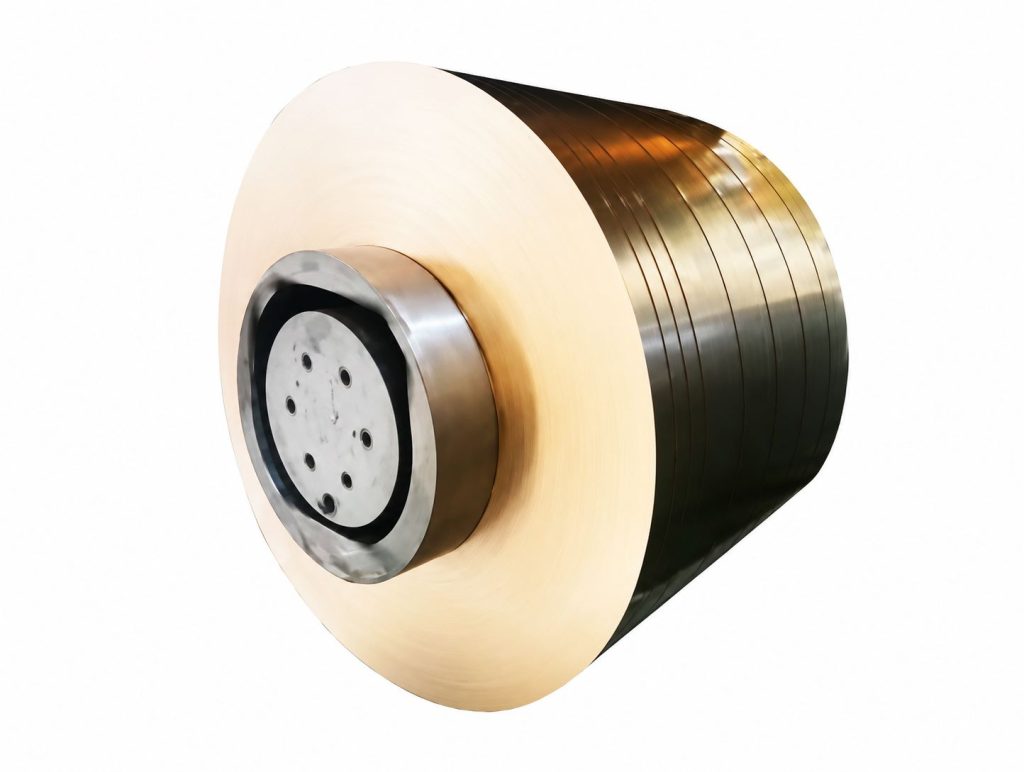
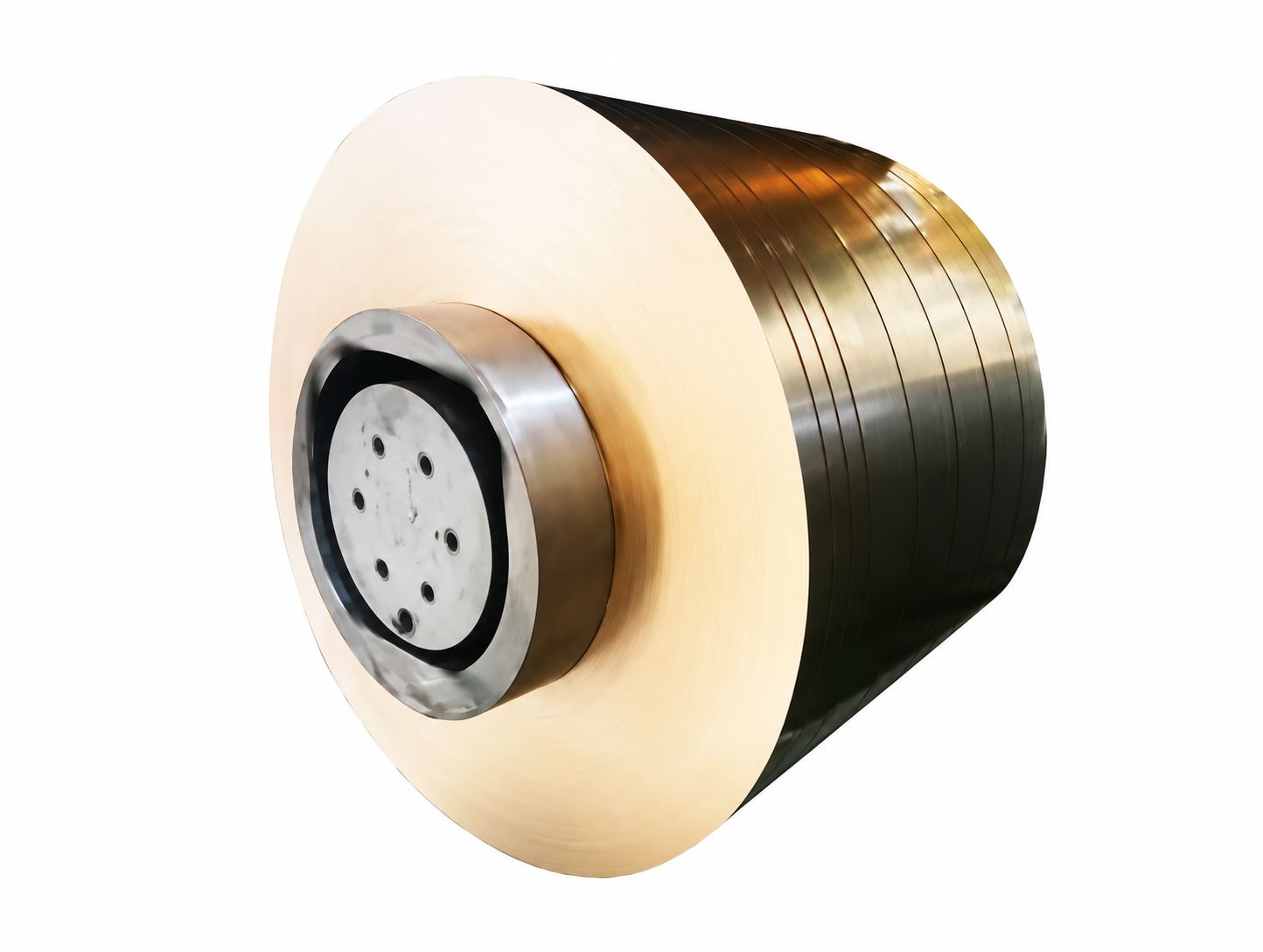
Free-form electroplating is an innovative technique that allows for the precise application of metal coatings on various surfaces. This method eliminates the need for traditional molds, enabling you to create intricate designs quickly and efficiently. BonyS’s Precision Etching technology plays a vital role in this process. It offers several key advantages:
No mold opening: You can produce samples rapidly without the delays associated with mold creation.
Zero burr precision products: This ensures that the final products maintain high quality and accuracy.
Maximum precision: The film etching can achieve a remarkable precision of ±0.005mm.
Versatile processing thickness: You can work with materials ranging from 0.01 to 2.0 mm.
Facilitates subsequent processes: The technology streamlines operations like stamping, bending, electroplating, and injection molding, significantly improving efficiency and reducing costs.
This advanced approach to electroplating not only enhances the quality of the coatings but also optimizes the overall manufacturing process.
Thermal Management Relevance
Effective thermal management is crucial for the performance and longevity of AI chips. Free-form electroplating contributes significantly to this aspect. By allowing for precise control over the thickness and uniformity of metal coatings, you can enhance heat dissipation in AI chips. This is particularly important as AI applications demand higher processing power, which generates more heat.
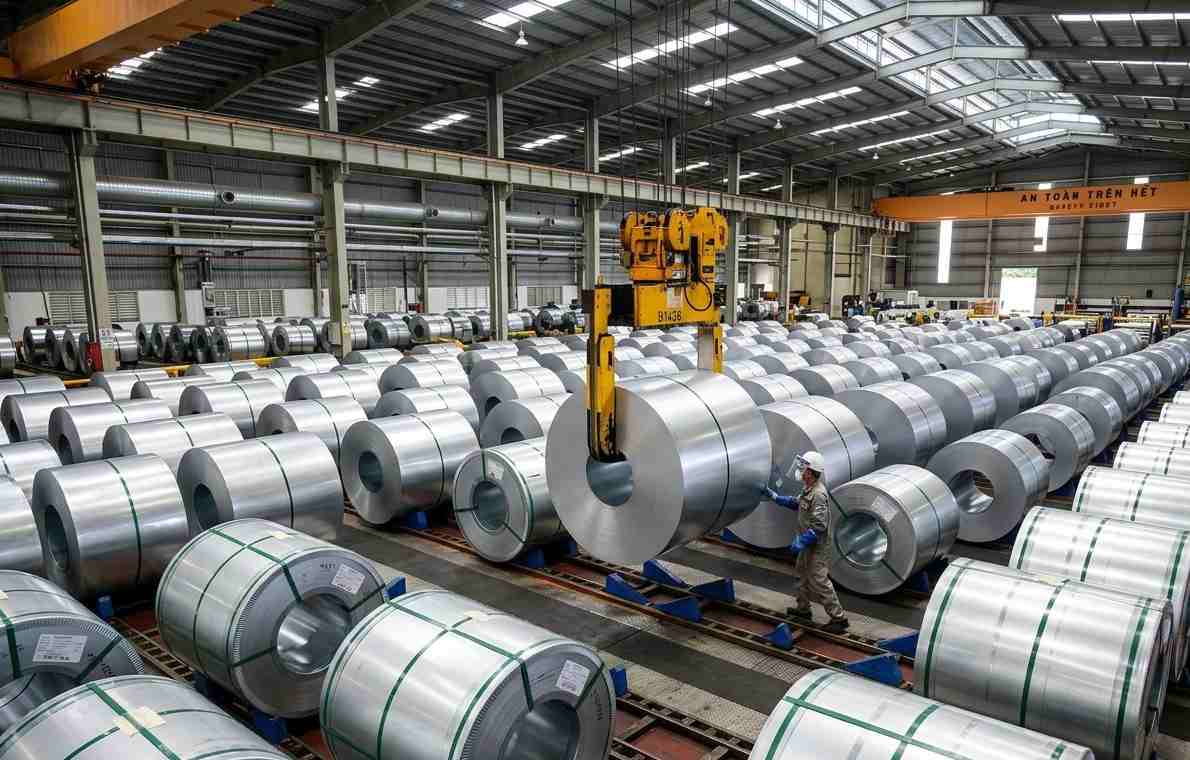
The integration of roll-to-roll continuous etching further enhances thermal management. This method allows for the consistent application of coatings across large surfaces, ensuring uniform heat distribution. As a result, you can minimize hotspots and maintain optimal operating temperatures. This not only improves the performance of your AI chips but also extends their lifespan, making free-form electroplating an essential component in modern chip design.
Summary of BonyS’s Advantages
BonyS’s Precision Etching technology stands out in the realm of free-form electroplating. Its ability to deliver extreme uniformity and void-free plating ensures that your AI chips can operate under optimal conditions. The digital-driven, mold-free production process allows for rapid prototyping and mass production, making it a game-changer in the industry.
By leveraging these advancements, you can achieve superior thermal management for your AI chips, ultimately leading to better performance and reliability.
Benefits of Continuous Plating
Heat Dissipation Enhancement
Continuous plating significantly improves heat dissipation in AI chips. This process allows for uniform metal coatings, which play a vital role in managing heat. When you apply a consistent layer of metal, you create a more effective pathway for heat to escape. This uniformity reduces the risk of hotspots, which can lead to overheating and potential chip failure.
Here are some key points about how continuous plating enhances heat dissipation:
Uniform Coating: Continuous plating ensures that every part of the chip receives an even layer of material. This uniformity is crucial for effective heat transfer.
Increased Surface Area: The process can increase the surface area available for heat dissipation. More surface area means better heat management.
Material Selection: You can choose materials with high thermal conductivity, such as copper or specialized alloys, to further enhance heat dissipation.
By leveraging these advantages, you can ensure that your AI chips operate at optimal temperatures, leading to improved performance.
Performance and Reliability Boost
The benefits of continuous plating extend beyond just heat dissipation. This method also enhances the overall performance and reliability of AI chips. Here’s how:
Improved Longevity: Consistent metal coatings protect the underlying materials from environmental factors. This protection helps extend the lifespan of your chips.
Enhanced Electrical Performance: A uniform coating reduces electrical resistance, allowing for faster signal transmission. This improvement is crucial for AI applications that require rapid processing.
Reduced Defect Rates: Continuous plating minimizes the chances of defects during manufacturing. Fewer defects lead to higher yields and lower production costs.
Incorporating free-form electroplating into your manufacturing process can lead to significant improvements in both performance and reliability. As AI technology continues to evolve, ensuring that your chips can handle increased demands becomes essential. Continuous plating provides a robust solution to meet these challenges.
Bonysn’s Free-Form electroplating
Precision electroplating at any location
BonyS’s Free-Form electroplating technology allows you to achieve precision electroplating at any location on your AI chips. This flexibility means you can customize the coating process to meet specific design requirements. The ability to apply coatings without molds saves time and reduces costs. You can create intricate designs quickly, which is essential in the fast-paced world of AI chip development.
High consistency and high yield rate
One of the standout features of BonyS’s technology is its high consistency and yield rate. The roll-to-roll continuous etching process ensures that every layer of metal is uniform. This uniformity leads to fewer defects during production. When you maintain high consistency, you can expect a higher yield rate, which translates to lower production costs and increased profitability.
Feature | BonyS’s Free-Form Electroplating | Traditional Methods |
|---|---|---|
Precision | ±0.005mm | Varies |
Production Speed | Rapid | Slower |
Defect Rate | Low | Higher |
Customization Flexibility | High | Limited |
Rapid prototyping and mass production
With BonyS’s Free-Form electroplating, you can enjoy rapid prototyping and efficient mass production. The technology allows for quick sample creation, enabling you to test designs faster. This rapid turnaround is crucial when you need to adapt to changing market demands. As a result, you can bring your AI chips to market more quickly, giving you a competitive edge.
AI Chip Design Applications
Case Studies and Examples
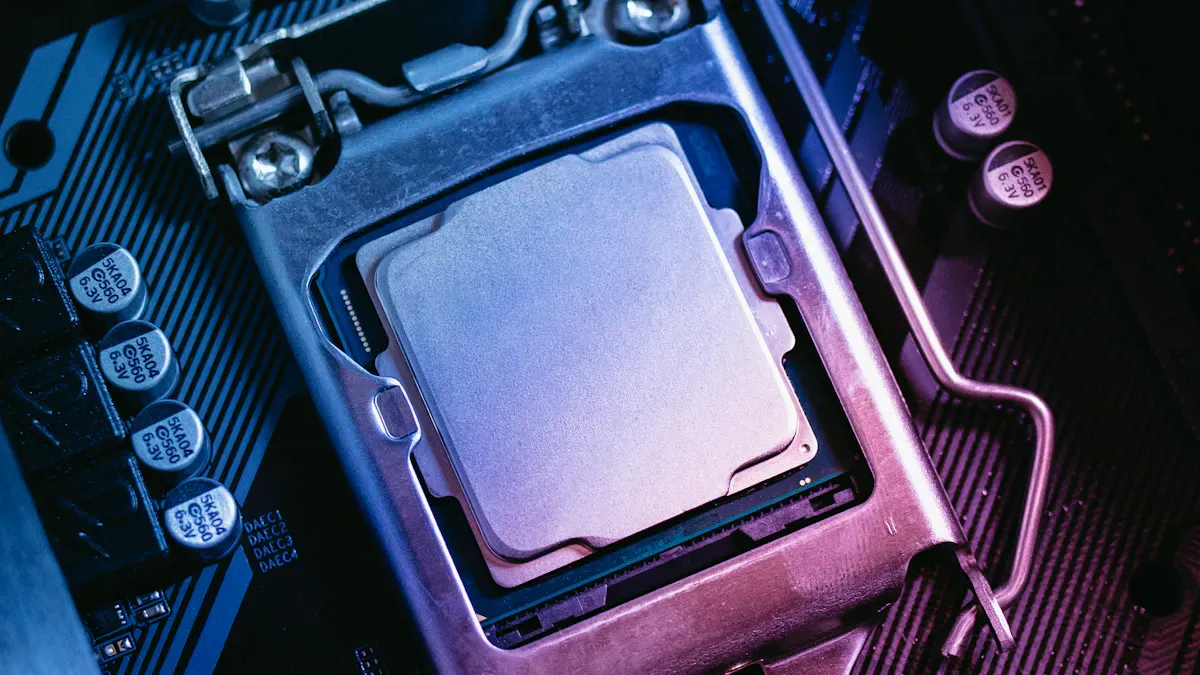
AI chip design has evolved significantly, driven by the need for enhanced thermal management. Companies like Nvidia have adopted innovative cooling solutions to address the challenges of excessive heat generation. For instance, their data center systems utilize liquid cooling technologies. These systems circulate coolant directly over heat-generating components, increasing cooling efficiency. This approach reduces energy consumption and lowers operating costs, making it a preferred choice for high-performance computing environments.
Another example comes from AI startups that focus on edge computing. These companies often face space constraints in their hardware designs. They implement phase-change cooling technologies, such as heat pipes and vapor chambers. These methods can reduce thermal resistance by 50% compared to traditional solid metal heat sinks. This innovation allows them to maintain optimal performance in compact designs.
Design Innovations
Recent design innovations in AI chips focus on improving thermal management and overall system performance. Here are some key strategies:
Component Placement: Positioning high-power components away from each other helps avoid cumulative heat buildup.
Copper Thickness: Using thicker copper layers for power planes enhances heat spreading and reduces thermal resistance.
Board Material: Selecting PCB substrates with higher thermal conductivity improves heat dissipation.
Airflow Design: Ensuring adequate ventilation prevents heat trapping and maintains optimal temperatures.
These innovations not only enhance cooling efficiency but also contribute to the longevity and reliability of AI chips. As AI applications demand more processing power, effective thermal management becomes essential. By integrating these design strategies, you can ensure your AI chips perform optimally, meeting the increasing demands of modern applications.
Future Plating Trends
Emerging Techniques
As technology evolves, so do the techniques in free-form plating. You can expect several emerging methods to shape the future of AI chip thermal management:
3D Printing Integration: Combining 3D printing with electroplating allows for complex geometries. This technique enables you to create intricate cooling channels directly on the chip surface.
Nanostructured Coatings: These coatings enhance thermal conductivity. By manipulating materials at the nanoscale, you can achieve superior heat dissipation.
Smart Materials: Incorporating materials that respond to temperature changes can optimize thermal management. These materials can adapt their properties based on the heat generated by the chip.
Tip: Staying updated on these trends can give you a competitive edge in AI chip design.
Impact on AI Performance
The advancements in plating techniques directly influence AI chip performance. Here’s how:
Enhanced Heat Management: Improved thermal management leads to better chip performance. When chips maintain optimal temperatures, they operate more efficiently.
Increased Processing Power: With effective heat dissipation, you can push your chips to higher performance levels. This capability is crucial for demanding AI applications.
Longer Lifespan: Effective thermal management reduces wear and tear on components. This longevity translates to lower replacement costs and improved reliability.
Incorporating these emerging techniques into your designs can significantly enhance the performance of your AI chips. As the demand for faster and more efficient AI solutions grows, staying ahead of these trends will be essential for your success.
In summary, free-form plating significantly enhances thermal management for AI chips. This innovative technique improves heat dissipation, boosts performance, and increases reliability. Key benefits include:
Precision Coating: You achieve uniform metal layers that optimize heat transfer.
Rapid Prototyping: Quick sample creation accelerates your design process.
High Yield Rates: Consistent production reduces defects and costs.
As AI technology evolves, the impact of free-form plating will only grow. Embracing these advancements will position you at the forefront of AI chip design.
FAQ
What is free-form electroplating?
Free-form electroplating is a technique that applies metal coatings precisely on surfaces without molds. This method allows for intricate designs and rapid production, enhancing thermal management in AI chips.
How does free-form plating improve thermal management?
Free-form plating enhances thermal management by ensuring uniform metal coatings. This uniformity improves heat dissipation, reduces hotspots, and maintains optimal operating temperatures for AI chips.
What materials can be used in free-form electroplating?
You can use various materials, including stainless steel, pre-plated nickel, and specialized copper alloys. These materials offer high thermal conductivity, essential for effective heat dissipation in AI chips.
How does BonyS’s technology differ from traditional methods?
BonyS’s technology offers precision electroplating with a tolerance of ±0.005mm, rapid prototyping, and high yield rates. Traditional methods often involve slower processes and higher defect rates.
What are the future trends in plating for AI chips?
Future trends include integrating 3D printing with electroplating, developing nanostructured coatings, and using smart materials. These innovations will further enhance thermal management and chip performance.
See Also
Innovative Mold-Free Selective Plating Solutions for AI Processors
Strategies to Minimize Plating Mold Expenses for Electronics Makers
Affordable Approaches for I/O Interfaces Through Selective Plating
Research Advancements: Moldless Selective Plating Speeds Up Prototyping
Moldless Selective Plating Solutions for U.S. AI and Medical Connectors