
Understanding future trends in the metal industry is very important for your success, especially in the promotion of metal products. The global metal market is expected to grow by 12.1% each year from 2026 to 2033, and you need to stay ahead of this growth. Recent problems in supply chains show how crucial it is to be ready. Big delays and shortages of raw materials can hurt your business. By paying attention to key trends, you can handle these changes better and effectively promote metal products using new and creative methods.
Key Takeaways
Keep up with the growth in the metal market by knowing important trends. The market is likely to grow by 12.1% each year from 2026 to 2033.
Use local production to make your supply chain stronger. This helps you depend less on faraway suppliers and avoid global problems.
Focus on being eco-friendly by using recycled materials. Recycling steel saves resources and helps the environment, which attracts eco-friendly buyers.
Put money into technology like AI and automation to make inventory management and efficiency better. These improvements can save money and improve product quality.
Make skills training and diversity in your workforce a priority. A skilled and diverse team encourages new ideas and gets your business ready for future challenges.
Supply Chain Trends
Localized Production
As we think about 2026, localized production is changing the metal sector. Companies are bringing operations back home to rely less on faraway suppliers. This change helps you avoid problems from global issues and climate change. Here are some important points to think about:
Diversification of Sources: Getting materials from different areas helps you handle local problems.
Friend-Shoring: Moving production closer to important markets or friendly countries lowers risks from global tensions.
Buffer Stocks: Keeping extra inventory acts as a backup against sudden problems.
These strategies make your supply chain stronger. They help you respond quickly to changes in demand or supply.
Inventory Management
Good inventory management is key for smooth operations in the metal industry. With new technology, you can make your processes much better. Here’s how:
AI Technologies: Using AI improves accuracy in inventory management. It cuts down on mistakes and keeps stock counts correct.
Real-Time Data Integration: This helps you quickly identify steel parts, making inventory tasks easier.
Logistics Improvements: AI-driven logistics give better views of material levels, stopping shortages and overstocking.
For example, Wu’an Steel cut equipment downtime by 65.6%. This saved over £200 million each year. This shows how using technology can lead to big improvements in operations.
Sustainability and Green Steel
Recycled Materials
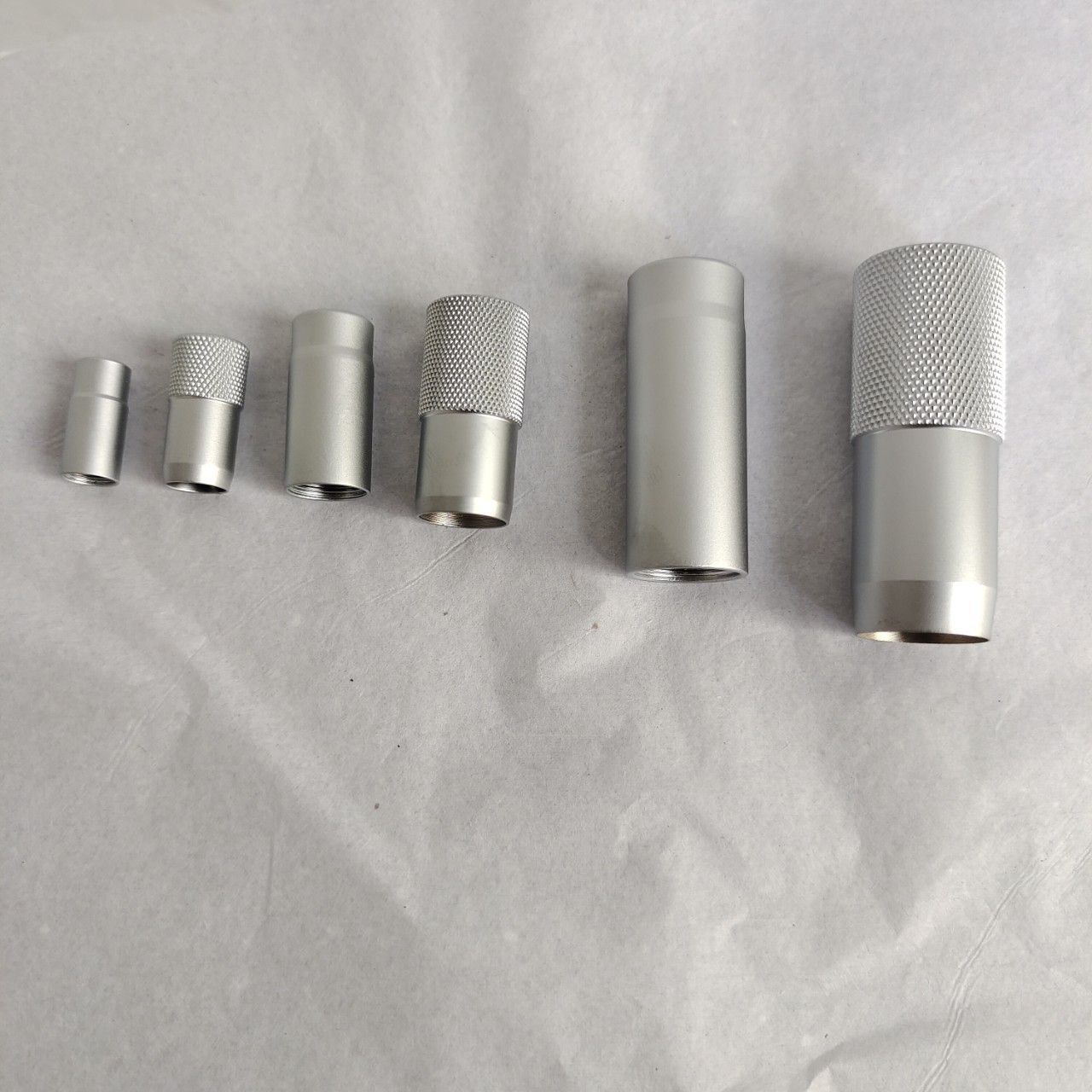
Sustainability is very important in the metal sector now. Using recycled materials is a big part of this. You might not know that recycling steel saves a lot of resources. For every ton of scrap steel you recycle, you save about:
1.1 tons of iron ore
630 kg of coking coal
55 kg of limestone
These savings help the environment and cut costs. Recycling steel also reduces water use by 40% and lowers greenhouse gas emissions by 58%. Many things drive this shift to recycled materials. These include stricter rules, company goals for sustainability, and customers wanting eco-friendly options. As the construction industry uses more sustainable materials, the market for green steel will grow a lot.
Remember, promoting metal products with sustainable practices can improve your brand’s image. More consumers want to buy from companies that care about the environment.
Green Manufacturing
Green manufacturing is very important for the future of the metal industry. One great way to do this is by recycling ferrous scrap metal. This saves natural resources and helps the environment. Each ton of recycled steel saves around:
2,500 pounds of virgin ore
1,400 pounds of coal
120 pounds of limestone
Recycling not only cuts down on waste but also uses up to 74% less energy than making steel from new resources. This leads to a 58% reduction in CO2 emissions compared to older methods.
Rules are also pushing the industry to be greener. Following environmental standards makes businesses use sustainable practices and renewable resources. This helps avoid fines and shows a commitment to doing the right thing.
As you deal with changes in the metal sector, focusing on sustainability and green steel will be very important. By using recycled materials and green manufacturing, you can set your business up for success in a market that cares more about the environment.
Technological Advancements
Automation and Robotics
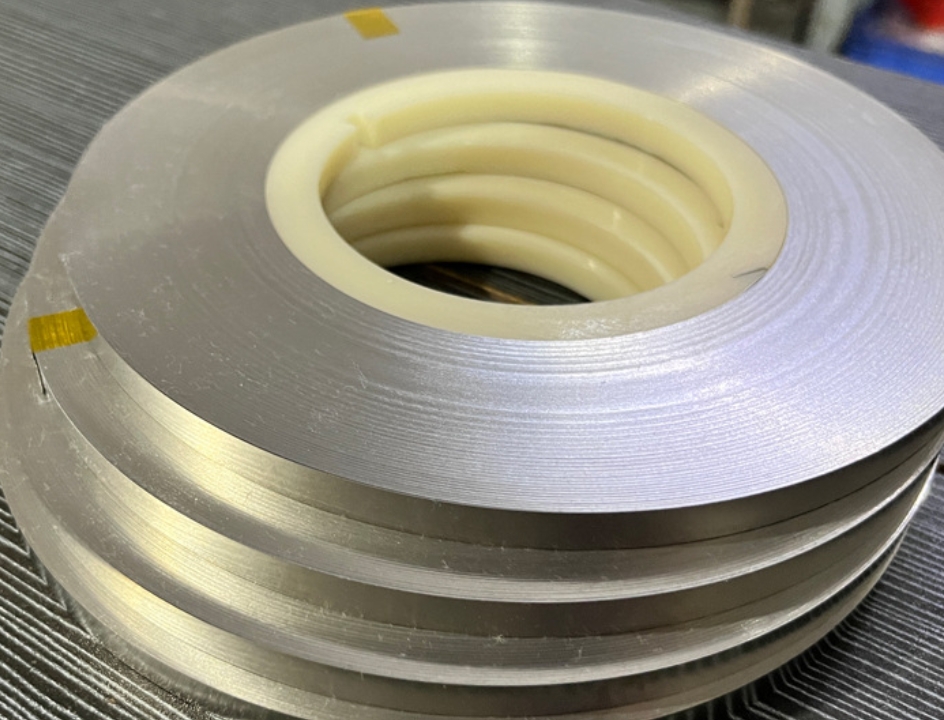
In 2026, automation and robotics will be very important in the steel and metal markets. These technologies are not just fads; they are changing how you work. Here’s what you can expect:
Improved Worker Safety: Robots do dangerous jobs, which means fewer injuries for your team. This change keeps your workers safe and boosts their spirits.
Enhanced Precision and Quality: With robots, you can make products that are always the same. This means fewer mistakes and happier customers.
Increased Efficiency and Productivity: Automation lets you work all day and night. You can make more products and have less downtime, which is key for meeting higher demand.
Cost Savings in the Long Run: At first, buying robots might cost a lot, but it pays off. You’ll save on labor costs and make more money over time.
By using these advancements, you help your business succeed in a tough market.
Advanced Alloys
The new advanced alloys are another exciting change in the metal sector. These materials have better features that can meet the needs of many industries. Here’s why you should pay attention:
Lightweight and Strong: Advanced alloys are as strong as regular metals but lighter. This is great for industries like aerospace and automotive, where being light is very important.
Corrosion Resistance: Many new alloys resist rust better than older ones. This strength means products last longer and need less fixing.
3D Printing Integration: The U.S. metal 3D printing market is expected to grow a lot, from USD 2.87 billion in 2025 to about USD 24.55 billion by 2035. This means a growth rate of 23.94% from 2026 to 2035. As you look into advanced alloys, think about how they can be used in 3D printing to make complex designs that were hard to create before.
Using these advanced materials in your production can improve your products and meet your customers’ changing needs.
By keeping up with these technological advancements, you can make sure your business stays strong in the changing steel and metal markets.
Economic Factors
Market Demand
As we think about 2026, many economic factors will change the need for metals. You’ll see that economic growth is very important. When economies grow, especially in new markets, the demand for metals will go up. Here are some main trends that are driving this need:
Industrial Production: More factories mean more metal is needed, especially in cars.
Infrastructure Investment: Government money for building projects will keep metal demand high.
Sustainability Initiatives: The push for green technologies will raise the need for metals like copper and aluminum, which are key for renewable energy.
You should also watch how supply chain disruptions can change prices. Things like natural disasters or strikes can cause sudden price increases. Changes in currency can also affect import and export costs, so it’s important for you to stay updated.
Trade Policies
Trade policies and tariffs are another big factor in the global metals and steel market. They can greatly change how the market works. Here’s a quick look at how tariffs are impacting different areas:
Region | Additional Notes | |
|---|---|---|
Europe | Higher credit risks and smaller markets. | Local demand is low, and US tariffs may hurt producers, especially in Italy. |
Asia | Problems for exporters, especially from Japan. | Japan’s producers struggle with tariffs as the population shrinks. |
US | Local producers might get more market share because of tariffs. | Tariffs aim to protect US producers from foreign competition. |
China | Overcapacity issues continue, with tariffs having less effect than in other areas. | Chinese exports are flooding the market, hurting competitors like Japan and South Korea. |
Global Outlook | Expected growth in metals and steel output is slowing down a lot. | Only 2.2% growth is expected this year and 0.7% in 2026 due to tariffs and market conditions. |
You’ll want to think about how these trade policies can create both problems and chances in the market. For example, while tariffs may help local businesses, they can also make things more expensive for buyers.
By staying aware of these economic factors, you can better handle the changing world of the metal sector.
Future Trends in Workforce Development
Skills Training
As the metal sector changes, skills training will be very important. The industry needs workers who can learn new technologies and methods. There are over 6 million people in the global steel industry, but more skilled workers are needed. Companies are focusing on training programs that mix technical skills with soft skills. This includes learning about lean manufacturing, project management, and leadership.
Here are some key trends in skills training:
Increased Demand for Skilled Workers: More engineers and skilled production workers are needed.
Focus on Continuous Learning: Ongoing education is important as technology changes.
Partnerships with Educational Institutions: Programs like METAL connect students with training and apprenticeships in metallurgical engineering.
These efforts help prepare the next generation for jobs in smart steel manufacturing and other new markets.
Diversity Initiatives
Diversity and inclusion are becoming very important in the metal industry. Companies see that a diverse workforce brings new ideas and solutions. Here’s why diversity is important:
Enhanced Problem-Solving: Different backgrounds lead to new ideas, boosting creativity.
Better Employee Retention: Inclusive workplaces build loyalty and lower turnover.
Broader Talent Pool: Embracing diversity helps companies attract more candidates.
Many organizations are starting diversity initiatives to create a more welcoming environment. This includes outreach programs and partnerships with schools to encourage underrepresented groups to join metal manufacturing careers.
By focusing on skills training and diversity, you can set your business up for success in the changing metal sector.
As you think about 2026, keep in mind the main trends in the metal sector. Local production, being eco-friendly, and new technology will lead to changes. You need to adjust to these changes to stay ahead. Welcome new skills and different ideas to encourage creativity.
Tip: Stay active! Getting involved with new trends now will help you succeed later.
By being adaptable and ready for change, you can handle challenges and take advantage of chances in this changing industry.
FAQ
What are the main trends in the metal sector for 2026?
You can look forward to trends like making products closer to home, using green steel, new technology, and changes in worker training. These trends will change how you work and compete in the market.
How can I prepare for changes in the metal industry?
Stay updated on market trends, invest in new technology, and focus on being eco-friendly. Get involved in training programs and diversity efforts to create a strong workforce that can handle future challenges.
Why is sustainability important in the metal sector?
Sustainability helps lessen harm to the environment and meets what customers want for eco-friendly products. By using green practices, you can improve your brand image and attract more buyers.
What role does technology play in the future of metal production?
Technology, like robots and new alloys, improves efficiency and product quality. Using these new ideas can help you stay competitive and meet your customers’ changing needs.
How can I find skilled workers for my metal business?
Work with schools to create training programs. Focus on ongoing learning and promote diversity to attract more candidates. This way, you can build a skilled workforce for the future.
See Also
Exploring Roll-to-Roll Etching Benefits for Future Electronics
Tool-Free Selective Plating Revolutionizing US Tech Manufacturing
Enhancing Electronics with Precision Metal Strip Materials
Vietnam’s Roll-to-Roll Metal Etching for OEM Production
Selective Plating Solutions for Saudi Arabia’s Vision 2030 Initiatives