
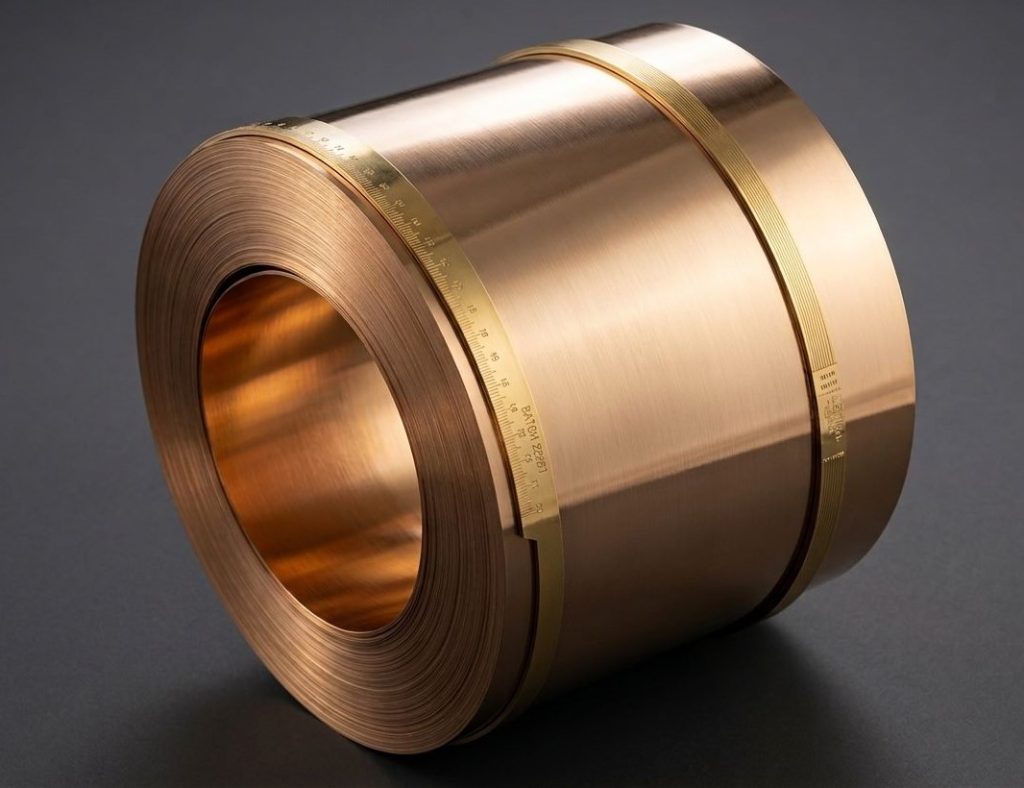
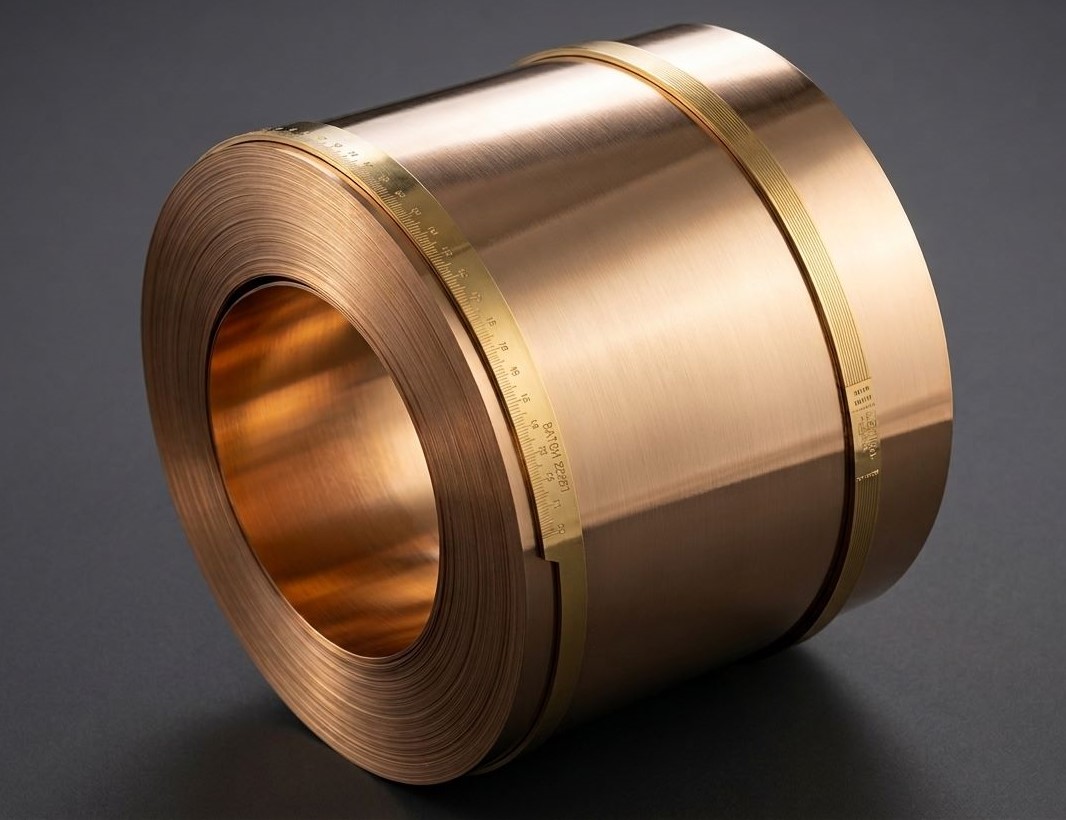
In the fast-paced world of precision EMS, reducing tooling costs can significantly impact your bottom line. Free-Form electroplating offers a transformative solution by eliminating the need for traditional molds. This innovation provides substantial cost savings and enhances precision in manufacturing. Particularly in the optics and electronics sectors, where intricate designs demand high accuracy, adopting this advanced technique allows you to maintain competitive edge while optimizing production efficiency.
Key Takeaways
Moldless free-form electroplating reduces tooling costs by eliminating the need for traditional molds.
This technology allows for rapid prototyping, enabling quick design changes and faster production times.
High precision levels of ±0.005mm make it ideal for intricate designs in optics and electronics.
Businesses can achieve up to 30% savings in tooling costs, enhancing overall operational efficiency.
The method offers design flexibility, allowing for complex geometries and customization to meet specific needs.
Moldless Free-Form Electroplating
Process Overview
Moldless free-form electroplating represents a significant advancement in manufacturing technology. This innovative process allows you to create intricate designs without the constraints of traditional molds. Instead of relying on fixed molds, you can directly apply electroplating to various surfaces, enabling a more flexible approach to production.
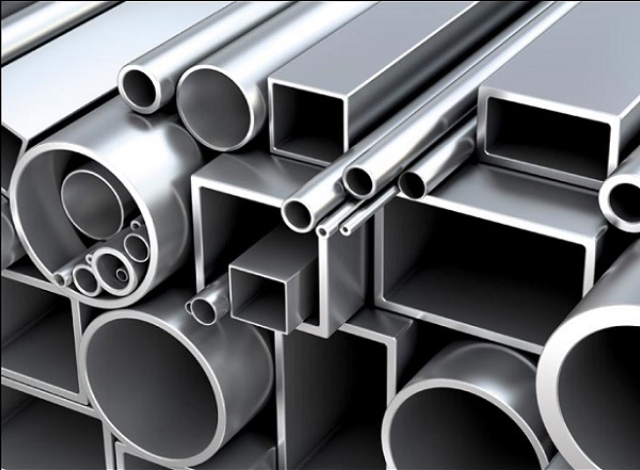
The process begins with the preparation of the substrate, which can be made from materials like stainless steel or special copper alloys. You then apply a conductive layer, often using a pre-plated nickel, to facilitate the electroplating process. Once the substrate is ready, you immerse it in an electroplating bath. Here, the desired metal ions deposit onto the substrate, forming a precise layer that adheres closely to the surface.
This method not only accelerates production timelines but also enhances design flexibility. You can quickly create prototypes and adjust designs without the need for new molds. This capability is particularly beneficial in industries where rapid iteration is crucial, such as optics and electronics.
Key Differences from Traditional Methods
Moldless free-form electroplating differs significantly from traditional electroplating methods. Here are some key distinctions:
No Mold Requirement: Traditional electroplating often requires molds, which can be costly and time-consuming to produce. In contrast, free-form electroplating eliminates this need, reducing both time and costs.
Enhanced Design Flexibility: With traditional methods, design changes can lead to extensive rework. Free-form electroplating allows you to modify designs on the fly, making it easier to adapt to market demands.
Higher Precision: The precision level in free-form electroplating can reach ±0.005mm, ensuring that you achieve the meticulous accuracy required in high-tech applications. Traditional methods may not consistently meet such stringent specifications.
Faster Prototyping: You can create samples rapidly without waiting for mold production. This speed is essential for industries that thrive on innovation and quick turnaround times.
Cost Efficiency: By eliminating molds and reducing material waste, free-form electroplating can lead to significant cost savings. This efficiency is vital for maintaining competitiveness in the fast-evolving precision EMS landscape.
Benefits for Optics and Electronics
Cost Efficiency
Moldless free-form electroplating offers significant cost savings for businesses in the optics and electronics sectors. By eliminating the need for traditional molds, you reduce both initial investment and ongoing production costs. Here are some key points to consider:
Lower Initial Investment: Traditional electroplating methods often require expensive molds, which can take weeks to produce. With free-form electroplating, you can start production without these upfront costs.
Reduced Material Waste: The precision of free-form electroplating minimizes material waste. You can achieve high-quality results with less excess material, leading to further cost reductions.
Faster Production Times: The ability to create prototypes quickly allows you to respond to market demands faster. This agility can lead to increased sales and improved profitability.
According to industry data, companies that adopt free-form electroplating can see a reduction in tooling costs by up to 30%. This substantial saving can be reinvested into other areas of your business, enhancing overall operational efficiency.
Design Flexibility
Design flexibility is another major advantage of moldless free-form electroplating. This method allows you to adapt designs rapidly, which is crucial in fast-paced industries like optics and electronics. Here’s how it benefits you:
Rapid Prototyping: You can create and modify prototypes without waiting for mold production. This speed enables you to test new ideas and iterate designs quickly.
Complex Geometries: Free-form electroplating allows you to produce intricate designs that traditional methods may struggle to achieve. This capability opens up new possibilities for innovation in product development.
Customization: You can easily customize products to meet specific customer needs. This flexibility can enhance customer satisfaction and loyalty.
A recent study by the Electroplating Association highlighted that companies utilizing free-form electroplating reported a 40% increase in design iterations compared to those using traditional methods. This increased flexibility not only fosters creativity but also helps you stay ahead of competitors.
Bonysn’s Free-Form electroplating
Precision electroplating at any location
Bonysn’s Free-Form electroplating technology allows you to achieve precision electroplating at any location on your substrate. This flexibility means you can apply electroplating to complex geometries and intricate designs without the limitations of traditional molds. The process ensures that you can meet the demands of various applications, particularly in the optics and electronics sectors.
High consistency and high yield rate
One of the standout features of Bonysn’s technology is its ability to deliver high consistency and a high yield rate. The process guarantees zero burr precision products, ensuring that every output meets stringent quality standards. This consistency not only enhances your production efficiency but also reduces the likelihood of defects, which can lead to costly rework.
Here’s a quick overview of the unique features that distinguish Bonysn’s Free-Form electroplating technology:
Feature | Description |
|---|---|
No mold opening | Eliminates the need for mold creation, speeding up the process. |
Quick sample making | Reduces time to produce samples significantly. |
Zero burr precision products | Ensures high-quality outputs with no burrs. |
Maximum precision | Achieves film etching precision of ±0.005mm. |
Processing thickness | Capable of handling thickness from 0.01 to 2.0 mm. |
Efficiency improvements | Enhances overall efficiency and reduces costs. |
Rapid prototyping and mass production
With Bonysn’s Free-Form electroplating, you can transition seamlessly from rapid prototyping to mass production. The technology allows you to create samples quickly, enabling you to test and iterate designs without the delays associated with mold production. This capability is crucial in fast-paced industries where time-to-market can determine success.
By integrating Bonysn’s advanced electroplating technology into your production line, you can significantly improve operational efficiency, reduce costs, and maintain high-quality standards. This innovative approach empowers you to stay competitive in the ever-evolving landscape of precision EMS.
Case Studies in Electroplating
BonyS Precision Etching Technology
BonyS has successfully implemented its Precision Etching Technology across various industries, showcasing the advantages of moldless free-form electroplating. One notable case involved a leading electronics manufacturer that needed to produce intricate components for smartphones. By adopting BonyS’s technology, they achieved a remarkable 30% reduction in tooling costs. This allowed them to allocate resources to other critical areas of production.
“The transition to BonyS’s electroplating technology has transformed our production line. We can now create complex designs without the delays associated with traditional molds,” said the production manager at the electronics firm.
Supplier Success Stories
Several suppliers have also benefited from BonyS’s innovative approach. For instance, a prominent optics supplier faced challenges with mold production times that hindered their ability to meet customer demands. After integrating BonyS’s free-form electroplating, they reported a 40% increase in production speed. This improvement enabled them to fulfill orders faster, enhancing customer satisfaction.
Supplier | Challenge | Outcome |
|---|---|---|
Electronics Manufacturer | High tooling costs | 30% reduction in costs |
Optics Supplier | Slow mold production | 40% increase in production speed |
Another case involved a small startup that specialized in custom metal parts. They utilized BonyS’s technology to create prototypes rapidly. This capability allowed them to iterate designs quickly, leading to a 50% decrease in time-to-market for new products.
These real-world applications demonstrate the tangible benefits of moldless free-form electroplating. By leveraging BonyS’s Precision Etching Technology, businesses can achieve significant cost savings and operational efficiencies, positioning themselves for success in competitive markets.
Implementation Strategies
Choosing the Right Suppliers
Selecting the right suppliers is crucial for successfully implementing moldless free-form electroplating. Here are some key factors to consider:
Experience and Expertise: Look for suppliers with a proven track record in electroplating technologies. Their experience can help you navigate challenges effectively.
Quality Assurance: Ensure that your supplier adheres to industry standards, such as ISO 9001. This certification indicates a commitment to quality management.
Technical Support: Choose suppliers who offer robust technical support. This assistance can be invaluable during the implementation phase.
Cost-Effectiveness: Evaluate the total cost of ownership, not just the initial price. A slightly higher upfront cost may lead to significant savings in the long run due to reduced tooling and material waste.
Addressing Adoption Challenges
Adopting moldless free-form electroplating may present challenges. Here are strategies to overcome them:
Training and Education: Invest in training for your team. Understanding the new technology will enhance their confidence and efficiency.
Pilot Projects: Start with small-scale pilot projects. This approach allows you to test the technology’s effectiveness without committing significant resources.
Feedback Loops: Establish feedback mechanisms to gather insights from your team. Continuous improvement will help you refine processes and address issues promptly.
Collaboration with Experts: Partner with industry experts or consultants. Their insights can guide you through the transition and help you avoid common pitfalls.
By carefully selecting suppliers and addressing potential challenges, you can successfully implement moldless free-form electroplating. This strategic approach will position your business for enhanced efficiency and cost savings in the competitive landscape of precision EMS.
Moldless free-form electroplating offers you a powerful solution to reduce tooling costs and enhance precision in your manufacturing processes. By eliminating the need for traditional molds, you can significantly lower initial investments and minimize material waste. This innovative approach allows for rapid prototyping and design flexibility, enabling you to respond swiftly to market demands.
Embrace this technology to stay competitive in the optics and electronics sectors. The potential for cost savings and improved operational efficiency makes moldless free-form electroplating a smart choice for your business.
FAQ
What is moldless free-form electroplating?
Moldless free-form electroplating is a manufacturing process that applies electroplating directly to surfaces without traditional molds. This method enhances design flexibility and reduces tooling costs.
How does this technology improve cost control?
By eliminating molds, you significantly lower initial investments and reduce material waste. This efficiency can lead to savings of up to 30% in tooling costs.
Can I achieve high precision with this method?
Yes, moldless free-form electroplating can achieve precision levels of ±0.005mm. This accuracy is crucial for applications in optics and electronics.
How quickly can I prototype using this technology?
You can create prototypes rapidly without waiting for mold production. This speed allows you to iterate designs and respond to market demands swiftly.
What industries benefit most from this technology?
Industries such as optics and electronics benefit greatly from moldless free-form electroplating. The technology addresses their needs for cost efficiency, design flexibility, and high precision.
See Also
Strategies for Lowering Plating Mold Expenses in Electronics
Reducing Gold Plating Expenses in I/O Interfaces Using Selective Methods
Innovative R&D: Speeding Up Prototyping with Die-Free Plating
Revolutionizing US Tech Manufacturing with Tool-Free Selective Plating
Continuous Selective Plating Without Molds for Gold Plating Strips